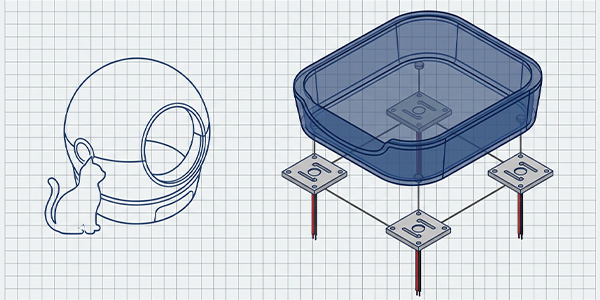
With the rapid development of weighing technology and electronic measurement,
resistance-strain load cells are now
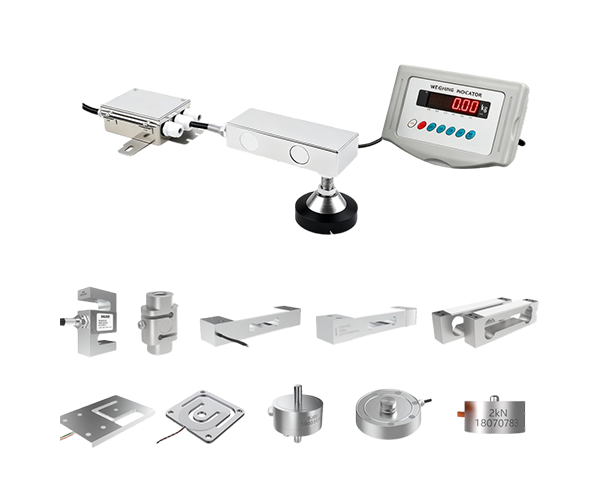
used far more widely in commercial weighing equipment. Choosing the right load cell is the
single most important decision when building a scale that has to perform reliably in the
real world. This guide walks you through the matching logic between load cells, junction
boxes, indicators and weighing platforms so you can size, specify and purchase with
confidence.
Commercial weighing instruments come in many forms — electronic price-computing
scales, bench scales, counting scales, hanging scales, truck scales and rail weighbridges — and
each form factor calls for a different load cell geometry and capacity. Match the cell
to the scale, not the other way around, and the system will deliver the accuracy,
stability and lifetime your application demands.
Key Considerations for Selecting Load Cells in Commercial Weighing Systems
1. Selection Principles by Scale Type
Electronic Price-Computing Scales & Small Bench Scales
For electronic price-computing scales and small bench scales, the capacity is relatively
small, typically ranging from 3–500 kg, with platform sizes
such as 120×120 mm, 140×140 mm, 250×350 mm,
300×350 mm, 350×400 mm, 400×400 mm, 500×350 mm,
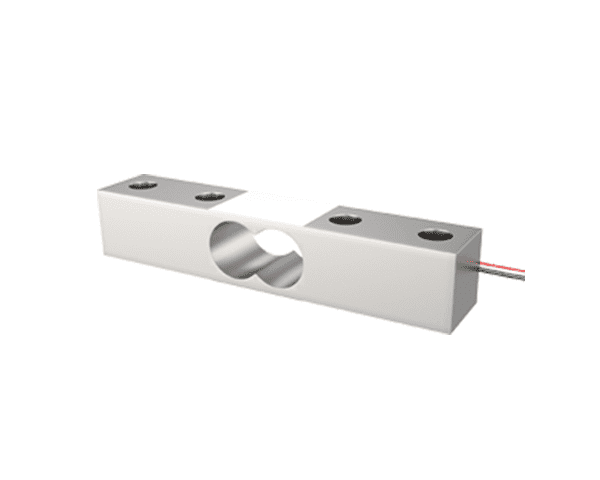
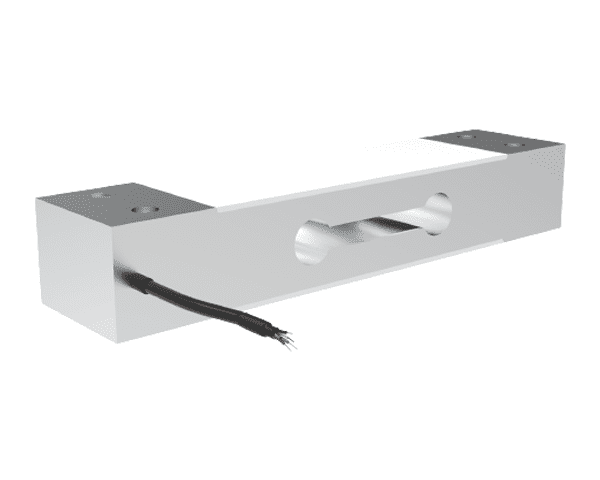
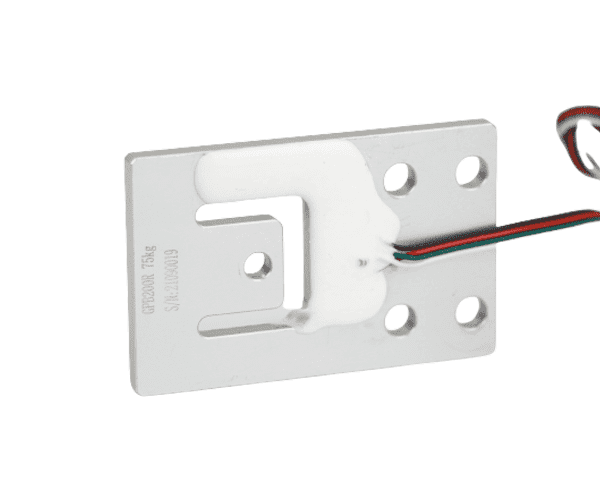
500×500 mm and 600×600 mm. A single single-point load cell is normally used, and an aluminum parallel-beam load cell is the
preferred choice. Parallel-beam load cells are characterized by high accuracy, strong
anti-off-center (eccentric) load capability, anodized surface treatment, and a
protection rating of IP65. Recommended models include GPB100, GPB144 and GPB100D. Custom sizes can also
be machined to your specified dimensions.
Electronic Floor Scales (Small Pits)
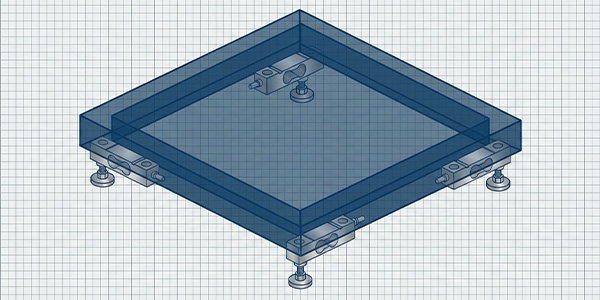
For electronic floor scales built into a small pit, capacities typically range from 500 kg to 3 t, with platform sizes of 1 m×1 m,
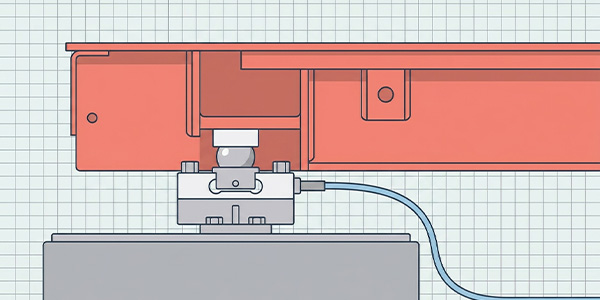
1.5 m×1.5 m and 2 m×2 m. Four load cells are normally
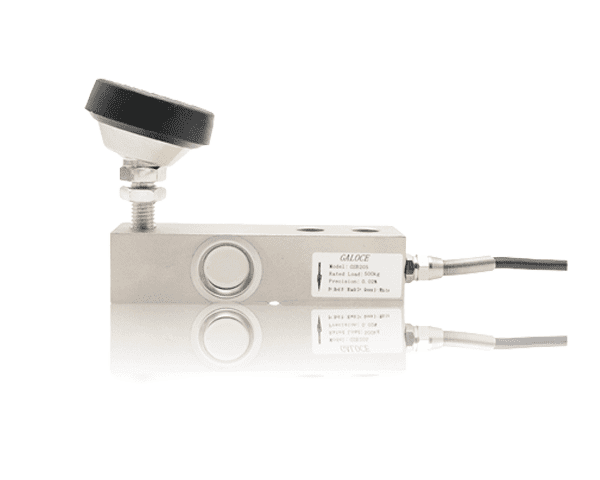
used, and a shear-beam load cell made of alloy steel is the dominant
choice. Shear-beam load cells are characterized by output signals that are largely
unaffected by the loading point position, excellent linearity, high accuracy, strong
side-load resistance, and a protection rating of IP66. The recommended
model is GSB205, which can also be
custom-machined to your specified dimensions.
Electronic Truck Scales (Large Pits)
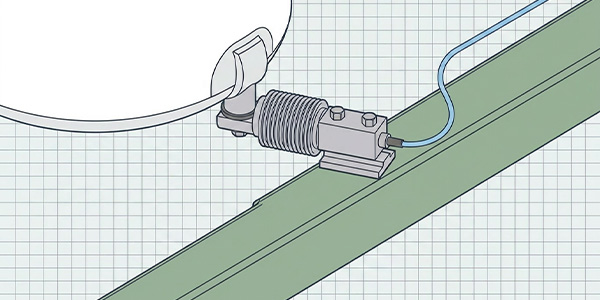
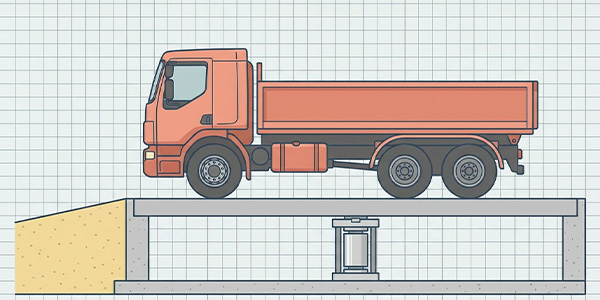
For electronic truck scales in large pits, capacities typically range from 10–40 t, and the scale is built with 6–12 load
cells per platform. Alloy steel or stainless-steel shear-beam, bridge-type or
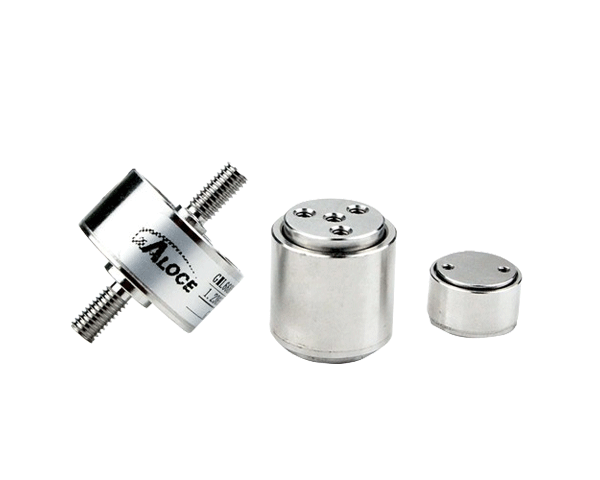
column-type load cells are commonly used.
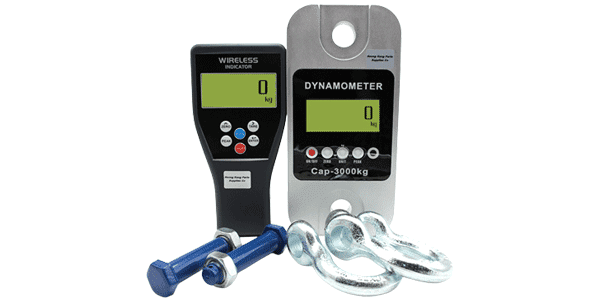
Electronic Hanging Scales
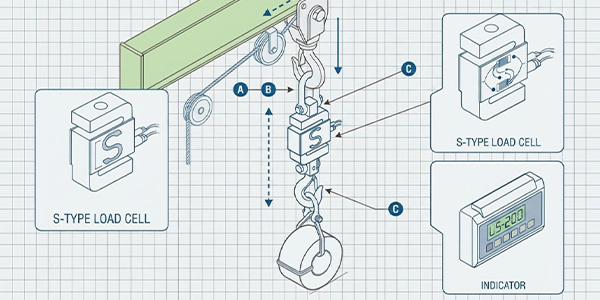
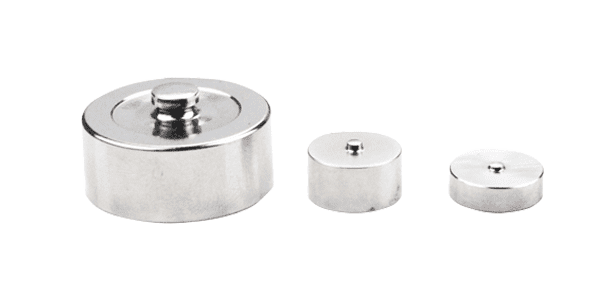
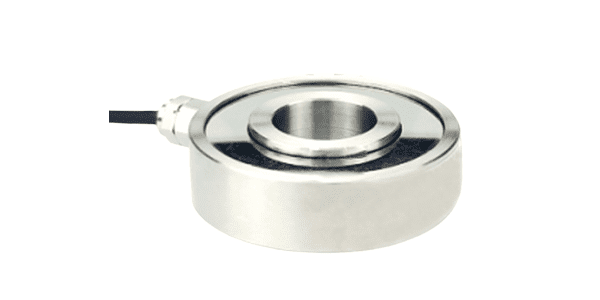
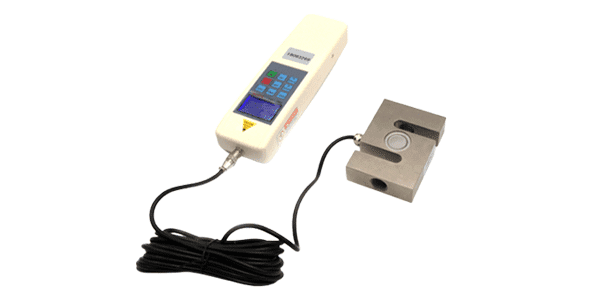
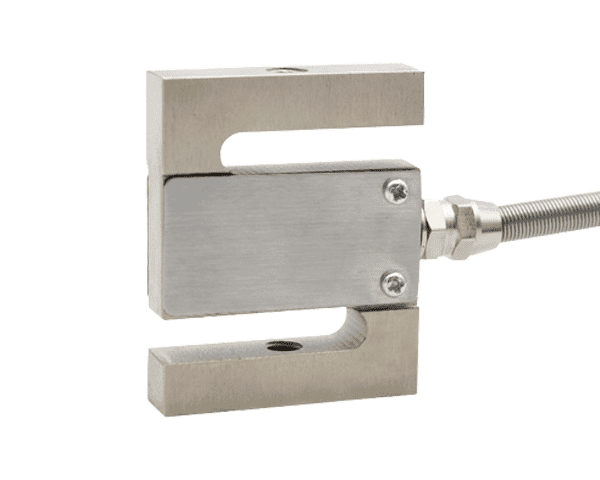
For electronic hanging (crane) scales, the dominant choice is a single S-type or ring-type load cell.
Browse our S-type load cell collection for typical specifications.
2. IP Protection Rating for Load Cells
The IP rating of the load cell must match the actual operating environment. Different
conditions require different levels of sealing.
-
2.1 Indoor / clean environments: Electronic price-computing scales
are typically used indoors in clean conditions, so a sealed/potted construction is normally sufficient.
-
2.2 Outdoor or harsh environments such as dusty plants: use a fully sealed, welded load cell with a protection rating
of IP67 or higher.
-
2.3 Humid or smoky environments: for long-term reliability, use a stainless-steel, fully-sealed welded load cell with a protection
rating of IP68.
-
2.4 Outdoor cable runs: to prevent rodent damage that would otherwise
take the scale offline, choose load cells supplied with armored cable or with the entire cable run protected by a metal conduit.
3. Electromagnetic Compatibility (EMC) Shielding
Electromagnetic fields can interfere with the small analog signal produced by a load
cell. Inspect the load cell’s shielding construction and confirm
that the cable is grounded properly so the system has sufficient anti-EMC capability.
4. Explosion-Proof Requirements
In flammable or explosive atmospheres, select an explosion-proof load cell.
Pay attention not only to the sealing performance but also to the explosion-proof grade
and the strength of the enclosure.
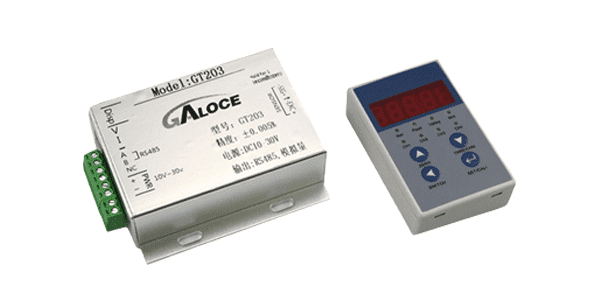
5. Output Sensitivity Must Match the Indicator
Standard load-cell output sensitivities include 1 mV/V, 1.5 mV/V, 2 mV/V, 2.5 mV/V and 3 mV/V. Select the sensitivity according to the input
sensitivity of the downstream indicator or signal conditioner. The most common choice
today is 2 mV/V; if a larger input signal is required, choose 3 mV/V.
6. Match the Load-Cell Cable to the Indicator & Installation
Load cells are generally supplied with a four-core or six-core cable. When the cable is long, signal attenuation increases
and excitation-voltage fluctuations can degrade stability — in such cases,
use a six-core load cell.
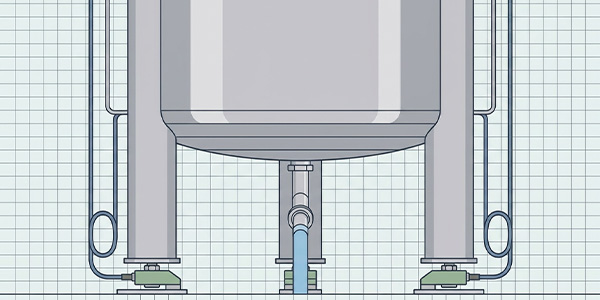
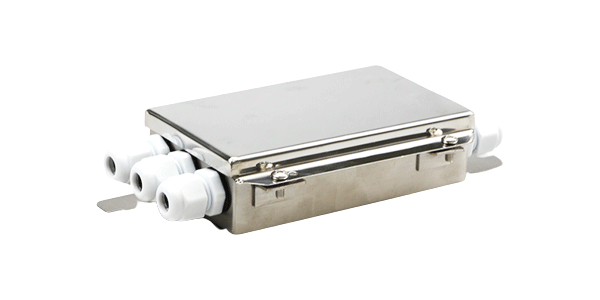
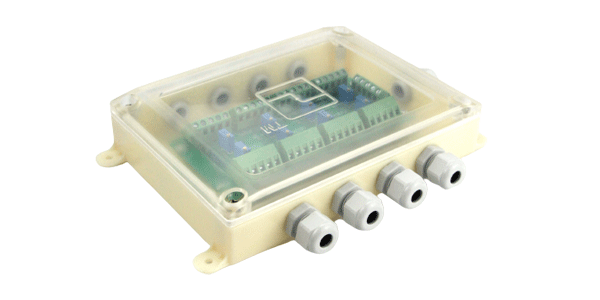
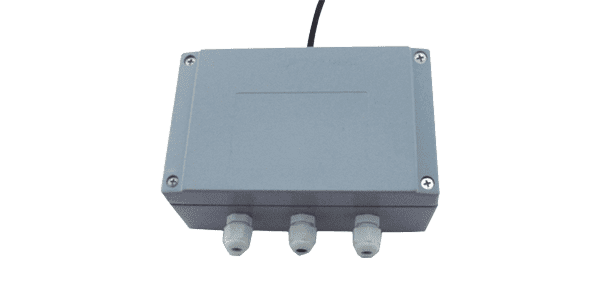
7. Load-Cell Group & Junction-Box Matching
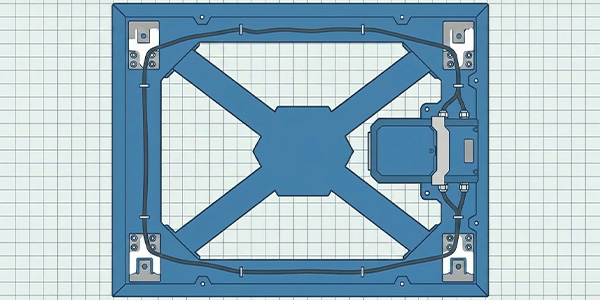
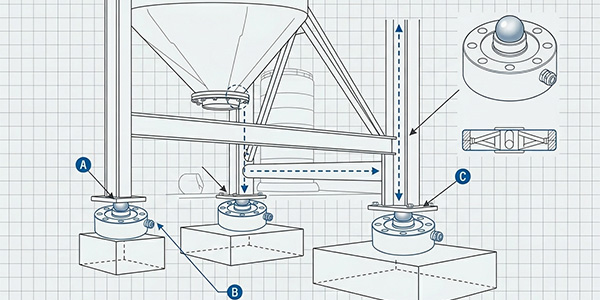
When multiple load cells are grouped together, a junction box is required. All load
cells in one group must use the same model — same capacity,
same accuracy class, same cable length, and same sensitivity.
Common junction-box configurations are 4-in-1, 6-in-1, 8-in-1 and 10-in-1. For systems with more than
10 load cells, multiple junction boxes can be combined in series.
See our junction-box selection
guide for typical wiring diagrams.
8. Load-Cell μV/d Matching with the Indicator
The matching formula between load cell and indicator is:
(Load-cell output sensitivity mV/V × Excitation voltage × Max capacity of the scale × 1000)
÷ (Number of scale divisions × Number of load cells × Capacity of a single load cell)
Unit: μV / d
For ease of calculation, the “max capacity of the scale” and the
“capacity of a single load cell” should be taken in the same unit
(e.g. both in kilograms or both in pounds).
Worked Example
Suppose a platform scale has a max capacity of 3 t with 3,000 divisions. It uses 4 × GSB205-1.5t load cells with a sensitivity of 2.0 mV/V. The indicator
chosen is the GSI404 with an excitation
voltage of 5 V.
2.0 mV/V × 5 V × 1000 × 3000 kg ÷
(3000 d × 4 × 1500 kg) = 1.67 μV/d
The GSI404 indicator has an input sensitivity of ≥ 1 μV/e,
and the scale is set so that d = e. Because 1.67 μV/d is
greater than 1 μV/e, the selected load cells fully satisfy the indicator’s
input-sensitivity requirement and the system is correctly matched.
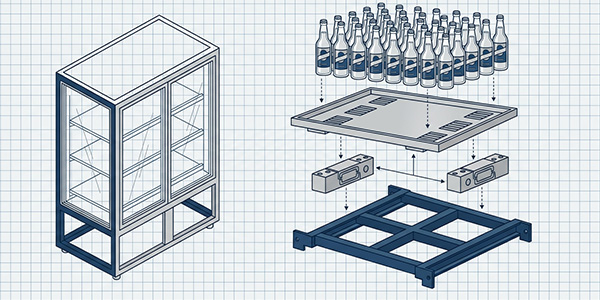
9. Matching the Number & Capacity of Load Cells to the Scale
The capacity of a load cell is determined by the scale’s maximum weighing value,
the number of load cells used, the self-weight of the platform, possible maximum
eccentric load, and dynamic load. All of these factors must be evaluated together.
Single Load Cell (Bench, Counting, Hanging Scales)
Load cell capacity ≈ (60% ~ 80%) × Carrier weight (scale body, container, hopper, etc.) + Max scale capacity
Multiple Load Cells (Platform, Truck, Rail Scales)
Use the standard weighing-design formula:
C = K0 × K1 × K2 × K3 × (Wmax + W) / N
-
C — Rated capacity of a single load cell
-
W — Self-weight of the carrier (scale body, platform, hopper, etc.)
-
Wmax — Maximum weighing capacity of the scale
-
N — Number of load cells used by the scale
-
K0 — Safety / insurance factor, typically 1.2 ~ 1.3
-
K1 — Impact / shock factor, typically 1.0 ~ 1.5
-
K2 — Center-of-gravity offset factor of the platform, typically 1.0 ~ 1.05
-
K3 — Wind / pressure factor, typically 1.0 ~ 1.05
In practice, the load cell should operate within roughly 50%–80% of its
rated capacity. For scales that experience large impact forces, however, the
load cell capacity should be increased so that it works in the 30%–60% range — this ensures both safety and long-term
measurement stability.
Recommended Load Cells for Commercial Weighing Systems
For Electronic Price-Computing Scales
Single-point load cells with capacities from 3 kg to 500 kg, ideal for retail counter scales.
|
Application
|
Model
|
Capacity
|
Accuracy
|
Dimensions (mm)
|
Recommended Platform
|
|
Electronic Price-Computing Scale
|
GPB100
|
3 ~ 120 kg
|
C2
|
130 × 30 × 22
|
250 × 350 mm
|
|
Electronic Price-Computing Scale
|
GPB100
|
3 ~ 40 kg
|
C3
|
130 × 30 × 22
|
250 × 350 mm
|
|
Electronic Price-Computing Scale
|
GPB100A
|
3 ~ 40 kg
|
C3
|
100 × 24 × 22
|
250 × 350 mm
|
|
Electronic Price-Computing Scale
|
GPB110
|
6 ~ 150 kg
|
C3
|
130 × 40 × 22
|
250 × 350 mm
|
|
Electronic Price-Computing Scale
|
GPB130
|
3 ~ 100 kg
|
C2
|
88 × 20 (30, 40) × 22
|
250 × 350 mm
|
|
Electronic Price-Computing Scale
|
GPB131
|
3 ~ 100 kg
|
C2
|
100 × 30 × 22
|
250 × 350 mm
|
|
Electronic Price-Computing Scale
|
GPB139
|
5 ~ 100 kg
|
C2
|
80 × 22 × 21
|
250 × 350 mm
|
|
Electronic Price-Computing Scale
|
GPB140
|
10 ~ 300 kg
|
C2
|
125 × 40 × 24
|
250 × 350 mm
|
Single-point load cells with capacities from 10 kg to 1,000 kg, ideal for warehouse platform scales.
|
Application
|
Model
|
Capacity
|
Accuracy
|
Dimensions (mm)
|
Recommended Platform
|
|
Electronic Platform Scale
|
GPB140
|
10 ~ 300 kg
|
C2
|
125 × 40 × 24
|
350 × 400 mm
|
|
Electronic Platform Scale
|
GPB144
|
60 ~ 350 kg
|
C3
|
150 × 35 × 40
|
400 × 400 mm
|
|
Electronic Platform Scale
|
GPB147
|
60 ~ 1,000 kg
|
C3
|
174 × 60 × 64
|
600 × 600 mm
|
|
Electronic Platform Scale
|
GPB149
|
75 ~ 600 kg
|
C2
|
150 × 40 × 40
|
400 × 400 mm
|
|
Electronic Platform Scale
|
GPB155
|
50 ~ 1,000 kg
|
C2
|
186 × 60 × 30
|
600 × 600 mm
|
For Electronic Balances — Parallel-Beam Load Cells
High-precision parallel-beam load cells, ideal for laboratory balances and precision weighing.
|
Application
|
Model
|
Capacity
|
Accuracy
|
Dimensions (mm)
|
Recommended Platform
|
|
Electronic Balance
|
GPB132
|
0.3 ~ 3 kg
|
C3
|
110 × 10 × 33
|
150 × 150 mm
|
|
Electronic Balance
|
GPB150
|
0.3 ~ 3 kg
|
C3
|
70 × 12 × 22
|
150 × 150 mm
|
|
Electronic Balance
|
GPB152
|
0.3 ~ 3 kg
|
C3
|
130 × 12 × 29
|
150 × 150 mm
|
For Truck Scales, Pit Scales, Floor Scales & Hanging Scales — Shear-Beam Load Cells
Alloy-steel shear-beam load cells for medium- and heavy-capacity commercial scales.
|
Application
|
Model
|
Capacity
|
Accuracy
|
Dimensions (mm)
|
Sensitivity
|
|
Electronic Platform / Hanging / Truck / Floor Scale
|
GSB205
|
0.1 ~ 3 t
|
C3
|
L130 × W31.8 × H31.8
|
2.0 mV/V
|
|
Electronic Platform / Hanging / Truck / Floor Scale
|
GSB205A
|
2.5 ~ 5 klb
|
C3
|
L130.05 × W31.32 × H31
|
3.0 mV/V
|
|
Electronic Platform / Hanging / Truck / Floor Scale
|
GSB205B
|
0.5 ~ 2 t
|
C3
|
L130 × W31.8 × H31.8
|
3.0 mV/V
|
|
Electronic Platform / Hanging / Truck / Floor Scale
|
GSB205C
|
7.5 ~ 10 t
|
C3
|
L222.2 × W50.8 × H50.8
|
3.0 mV/V
|
Optional Accessories for a Complete Weighing System
The following accessories turn individual load cells into a fully working weighing system.
|
Accessory
|
Model
|
Description
|
|
Junction Box
|
GJB201
|
4-in-1, stainless-steel enclosure
|
|
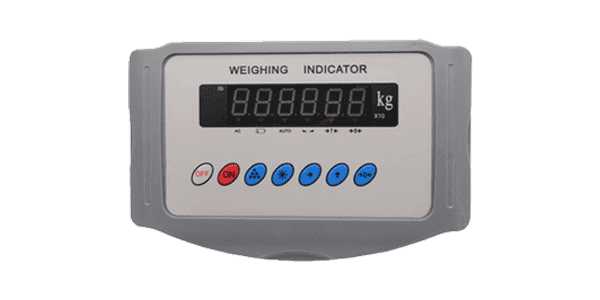
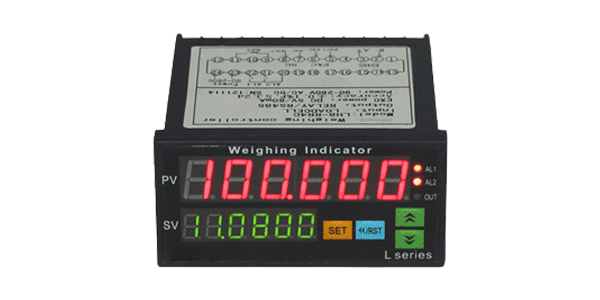
Weighing Indicator
|
GSI404-1
|
Accuracy class 3, max. 3,000 divisions, 6-digit LED display, sensor excitation
5 V, indicator power supply 220 V AC, supports up to 4 ×
350Ω or 8 × 700Ω load cells
|
Frequently Asked Questions
What load cell is best for a price-computing scale?
For retail price-computing scales with platforms up to 600×600 mm and
capacities of 3–500 kg, an aluminum parallel-beam single-point load
cell is the standard choice. The GPB100, GPB144 and GPB152 cover the full
capacity range.
How many load cells does a truck scale need?
An electronic truck scale typically uses 6–12 alloy-steel shear-beam,
bridge-type or column-type load cells, with capacities per cell chosen using C = K0×K1×K2×K3×(Wmax+W)/N.
What IP rating does a load cell need outdoors?
For outdoor or humid industrial environments, choose a fully-sealed welded
load cell with an IP rating of IP67 or higher; for long-term
use in damp or smoky areas, specify stainless-steel IP68 construction.
How do I match a load cell to an indicator?
Apply the μV/d formula to confirm the cell’s output per division exceeds the
indicator’s input sensitivity. A 1.67 μV/d cell is fully compatible with
a 1 μV/e indicator such as the GSI404.
Need Help Specifying the Right Load Cell?
Tell us your platform size, capacity, environment and accuracy requirement — our
engineers will recommend the matching load cell, junction box and indicator within
24 hours.