KEY TAKEAWAY
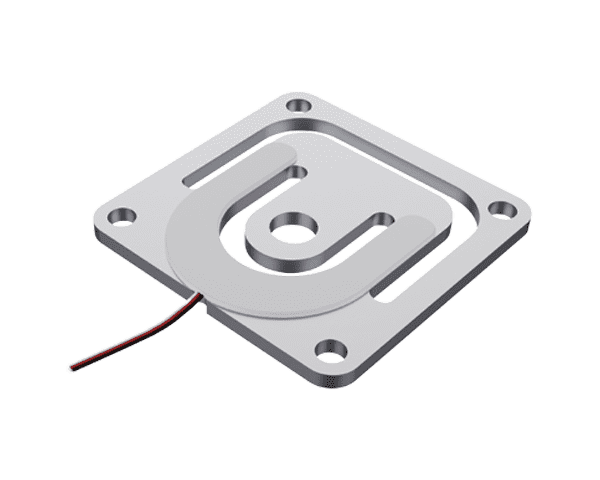
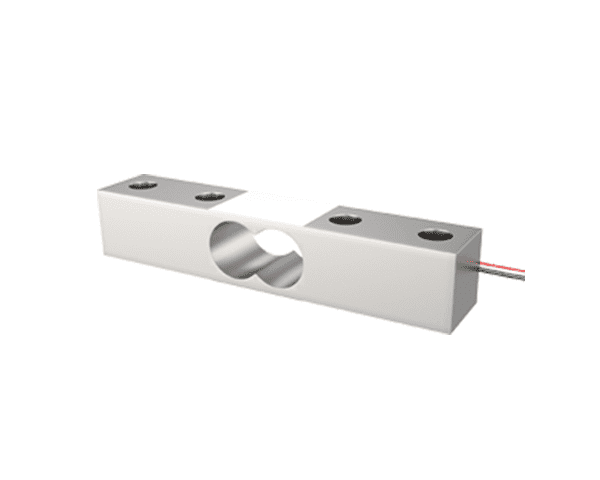
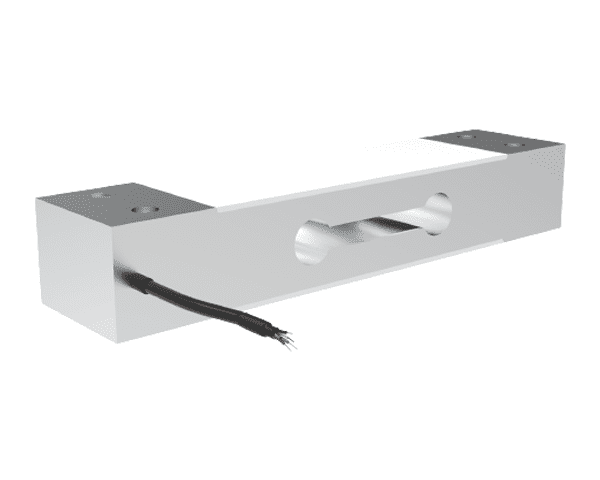
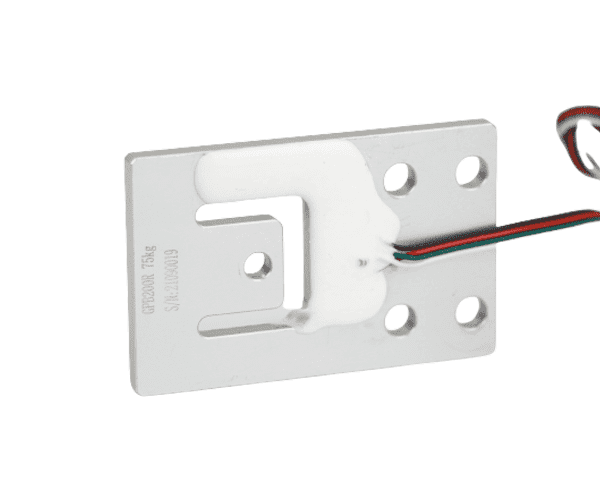
Beehive scales equipped with single-point parallel beam load cells let beekeepers monitor honey production in real time without opening the hive. GALOCE recommends three models selected by hive size and weight: the GPB100R (3–100 kg, C3, max platform 250×350 mm) for nucleus and small hives; the GPB144R (50–500 kg, C3, max platform 400×400 mm) for standard Langstroth production hives — explicitly validated for beehive scale applications; and the GPB149R (100–500 kg, C2, max platform 400×400 mm, anodized surface) as a cost-effective alternative for multi-hive commercial deployments. All three share IP65 protection, aluminum alloy construction, and off-center load tolerance for reliable outdoor apiary monitoring.
Beekeeping depends on knowing when honey is ready to harvest. Traditionally, beekeepers had to open hives and manually inspect each honeycomb frame — a process that is labor-intensive, time-consuming, and disruptive to the colony. Modern beehive scales solve this problem by placing a precision load cell beneath the hive, enabling continuous, non-intrusive weight monitoring. This article explains how beehive scales work, why single-point parallel beam load cells are the ideal sensor choice, and how to select the right model from the GALOCE GPB series for your hive monitoring system.
Why Is Accurate Honey Measurement Essential in Beekeeping?
In beekeeping, the beehive serves as the primary environment for bees to reproduce and produce honey. A typical full-depth Langstroth hive — the most common hive type worldwide — can weigh anywhere from 30 kg to over 90 kg when fully loaded with honey, bees, wax, and woodenware. Knowing the exact weight at any given time tells the beekeeper:
-
Honey accumulation rate: How fast bees are producing honey during the nectar flow season
-
Harvest timing: When honey has reached a sufficient level for extraction without disturbing the colony prematurely
-
Nectar dearth detection: Sudden weight drops indicate bees are consuming stored honey due to lack of forage
-
Swarm risk: A plateau in weight gain may signal overcrowding and imminent swarming
-
Winter survival monitoring: Track stored honey consumption during winter to ensure the colony has enough reserves
However, traditional beehives lack any built-in weighing device. Beekeepers often resort to manually lifting or tilting the hive to estimate weight by feel — an imprecise method that risks injury and provides no quantitative data.
The Drawbacks of Traditional Honey Harvesting Methods
|
Traditional Method
|
Problem
|
Impact on Colony
|
|
Manual frame inspection
|
Remove honeycomb frames one by one to check honey levels
|
Breaks propolis seals, disturbs brood temperature, triggers defensive behavior
|
|
Hefting (tilt-and-lift)
|
Lift one side of the hive to estimate weight by feel
|
Subjective, imprecise; risk of back injury; no historical data
|
|
Infrequent weighing
|
Use a bathroom scale under one side, occasionally
|
Disruptive, time-consuming; data too sparse to track production trends
|
|
Opening the lid
|
Visual inspection of honey supers through the top
|
Heat loss, pheromone disruption, increased robbing risk
|
Each unnecessary hive opening sets back honey production by hours or days as bees must re-stabilize temperature and re-seal the hive. Over a season, frequent inspections can reduce total honey yield by 5–15%. A continuous monitoring beehive scale eliminates this problem entirely.
How a Beehive Scale Works: Architecture & Principle
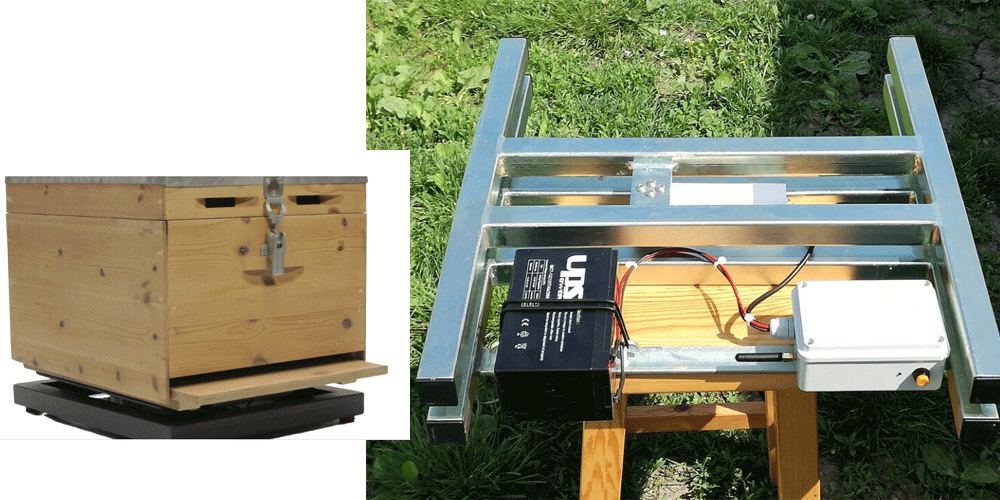
A beehive scale places a load cell beneath the hive structure. As bees produce honey, the hive's total weight increases. The load cell converts this mechanical force into an electrical signal, which is then processed and displayed or transmitted wirelessly. The original article outlines two system architectures:
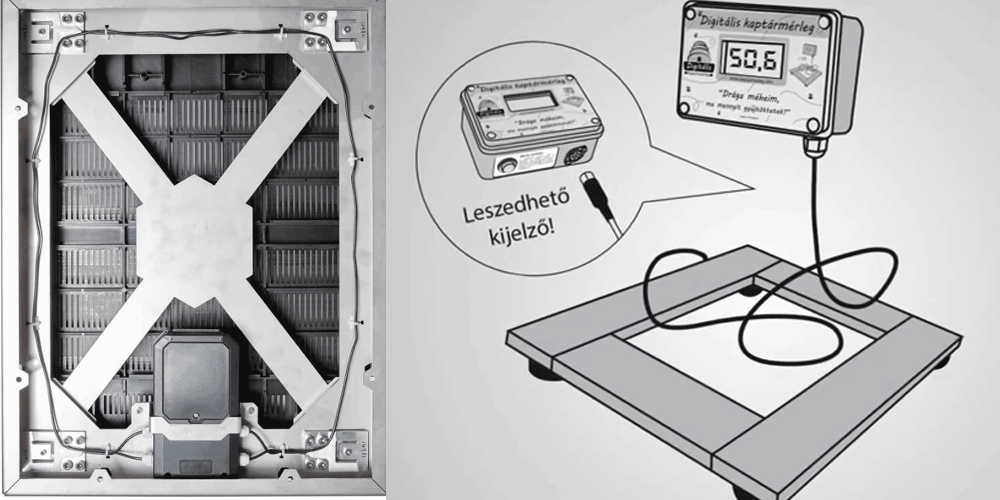
Option 1: On-Site Display System
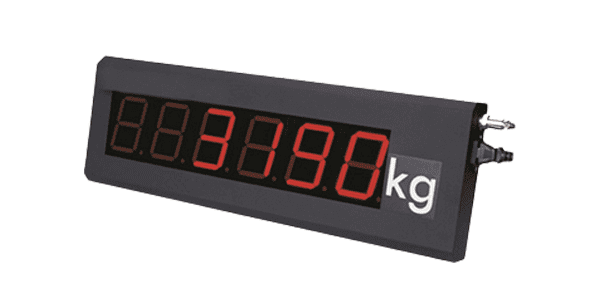
The beehive weighing system includes: load cell, base chassis, AD module, MCU, and display device. The beekeeper walks up to the hive and reads the weight directly on the display.
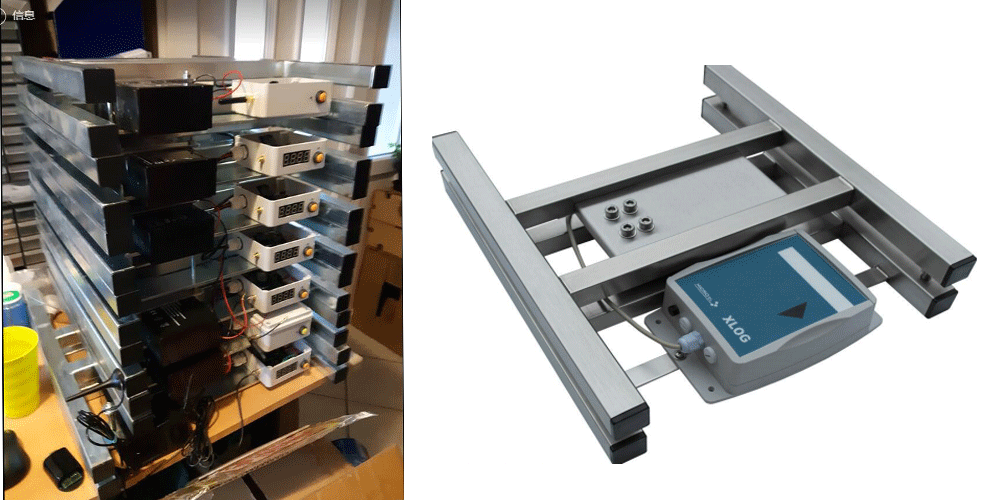
Option 2: Wireless Transmission System
The beehive weighing system includes: load cell, base chassis, and wireless module. Weight data is sent to a smartphone app or cloud dashboard, allowing the beekeeper to check hive weight from anywhere.
The complete signal chain in both architectures is:
|
Step
|
Component
|
Function
|
|
1
|
Load cell (GPB100R / GPB144R / GPB149R)
|
Converts hive weight into mV signal via strain gauge Wheatstone bridge
|
|
2
|
AD module (e.g., HX711)
|
Amplifies and digitizes the mV signal to 24-bit digital data
|
|
3
|
MCU (e.g., STM32, ESP32)
|
Processes digital data, applies calibration, outputs weight reading
|
|
4a
|
Display (Option 1)
|
LCD/LED screen shows real-time hive weight on-site
|
|
4b
|
Wireless module (Option 2)
|
LoRa / NB-IoT / Wi-Fi sends data to app or cloud platform
|
|
5
|
App / cloud dashboard
|
Historical trends, alerts, multi-hive management, harvest planning
|
Why Single-Point Parallel Beam Load Cells Are Ideal for Beehive Scales
Beehive scales operate outdoors in unpredictable conditions. The hive sits on the sensor base, and weight distribution shifts as bees move, honey accumulates unevenly, and wind sways the structure. All GALOCE GPB-series single-point load cells share a parallel beam structure that compensates for off-center loads — meaning one sensor beneath the hive can accurately measure total weight regardless of where the load is concentrated. The key advantages for beehive applications are:
|
Advantage
|
Why It Matters for Beehive Scales
|
|
Off-center load tolerance
|
Honey accumulation is never perfectly centered. Parallel beam design maintains accuracy even when load shifts across the platform — no 4-sensor junction box needed.
|
|
Single-sensor simplicity
|
One GPB-series sensor under the hive replaces a 4-sensor system — fewer wires, lower cost, simpler installation for remote apiaries.
|
|
Outdoor durability (IP65)
|
All three models are IP65 sealed — beehives sit in fields through rain, humidity, and temperature swings without sensor degradation.
|
|
Wide capacity range (3–500 kg)
|
From 5-frame nucleus colonies to commercial production hives with multiple supers — the GPB series covers every beehive scenario.
|
|
Aluminum alloy construction
|
Lightweight yet rigid — easy to transport and install in the field; anodized surface (GPB149R) adds extra corrosion resistance.
|
|
Low power consumption
|
The mV-level signal draws minimal power — critical for battery or solar-powered wireless monitoring stations in remote fields.
|
Recommended Load Cells: GPB Series for Beehive Scales
All three GPB-series models share the same parallel beam architecture, IP65 protection, and aluminum alloy construction — the choice depends on hive size, maximum expected weight, and platform dimensions. Here is a side-by-side comparison to help you select the right model:
|
Parameter
|
GPB100R
|
GPB144R (Recommended)
|
GPB149R
|
|
Capacity Range
|
3–100 kg
|
50–500 kg
|
100–500 kg
|
|
Accuracy Class
|
C3
|
C2 / C3
|
C2
|
|
Max Platform Size
|
250 × 350 mm
|
400 × 400 mm
|
400 × 400 mm
|
|
Material
|
Aluminum alloy (2A12)
|
Aluminum alloy
|
Aluminum alloy (anodized)
|
|
Protection Rating
|
IP65
|
IP65
|
IP65
|
|
Best Hive Application
|
Nucleus colonies, small hives (5-frame nuc)
|
Standard Langstroth production hives (1–3 supers)
|
Commercial multi-hive deployments, cost-sensitive
|
|
Beehive-Validated
|
Yes (bench/platform scale heritage)
|
Yes (explicitly listed for beehive scale use)
|
Yes (counting scale / smart shelf heritage)
|
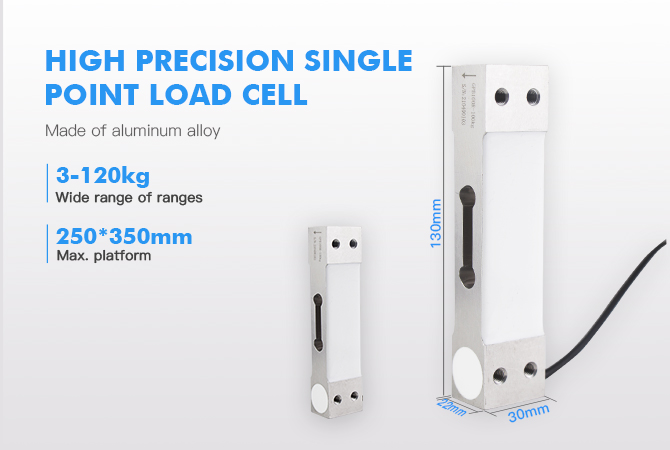
GPB100R — For Nucleus & Small Hives (3–100 kg)
The GPB100R is GALOCE's classic single-point load cell, engineered with a parallel beam structure for exceptional off-center load resistance. Crafted from anodized aluminum alloy (2A12), it delivers C3 accuracy — the highest grade in this comparison — making it ideal for beekeepers who need to detect very small daily honey gains (5–10 g) on lighter hives such as 5-frame nucleus colonies or queen-rearing boxes.
|
GPB100R Key Specifications
|
|
Capacity
|
3, 5, 8, 10, 15, 20, 30, 40, 50, 60, 80, 100 kg
|
|
Recommended for Beehive
|
15–30 kg (nucleus) / 50 kg (small hive)
|
|
Accuracy / Combined Error
|
C3 / ±0.02% F.S
|
|
Sensitivity
|
2.0 ± 0.2 mV/V
|
|
Dimensions
|
130 × 30 × 22 mm
|
|
Max Platform
|
250 × 350 mm
|
|
Operating Temperature
|
-10 °C ~ +40 °C
|
GPB100R — Best For: Precision Nucleus Monitoring
-
C3 accuracy — highest grade, detects daily honey gains as small as 5 g
-
Compact size (130×30×22 mm) — fits under small nuc boxes without modification
-
15–50 kg range — ideal for 5-frame nucleus colonies and queen-rearing hives
-
Lowest cost per unit — economical for equipping many small hives
Learn more: GPB100R Product Page
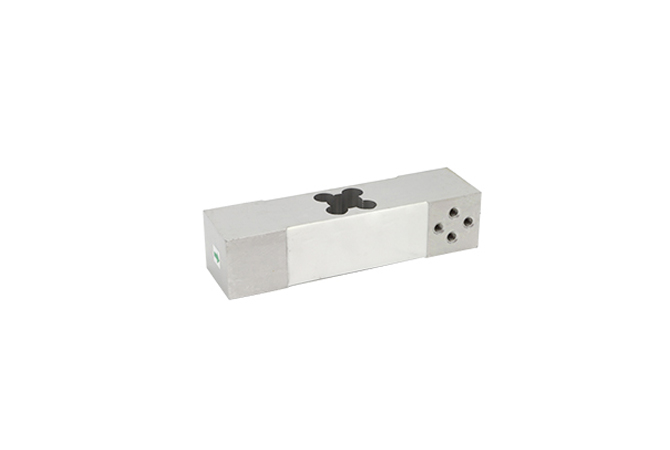
GPB144R — For Standard Production Hives (50–500 kg) ★ Recommended
The GPB144R is GALOCE's best-selling single-point load cell and is explicitly validated for beehive scale applications. With a capacity range of 50–500 kg and a recommended maximum platform of 400×400 mm, it perfectly matches the footprint and weight of a standard Langstroth production hive (which can reach 80–90 kg with 2–3 honey supers). Available in both C2 and C3 accuracy grades, it offers the flexibility to balance precision and cost based on your monitoring requirements.
|
GPB144R Key Specifications
|
|
Capacity
|
50, 60, 80, 100, 150, 200, 250, 300, 350, 500 kg
|
|
Recommended for Beehive
|
100 kg (standard hive) / 150–200 kg (commercial hive with supers)
|
|
Accuracy
|
C2 / C3 (selectable)
|
|
Material
|
Aluminum alloy
|
|
Max Platform
|
400 × 400 mm
|
|
Protection Rating
|
IP65
|
|
Application
|
Beehive scale, electronic counting scales, platform scales, smart shelves
|
GPB144R — Best For: Standard Langstroth Production Hives
-
Explicitly validated for beehive scale — listed as a primary application by GALOCE
-
100 kg capacity — covers full Langstroth hive with 2–3 supers (80–90 kg) with 20% safety margin
-
400×400 mm platform — matches standard 10-frame Langstroth bottom board footprint
-
C2/C3 selectable accuracy — choose C3 for research-grade monitoring or C2 for cost-effective commercial deployment
-
Proven track record — hot-selling model with established beehive scale installations
Learn more: GPB144R Product Page
GPB149R — Cost-Effective Alternative for Commercial Deployments (100–500 kg)
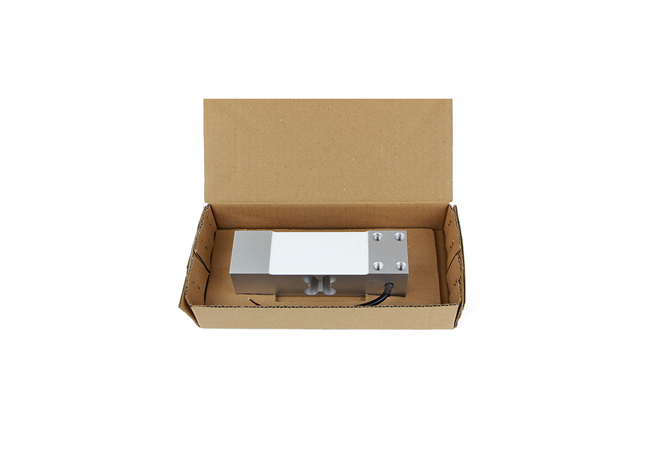
The GPB149R shares the same 400×400 mm platform capacity as the GPB144R but features an anodized surface for enhanced corrosion resistance and an integral structure for simplified installation. With C2 accuracy, it is the cost-effective choice when deploying beehive scales across a large number of hives — for example, commercial pollination operations monitoring 50–200 colonies where absolute precision is less critical than overall trend tracking.
|
GPB149R Key Specifications
|
|
Capacity
|
100, 200, 500 kg
|
|
Recommended for Beehive
|
100–200 kg (standard to commercial hives)
|
|
Accuracy
|
C2
|
|
Material / Surface
|
Aluminum alloy, anodized & anti-corrosion
|
|
Max Platform
|
400 × 400 mm
|
|
Structure
|
Integral structure, easy installation
|
|
Application
|
Electronic counting scales, platform scales, smart shelves, beehive scales
|
GPB149R — Best For: Large-Scale Commercial Deployments
-
Anodized surface — extra corrosion resistance for long-term outdoor exposure
-
Integral structure — simplified mounting, fewer assembly parts in the field
-
Same 400×400 mm platform as GPB144R — drop-in replacement for standard hives
-
C2 accuracy at lower cost — ideal when monitoring weight trends across many hives rather than precision per-hive
-
100–200 kg capacity — handles full production hives with margin
Learn more: GPB149R Product Page
Which Model Should You Choose? Selection Guide by Hive Type
The right model depends on your hive type, maximum expected weight, and how many hives you plan to equip. Here is a practical selection guide:
|
Hive Type
|
Typical Weight
|
Hive Footprint
|
Recommended Model
|
Why
|
|
5-frame nucleus colony
|
10–25 kg
|
~ 500×200 mm
|
GPB100R (15–30 kg)
|
C3 precision detects small daily changes; compact platform matches nuc box
|
|
Single deep Langstroth (no super)
|
25–45 kg
|
~ 510×410 mm
|
GPB100R (50 kg) or GPB144R (50 kg)
|
Both work; GPB100R for precision, GPB144R for platform fit
|
|
Standard production hive (1–2 supers)
|
45–70 kg
|
~ 510×410 mm
|
GPB144R (100 kg)
|
100 kg capacity with 20% margin; 400×400 platform matches footprint
|
|
Heavy production hive (3+ supers)
|
70–95 kg
|
~ 510×410 mm
|
GPB144R (150 kg)
|
150 kg for heavy hives; validated beehive application
|
|
Commercial pollination (50+ hives)
|
45–95 kg each
|
~ 510×410 mm
|
GPB149R (100 kg)
|
Lowest cost per unit; anodized surface for multi-season durability; trend monitoring sufficient
|
Rule of thumb: Always select a capacity at least 20% higher than the maximum expected hive weight. For a 75 kg full production hive, use a 100 kg load cell. For a 90 kg hive with 3 supers, step up to 150 kg.
Beehive Scale System Types & Configuration Comparison
Different beekeeping operations require different monitoring approaches. Here is a comparison of the most common beehive scale configurations — all compatible with the GPB series:
|
Type
|
Architecture
|
Best For
|
Recommended Model
|
|
On-site display scale
|
Load cell + AD module + MCU + LCD display
|
Small apiaries, hobbyist beekeepers, periodic checks
|
GPB100R or GPB144R
|
|
Wireless IoT scale (LoRa)
|
Load cell + AD module + MCU + LoRa module
|
Remote apiaries, long-range (2–15 km), low power, multi-hive
|
GPB144R (standard) / GPB149R (commercial)
|
|
Cellular scale (NB-IoT/4G)
|
Load cell + AD module + MCU + NB-IoT/4G module
|
Commercial operations, cloud dashboard, anywhere with cell coverage
|
GPB144R or GPB149R
|
|
Solar-powered remote scale
|
Load cell + ultra-low-power MCU + LoRa + solar panel + battery
|
Off-grid locations, no maintenance for entire season
|
GPB144R (C2 for lower power budget)
|
|
Nucleus hive monitor
|
Compact load cell + mini display or BLE module
|
Small nuc boxes (5-frame), queen rearing, swarm prevention
|
GPB100R (15–30 kg)
|
Interpreting Beehive Weight Data: What the Numbers Tell You
The true value of a beehive scale lies not in a single weight reading, but in the weight trend over time. Here is what beekeepers can learn from the data:
|
Weight Pattern
|
What It Means
|
Beekeeper Action
|
|
Steady daily increase (0.5–2 kg/day)
|
Strong nectar flow — bees are producing honey
|
Add honey supers as needed; prepare for harvest
|
|
Sudden weight drop (1–3 kg overnight)
|
Nectar dearth or robbing — bees consuming stored honey
|
Supplemental feeding; reduce entrance to prevent robbing
|
|
Weight plateau (no change for 3+ days)
|
Nectar flow ended, or hive may be preparing to swarm
|
Inspect for swarm cells; check for queen issues
|
|
Gradual winter decline (0.1–0.3 kg/day)
|
Normal winter consumption of stored honey
|
Monitor reserves; emergency feed if dropping below 15 kg
|
|
Sudden large drop (5+ kg in hours)
|
Swarm has departed, or hive knocked over by animals/wind
|
Immediate physical inspection required
|
|
Daily fluctuation (±0.2–0.5 kg)
|
Forager bees leaving and returning; normal activity
|
No action — use daily average or midnight reading for accuracy
|
Pro tip: Record weight at the same time each day (ideally just before dawn when all bees are inside) to eliminate foraging fluctuation. The midnight reading gives the most accurate hive + colony weight.
Installation & Wiring Guide
Mechanical Installation (All GPB Models)
-
Base chassis: Build a rigid flat base (steel or hardwood) slightly larger than the hive footprint. The base must sit level on the ground — use adjustable feet on uneven terrain.
-
Load cell mounting: Bolt the sensor's fixed end to the base chassis using appropriate screws (M6 for GPB100R; check datasheet for GPB144R/GPB149R). Attach the loading end to a support plate that the hive sits on.
-
Hive placement: Center the hive on the support plate. The hive's weight should rest entirely on the load cell — no contact with the ground or base sides.
-
Level check: Use a spirit level to ensure the hive sits perfectly horizontal. Tilted installation causes off-axis loads and reading errors.
-
Cable protection: Route the sensor cable through a flexible conduit to prevent damage from rodents, weather, or hive tools. Keep cable runs away from the hive entrance.
-
Weather shielding: Install a small drip shield over the load cell to prevent direct rain exposure, even though IP65 provides water-jet resistance.
-
Overload protection: Select a capacity at least 20% higher than the maximum expected hive weight. For a 75 kg full hive, use a 100 kg load cell (GPB144R); for a 90 kg hive, use 150 kg.
Wiring (4-Wire Analog to HX711 ADC — All GPB Models)
|
Wire Color
|
Function
|
Connects To
|
|
Red
|
Excitation (+)
|
HX711 E+ pin
|
|
Black
|
Excitation (−)
|
HX711 E− pin
|
|
Green
|
Signal (+)
|
HX711 A+ pin
|
|
White
|
Signal (−)
|
HX711 A− pin
|
|
Shield
|
Ground
|
MCU GND / chassis ground
|
5-Step Calibration
-
Step 1 — Zero calibration: Power on with an empty support plate (no hive). Record the ADC zero-point reading. This becomes the tare weight.
-
Step 2 — Span calibration: Place a certified test weight (e.g., 20 kg, traceable) on the support plate. Record the ADC span reading and calculate the scale factor.
-
Step 3 — Verification: Place a second known weight (e.g., 10 kg) to verify linearity. Error should be within the load cell's rated accuracy (C3: ±0.02% F.S; C2: ±0.03% F.S).
-
Step 4 — Hive installation: Place the hive on the support plate. Record the initial hive weight as the baseline. This is your "Day 0" reference.
-
Step 5 — Daily monitoring: Record weight at the same time each day. Calculate daily change = today's weight − yesterday's weight. Positive = honey gain; negative = consumption or loss.
Market Trends: The Future of Smart Beekeeping
-
Precision beekeeping: IoT-connected hive scales with cloud dashboards enable data-driven hive management — treating each colony individually based on real-time weight, temperature, and acoustic data.
-
Solar-powered remote monitoring: Off-grid beehive scale stations with solar panels and LoRa/NB-IoT modules enable season-long monitoring in remote locations with zero maintenance.
-
AI-assisted analysis: Machine learning models trained on hive weight trends can predict swarming events, estimate harvest timing, and alert beekeepers to colony health issues days before they become visible.
-
Multi-sensor integration: Modern smart hives combine load cells with temperature, humidity, and acoustic sensors — the load cell remains the foundational measurement for honey production tracking.
-
Mobile app ecosystems: Beekeeping apps now integrate hive scale data with weather forecasts, nectar flow maps, and colony management records — turning raw weight numbers into actionable insights.
-
Commercial scale-up: Commercial pollination operations (almonds, blueberries) deploy hundreds of networked hive scales to monitor colony strength across vast orchard operations — driving demand for cost-effective models like the GPB149R.
Frequently Asked Questions
Q1: Which GPB model should I choose for my beehive?
It depends on your hive size and weight. For 5-frame nucleus colonies (10–25 kg), choose the GPB100R (15–30 kg, C3 precision). For standard Langstroth production hives with 1–3 supers (45–95 kg), choose the GPB144R (100–150 kg) — it is explicitly validated for beehive scale applications. For commercial deployments monitoring many hives where trend tracking is more important than absolute precision, the GPB149R (100 kg, C2, anodized surface) offers the best cost-per-unit. Always select a capacity at least 20% higher than the maximum expected weight.
Q2: Can one load cell accurately weigh the entire hive?
Yes. All GPB-series models use a parallel beam structure that compensates for off-center loads. As long as the hive's entire weight rests on the sensor's loading platform (up to 250×350 mm for GPB100R, 400×400 mm for GPB144R/GPB149R), one sensor provides accurate readings regardless of where the weight is concentrated.
Q3: What is the difference between C2 and C3 accuracy, and does it matter for beehives?
C3 is a higher OIML accuracy grade than C2 (±0.02% F.S vs ±0.03% F.S combined error). For research-grade monitoring where you need to detect daily honey gains of 5–10 g, C3 (GPB100R or GPB144R C3 option) is recommended. For commercial operations tracking overall weight trends across many hives, C2 (GPB149R) is perfectly sufficient and more cost-effective.
Q4: Will rain damage the load cell?
All three GPB models are rated IP65 (dust-tight, water-jet resistant), so they withstand rain and humidity. The GPB149R's anodized surface adds extra corrosion resistance for multi-season outdoor deployment. However, for long-term outdoor use, we recommend adding a simple drip shield over the sensor to extend service life.
Q5: How often should I calibrate the beehive scale?
Initial calibration is done at installation. For continuous outdoor monitoring, verify calibration at the start of each beekeeping season (typically early spring) using a known test weight. All GPB models have low creep values, ensuring minimal drift over months of use.
Q6: Can I mix different GPB models in the same apiary?
Absolutely. Many beekeepers use GPB100R sensors under nucleus colonies and GPB144R sensors under production hives in the same apiary. All models output the same 2.0 mV/V analog signal and connect to the same HX711 ADC and MCU. Each scale is calibrated independently, so mixed deployments work seamlessly with a unified app or cloud dashboard.
Build Your Smart Beehive Scale with GALOCE
Get samples, technical drawings, and engineering support for the GPB100R, GPB144R, and GPB149R — validated in beehive scale applications worldwide.
GPB100R GPB144R GPB149R Get a Quote
Beehive scales with load cells give beekeepers precise honey measurements without disturbing bees. This technology transforms honey monitoring, making beekeeping more efficient and promoting colony health. GALOCE is committed to bridging the gap from idea to reality, providing accurate and effective weighing solutions for various industries. If you have any idea related to weighing, feel free to contact us — we will do our best to satisfy you.