Key Takeaway
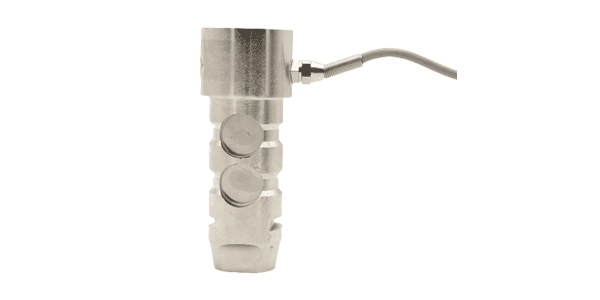
Medical bed weighing systems enable continuous weight monitoring for critically ill patients without transferring them from the bed. Four compression-type load cells — typically parallel beam or planar beam — are installed at the bed's support legs. The GPB200R planar beam (7.5–600 kg) and GPB144R single-point (50–500 kg) from GALOCE offer aluminum-alloy construction, IP65 protection, and sensitivities of 2.0 mV/V, making them ideal for accurate, long-term medical bed weighing.
Why Weight Monitoring Matters in Medical Beds
Weight is a critical medical physiological indicator that plays an essential role in guiding clinical diagnosis, particularly for critically ill patients. Continuous weight monitoring helps physicians detect fluid overload or dehydration early, enabling prompt intervention and treatment adjustment. For patients who require long-term bed rest in intensive care units (ICU), step-down units, or geriatric wards, transferring them to a standalone scale is impractical and risky — which is why hospitals increasingly adopt bed-integrated weighing systems.
Key clinical scenarios where bed weighing provides value include:
-
Dialysis patients: Tracking fluid removal during hemodialysis by measuring weight changes before, during, and after sessions.
-
Burn victims: Monitoring fluid resuscitation and preventing hypovolemia or hypervolemia.
-
Neonatal and pediatric ICU: Measuring minute weight changes in infants who cannot be moved safely.
-
Geriatric care: Detecting malnutrition, dehydration, or sudden edema through trend analysis.
-
Critical care: Calculating drug dosages based on real-time body weight rather than estimated values.
A well-designed medical bed weighing system typically achieves resolution of 0.1 kg or better, with repeatability within ±0.02% of full scale — meeting the precision requirements of modern clinical protocols.
Medical Bed Weighing System Architecture
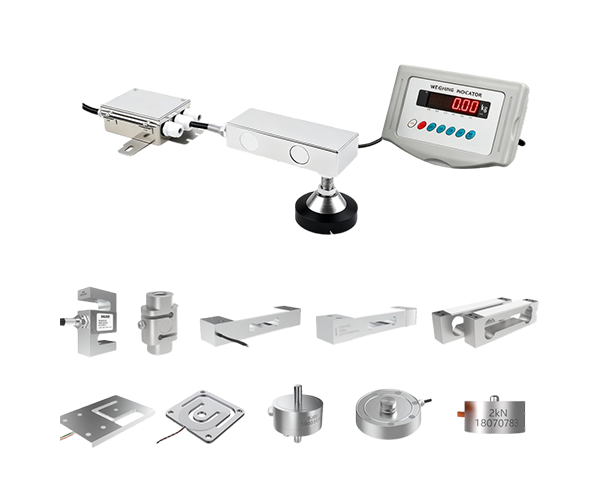
A complete medical bed weighing system consists of the following components, each serving a distinct function in the measurement chain:
|
Component
|
Function
|
Typical Specification
|
|
Medical Bed Frame
|
Structural support; integrates sensor mounting points at four corner legs
|
Steel, load capacity ≥300 kg
|
|
Load Cells (×4)
|
Convert mechanical force (weight) into electrical signals via strain gauges
|
Parallel/planar beam, 2.0 mV/V, IP65
|
|
Junction Box
|
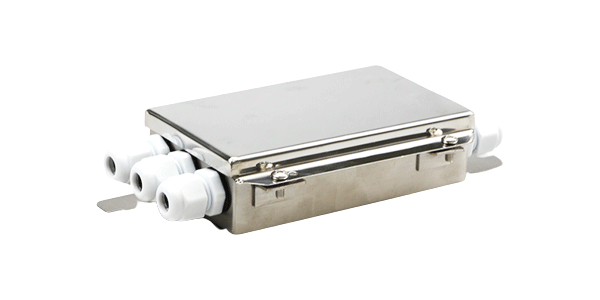
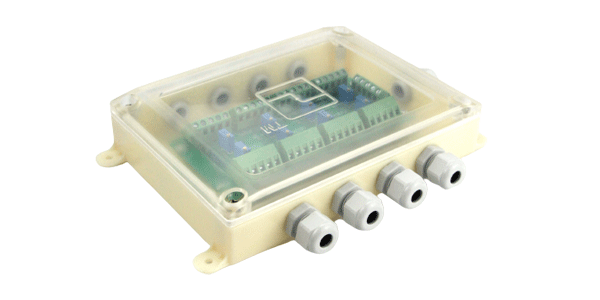
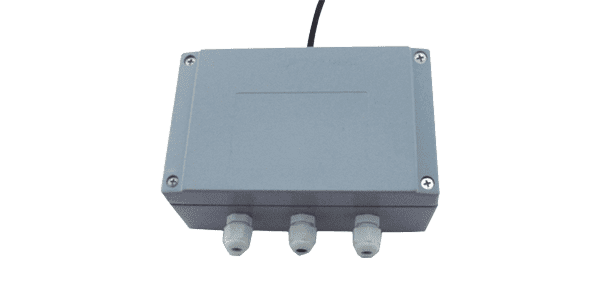
Summation of four sensor signals into one combined output; trim corner errors
|
4-channel, adjustable potentiometer
|
|
A/D Converter / Transmitter
|
Digitize analog mV signal to RS232/RS485/USB for microcontroller interface
|
24-bit ADC, 80–200 SPS
|
|
Microcontroller / MCU
|
Process digital data, apply calibration curves, compute weight, drive display
|
STM32/ESP32 class, firmware-tunable
|
|
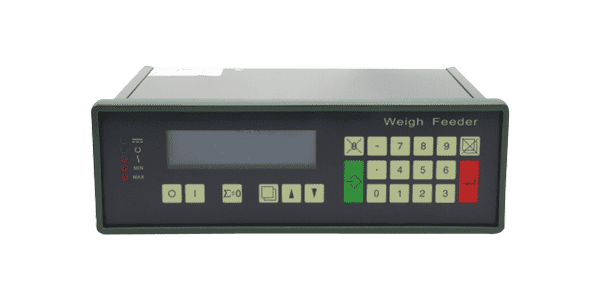
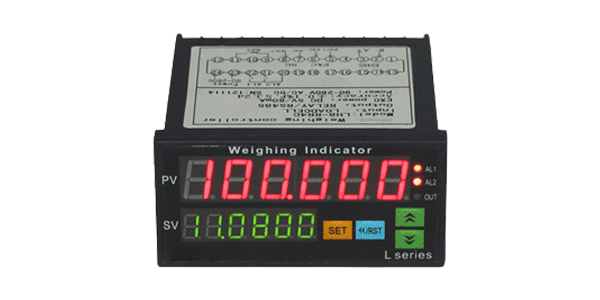
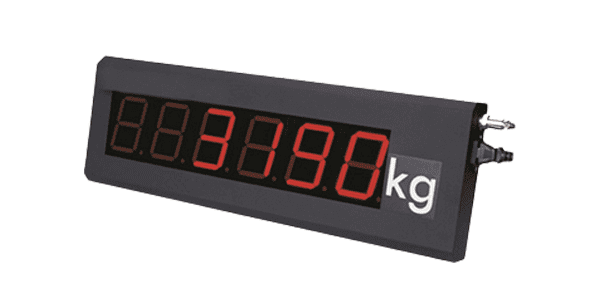
Display Screen
|
Show real-time weight, trend graphs, alarm thresholds
|
LCD/OLED, 0.1 kg resolution
|
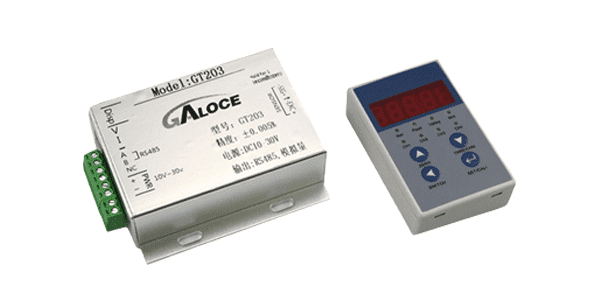
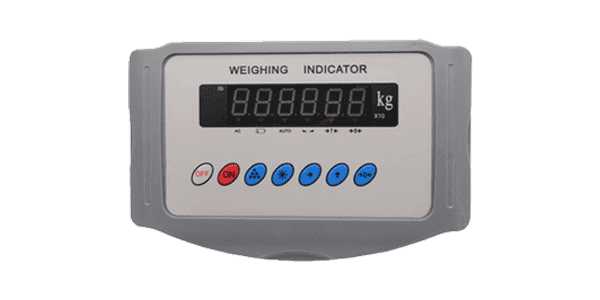
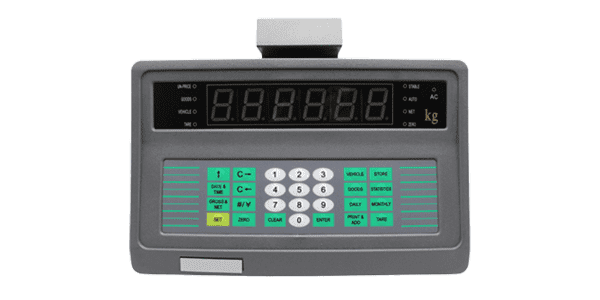
GALOCE supplies the load cell and junction box components. The A/D converter, microcontroller, and display screen are typically sourced by the system integrator or hospital equipment manufacturer according to their specific platform requirements.
Load Cell Selection for Medical Bed Weighing
Sensor Type: Compression vs. Tension
The selection of load cell structure and form depends primarily on the scale body design and the operating environment. Resistance strain gauge load cells are broadly classified into compression-type and tension-type. For medical bed weighing, compression-type sensors are the standard choice because the bed applies downward force through its support legs. Common compression structures include:
-
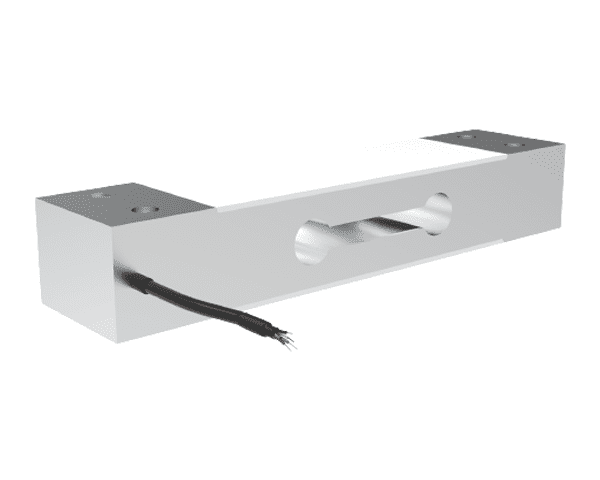
Parallel beam (planar beam): Low profile, excellent off-center load compensation, ideal for low-height medical beds. Sensitivity: 2.0 mV/V.
-
Single-point load cell: Supports full-capacity weighing with a single unit (no junction box needed), but four-unit configurations are also common for redundancy and even load distribution.
-
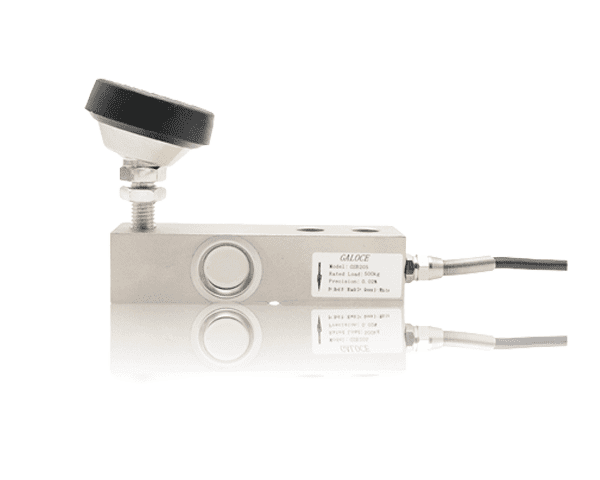
Shear beam: Higher capacity range, robust against lateral forces. Sensitivity: typically 3.0 mV/V. Used in bariatric beds.
-
Bellow beam: Compact with good sealing, suitable for humid or sterilized environments.
Capacity Range Calculation
When selecting the rated capacity of each load cell, you must account for the bed frame weight, mattress, accessories, patient weight, and dynamic factors such as vibration, impact, and offset loading. The general sizing rule is:
Rated load per sensor ≥ (Fixed load + Variable load) / Number of sensors × 1.5 safety factor
Worked example: A standard medical bed with a weighing frame weighs 60 kg, the patient weighs up to 270 kg, and the system uses 4 load cells. The total load per sensor is (60 + 270) / 4 = 82.5 kg. With a 1.5× safety factor, each sensor should be rated for at least 124 kg — so a 150 kg or 200 kg capacity sensor is selected.
Number of Load Cells
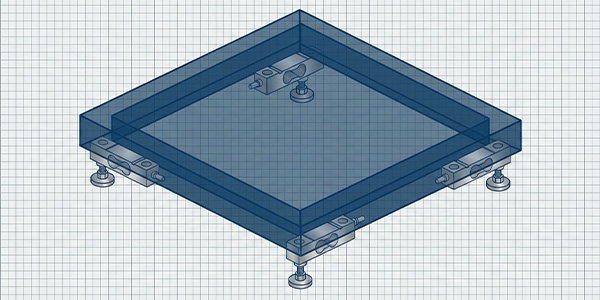
Medical beds generally use four load cells — one at each corner leg. This configuration provides:
-
Even load distribution across all four support points
-
Improved accuracy through signal summation
-
Tolerance to patient movement and position shifts (off-center loading)
-
Redundancy — if one sensor drifts, the system can detect and alarm
Output Voltage Range
The sensitivities of parallel beam and shear beam load cells are generally 2.0 mV/V and 3.0 mV/V respectively. The theoretical maximum output voltage is calculated as:
Max output (mV) = Excitation voltage (V) × Sensitivity (mV/V)
Example: Excitation = 10 V, Sensitivity = 2.0 mV/V → Max output = 10 × 2.0 = 20 mV at full capacity
If the sensor's rated capacity is 400 kg and the measured weight (patient + bed frame) is 280 kg, the corresponding output voltage is 280 × 20 / 400 = 14 mV. Accounting for the bed frame tare weight of 60 kg (contributing 3 mV), the system's net signal range is approximately 3 mV to 14 mV, which the A/D converter amplifies and digitizes for the microcontroller.
Recommended Load Cells for Medical Bed Weighing
Based on the capacity, profile, and accuracy requirements of medical bed weighing, GALOCE recommends two models from its proven single-point and planar beam product lines:
|
Parameter
|
GPB200R (Planar Beam)
|
GPB144R (Single Point)
|
|
Type
|
Planar beam load cell
|
Single point load cell
|
|
Capacity Range
|
7.5, 15, 30, 75, 150, 300, 600 kg
|
50, 60, 80, 100, 150, 200, 250, 300, 350, 500 kg
|
|
Material
|
Aluminum alloy
|
Aluminum alloy
|
|
Sensitivity
|
2.0 mV/V
|
2.0 mV/V
|
|
Protection
|
IP65
|
IP65
|
|
Usage Mode
|
Single unit or multi-unit combination
|
Single unit or multi-unit combination
|
|
Certifications
|
ISO9001, CE, RoHS
|
ISO9001, CE, RoHS
|
|
Best For
|
Low-profile medical beds, infant/adult medical scales
|
Platform scales, heavy-duty bariatric beds
|
|
Product Page
|
View GPB200R Details →
|
View GPB144R Details →
|
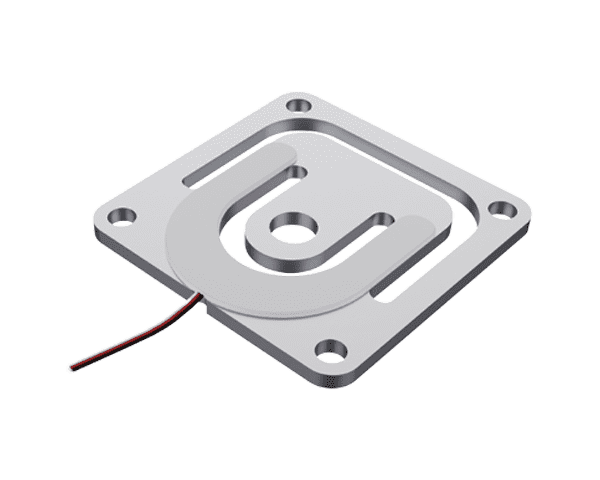
GPB200R — Planar Beam Load Cell
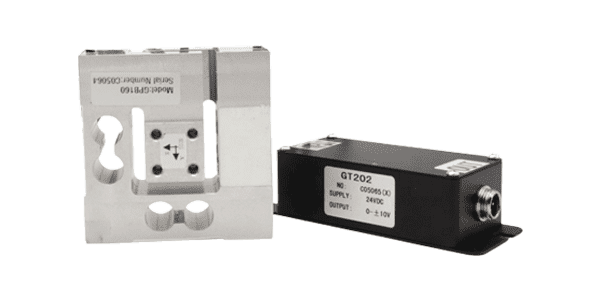
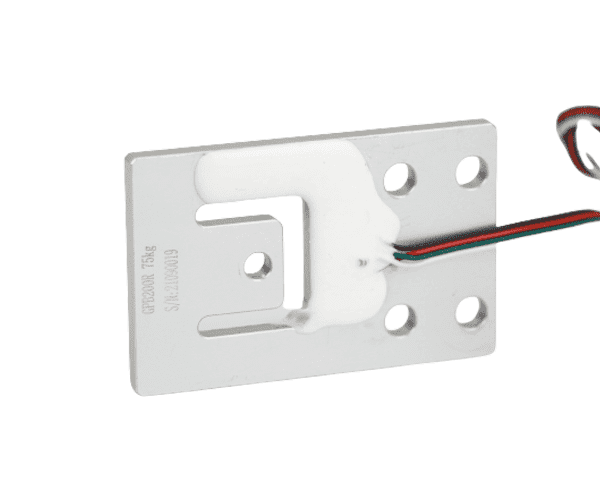
The GPB200R is a low-profile planar beam load cell designed specifically for applications where height is constrained — making it the first choice for medical beds with limited clearance under the frame. Its parallel beam structure provides excellent off-center load compensation, meaning patient movement on the bed does not significantly affect measurement accuracy. With capacities from 7.5 kg to 600 kg, it covers the full range from neonatal to bariatric beds. The aluminum-alloy body ensures corrosion resistance in clinical environments, and the IP65 rating protects against liquid ingress during bed cleaning and disinfection.

Product Card
GPB200R Planar Beam Load Cell
Range: 7.5–600 kg | Sensitivity: 2.0 mV/V | IP65 | Aluminum alloy
Ideal for: low-profile infant and adult medical scales, low-profile platform scales, personal scales, airport baggage scales, postal scales, medical equipment, test & measurement.
View Full Specifications →
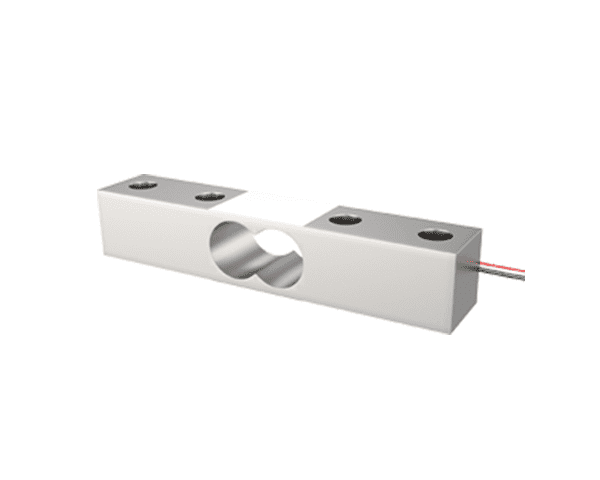
GPB144R — Single Point Load Cell
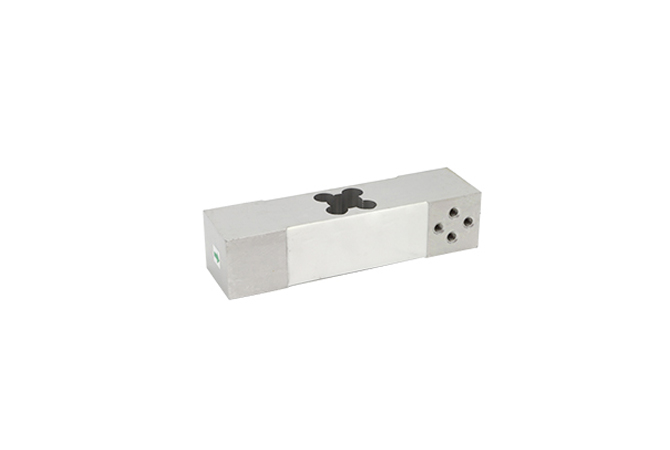
The GPB144R is a single-point load cell with a wide capacity range of 50–500 kg. It can be used individually (without a junction box) for compact weighing modules, or in a four-sensor configuration for full medical bed integration. The larger capacity options (300, 350, 500 kg) are well suited for bariatric beds that must accommodate heavier patients. The aluminum-alloy construction with IP65 sealing ensures durability in hospital environments where frequent cleaning and chemical exposure occur.
Product Card
GPB144R Single Point Load Cell
Range: 50–500 kg | IP65 | Aluminum alloy | ISO9001, CE, RoHS
Ideal for: electronic counting scales, platform scales, and other small-size electronic weighing devices including medical bed weighing systems.
View Full Specifications →
Load Cell Installation Guide
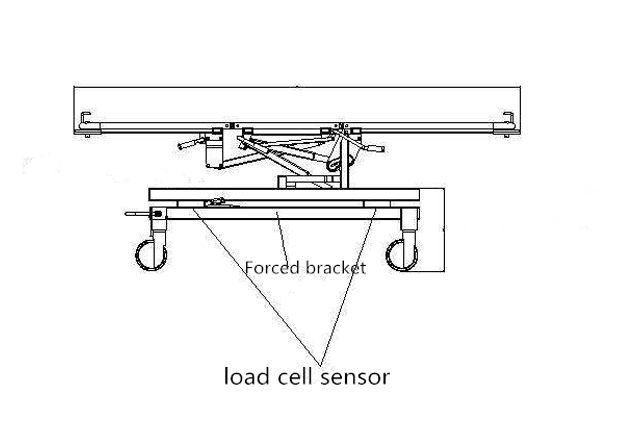
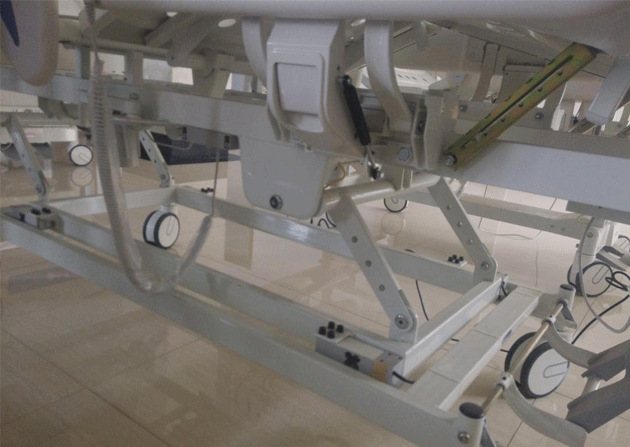
Four sensors are generally installed on the bracket at the bottom of the hospital bed. Each sensor is mounted with one end fixed (bolted to the bed frame) and one end loaded (supporting the leg that contacts the floor). This configuration is shown in the diagram below:
Key installation considerations:
-
Level surface: Ensure the floor or mounting bracket is level. Uneven surfaces introduce preload errors and reduce accuracy.
-
Mechanical isolation: Use rubber or silicone dampers between the sensor and frame to absorb vibrations from adjustable bed motors.
-
Cable routing: Route sensor cables along the bed frame using cable clips. Avoid sharp bends and keep cables away from moving parts.
-
Junction box placement: Mount the junction box in a protected location under the bed, accessible for calibration but shielded from liquids.
-
Four-corner calibration: After installation, place a known test weight at each corner sequentially and adjust the junction box potentiometers to equalize outputs.
Wiring Guide
Each load cell uses a 4-wire (or 6-wire with sense feedback) cable with the standard color code:
|
Wire Color
|
Function
|
Junction Box Terminal
|
|
Red
|
Excitation + (E+)
|
E+ (common bus)
|
|
Black
|
Excitation − (E−)
|
E− (common bus)
|
|
Green
|
Signal + (S+)
|
S+ (per-channel, via trim pot)
|
|
White
|
Signal − (S−)
|
S− (common bus)
|
For 4-sensor systems, all four E+ wires connect to the same bus, all four E− wires to another bus, and all four S− wires to a third bus. The four S+ wires each pass through an individual potentiometer for corner trimming, then join the S+ output bus that feeds the A/D converter.
Calibration and Maintenance
To maintain clinical-grade accuracy, medical bed weighing systems should be calibrated and maintained on a regular schedule:
-
Tare calibration: Zero the system with the bed empty (no patient, no bedding) to establish the baseline. Re-tare whenever the mattress or accessories are changed.
-
Span calibration: Place certified test weights (typically 50–100 kg) at the center of the bed and verify the displayed weight matches within ±0.1 kg.
-
Corner adjustment: Place the test weight above each sensor leg in turn. Adjust the junction box trim pots so all four readings are within ±0.05 kg of each other.
-
Periodic inspection: Inspect sensor cables for wear, check mounting bolts for tightness, and verify the junction box seal is intact. Recommended every 6 months.
-
Drift monitoring: If the zero point drifts more than 0.2 kg over 24 hours with no load change, investigate sensor health and ambient temperature effects.
FAQ
How many load cells does a medical bed need?
Most medical bed weighing systems use four load cells — one at each corner support leg. This configuration distributes the load evenly, compensates for off-center patient positioning, and provides signal redundancy. Some compact designs use a single planar beam load cell (like the GPB200R) for smaller infant or pediatric beds where space is limited.
What accuracy can a medical bed scale achieve?
With properly calibrated C3-class load cells and a 24-bit A/D converter, medical bed scales typically achieve resolution of 0.1 kg and repeatability within ±0.02% of full scale. For a 300 kg capacity system, this means consistent readings within ±0.06 kg under stable conditions.
Can the load cells withstand hospital cleaning and disinfection?
Yes. Both the GPB200R and GPB144R are rated IP65, meaning they are dust-tight and protected against low-pressure water jets. This is sufficient for routine wiping with hospital-grade disinfectants. However, direct high-pressure washing or submersion should be avoided.
How do I choose between GPB200R and GPB144R?
Choose the GPB200R when bed height is constrained — its low-profile planar beam design fits into tight spaces under the frame. Choose the GPB144R for heavier bariatric applications (up to 500 kg capacity) or when your design calls for a single-point configuration. Both share the same 2.0 mV/V sensitivity and IP65 rating.
Does GALOCE supply the A/D converter and display?
GALOCE focuses on the load cell and junction box. The A/D converter, microcontroller, and display screen are typically procured separately by the system integrator or medical equipment manufacturer according to their platform's interface and software requirements.
What is the expected service life of load cells in a medical bed?
With proper installation, periodic calibration, and routine maintenance, GALOCE load cells typically deliver 5–10 years of reliable service in medical bed applications. Factors that reduce lifespan include overloading beyond rated capacity, exposure to temperatures outside the −10 °C to +40 °C operating range, and physical damage to cables or mounting surfaces.
Related Topics