What is a Refrigerant Charging Scale?
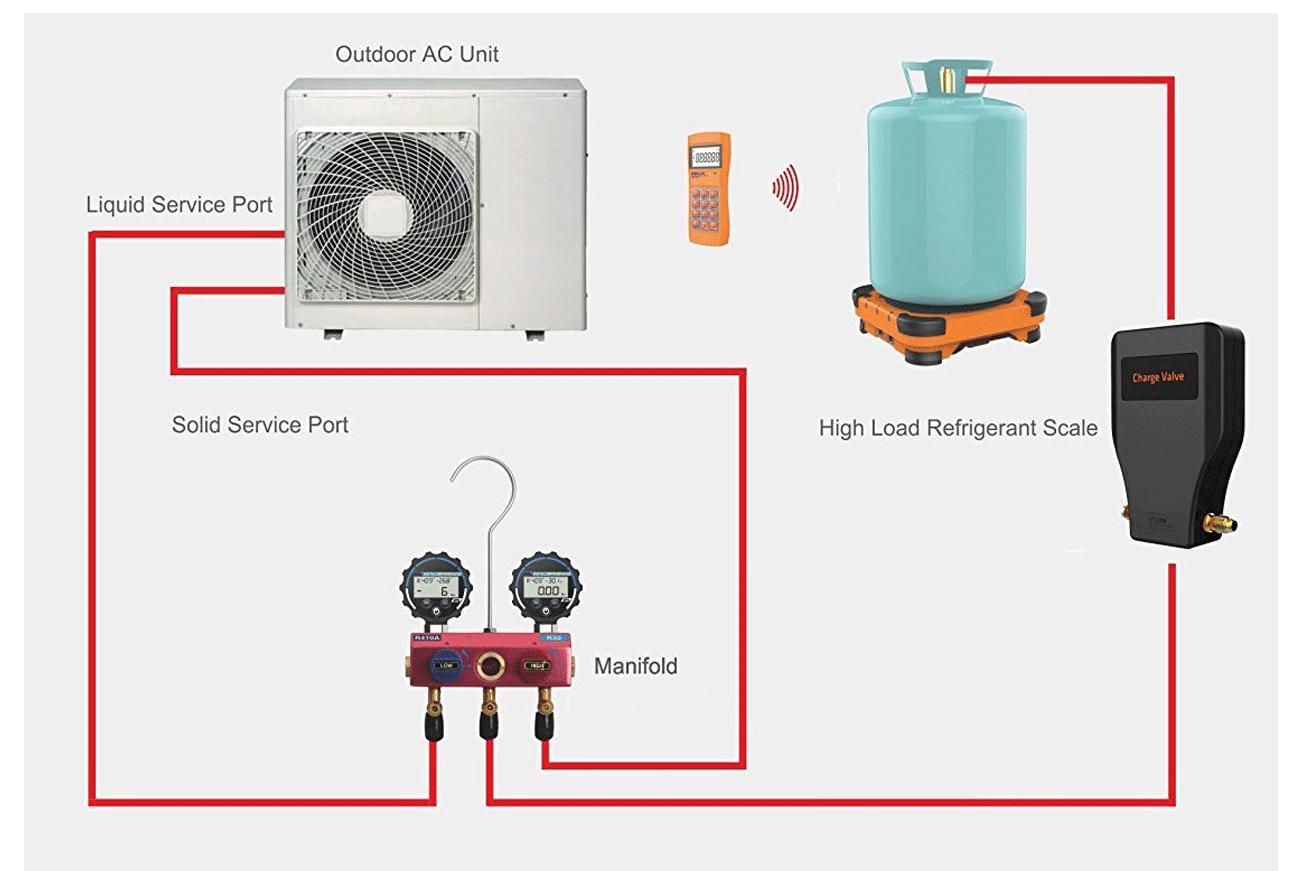
A Refrigerant Charging Scale, also known as refrigerant filling scales or electronic scales for adding refrigerants, is an essential tool used in air conditioning and refrigeration systems. These scales are designed to accurately measure the amount of refrigerant being added to a system, ensuring optimal performance and efficiency.
Understanding Refrigerants
Refrigerants are substances that serve as working fluids in refrigeration and air conditioning systems. They have the unique ability to absorb heat and transition from liquid to gas and back again, facilitating the cooling process. Common applications of refrigerants include:
-
Refrigerators
-
Freezers
-
Air-conditioning systems
-
Commercial cold storage
Due to their specific operational lifespan, the proper filling and recycling of refrigerants is crucial for maintaining system efficiency and environmental safety.
Why is Proper Refrigerant Charging Important?
Charging an air-conditioning system with the correct amount of refrigerant is vital. Relying solely on pressure gauges can be misleading, as they do not provide an accurate indication of whether the system is “full.” Instead, using an electronic scale offers a precise method for weighing and refilling refrigerants. This ensures that technicians can:
-
Measure the exact amount of refrigerant needed.
-
Avoid overcharging or undercharging, which can lead to system inefficiencies or damage.
How to Use a Refrigerant Charging Scale
-
Setup: Place the electronic scale on a stable surface.
-
Calibration: Ensure the scale is calibrated according to the manufacturer’s instructions.
-
Weighing: Attach the refrigerant cylinder to the scale and monitor the weight as you add refrigerant.
-
Filling: Continue adding refrigerant until the desired weight is achieved, as indicated by the scale.
By following these steps, technicians can ensure accurate refrigerant charging, leading to better performance and longevity of HVAC systems.
What is the Weigh-and-Charge Method?
The weigh-and-charge method is recognized as the most accurate technique for charging refrigerants in any refrigeration system. This method involves using an electronic scale to weigh the refrigerant being added, ensuring precision in the amount filled. According to the manufacturer’s specifications indicated on the unit’s nameplate, the correct charge can be determined and accurately measured after the system is completely dry and evacuated.
The Importance of Electronic Scales in Refrigerant Charging
With advancements in technology, refrigerant electronic scales have become essential tools for filling systems with refrigerants. These scales not only improve the accuracy of the charging process but also enhance the overall efficiency of refrigeration systems. Their significance continues to grow as more sophisticated models are introduced into the market.
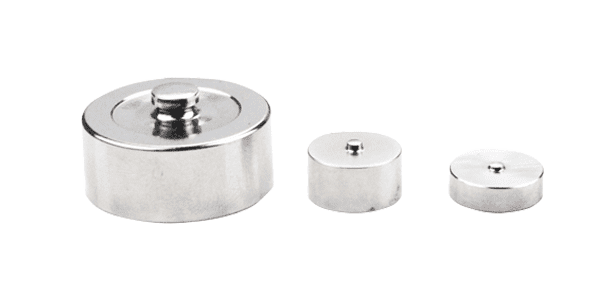
The Role of Load Cells in Electronic Scales
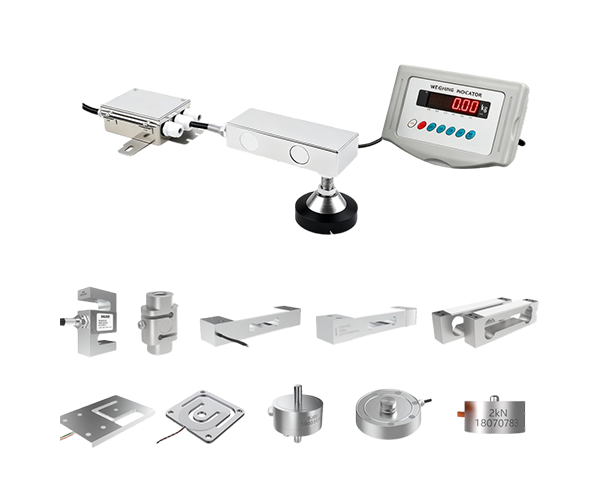
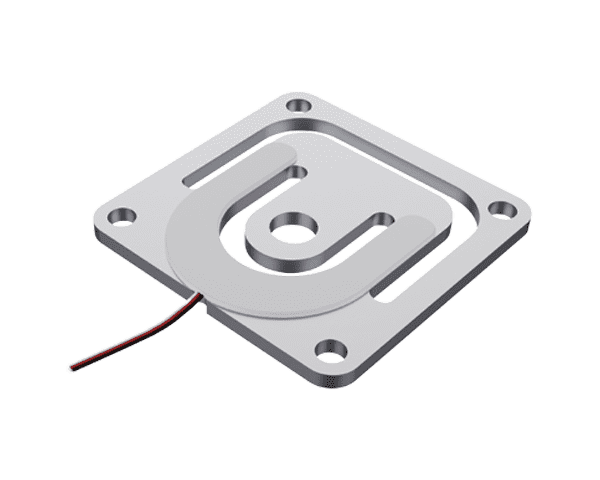
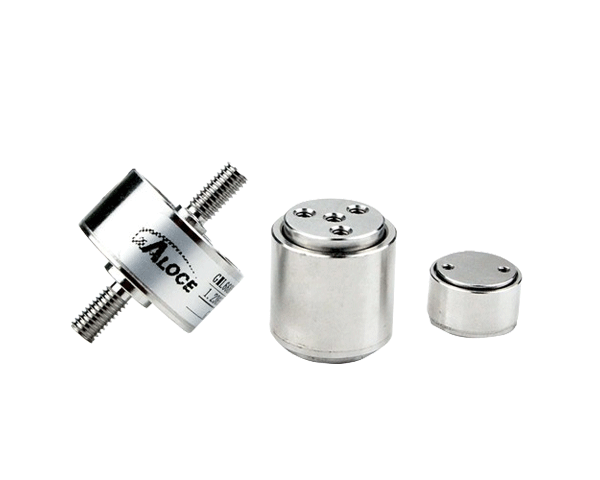
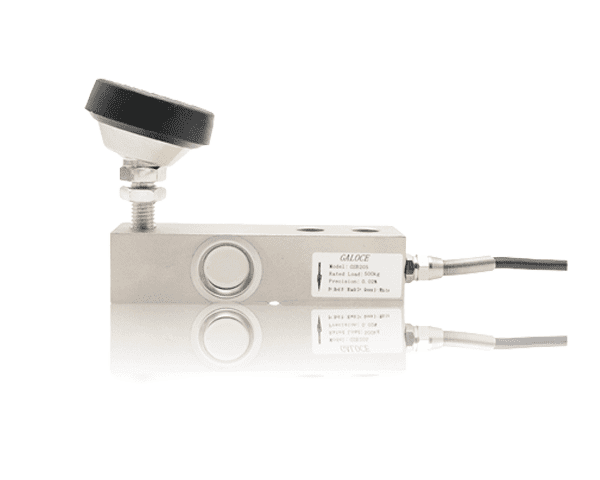
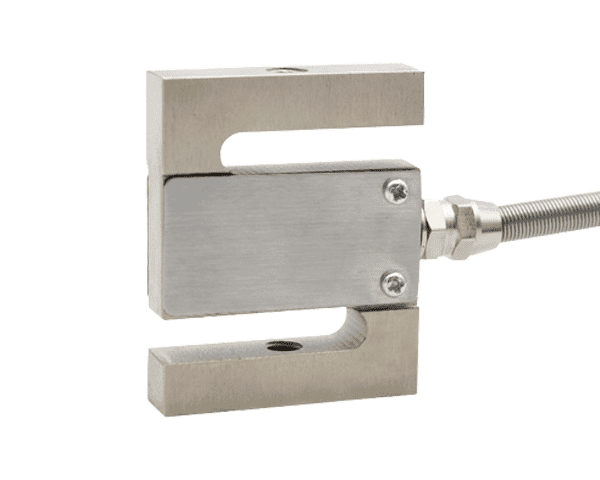
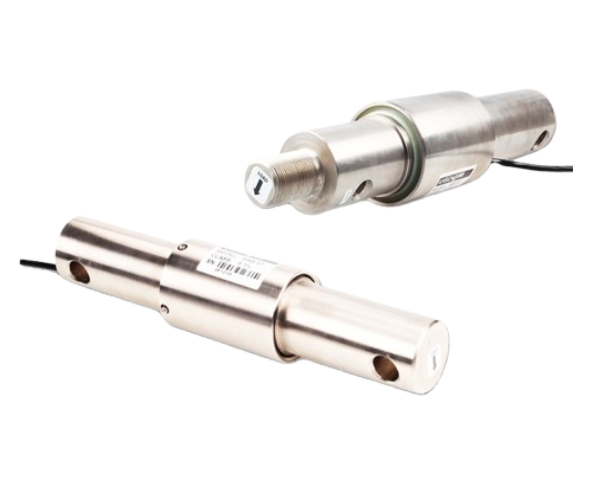
At the heart of every refrigerant electronic scale is the load cell, which is crucial for weight measurement. Selecting a high-quality load cell is vital for achieving accurate results. Key factors to consider when choosing a load cell include:
-
Accuracy: The precision with which the load cell measures weight.
-
Environmental conditions: The operating temperature range and humidity levels can affect performance.
-
Load capacity: Ensuring that the load cell can handle the maximum expected weight without compromising accuracy.
By carefully evaluating these factors, technicians can ensure that they select a load cell that meets their specific needs, ultimately leading to better performance in refrigerant charging applications.
Common Features of Refrigerant Electronic Scales
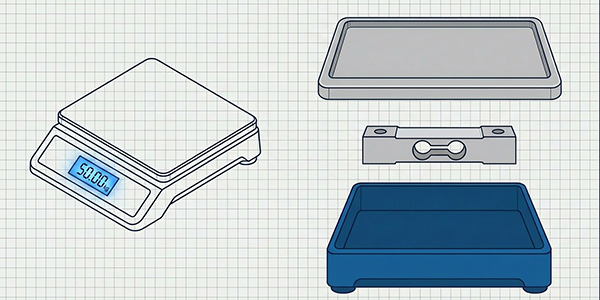
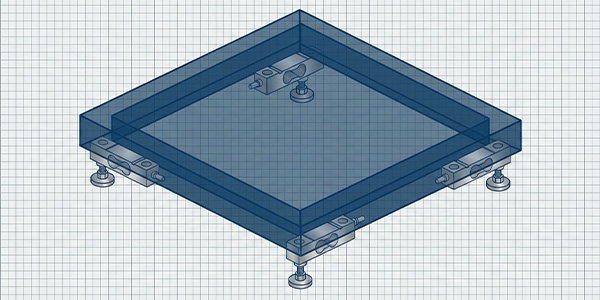
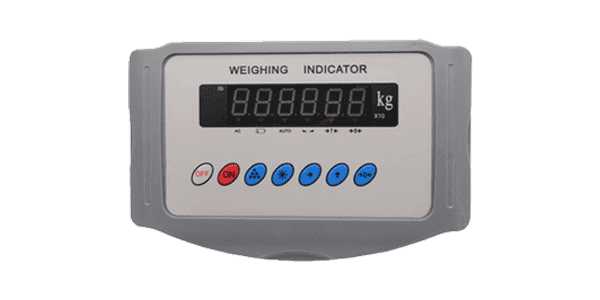
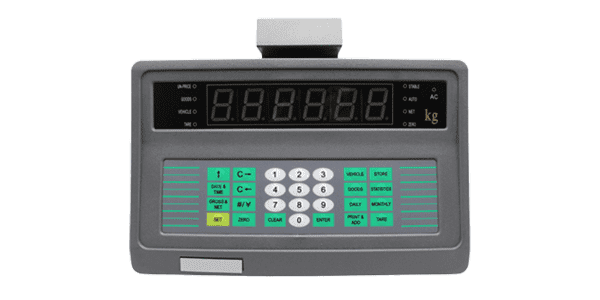
Refrigerant electronic scales available in the market typically consist of two main components: a weighing platform and a handheld instrument. The typical specifications are as follows:
|
Specification
|
Typical Range
|
|
Weighing Platform Size
|
230mm – 300mm
|
|
Measuring Range
|
50kg or 100kg
|
|
Division Value
|
2g or 5g
|
|
Connection Type
|
Spring wire, extends up to 150mm
|
Recommended Load Cell: GPB100R
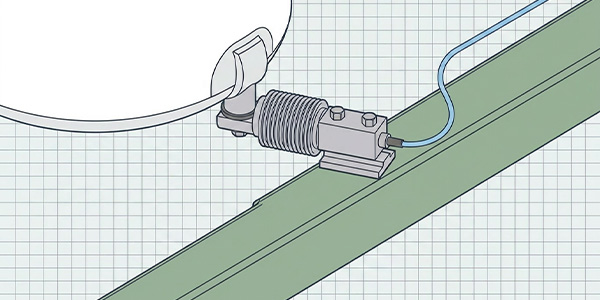
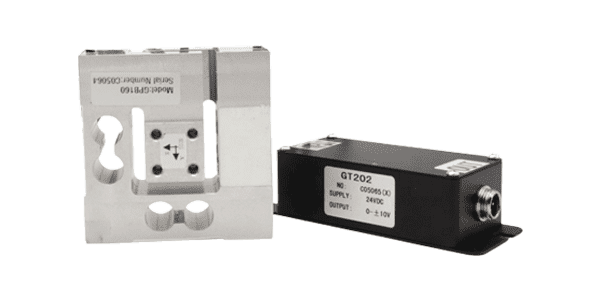
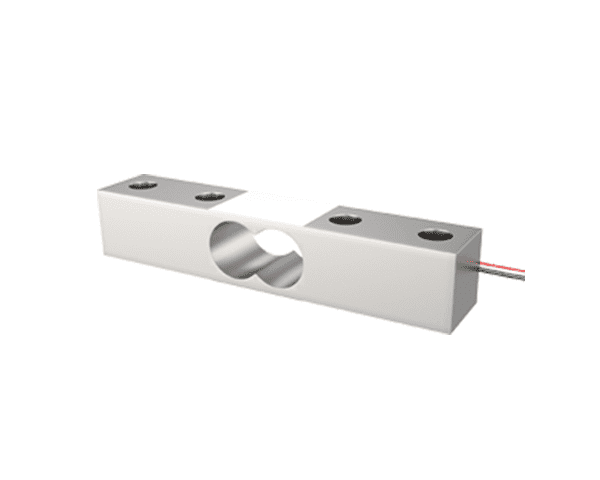
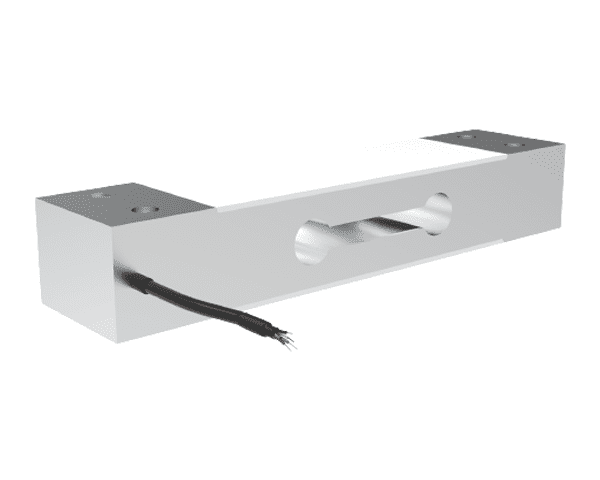
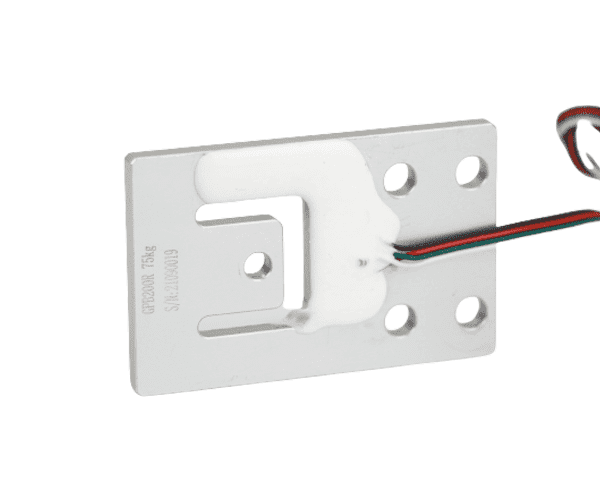
One of the recommended components for these scales is the GPB100R parallel beam load cell. Key features include:
-
● Material: Constructed from high-quality aluminum alloy.
-
● Sealing: Silicone seal for enhanced durability and protection against environmental factors.
-
● Precision: Offers high accuracy for reliable measurements.
-
● Usage: Designed for single-point weighing applications, ensuring optimal performance.
-
● Repairability: Factory-adjusted at all four corners, enhancing longevity and reliability.
-
● Cable Type: Equipped with a spring wire cable for flexibility and ease of use.
By utilizing these features, technicians can ensure accurate refrigerant charging, contributing to the efficiency and effectiveness of refrigeration systems.
Frequently Asked Questions
What is a refrigerant charging scale used for?
A refrigerant charging scale is used to accurately measure the amount of refrigerant being added to or removed from an HVAC or refrigeration system, ensuring the system operates at peak efficiency.
Why is the weigh-and-charge method preferred?
The weigh-and-charge method is preferred because it provides the most accurate measurement of refrigerant charge by weight, eliminating the guesswork associated with pressure-gauge-only methods.
What load cell is recommended for refrigerant charging scales?
The GPB100R parallel beam load cell is recommended for its high accuracy, aluminum alloy construction, silicone sealing, and factory-adjusted four-corner calibration.
What capacity range do refrigerant charging scales typically offer?
Most refrigerant electronic scales offer measuring ranges of 50kg or 100kg, with division values of 2g or 5g for precise charging.
Need a Reliable Load Cell for Your Refrigerant Charging Scale?
Explore the GPB100R parallel beam load cell — high precision, durable aluminum alloy, factory-calibrated for your weighing applications.