Key Takeaway
• Syringe pump weighing solutions use real-time weight monitoring to verify medication delivery accuracy, compensating for drug density, viscosity, and tubing variations.
• The weighing module measures actual drug depletion by weight — a closed-loop verification that complements the pump's volumetric delivery mechanism.
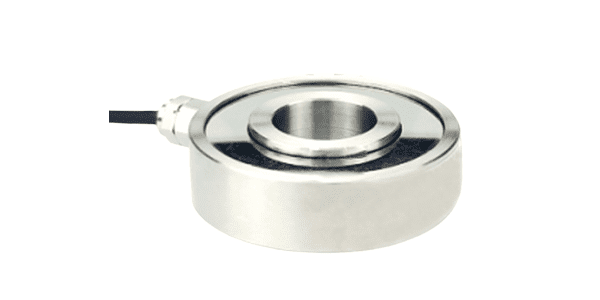
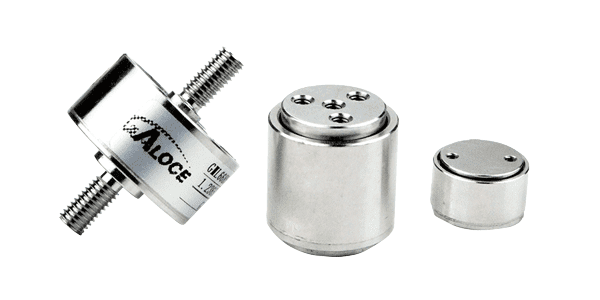
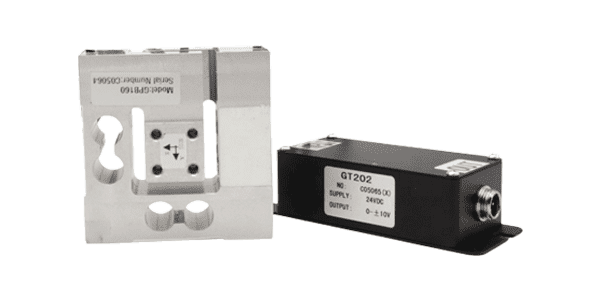
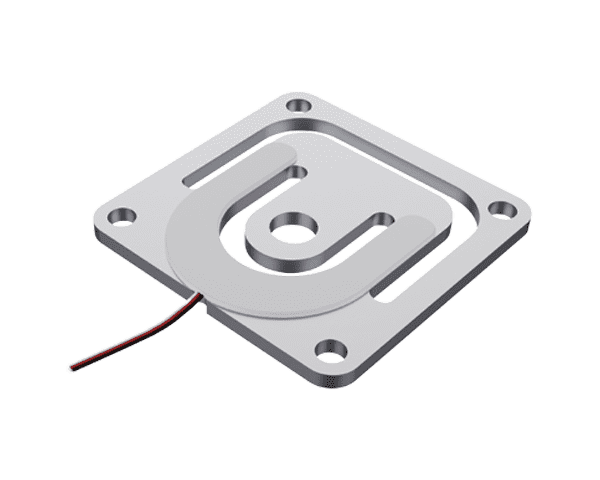
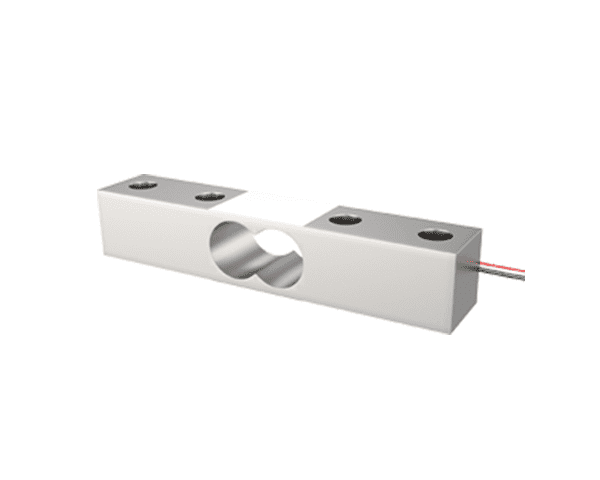
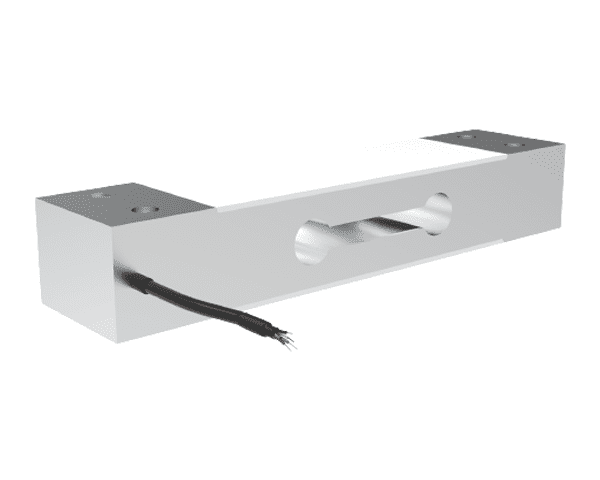
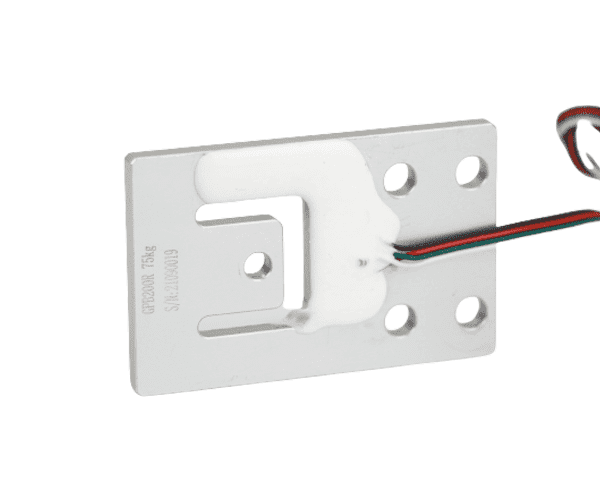
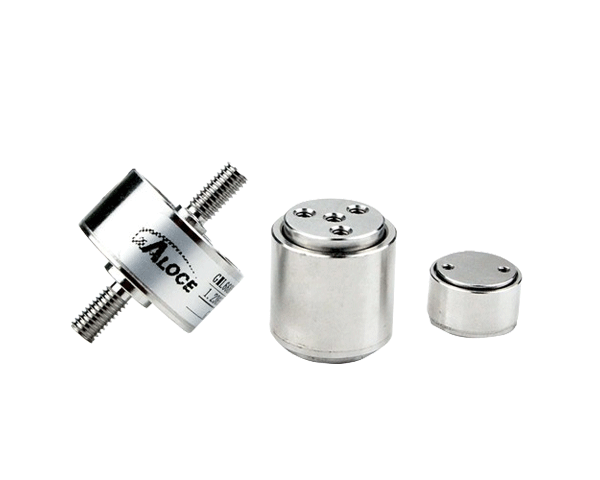
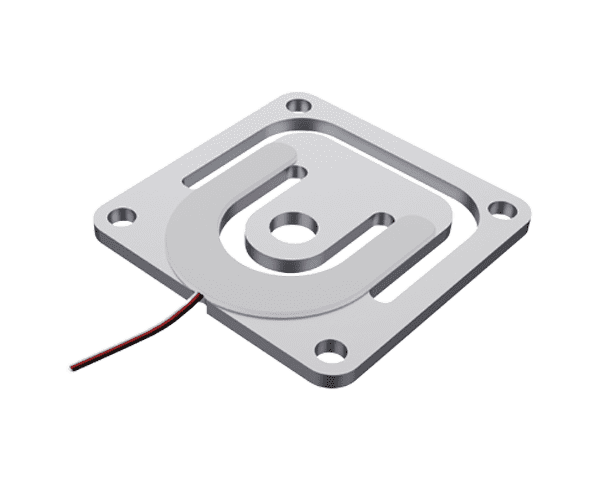
• GALOCE recommends GPB130 (custom medical load cell), GML611 (micro, 1–50 kg, aluminum), and GML670 (ultra-compact, 34 mm, full bridge) for syringe pump integration.
• Key design requirements: milligram-level resolution, low creep drift, compact footprint, and biocompatible mounting compatible with medical device standards.
You've likely heard about the critical role precision plays in medicine. But have you considered how syringe pumps are revolutionizing drug delivery? In this article, we'll explore how these devices enhance patient care across various medical fields, why accurate medication delivery matters, and how integrating weighing technology creates a closed-loop verification system that takes patient safety to the next level.
How Do Syringe Pumps Enhance Medication Delivery?
A syringe pump is a medical device designed to deliver precise, small amounts of medication to patients in a controlled and continuous manner. It consists of three main components:
|
Component
|
Function
|
Precision Factor
|
|
Controller
|
Microprocessor that sets infusion rate, volume limits, and alarm thresholds
|
Determines step resolution and flow rate accuracy (±1% or better)
|
|
Actuator (Motor)
|
Stepper motor drives the syringe plunger at a precisely controlled speed
|
Micro-stepping determines minimum volume increment (as low as 0.1 mL/h)
|
|
Injector (Syringe)
|
Holds the medication; plunger displacement pushes drug through tubing to patient
|
Syringe inner diameter tolerance affects volumetric accuracy
|
Accurate drug delivery is essential in modern medical practice for effective patient treatment and safety. Even a small deviation in flow rate can have serious consequences — too much medication can cause toxicity, while too little may render the treatment ineffective.
Why Are Syringe Pumps Critical in Healthcare?
Syringe pumps play an irreplaceable role in various medical fields. The following table summarizes the key application areas and their specific precision requirements:
|
Medical Field
|
Typical Drugs
|
Flow Rate Range
|
Accuracy Requirement
|
|
Critical Care / ICU
|
Vasopressors, inotropes, insulin
|
0.1–99.9 mL/h
|
±2% or better
|
|
Pain Management
|
Opioids (morphine, fentanyl)
|
1–10 mL/h (PCA bolus)
|
±5%
|
|
Chemotherapy
|
Cisplatin, 5-FU, doxorubicin
|
0.5–50 mL/h
|
±5%
|
|
Anesthesia
|
Propofol, remifentanil
|
Target-controlled infusion
|
±2%
|
|
Pediatrics / Neonatal
|
Nutrition, antibiotics, surfactant
|
0.1–5 mL/h
|
±1% (highest precision)
|
However, factors such as variations in drug density, viscosity, and minor differences in infusion tubing can impact the accuracy of medication delivery. These variables create a gap between the commanded delivery volume and the actual volume received by the patient.
Challenges in Accurate Drug Delivery
Traditional syringe pumps rely on volumetric delivery — the motor pushes the plunger a calculated distance based on the syringe's nominal inner diameter. But in practice, several factors introduce errors:
|
Error Source
|
Mechanism
|
Typical Error
|
|
Drug density variation
|
Same volume ≠ same mass; concentrated solutions differ from saline
|
2–5%
|
|
Viscosity changes
|
High-viscosity drugs cause back-pressure, slowing actual flow
|
3–8%
|
|
Tubing compliance
|
Elastic tubing expands under pressure, absorbing volume before delivery
|
1–5% (transient)
|
|
Syringe diameter tolerance
|
Manufacturing tolerances in syringe bore cause volume-per-step variation
|
1–3%
|
|
Temperature drift
|
Thermal expansion of syringe material and drug solution
|
<1%
|
What Is the Syringe Pump Weighing Solution?
To address these challenges, the syringe pump weighing solution has been developed. This innovative approach aims to achieve more precise dose control by monitoring real-time changes in drug weight. Rather than relying solely on the pump's volumetric calculation, the weighing module provides an independent, gravity-based measurement of actual drug depletion.
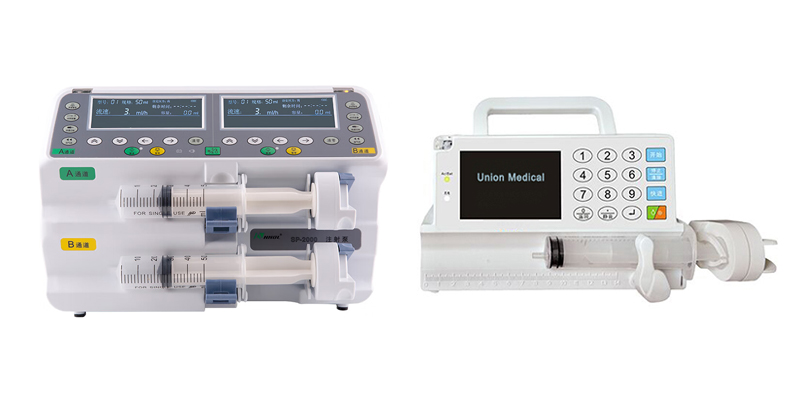
Syringe pump with integrated weighing module for real-time drug delivery verification
By integrating weighing technology, healthcare providers can:
-
Monitor Real-Time Changes: Track the weight of the medication as it is delivered, providing a continuous, independent verification of flow rate.
-
Enhance Accuracy: Adjust for variations in drug properties (density, viscosity) and tubing characteristics — the scale measures mass delivered, not just volume displaced.
-
Ensure Patient Safety: Reduce the risk of underdosing or overdosing with closed-loop feedback; trigger alarms if actual delivery deviates from the commanded rate.
-
Detect Occlusions Early: If the scale shows weight is not decreasing but the motor is running, an occlusion or kink in the tubing is immediately detected — faster than pressure-based occlusion alarms.
-
Enable Drug Library Integration: Weight-based verification allows the system to cross-reference actual delivery against drug-specific density values for automatic correction.
How the Weighing Solution Works: Signal Flow
The complete measurement chain from physical weight to clinical alarm involves five stages:
|
Stage
|
Component
|
Function
|
|
1. Sensing
|
Load cell (GPB130 / GML611 / GML670)
|
Strain gauges convert syringe weight to mV signal via Wheatstone bridge
|
|
2. Amplification
|
24-bit ADC / HX711 module
|
Amplifies mV signal to digital weight value with mg-level resolution
|
|
3. Processing
|
MCU / pump controller
|
Calculates real-time flow rate from weight delta; compares to commanded rate
|
|
4. Feedback
|
Closed-loop motor control
|
Adjusts stepper motor speed to compensate for detected delivery error
|
|
5. Alarm
|
Display + buzzer + nurse call
|
Triggers visual/auditory alarm if deviation exceeds threshold (e.g., >5%)
|
In summary, syringe pumps equipped with weighing solutions represent a significant advancement in medication delivery systems, improving both accuracy and patient safety in critical healthcare settings.
Technical Requirements for Syringe Pump Load Cells
Not every load cell is suitable for syringe pump integration. The medical environment imposes stringent requirements that go beyond standard industrial applications:
|
Requirement
|
Specification
|
Why It Matters
|
|
Capacity
|
1–5 kg typical (syringe + drug + mount)
|
Must cover full syringe weight while resolving mg-level changes
|
|
Resolution
|
≤10 mg (with 24-bit ADC)
|
Detects smallest clinically significant delivery increment
|
|
Creep (30 min)
|
≤0.03% of rated output
|
Long infusions (hours) require zero drift in static load
|
|
Footprint
|
≤80 × 30 mm (compact)
|
Must fit inside the pump housing alongside motor and electronics
|
|
Temperature coefficient
|
≤0.005% RO/°C
|
Hospital room temperature varies; thermal drift causes false readings
|
|
Bridge type
|
Full Wheatstone bridge (4 active gauges)
|
Maximum sensitivity and temperature self-compensation
|
|
Material
|
Aluminum alloy or stainless steel
|
Biocompatible; corrosion-resistant for hospital disinfection protocols
|
|
Power consumption
|
Low excitation (5 V DC, <20 mA)
|
Battery-powered portable pumps require energy-efficient sensors
|
Recommended Load Cells for Syringe Pumps
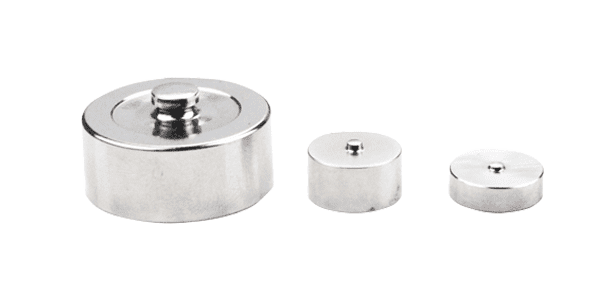
GALOCE offers three load cell models suited for syringe pump weighing integration. The GPB130 is a custom medical-grade sensor designed specifically for this application; GML611 and GML670 provide compact, high-precision alternatives for different integration constraints.
Model Selection Comparison
|
Model
|
Capacity
|
Dimensions
|
Material
|
Bridge
|
Best For
|
|
GPB130
|
Custom (medical-grade)
|
Compact
|
Aluminum alloy
|
Full bridge
|
Purpose-built for syringe pump integration
|
|
GML611
|
1, 2, 3, 5, 10, 15, 20, 25, 30, 40, 50 kg
|
80 × 12.7 × 12.7 mm
|
Aluminum alloy
|
Full bridge
|
Ultra-compact; 1 kg range ideal for syringe weighing
|
|
GML670
|
10, 30, 50, 100, 200 kg
|
34 × 34 × (1.0–4.0) mm
|
Manganese steel
|
Full bridge
|
Thinnest profile; multi-syringe carriage weighing
|
GPB130 — Custom Medical-Grade Load Cell
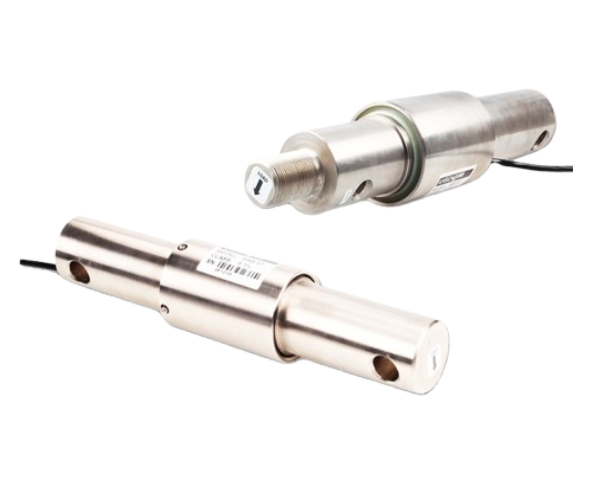
The GPB130 is GALOCE's purpose-built load cell for syringe pump weighing applications. Designed in collaboration with medical device manufacturers, it features a compact form factor optimized for integration inside syringe pump housings.

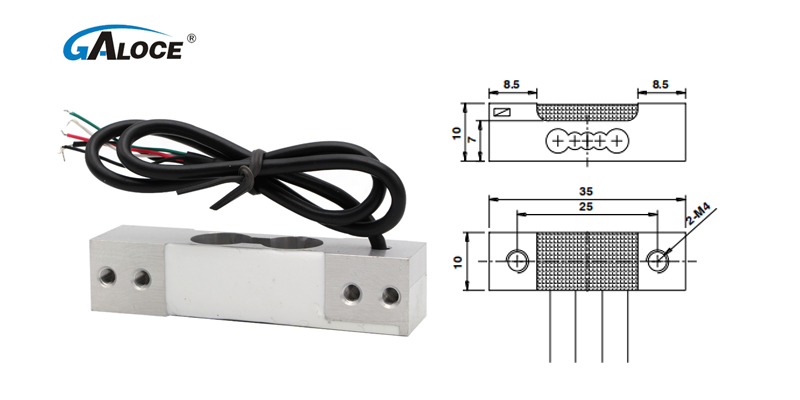
Key features: full Wheatstone bridge output, aluminum alloy construction, low creep drift for long-duration infusions, and factory-calibrated sensitivity for consistent performance across production units. OEM/ODM customization available for specific syringe pump designs.
GML611 — Micro Load Cell (Aluminum Alloy)
|
Material
|
Aluminum alloy
|
|
Capacity
|
1, 2, 3, 5, 10, 15, 20, 25, 30, 40, 50 kg
|
|
Dimensions
|
80 × 12.7 × 12.7 mm
|
|
Bridge Type
|
Full Wheatstone bridge
|
|
Certifications
|
ISO9001, CE, RoHS
|
|
Applications
|
Kitchen scales, postal scales, micro force measurement, syringe pump weighing
|
→ View GML611 Product Details
The GML611's 1 kg range with a 24-bit ADC achieves sub-milligram resolution — ideal for detecting the small weight changes as a syringe pump delivers medication drop by drop. Its slim 12.7 mm profile allows vertical mounting alongside the syringe carriage.
GML670 — Ultra-Thin Full Bridge Sensor
|
Material
|
Manganese steel
|
|
Capacity
|
10, 30, 50, 100, 200 kg
|
|
Dimensions
|
34 × 34 × (1.0–4.0) mm
|
|
Bridge Type
|
Full bridge (4 active gauges)
|
|
Certifications
|
ISO9001, CE, RoHS
|
|
Applications
|
Body scales, hand scales, micro force test equipment, multi-syringe carriage
|
→ View GML670 Product Details
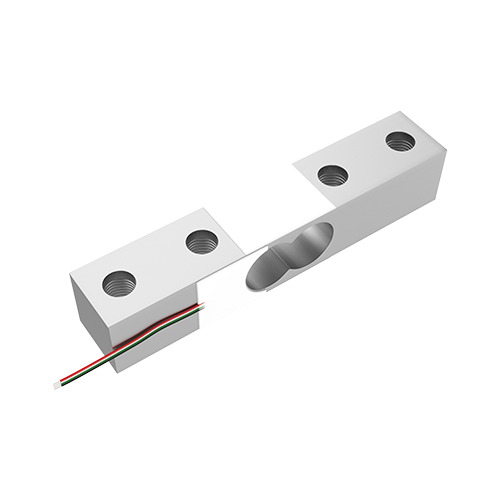
The GML670's standout feature is its 1.0 mm ultra-thin profile — the thinnest load cell in GALOCE's portfolio. This makes it ideal for integration into space-constrained syringe pump designs where vertical clearance is minimal. The manganese steel construction provides excellent durability and corrosion resistance for medical environments. For multi-syringe pump stations, the 10 kg range version can monitor an entire syringe carriage.
Installation & Integration Guide
6-Step Integration Process
-
Define capacity requirement: Calculate maximum load = syringe weight + drug weight + mounting bracket weight + safety margin (typically 1.5×).
-
Select sensor model: GPB130 for custom medical integration; GML611 (1 kg) for single-syringe precision; GML670 (10 kg) for multi-syringe carriage or ultra-thin constraint.
-
Design mounting bracket: The load cell must support the syringe rigidly without lateral force. Use a dedicated bracket that loads the sensor along its measurement axis only.
-
Wire the sensor: Connect the 4-wire full-bridge cable to a 24-bit ADC (e.g., HX711). Ensure excitation voltage stability (5 V DC, regulated).
-
Calibrate with reference weights: Place known reference masses on the mounted sensor; record ADC values at zero, 50%, and 100% capacity. Build a linear calibration curve.
-
Integrate with pump controller: Feed weight data to the pump MCU. Implement closed-loop algorithm: compare weight-derived flow rate to commanded rate; adjust motor speed if deviation > threshold.
Wiring Color Code (Full Bridge)
|
Wire Color
|
Function
|
ADC Connection
|
|
Red
|
Excitation + (E+)
|
E+ (5 V DC regulated)
|
|
Black
|
Excitation − (E−)
|
E− (GND)
|
|
Green
|
Signal + (S+)
|
A+ (ADC differential input)
|
|
White
|
Signal − (S−)
|
A− (ADC differential input)
|
Note: For medical device integration, all load cell wiring must comply with IEC 60601-1 electrical safety standards. Use isolated ADC modules to ensure patient leakage current remains below the 10 μA limit for Type BF applied parts.
Key Benefits of the Weighing Solution
|
Benefit
|
Description
|
Clinical Value
|
|
Closed-Loop Verification
|
Weight measurement independently confirms actual drug delivery, not just motor displacement
|
Catches delivery errors that volumetric pumps cannot detect
|
|
Density Compensation
|
Weighs actual mass delivered, eliminating density-dependent volume errors
|
Accurate delivery for concentrated drugs and variable-density solutions
|
|
Early Occlusion Detection
|
Weight not decreasing while motor runs = immediate occlusion alarm
|
Faster than pressure-based alarms; prevents patient harm from blocked tubing
|
|
Reduced Medication Errors
|
Dual-mode delivery (volumetric + gravimetric) cross-validates every dose
|
Supports compliance with ISMP medication safety guidelines
|
|
Data Logging & Audit
|
Continuous weight data provides a complete delivery record for clinical review
|
Enables post-infusion analysis and adverse event investigation
|
Frequently Asked Questions
Q1: What resolution can the weighing solution achieve for syringe pump monitoring?
With a 1 kg GML611 load cell and a 24-bit ADC (e.g., HX711 with 128× gain), the theoretical resolution is approximately 0.06 mg. In practice, accounting for noise and environmental vibration, a stable resolution of 1–5 mg is achievable. This is sufficient to detect delivery rates as low as 0.01 mL/h for most aqueous solutions (density ≈ 1 g/mL).
Q2: How does the weighing solution handle environmental vibration in hospital settings?
Hospital environments have vibration from foot traffic, equipment movement, and HVAC systems. The solution addresses this through: (1) mechanical isolation using rubber dampers between the sensor and pump housing; (2) digital filtering in the ADC/MCU (moving average or Kalman filter); (3) adaptive sampling — the system increases averaging time when vibration is detected. With proper implementation, vibration-induced noise can be reduced to <2 mg RMS.
Q3: Can the weighing solution replace the syringe pump's existing flow rate mechanism?
No — the weighing solution is a verification and feedback layer, not a replacement. The stepper motor remains the primary delivery mechanism because it provides the fast, precise volumetric control needed for dynamic flow rate changes. The load cell provides independent mass-flow verification and closed-loop correction, creating a dual-redundant system that is more accurate than either method alone.
Q4: Is the GPB130 available for custom syringe pump designs?
Yes. The GPB130 is designed for OEM/ODM customization. GALOCE's engineering team can adapt the sensor's mounting dimensions, capacity range, cable length, and connector type to match specific syringe pump housing constraints. Custom calibration curves and temperature compensation profiles can also be pre-programmed for specific drug delivery protocols.
Q5: What medical device standards should the weighing module comply with?
The complete syringe pump system (including the weighing module) should comply with IEC 60601-1 (general safety), IEC 60601-2-24 (particular requirements for infusion pumps), and ISO 13485 (quality management for medical devices). The load cell itself, as a component, should meet RoHS and CE requirements. GALOCE provides material certificates, calibration data, and technical documentation to support the pump manufacturer's regulatory submissions.
Ready to Integrate Weighing Technology into Your Syringe Pump?
Whether you're developing a next-generation syringe pump or upgrading an existing model, GALOCE's medical-grade load cells deliver the precision, reliability, and customization you need. Contact our engineering team to discuss your syringe pump specifications, capacity requirements, and integration constraints.
Get a Free Consultation →
Related Topics