
​Load Cells in Biomedical Research

TIME: 2025.12.10 AUTHOR: Carol Li NUMBER OF VIEWS 83
In the intricate landscape of biomedical research, where understanding biological systems often hinges on measuring minute forces, displacements, or physiological responses, precision is paramount. Among the array of tools that enable such precision, load cells stand out as unsung heroes. These transducers convert mechanical force into measurable electrical signals, providing researchers with quantitative data that bridges the gap between biological phenomena and actionable insights. From studying cellular mechanics to developing advanced medical devices, load cells have become indispensable in driving innovation across diverse areas of biomedical science. This blog explores the role of load cells in biomedical research, their types, applications, challenges, and future prospects, highlighting how these unassuming devices are revolutionizing our understanding of health and disease.

Understanding Load Cells: Fundamentals and Working Principles

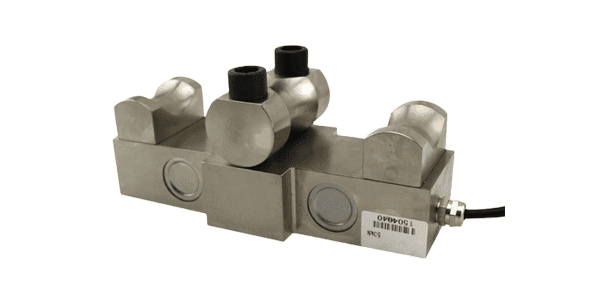
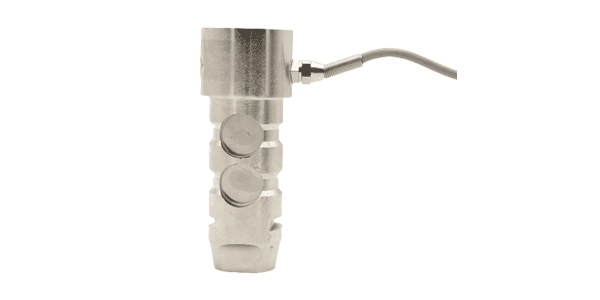
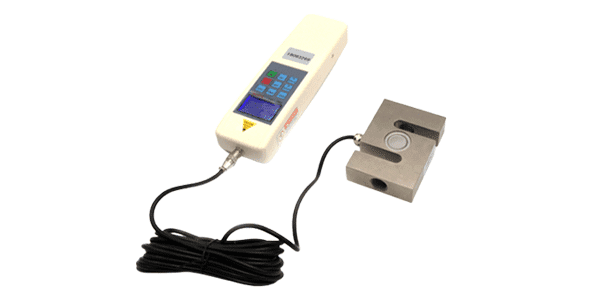
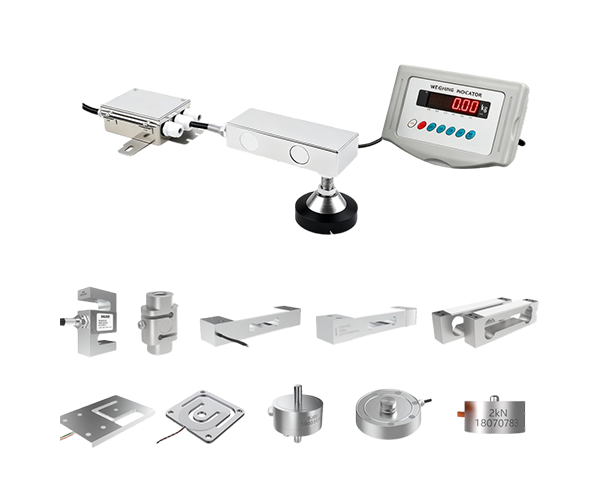
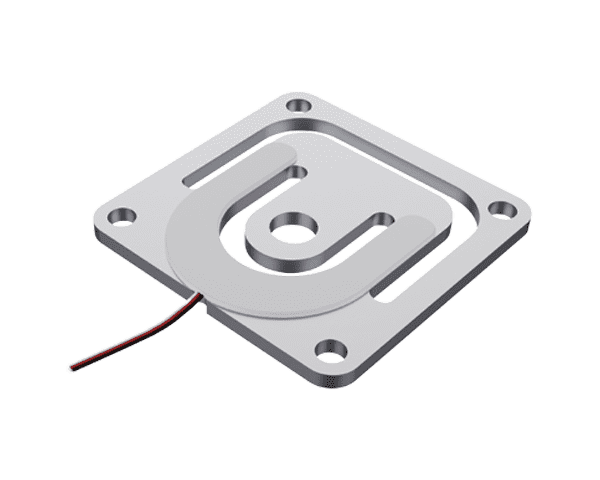
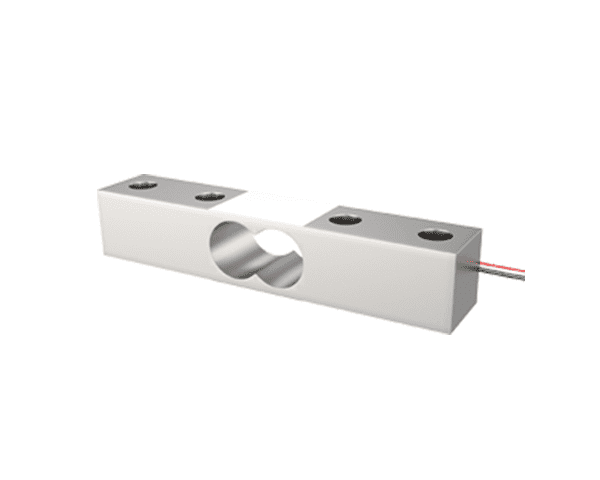
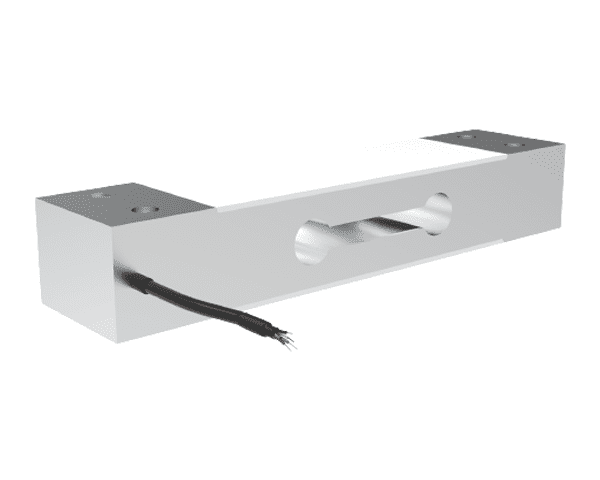
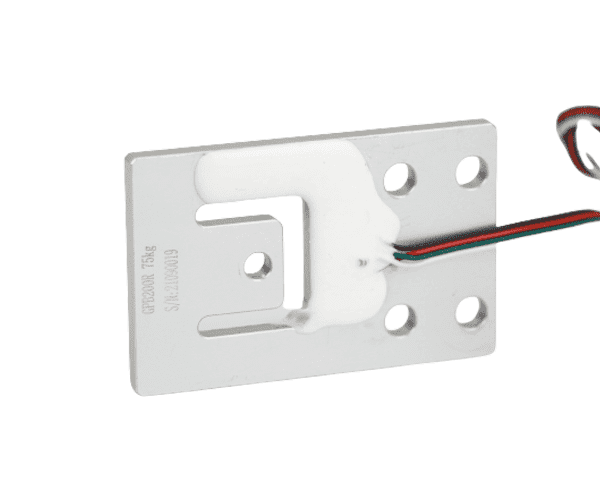
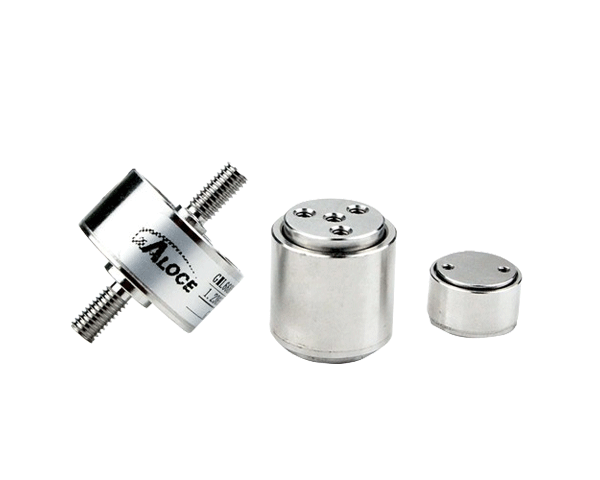
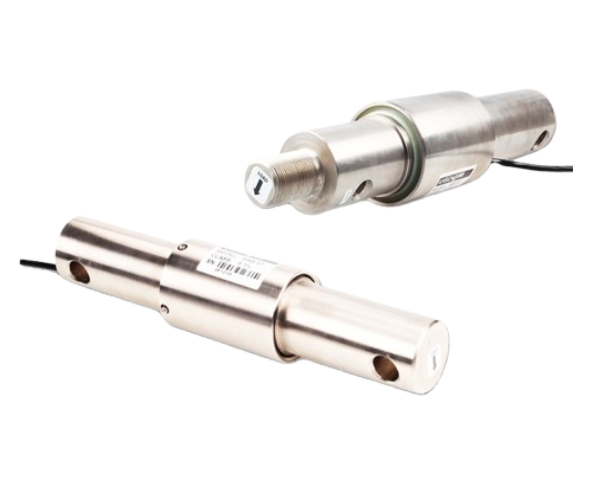
At their core, load cells are sensors designed to measure force—tension, compression, torque, or pressure—with high accuracy. The basic principle underlying their operation is the piezoresistive effect, where the electrical resistance of a material changes when subjected to mechanical stress. Most load cells consist of a metal (or sometimes semiconductor) spring element, typically made of aluminum, steel, or alloy, which deforms under applied force. Attached to this element are strain gauges—thin wires or foil patterns that stretch or compress as the spring element deforms. As the strain gauges change shape, their resistance alters, and this change is converted into an electrical signal by a Wheatstone bridge circuit. The signal is then amplified, processed, and displayed as a force measurement (often in newtons, grams, or pounds).Load cells vary in design based on the type of force they measure and their intended application. Common configurations include:
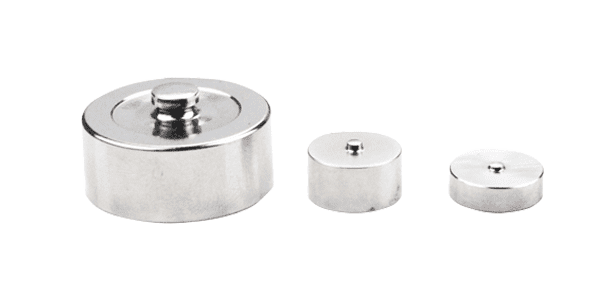
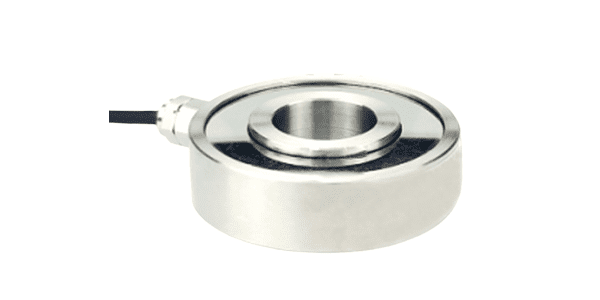
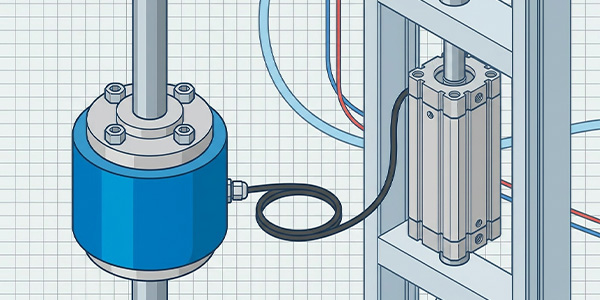
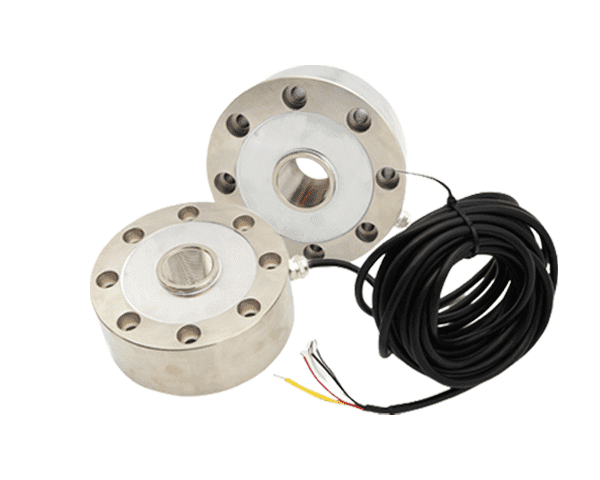
  • Compression load cells: Used to measure forces pushing down on the sensor (e.g., bone compression in orthopedic studies).
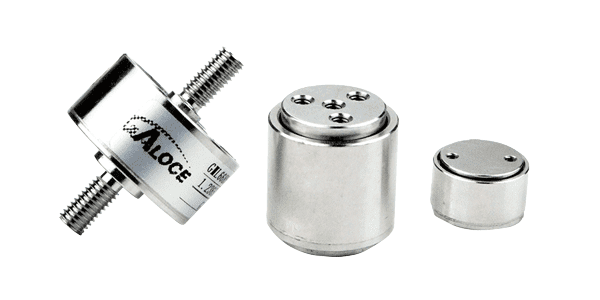
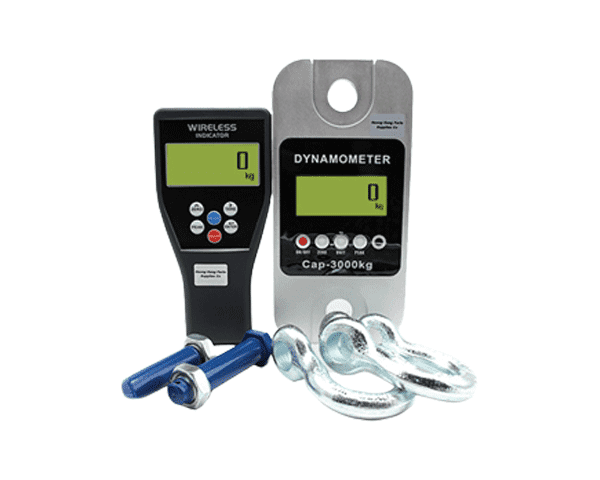
  • Tension load cells: Designed for pulling forces (e.g., muscle contraction or tendon tensile strength).
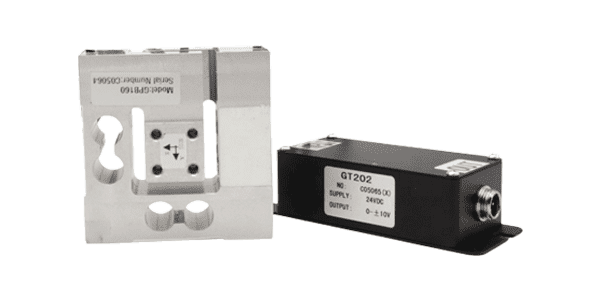
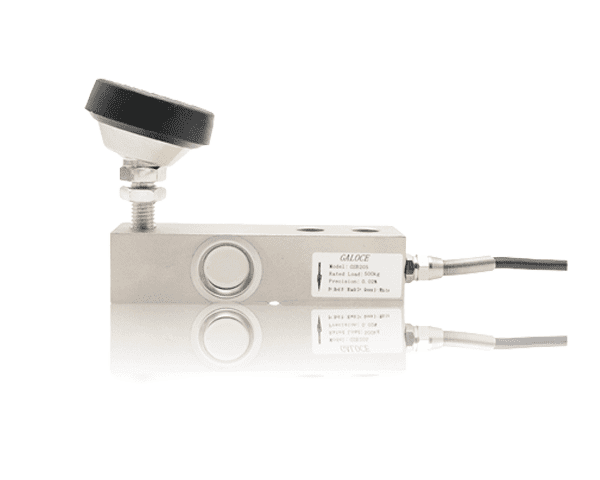
  • Shear load cells: Measure forces parallel to the sensor’s surface (e.g., friction in joint mechanics).
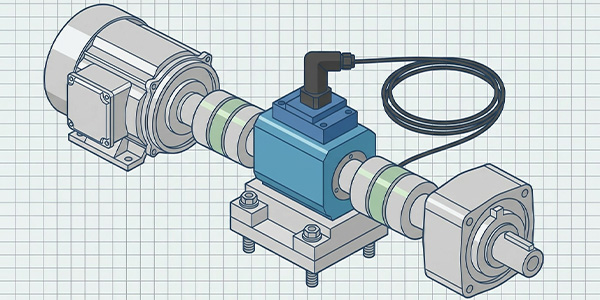
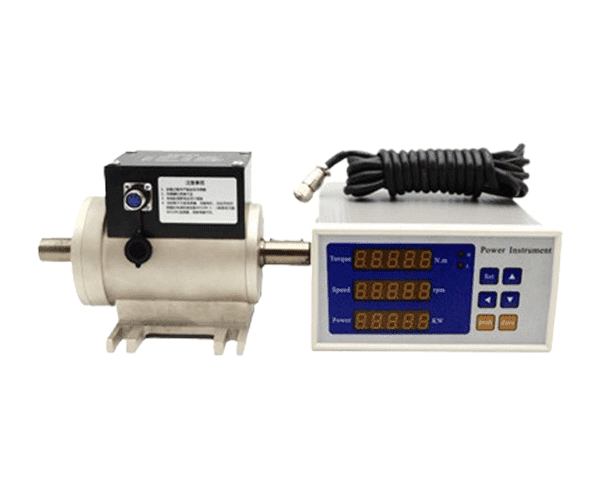
  • Torque load cells: Quantify rotational forces (e.g., in studies of joint torque or surgical tool dynamics).
In biomedical research, the choice of load cell depends on factors like sensitivity (ability to detect small forces), range (maximum measurable force), linearity (consistency of output across the force range), and size (critical for applications involving small biological samples, such as cells or tissues). For instance, a load cell used to measure cellular traction forces might have a range of just a few micronewtons, while one testing orthopedic implants could handle thousands of newtons.

Applications of Load Cells in Biomedical Research

Load cells have permeated nearly every subfield of biomedical science, enabling breakthroughs in areas as diverse as cell biology, biomechanics, regenerative medicine, and medical device development. Below are key applications where load cells are making a transformative impact.

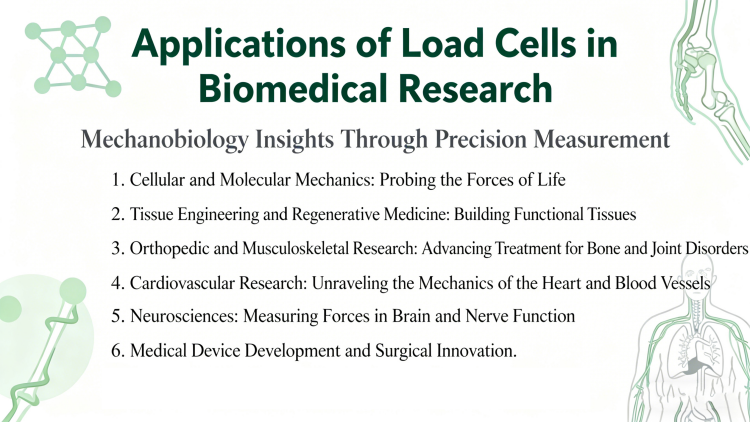
1. Cellular and Molecular Mechanics: Probing the Forces of Life

At the smallest scale, cells exert and respond to mechanical forces—a phenomenon known as mechanobiology. These forces play critical roles in processes like cell migration, division, differentiation, and tissue formation. For example, cancer cells exhibit altered mechanical properties (e.g., increased stiffness), and immune cells use mechanical forces to squeeze through tissue barriers during inflammation. Load cells, often integrated into specialized microscopy setups or microelectromechanical systems (MEMS), allow researchers to measure these forces with unprecedented precision.One notable application is the study of cellular traction forces—the forces cells exert on their extracellular matrix (ECM) as they move or adhere. To measure these forces, cells are cultured on flexible substrates (e.g., polyacrylamide gels) embedded with fluorescent beads. As cells pull on the substrate, it deforms, and the displacement of the beads is tracked using microscopy. Load cells, or more commonly, optical tweezers or atomic force microscopy (AFM) (which use similar force-sensing principles), can then correlate this deformation with the applied force. For instance, a 2020 study in *Nature Cell Biology* used traction force microscopy (TFM) with integrated load cell-based force calibration to show that breast cancer cells generate higher traction forces than healthy cells, enabling them to invade surrounding tissues more aggressively.Load cells also aid in studying single-molecule mechanics, such as the forces involved in DNA replication, protein folding, or receptor-ligand interactions. In these experiments, a load cell (or a cantilever-based sensor like AFM) applies controlled tension to a molecule, and the resulting extension or unfolding force provides insights into its structure and function. For example, researchers have used optical tweezers with load cell feedback to measure the force required to unwind DNA strands during replication, revealing how enzymes like helicases overcome mechanical resistance to separate the double helix.

2. Tissue Engineering and Regenerative Medicine: Building Functional Tissues

Tissue engineering aims to create lab-grown tissues (e.g., skin, cartilage, or bone) for transplantation or drug testing. A key challenge is ensuring these engineered tissues mimic the mechanical properties of native tissues, as mechanics directly influence cell behavior, differentiation, and tissue function. Load cells are critical here for characterizing both the mechanical properties of engineered tissues and the forces applied during their cultivation.
For example, in cartilage engineering, chondrocytes (cartilage cells) are seeded into scaffolds and cultured under mechanical stimulation to promote the production of extracellular matrix (ECM), which gives cartilage its elasticity and load-bearing capacity. Load cells are used to apply controlled compressive or tensile forces to the scaffold, simulating the mechanical environment of native joints. After cultivation, the engineered cartilage’s mechanical strength—measured using compression load cells—must match that of natural cartilage to ensure it can withstand physiological forces post-transplantation. A 2019 study in *Biomaterials* demonstrated that human mesenchymal stem cells (MSCs) differentiated into chondrocytes under cyclic compression (applied via a load cell-equipped bioreactor) produced ECM with higher collagen content and stiffness than statically cultured cells, bringing engineered cartilage closer to clinical viability.
Load cells also play a role in 3D bioprinting, a technique where cells and biomaterials are printed layer-by-layer to form tissues. During printing, load cells monitor the pressure and force exerted by the printhead to ensure uniform deposition of bioinks (cell-laden materials). This precision prevents damage to delicate cells and ensures the printed tissue has consistent mechanical properties.

3. Orthopedic and Musculoskeletal Research: Advancing Treatment for Bone and Joint Disorders

Orthopedic research focuses on understanding the mechanics of bones, joints, muscles, and tendons to develop treatments for injuries, arthritis, or osteoporosis. Load cells are instrumental in quantifying the mechanical behavior of these tissues and evaluating the performance of orthopedic implants (e.g., artificial joints, screws, or plates).
In bone mechanics, load cells are used to test the compressive strength of bones, which is critical for diagnosing osteoporosis (a condition characterized by reduced bone density and increased fracture risk). For example, ex vivo studies might compress a bone sample using a load cell until it fractures, measuring the maximum force (ultimate strength) and energy absorption (toughness) to assess bone quality. This data helps researchers develop drugs or exercise regimens to improve bone strength.For joint replacement surgery, load cells evaluate the performance of artificial joints (e.g., hip or knee implants) under physiological loads. A common test involves simulating walking or running using a mechanical gait simulator, where load cells measure the forces exerted on the implant over thousands of cycles. This “wear testing” ensures the implant can withstand years of use without failing. In a 2021 study in *Journal of Orthopaedic Research*, researchers used a six-degree-of-freedom load cell to measure the contact forces in a new knee implant design, finding that it reduced peak stresses by 20% compared to conventional implants, potentially lowering the risk of loosening or wear.Load cells also aid in studying muscle and tendon mechanics. For instance, when testing the tensile strength of tendons (which connect muscles to bones), a tension load cell pulls the tendon sample until it tears, providing data on ultimate tensile strength and elasticity. This information is vital for understanding tendon injuries (e.g., Achilles tendon rupture) and developing surgical repair techniques or rehabilitation protocols.

4. Cardiovascular Research: Unraveling the Mechanics of the Heart and Blood Vessels

The cardiovascular system relies on precise mechanical interactions: the heart pumps blood with force, blood vessels expand and contract to regulate flow, and blood itself exhibits complex rheological (flow) properties. Load cells help researchers quantify these mechanics, advancing our understanding of diseases like hypertension, atherosclerosis, and heart failure.
In heart mechanics studies, load cells measure the contractile force of cardiac muscle cells (cardiomyocytes) or whole heart tissues. For example, isolated cardiomyocytes can be cultured on a flexible substrate, and their contraction forces are measured using microload cells or cantilevers. This allows researchers to study how drugs or genetic mutations affect heart cell function. In a 2018 study in *Circulation Research*, scientists used a microelectromechanical system (MEMS) with integrated load cells to show that cardiomyocytes from patients with heart failure generate weaker contractions than healthy cells, identifying a potential target for therapy.Load cells also play a role in vascular mechanics, where they measure the stiffness of blood vessels. Arterial stiffness is a key indicator of cardiovascular health—stiffer arteries are associated with hypertension and increased risk of heart attack or stroke. To measure stiffness, a small segment of artery is mounted in a device that applies controlled pressure (via a load cell) while tracking the vessel’s diameter change. The resulting pressure-diameter curve reveals the artery’s compliance (ability to stretch), providing insights into vascular health.Additionally, load cells are used in the development of artificial hearts or ventricular assist devices (VADs). These devices must generate enough force to pump blood through the body without damaging red blood cells or causing excessive stress on the circulatory system. Load cells test the pump’s output force and pressure, ensuring it mimics the natural heart’s performance.

5. Neurosciences: Measuring Forces in Brain and Nerve Function

While neuroscience is often associated with electrical signals, mechanical forces also play a role in brain development, neural activity, and injury. Load cells are emerging as tools to explore these mechanical aspects, opening new avenues for understanding conditions like traumatic brain injury (TBI) or neurodegenerative diseases.
In TBI research, load cells measure the impact forces that cause brain damage. For example, in animal models or cadaver studies, a load cell-equipped device simulates a blow to the head, recording the force, acceleration, and duration of impact. This data helps researchers correlate impact parameters with the severity of brain injury (e.g., concussion vs. contusion) and develop protective gear (e.g., helmets) that absorbs or dissipates these forces.Load cells also contribute to neural tissue engineering, where researchers aim to repair damaged nerves by growing new neural cells in scaffolds. Mechanical stimulation is known to promote nerve regeneration, and load cells apply controlled tensile or compressive forces to the scaffold to optimize cell growth. For instance, a 2022 study in *Acta Biomaterialia* used a load cell to apply cyclic stretching to a nerve scaffold, finding that moderate stretch (5-10% strain) increased the length and alignment of axons (nerve fibers), improving the chances of functional recovery after implantation.

6. Medical Device Development and Surgical Innovation

Beyond research, load cells are integral to the development and testing of medical devices, ensuring they are safe, effective, and user-friendly. For example:
  • Surgical tools: Load cells in robotic surgical systems (e.g., da Vinci) measure the force exerted by the surgeon’s hand, translating it into precise movements of the robotic arm. This “force feedback” prevents excessive pressure on tissues during procedures like minimally invasive surgery, reducing the risk of injury.
  • Drug delivery devices: Load cells test the force required to actuate a syringe or autoinjector, ensuring patients (especially those with limited dexterity) can use the device easily.
  • Prosthetics: Load cells in prosthetic limbs (e.g., artificial hands) detect pressure or grip force, allowing users to perform delicate tasks like picking up a glass without crushing it.
In each case, load cells provide quantitative data that guides device design, ensuring optimal performance and safety.

Challenges and Limitations in Biomedical Load Cell Applications

Despite their versatility, load cells face several challenges in biomedical research:
  • Size constraints: Many biological samples (e.g., cells, small tissues) require micro load cells, which are difficult to manufacture with high sensitivity and accuracy. Conventional load cells may be too large or rigid to integrate with delicate samples without altering their mechanical behavior.
  • Environmental factors: Biological samples are often studied in aqueous or humid environments (e.g., cell culture media), which can corrode load cell components or interfere with electrical signals. Specialized coatings (e.g., biocompatible polymers) or hermetically sealed designs are needed to protect the sensor.
  • Dynamic range: Some applications require measuring both very small and large forces (e.g., from cellular traction forces to whole-organ contractions). Load cells with a wide dynamic range are expensive and may sacrifice sensitivity at the lower end.
  • Artifacts from sample preparation: Mounting biological samples (e.g., tissues or cells) onto load cells can introduce mechanical artifacts, such as clamping forces or uneven stress distribution, which may skew measurements. Careful sample handling and custom fixtures are necessary to minimize these effects.
  • Cost: High-precision load cells, especially those designed for microscale or dynamic measurements, can be costly, limiting access for smaller research labs.
To address these challenges, researchers are exploring innovative solutions, such as integrating load cells with microfluidic devices (lab-on-a-chip systems) for cell-level measurements, developing flexible or biodegradable load cells for in vivo applications, and using machine learning to correct for environmental or sample-induced artifacts in force data.

Future Directions: Emerging Trends in Load Cell Technology for Biomedicine

As biomedical research advances, load cell technology is evolving to meet new demands. Key trends include:
  • Miniaturization and integration: The development of nanoscale load cells (nanonewton resolution) for single-cell or subcellular force measurements. These sensors could be integrated with advanced imaging techniques like confocal microscopy or super-resolution microscopy to correlate mechanical forces with cellular structures in real time.
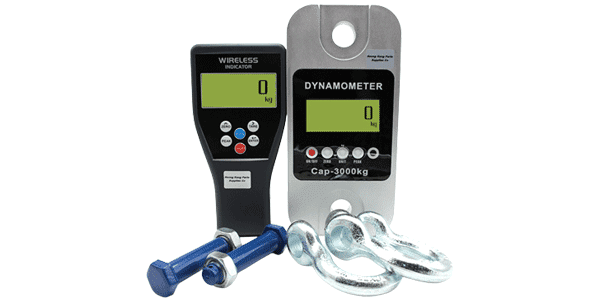
  • Wireless and implantable load cells:For long-term in vivo measurements (e.g., monitoring bone healing or heart function in live animals or humans), wireless load cells eliminate the need for bulky cables, reducing tissue damage and improving patient comfort. These sensors could transmit data via Bluetooth or radiofrequency to external devices for continuous monitoring.
  • Multimodal sensing: Combining load cells with other sensors (e.g., pressure, temperature, or pH sensors) to capture multiple physiological parameters simultaneously. For example, a load cell in a joint implant could measure both force and temperature, alerting clinicians to infection or implant loosening.
  • Smart load cells with AI: Integrating artificial intelligence (AI) algorithms into load cell systems to analyze force data in real time, identify patterns, and predict outcomes. For instance, AI could use load cell data from a surgical robot to detect tissue stiffness changes, helping surgeons distinguish between healthy and cancerous tissue during operations.

Conclusion

Load cells are the quiet workhorses of biomedical research, enabling scientists to quantify the mechanical forces that underpin life processes, disease mechanisms, and medical device performance. From measuring the traction forces of a single cell to testing the durability of an artificial heart, these sensors provide the quantitative data needed to turn observations into actionable knowledge. As technology advances, load cells will continue to shrink in size, increase in sensitivity, and integrate with other tools, opening new frontiers in mechanobiology, tissue engineering, and personalized medicine.
In a field where precision can mean the difference between a failed experiment and a life-saving discovery, load cells are more than just measuring devices—they are catalysts for innovation. As researchers push the boundaries of what is possible, the humble load cell will undoubtedly remain at the forefront of biomedical breakthroughs, helping to shape a healthier future for all.


HOT keyword: Load Cell
Recommend View More
TIME 2025.12.24

Quality Control in Load Cell Manufacturing:How We Ensure Precision|GALOCE

Discover how rigorous quality control ensures unparalleled precision and reliability in load cell manufacturing. This in-depth guide walks you through the 7 critical stages—from raw material inspection and precision machining to strain gauge bonding, calibration, and environmental testing—that make industrial-grade load cells accurate, durable, and safe for aerospace, medical, and manufacturing applications. Learn why choosing a manufacturer with certified QC processes is essential for trustworthy measurements.

TIME 2025.12.23

Load Cells in Modern Inventory Management Systems

TIME 2025.12.16

How to Install a Load Cell: A Step-by-Step Guide with Best Practices

029-81292510

info@galoce.com

Rm. 1208, Building B, Huixin IBC, No. 1 Zhang Bayi Road, High-tech Zone, Xi'an, Shaanxi, China

Copyright © Xi'an Gavin Electronic Technology Co., Ltd Site Map

Message Form