





Published on: | Author: Galoce Industrial Sensing Team
Why do load cells range from under $10 to over $1,000? Is a higher price always justified, or can budget options deliver acceptable performance? This comprehensive guide breaks down the key factors that influence load cell pricing—materials, accuracy, environmental protection, certifications, and manufacturing quality. More importantly, we explore why investing in quality upfront often leads to lower total cost of ownership, fewer failures, and more reliable measurements over the life of your application.
1. The Price Spectrum: From $1 to $2,000+
Load cell prices vary dramatically based on design, materials, precision, and application. Understanding where different products fall on the price spectrum helps set realistic expectations [citation:1].
| Price Tier | Typical Range | Characteristics | Common Applications |
|---|---|---|---|
| Entry-Level | $1 – $20 | Basic aluminum or alloy steel construction, limited documentation, ±0.1% accuracy or lower, low-cost strain gauges, minimal environmental protection [citation:1][citation:8] | Prototyping, hobby projects, low-cost consumer scales, non-critical applications [citation:1][citation:8] |
| Mid-Range | $20 – $150 | Better materials, C3 accuracy class (±0.02%), IP66/IP67 protection, documented test reports, consistent batch quality [citation:3][citation:10] | Industrial platform scales, tank weighing, process control, general manufacturing [citation:3][citation:10] |
| Premium | $150 – $600+ | Stainless steel construction, hermetically sealed (IP68/IP69K), C4/C5 accuracy, NIST-traceable calibration, OIML/NTEP certified [citation:3][citation:7] | Legal-for-trade scales, pharmaceutical, food processing, hazardous environments [citation:3][citation:7] |
| Specialty | $600 – $2,500+ | Hydraulic/pneumatic designs, explosion-proof (ATEX), high-temperature capability, custom engineered [citation:3][citation:7] | Mining, explosive atmospheres, extreme environments, aerospace testing [citation:3][citation:7] |
Note: Prices are illustrative and vary by capacity, quantity, and supplier [citation:1][citation:3][citation:6].
2. Material Matters: Alloy Steel vs. Stainless Steel vs. Aluminum
The construction material is one of the most significant cost drivers. Each offers different trade-offs between price, strength, corrosion resistance, and application suitability [citation:7].
| Material | Cost Level | Key Properties | Best Applications | Limitations |
|---|---|---|---|---|
| Alloy Steel | Low to Medium | High strength, excellent fatigue life, cost-effective for high capacities | Industrial scales, truck scales, hopper weighing, general manufacturing | Susceptible to corrosion; requires painting or coating for moisture protection |
| Stainless Steel | Medium to High | Superior corrosion resistance, hygienic, excellent dimensional stability, longer lifespan | Food processing, pharmaceutical, marine, outdoor/washdown environments | Higher initial cost, but lower total cost of ownership in harsh environments |
| Aluminum | Low | Lightweight, good fatigue resistance, easy to machine, cost-effective for low capacities | Portable scales, bench scales, retail scales, low-capacity applications | Limited load capacity; not suitable for harsh environments or heavy industrial use |
| Bronze/Ceramics | High to Very High | Specialized properties (non-magnetic, high-temperature, piezoelectric) | Legacy marine sensors, R&D, high-frequency dynamic measurements | Expensive, niche applications, difficult to source replacements |
3. Accuracy Class: C3, C4, and Beyond
Accuracy is typically expressed as a percentage of full scale and directly impacts price. Higher precision requires tighter manufacturing tolerances, better strain gauge selection, and more rigorous testing [citation:3][citation:10].
| Accuracy Class | Non-Linearity/Hysteresis | Typical Applications | Price Impact |
|---|---|---|---|
| C1 / C2 | ±0.05% – ±0.1% FS | Non-critical indication, rough weighing, low-cost systems [citation:3] | Lowest cost |
| C3 (Industry Standard) | ±0.02% FS | General industrial weighing, platform scales, tank weighing, process control [citation:3][citation:10] | Moderate; represents best value for most applications |
| C4 / C5 | ±0.015% – ±0.01% FS | High-precision batching, pharmaceutical, laboratory, legal-for-trade [citation:3][citation:6] | 20–50% premium over C3 |
| Specialty (e.g., 0.005%) | ±0.005% FS or better | Metrology, calibration laboratories, aerospace testing [citation:9] | Very high; can exceed $1,000+ |
4. Environmental Protection: IP Ratings and Sealing
Environmental sealing protects the internal strain gauges from moisture, dust, and chemicals. Higher IP ratings require more complex manufacturing and testing, increasing cost [citation:3][citation:7].
- IP65/IP66: Protected against dust and water jets. Suitable for most indoor industrial environments. Adds 10–20% to base cost [citation:3].
- IP67: Temporary immersion (up to 1m for 30 minutes). Common in food processing and outdoor installations. Moderate cost premium [citation:3][citation:10].
- IP68/IP69K: Continuous immersion and high-pressure washdown. Requires hermetic sealing (glass-to-metal feedthroughs, welded enclosures). Significant cost premium—often 30–50% higher than non-sealed equivalents [citation:3][citation:6][citation:10].
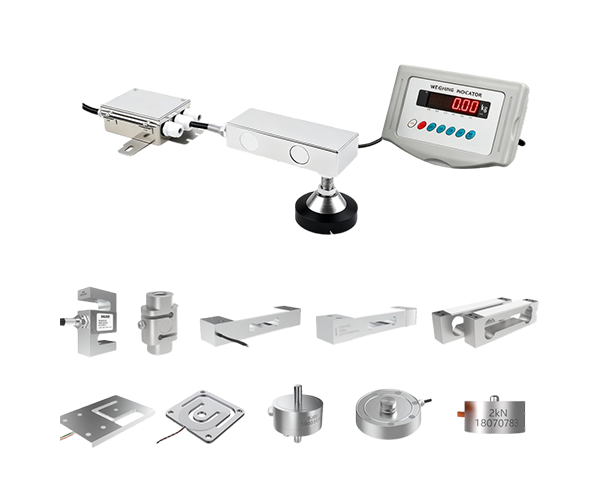
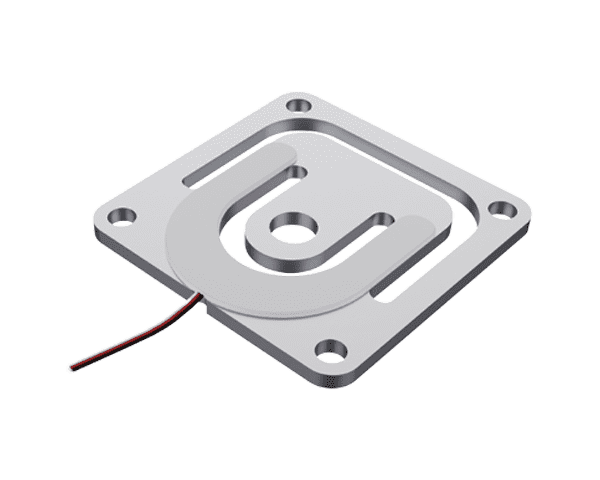
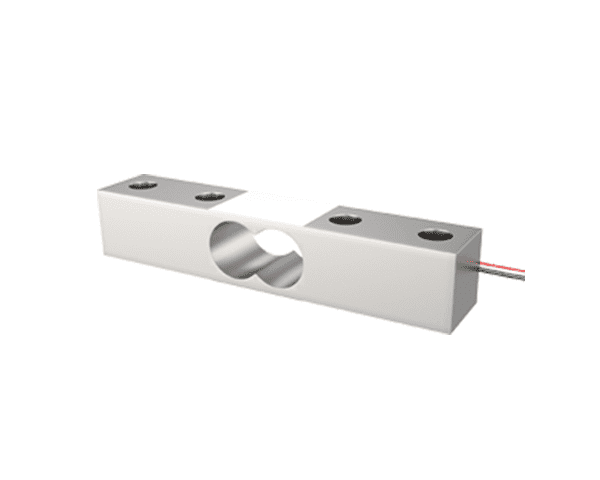
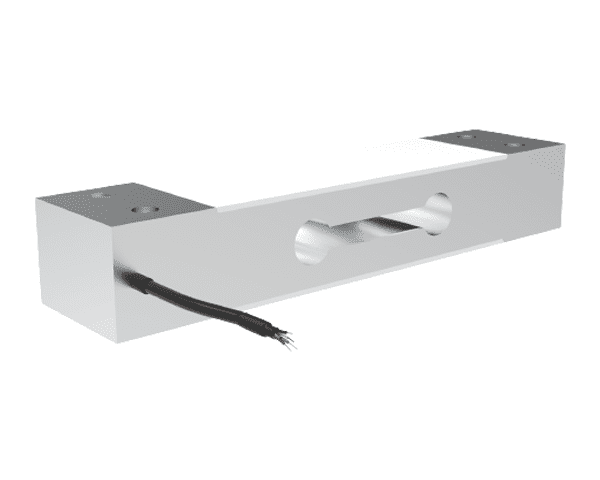
5. Load Cell Type: Single Point, Shear Beam, Compression, Hydraulic
Different mechanical designs serve different applications, and each has its own cost structure [citation:3][citation:7].
| Type | Price Range (1000 kg capacity) | Key Features | Cost Drivers |
|---|---|---|---|
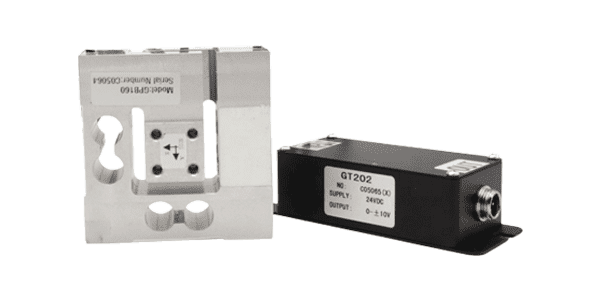
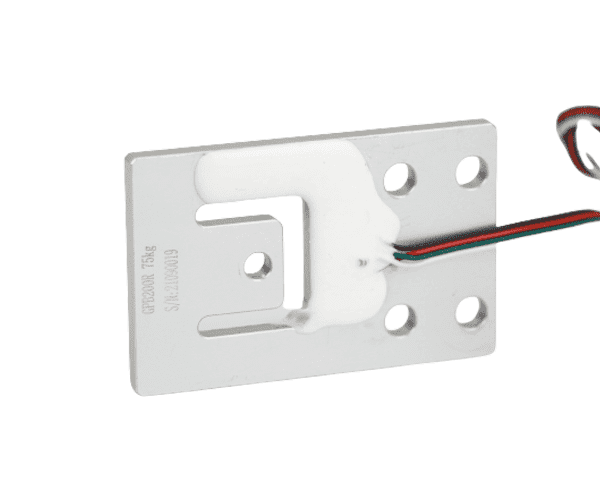
| Single Point | $50 – $500 | Compact, handles off-center loads, ideal for platform scales [citation:3] | Complex bending element design; higher-end versions for high accuracy [citation:3] |
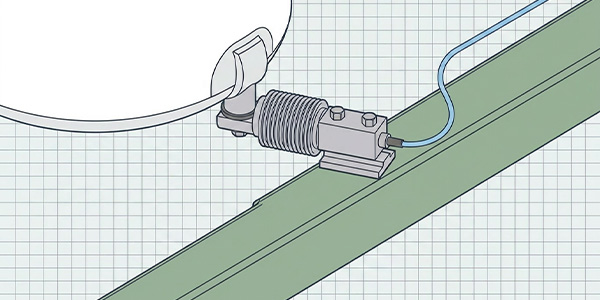
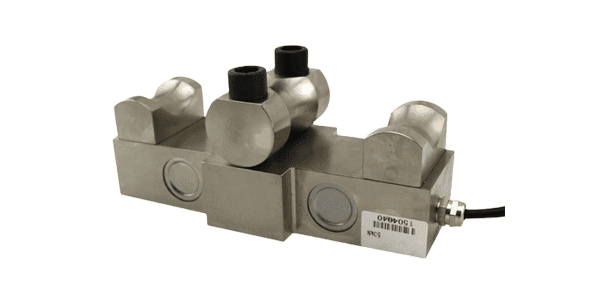
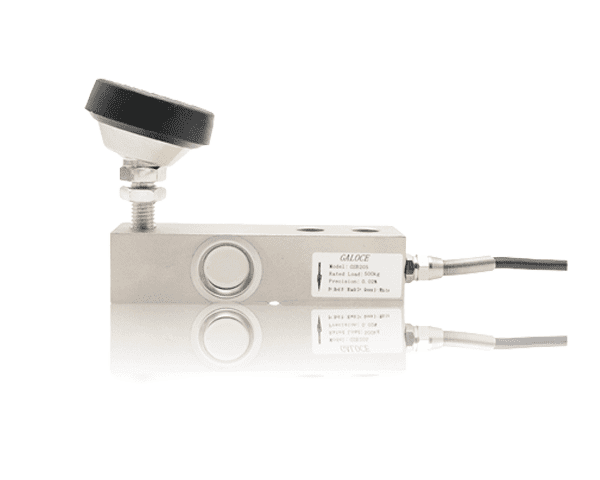
| Shear Beam | $100 – $800 | High accuracy, excellent side load rejection, durable [citation:3][citation:10] | Precision machining, strain gauge placement, material quality [citation:10] |
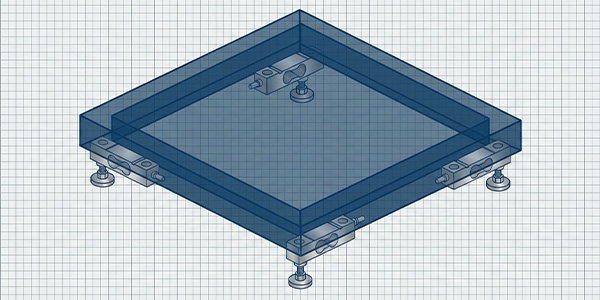
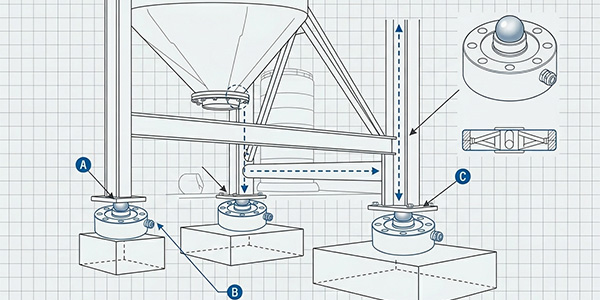
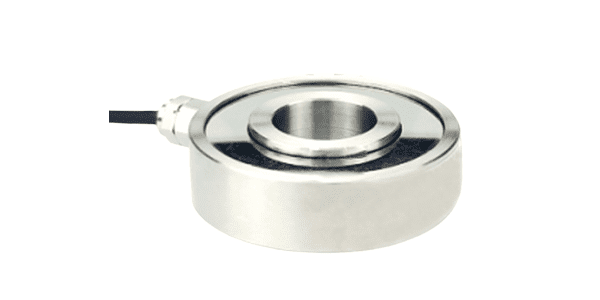
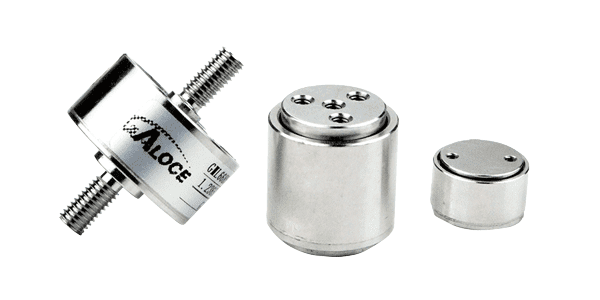
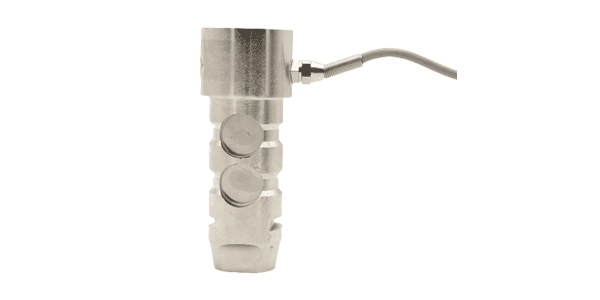
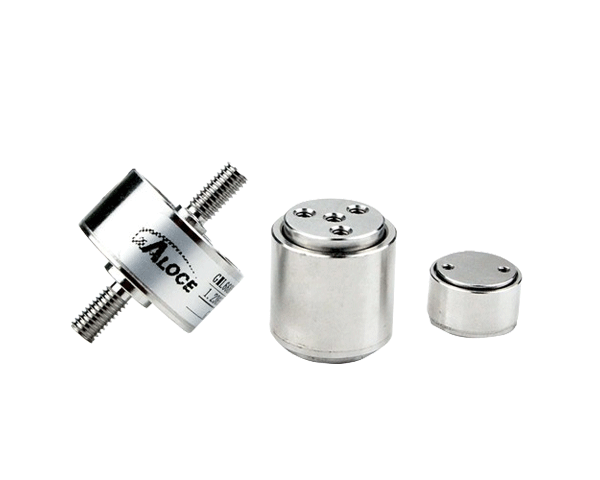
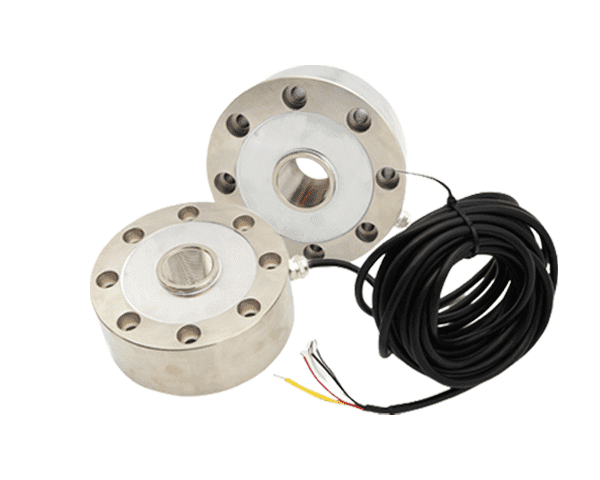
| Compression (Canister) | $100 – $600 | Very high capacities, robust, excellent long-term stability [citation:3] | Large material volume, columnar design, often stainless steel [citation:3] |
| Hydraulic | $300 – $1,500+ | No electronics, intrinsically safe, ideal for hazardous areas [citation:3][citation:7] | Precision fluid seals, pressure transducer integration, safety certifications [citation:7] |
| Pneumatic | $400 – $2,000+ | Clean operation, explosion-proof, used in food/pharma [citation:7] | Complex air system integration, specialized diaphragm design [citation:7] |
6. Certifications and Compliance (OIML, NTEP, ISO)
Certifications add cost but are essential for regulated applications. They require third-party testing, documentation, and ongoing compliance audits [citation:5][citation:6][citation:10].
- ISO 9001: Baseline quality management system certification. Indicates consistent manufacturing processes [citation:5][citation:6].
- OIML R60 / NTEP: Metrological certifications for legal-for-trade applications (e.g., retail scales, truck scales). Adds significant cost due to pattern approval testing and individual cell verification [citation:3][citation:5][citation:6].
- ATEX / IECEx: Explosion-proof certification for hazardous environments. Requires specialized design and testing, often doubling or tripling the price [citation:7].
- RoHS / REACH: Compliance with environmental regulations; minimal cost impact but necessary for EU markets [citation:1].
7. Manufacturing Quality: The Hidden Cost Driver
Beyond specifications, manufacturing quality determines consistency, reliability, and long-term performance. Factors that differentiate premium manufacturers include:
- In-house strain gauge bonding: Ensures consistent bond quality and temperature compensation.
- Individual testing and calibration: Each cell should be tested for linearity, hysteresis, creep, and temperature effects. Premium suppliers provide test reports with every unit.
- Burn-in and aging procedures: Stabilizes the sensor before shipment, reducing long-term drift .
- Vertical integration: Manufacturers who control the entire production process (from machining to final calibration) typically deliver higher consistency.
- Quality control metrics: Suppliers with on-time delivery >98%, response times <2 hours, and reorder rates >25% demonstrate operational excellence .
A low-cost load cell from a supplier with minimal quality control may meet its datasheet specs when new, but performance can degrade rapidly under real-world conditions.
8. The Real Cost of "Cheap": Failure Rates and Risk
Experience from industry professionals reveals the hidden risks of ultra-low-cost load cells .
📉 Case Study: S-Type Load Cell Rejection Rates
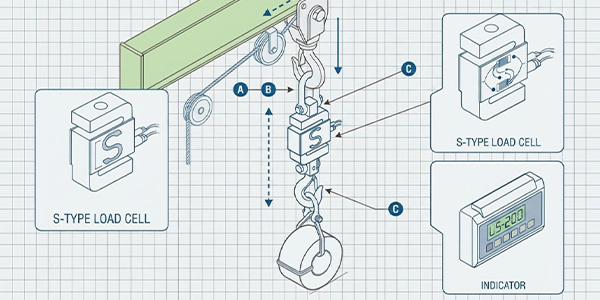
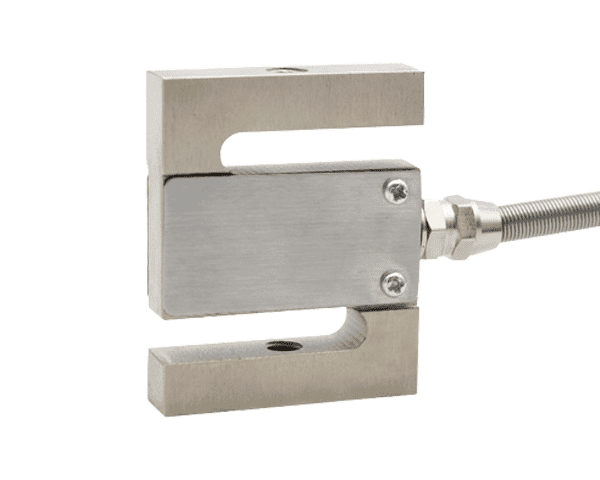
One calibration company reported that on "bad lots" of low-cost S-type load cells, up to 70% failed testing and had to be rejected. Even on "good lots," the rejection rate was still around 25%. While these cells were acceptable for non-critical applications (e.g., general testing with ±0.25% tolerance), they carried significant risk for higher-accuracy requirements .
The consequences of load cell failure or inaccuracy include:
- Product rework and scrap due to incorrect measurements
- Production downtime for replacement and recalibration
- Safety risks in overload protection or structural monitoring
- Failed audits in regulated industries
- Customer dissatisfaction from inaccurate trade weights
A device that is "just good enough" may actually cost more in the long run through frequent adjustments, failures, and lost productivity [citation:9].
9. Total Cost of Ownership: Why Quality Pays
The purchase price is only the beginning. Total cost of ownership (TCO) includes [citation:7][citation:8][citation:9]:
| Cost Factor | Budget Load Cell | Quality Load Cell |
|---|---|---|
| Initial Purchase Price | Low ($10–$50) | Higher ($100–$300+) |
| Installation & Integration | Similar for both | Similar for both |
| Calibration Frequency | May drift; requires frequent recalibration | Stable; annual calibration sufficient |
| Failure Rate / Replacement | Higher risk; potential for premature failure | Low failure rate; long service life |
| Downtime Cost | Significant if failure occurs in production | Minimized |
| Measurement Uncertainty | Higher; may lead to product giveaway or quality issues | Lower; confidence in measurements |
In many cases, a quality load cell pays for itself within 1–2 years through reduced downtime, lower scrap, and eliminated rework.
10. Conclusion: Balancing Budget and Performance
Understanding load cell price factors empowers you to make informed purchasing decisions that balance upfront cost with long-term value. Key takeaways:
- Match the load cell to your application requirements—don't overspecify, but don't underspecify for critical parameters like environment and accuracy.
- Consider total cost of ownership, not just purchase price. A slightly higher initial investment often delivers lower lifetime cost .
- Verify supplier credibility through certifications, test reports, and operational metrics (on-time delivery, reorder rates) .
- Test samples before committing to volume purchases—validate performance against datasheet claims .
- For legal-for-trade or safety-critical applications, never compromise on certification and quality .
At Galoce, we believe in transparent pricing that reflects true engineering value. Our load cells are designed for reliability, manufactured with rigorous quality control, and supported by comprehensive documentation—because we know that in force measurement, quality always matters.
Contact Our Engineering Team for assistance selecting the right load cell for your application.