








Dynamic Torque Sensors vs. Static Load Cells: Principles and Differences
If you're in manufacturing, automotive engineering, aerospace, or any field that relies on precise force and torque measurements, you've likely encountered the terms "dynamic torque sensors" and "static load cells." While both tools play critical roles in quality control, product development, and safety testing, they serve distinct purposes—and understanding their differences is key to choosing the right instrument for your application.
In this blog, we'll break down the core principles of dynamic torque sensors and static load cells, explore their key differences, and highlight real-world use cases to help you make informed decisions. Whether you're optimizing a production line, testing a new vehicle component, or ensuring compliance with industry standards, this guide will clarify which tool fits your needs.
What Are Dynamic Torque Sensors?
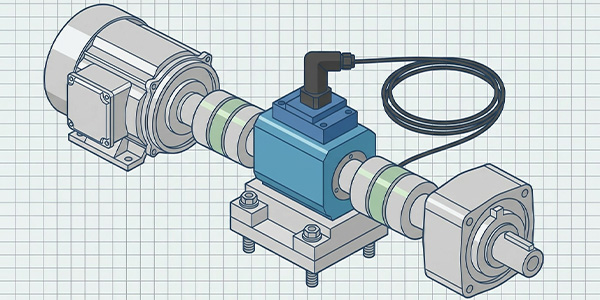
Dynamic torque sensors are specialized devices designed to measure torque (rotational force) in moving or rotating systems. Unlike static torque sensors, which measure torque in stationary components, dynamic sensors excel in capturing torque changes in real time as a system operates.
Core Principles of Dynamic Torque Sensors
At their heart, dynamic torque sensors work by converting mechanical torque into an electrical signal that can be measured and analyzed. The most common technologies used in these sensors include:
1. Strain Gauge Technology
Many dynamic torque sensors use strain gauges—thin, flexible wires or foil strips that change resistance when stretched or compressed. These gauges are bonded to a rotating shaft (the "torque transducer"). When torque is applied, the shaft twists, causing the strain gauges to deform. This deformation changes the electrical resistance of the gauges, which is then converted into a voltage signal proportional to the torque.
Key Feature: Strain gauge-based sensors are highly sensitive and can measure both static and dynamic torque, but they are particularly effective for dynamic applications due to their fast response times.
2. Optical Technology
Optical dynamic torque sensors use light to detect shaft deformation. A light source emits a beam onto a reflective surface on the rotating shaft; as the shaft twists, the reflection angle changes. A photodetector captures this change and converts it into a torque reading.
Key Feature: Optical sensors are non-contact, meaning they don't introduce friction or wear to the rotating system. This makes them ideal for high-speed applications where mechanical contact could compromise accuracy.
3. Magnetic Technology
Magnetic dynamic torque sensors rely on the relationship between torque and magnetic fields. A rotating shaft with a magnetic encoder interacts with stationary magnetic sensors. As torque twists the shaft, the encoder's position relative to the sensors changes, altering the magnetic field. This change is detected and translated into a torque measurement.
Key Feature: Magnetic sensors are durable and resistant to harsh environments (e.g., high temperatures, dust, or moisture), making them suitable for industrial settings.
Key Characteristics of Dynamic Torque Sensors
- Real-Time Measurement: Dynamic sensors capture torque changes as they happen, making them essential for monitoring transient events (e.g., a car engine's acceleration or a robot arm's movement).
- High Bandwidth: They can measure rapid torque fluctuations—some sensors have bandwidths up to 10 kHz, allowing them to track fast-moving systems.
- Rotational Compatibility: Designed to work with rotating shafts, they often include slip rings or wireless transmitters to send data from the moving component to a stationary reader.
What Are Static Load Cells?
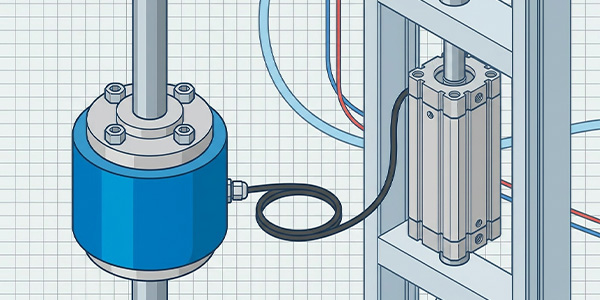
Static load cells, on the other hand, are devices that measure static force (force applied to a stationary object) or slowly changing forces. They are not designed for rotational systems; instead, they excel at measuring compression, tension, or shear forces in fixed structures.
Core Principles of Static Load Cells
Like dynamic torque sensors, static load cells often use strain gauge technology, but their design is optimized for stationary force measurement:
1. Strain Gauge Load Cells
The most common type, these cells consist of a rigid metal body (e.g., steel or aluminum) with strain gauges bonded to it. When a force is applied, the body deforms slightly, causing the strain gauges to change resistance. This resistance change is converted into an electrical signal proportional to the applied force.
Key Feature: Strain gauge load cells are highly accurate for static or slow-changing forces and are available in various configurations (e.g., compression-only, tension-only, or universal).
2. Piezoresistive Load Cells
These cells use piezoresistive materials—substances whose electrical resistance changes when pressure is applied. When force is exerted on the cell, the piezoresistive material deforms, altering its resistance. This change is measured and converted into a force reading.
Key Feature: Piezoresistive load cells are compact and offer high sensitivity, making them suitable for small-scale applications (e.g., medical devices or consumer electronics testing).
3. Hydraulic Load Cells
Hydraulic load cells use a fluid-filled chamber. When force is applied, the fluid pressure increases, which is measured by a pressure gauge. The pressure reading is then converted into a force value.
Key Feature: Hydraulic load cells are durable and resistant to electrical interference, making them ideal for hazardous environments (e.g., explosive atmospheres).
Key Characteristics of Static Load Cells
- Static Force Focus: They are designed for forces that do not change rapidly or for objects that are stationary.
- High Accuracy: Static load cells can achieve accuracy levels of ±0.02% to ±0.1% of full scale, making them critical for precision applications like weighing or material testing.
- Fixed Installation: They are typically mounted to stationary structures (e.g., a test bench or a production line frame) and do not move during measurement.
Key Differences Between Dynamic Torque Sensors and Static Load Cells
Now that we've covered the basics, let's dive into the critical differences between these two instruments. Understanding these distinctions will help you select the right tool for your specific use case.
1. Measurement Type: Torque vs. Force
The most fundamental difference is the physical quantity each device measures:
- Dynamic Torque Sensors: Measure torque, which is a rotational force (e.g., the force required to turn a bolt, the torque produced by a motor, or the twisting force on a drive shaft).
- Static Load Cells: Measure force, which is a linear or axial force (e.g., the weight of a product, the compression force on a building material, or the tension in a cable).
2. Application Environment: Rotating vs. Stationary
Dynamic torque sensors are built for rotating systems, while static load cells are for stationary objects:
- Dynamic Torque Sensors: Used in applications where components are moving (e.g., car engines, wind turbine shafts, robotic arms, or industrial mixers). They require mechanisms like slip rings or wireless data transmission to send measurements from rotating parts.
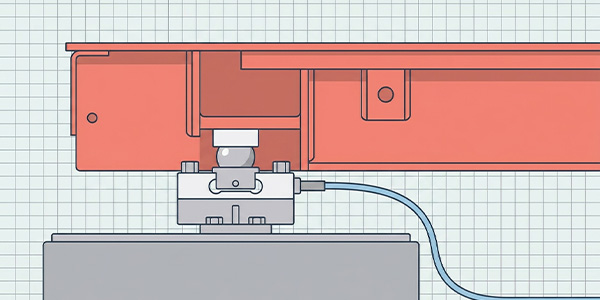
- Static Load Cells: Used in applications where components are fixed (e.g., weighing scales, material testing machines, structural load testing, or packaging equipment). They are mounted to stationary frames and do not need to account for rotation.
3. Response Time and Bandwidth
Dynamic torque sensors are optimized for fast, real-time measurements, while static load cells prioritize stability for slow or constant forces:
- Dynamic Torque Sensors: Have high bandwidth (up to 10 kHz or more) to capture rapid torque changes. For example, a sensor in a car engine must measure torque fluctuations as the engine accelerates from 1,000 to 6,000 RPM in seconds.
- Static Load Cells: Have low bandwidth, as they are designed for forces that change slowly or not at all. A load cell in a weighing scale, for instance, only needs to measure the steady weight of an object, not rapid fluctuations.
4. Design and Construction
The physical design of each device reflects its intended use:
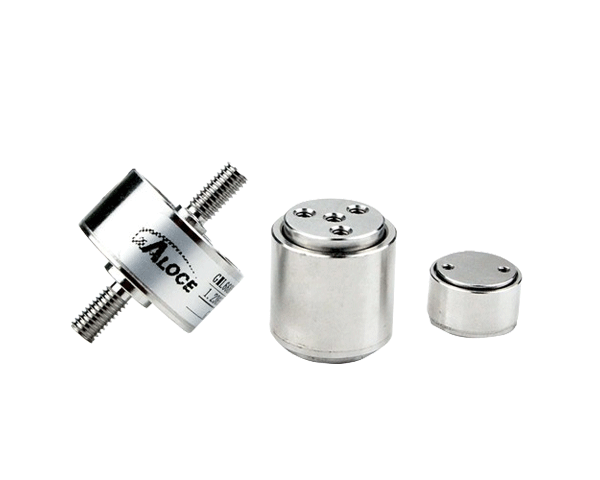
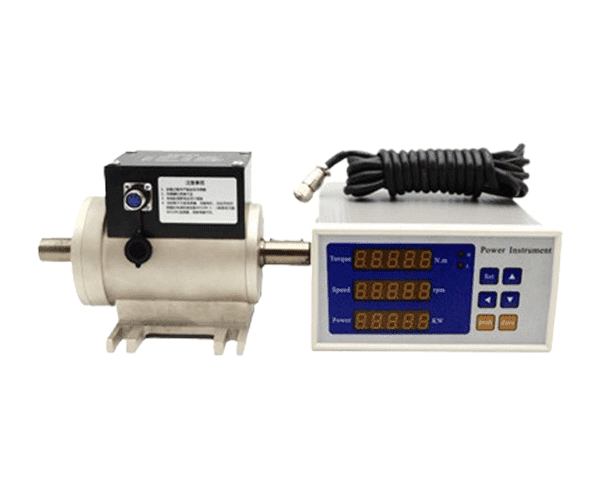
- Dynamic Torque Sensors: Often have a cylindrical shape to fit onto rotating shafts. They may include slip rings (to transfer data from rotating parts) or wireless transmitters. Materials are chosen for durability and resistance to centrifugal forces (e.g., high-strength steel).
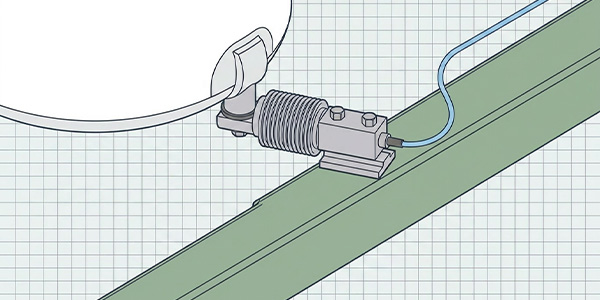
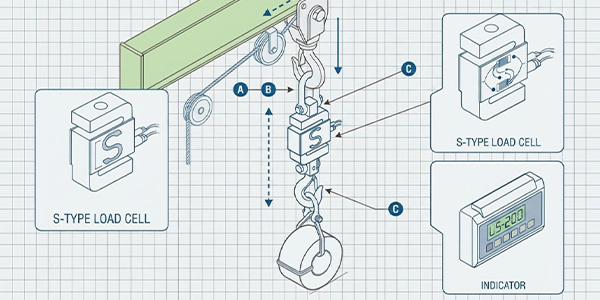
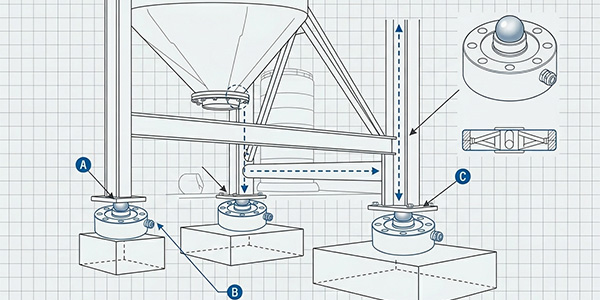
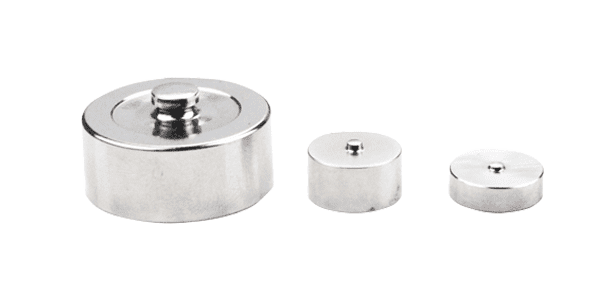
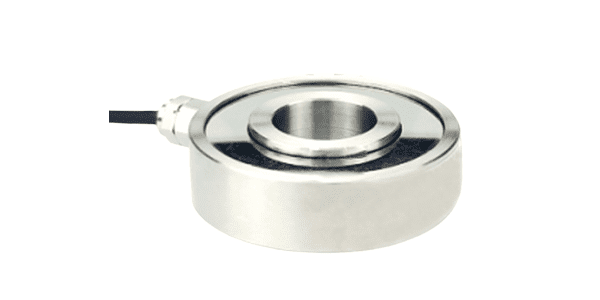
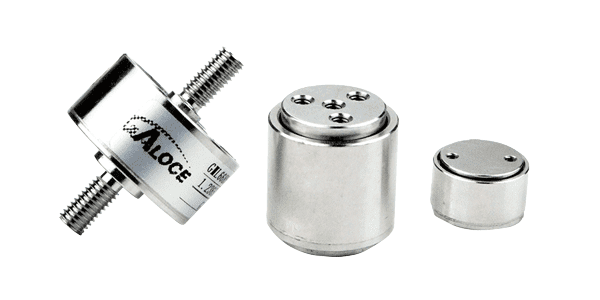
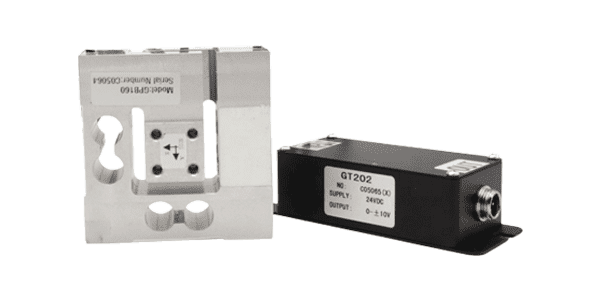
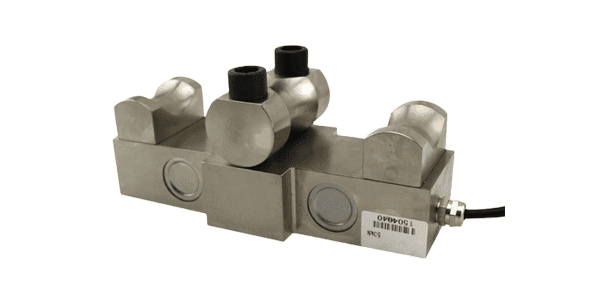
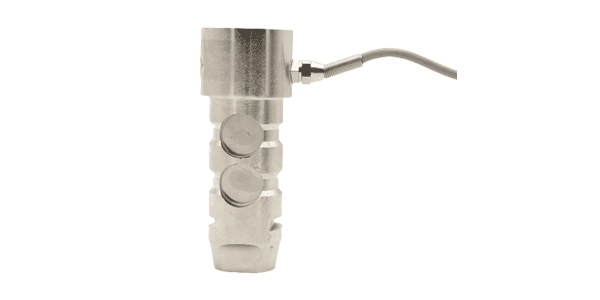
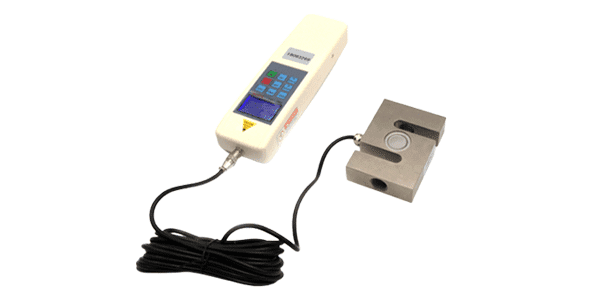
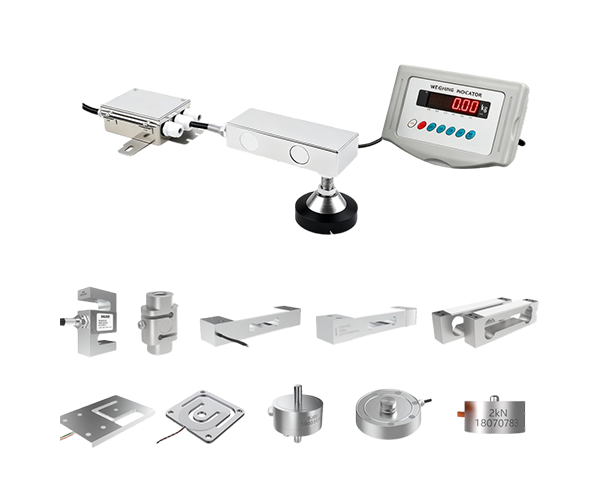
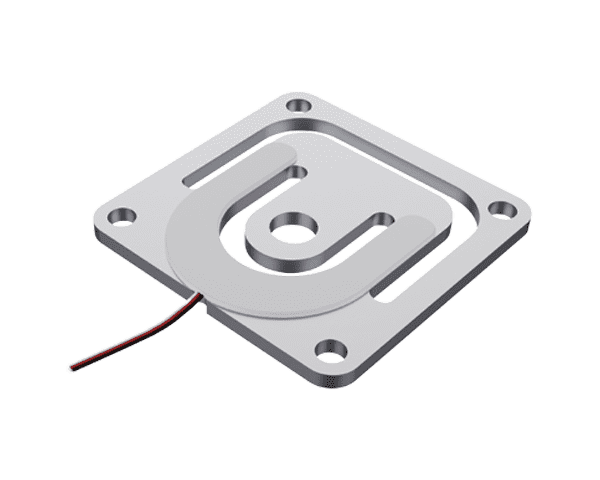
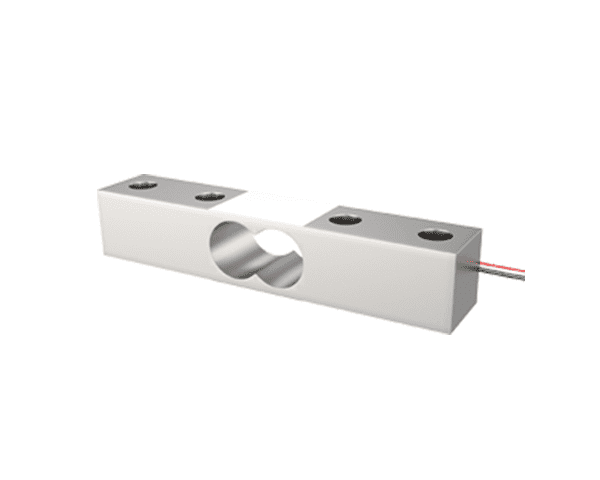
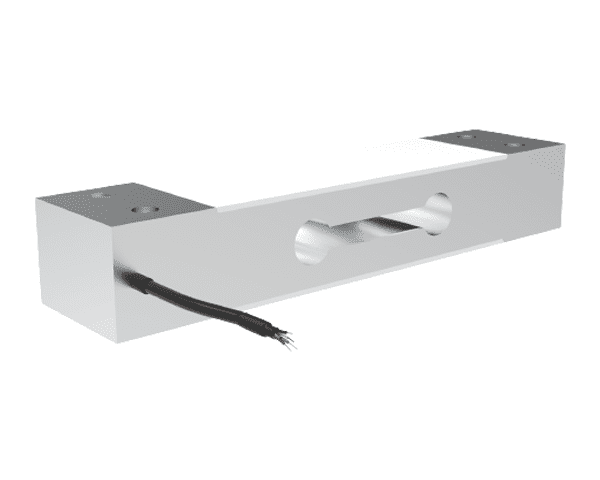
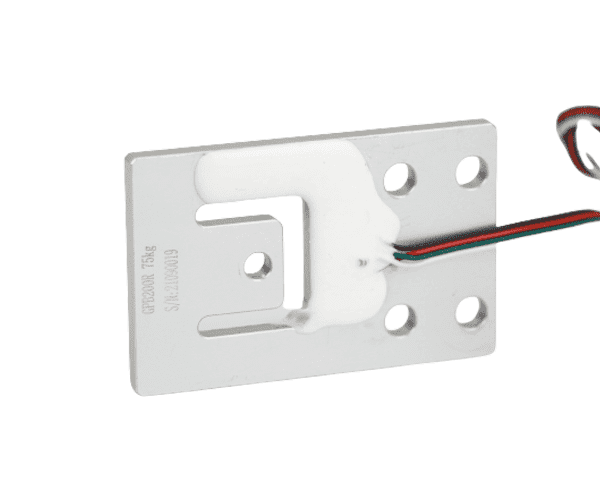
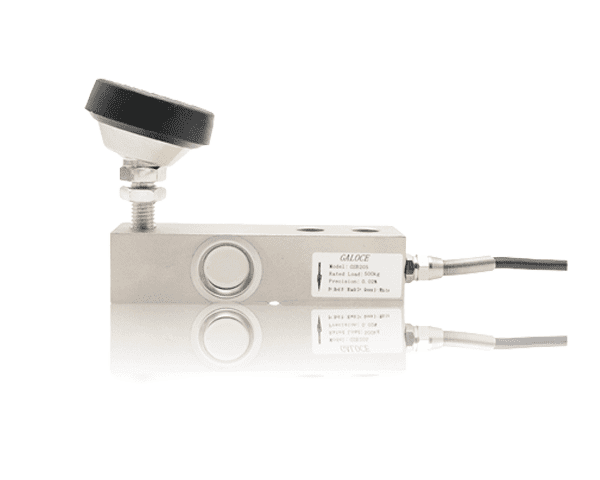
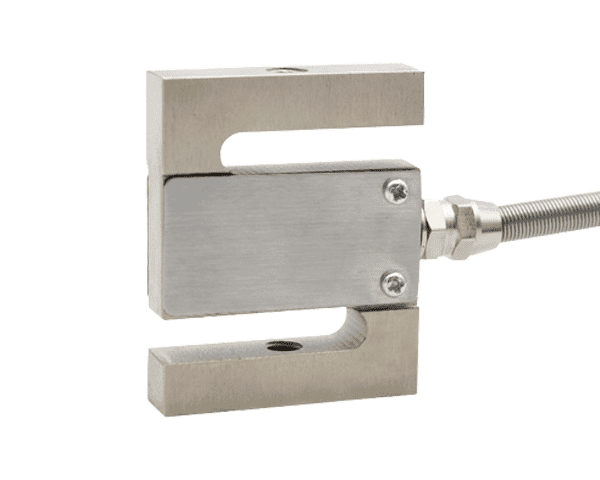
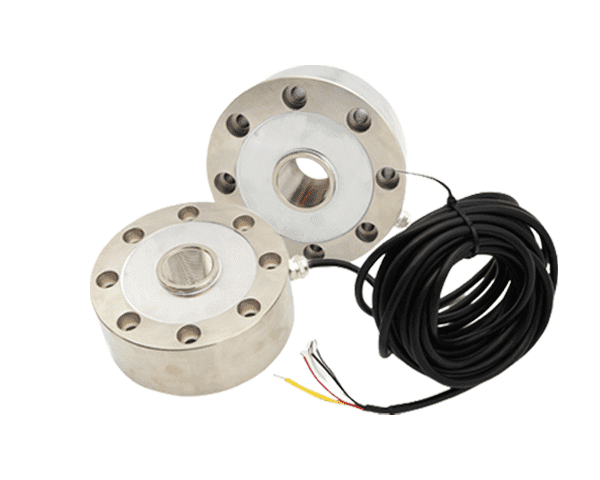
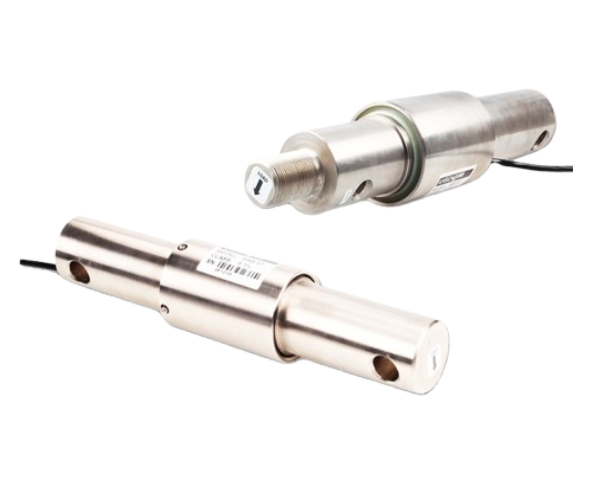
- Static Load Cells: Come in various shapes (e.g., S-beam, pancake, or column) depending on the application. They are rigid and sturdy to handle static forces without deforming permanently. Materials like stainless steel are common for corrosion resistance.
5. Accuracy and Precision
While both devices are accurate, their precision is tailored to their use cases:
- Dynamic Torque Sensors: Prioritize dynamic accuracy—the ability to measure torque changes accurately in real time. They may have slightly lower static accuracy than load cells but excel at tracking transient events.
- Static Load Cells: Prioritize static accuracy—the ability to measure constant or slow-changing forces with high precision. They are calibrated for stability over time, making them ideal for applications like laboratory testing or quality control weighing.
Real-World Use Cases
To further illustrate the differences, let's look at how each device is used in practical applications.
Dynamic Torque Sensor Applications
- Automotive Engine Testing: Car manufacturers use dynamic torque sensors to measure the torque produced by engines during acceleration, deceleration, and idle. This data helps optimize fuel efficiency, reduce emissions, and ensure engine performance meets safety standards. For example, a sensor mounted on a crankshaft can track torque fluctuations as the engine cycles through gears.
- Wind Turbine Monitoring: Wind turbines rely on dynamic torque sensors to measure the torque on the main shaft. This data helps operators adjust the turbine's pitch to maximize energy output and prevent overloading. Sensors must withstand harsh outdoor conditions (e.g., wind, rain, and temperature changes) while providing real-time data.
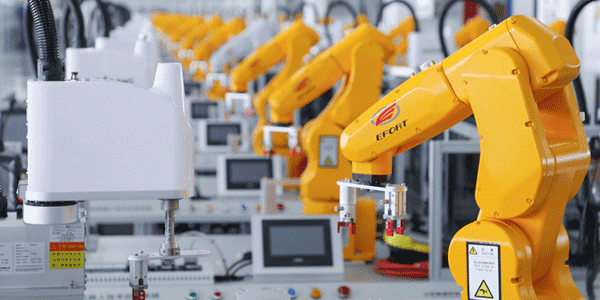
- Robotic Arm Calibration: Industrial robots use dynamic torque sensors to measure the torque applied by their joints during movement. This ensures the robot operates within safe torque limits, preventing damage to the arm or the products it handles. For example, a sensor on a robot's wrist can adjust torque in real time to pick up fragile objects without breaking them.
- Aerospace Propulsion Testing: Aerospace engineers use dynamic torque sensors to test jet engine components. Sensors measure the torque on turbine shafts during simulated flight conditions, helping to identify potential failures and optimize engine design.
Static Load Cell Applications
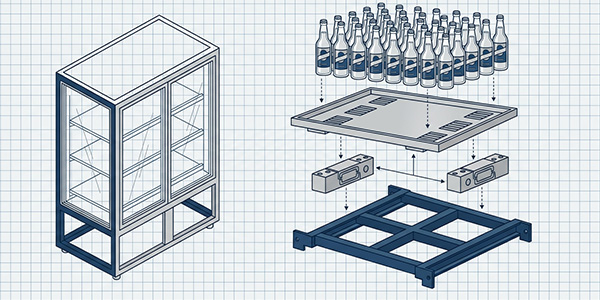
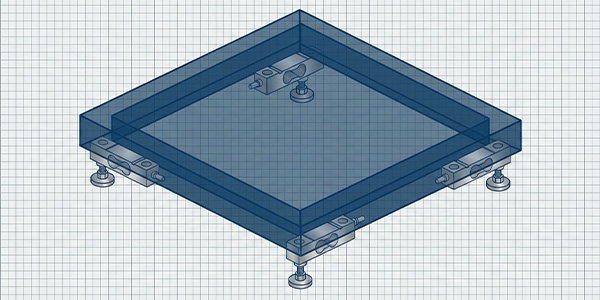
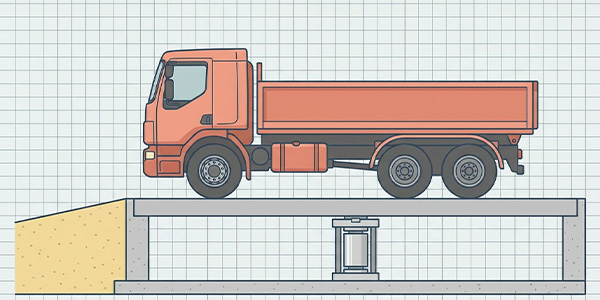
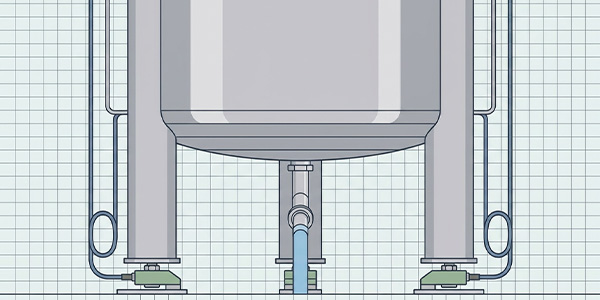
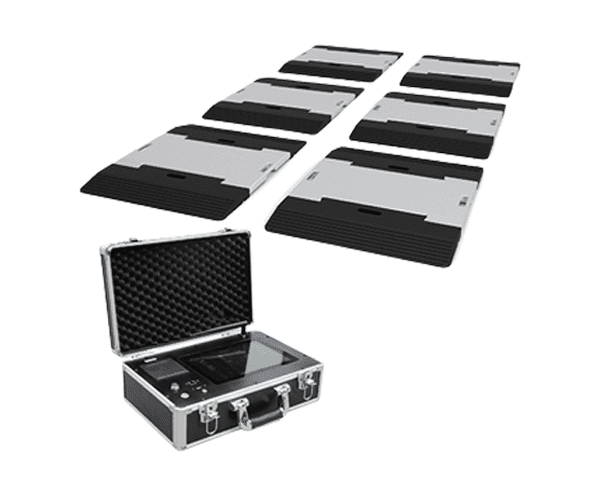
- Industrial Weighing Scales: Static load cells are the backbone of industrial weighing systems, from small bench scales to large truck scales. They measure the weight of raw materials, finished products, and cargo, ensuring compliance with shipping regulations and quality control standards. For example, a load cell in a warehouse scale can accurately weigh pallets of goods for inventory management.
- Material Testing Machines: In laboratories, static load cells are used to test the strength of materials like steel, concrete, or plastic. A load cell applies a controlled force to a sample until it breaks, measuring the maximum load the material can withstand. This data is critical for designing safe and durable structures.
- Structural Load Testing: Civil engineers use static load cells to test the load-bearing capacity of bridges, buildings, and other structures. Load cells are placed under the structure and apply a static force to simulate the weight of traffic, people, or equipment. This ensures the structure meets safety codes and can withstand expected loads.
- Medical Device Testing: Static load cells are used to test medical devices like prosthetics, wheelchairs, and surgical instruments. For example, a load cell can measure the force required to bend a prosthetic limb, ensuring it is strong enough for daily use without breaking.
How to Choose Between Dynamic Torque Sensors and Static Load Cells
When selecting between these two instruments, consider the following factors:
1. What Quantity Are You Measuring?
- If you need to measure rotational force (torque) in a moving system, choose a dynamic torque sensor.
- If you need to measure linear force (e.g., weight, compression, or tension) in a stationary system, choose a static load cell.
2. Is the System Rotating or Stationary?
- Dynamic torque sensors are designed for rotating components (e.g., shafts, motors, or gears).
- Static load cells are for stationary objects (e.g., test benches, weighing scales, or fixed structures).
3. What Is the Speed of Force/Torque Changes?
- If the force or torque changes rapidly (e.g., during acceleration or machine operation), a dynamic torque sensor with high bandwidth is necessary.
- If the force is constant or changes slowly (e.g., weighing a product), a static load cell will provide stable, accurate readings.
4. Environmental Conditions
- Dynamic torque sensors for industrial or outdoor use should be resistant to dust, moisture, and temperature changes. Look for sensors with IP ratings (e.g., IP67 for water resistance).
- Static load cells may need to be corrosion-resistant (e.g., stainless steel) if used in wet or harsh environments.
5. Accuracy Requirements
- For static applications like weighing or material testing, prioritize a static load cell with high static accuracy (±0.02% to ±0.1% of full scale).
- For dynamic applications like engine testing, prioritize a dynamic torque sensor with high dynamic accuracy and fast response times.
Conclusion
Dynamic torque sensors and static load cells are both essential tools in the world of measurement, but they serve distinct purposes. Dynamic torque sensors excel at measuring rotational force in moving systems, while static load cells are designed for linear force in stationary applications. By understanding their principles, differences, and use cases, you can select the right instrument to ensure accuracy, safety, and efficiency in your operations.
Whether you're testing a car engine, weighing cargo, or calibrating a robotic arm, choosing the right sensor or load cell will make all the difference. By considering factors like measurement type, system movement, response time, and environmental conditions, you can make an informed decision that meets your specific needs.
If you're still unsure which device is right for you, consult with a measurement technology expert. They can help you assess your application requirements and recommend the best solution for your project.