
Top 5 Considerations When Selecting a Micro Load Cell

TIME: 2025.12.09 AUTHOR: Carol Li NUMBER OF VIEWS 17
Micro load cells are the hidden ninjas of precision measurement. These compact, sensitive devices are engineered to detect and convert small forces—often ranging from a few grams to several kilograms—into measurable electrical signals. Found in applications as diverse as medical devices, aerospace testing, robotics, and industrial automation, their performance directly impacts the accuracy, reliability, and safety of the systems they serve. Selecting the right micro load cell, however, is not a one-size-fits-all endeavor. With countless models, specifications, and technologies on the market, navigating the options requires careful consideration of key factors that align with your specific use case. In this blog, we’ll explore the top five considerations to keep in mind when choosing a micro load cell, ensuring that your selection meets both technical requirements and practical demands.

1.Capacity and Range: Matching Force to Application

At the core of any load cell selection process lies a fundamental question: *How much force does the device need to measure?* Load capacity—the maximum force a load cell can reliably detect without permanent damage—is the starting point. Micro load cells are defined by their ability to handle small loads, but “small” is relative. A medical device measuring tissue tension might require a range of 0–100 grams, while a robotics application lifting small components could need 0–5 kilograms. Choosing a load cell with a capacity that is too low risks overloading and failure; one that is too high sacrifices sensitivity, leading to imprecise measurements.

Key Subfactors to Evaluate:

  • Nominal Capacity vs. Working Range: The nominal capacity is the maximum force the load cell is rated to measure, but most applications operate within a “working range” well below this limit. For optimal accuracy, aim to keep your typical operating force between 10% and 90% of the nominal capacity. This range ensures the load cell is sensitive enough to detect small changes while avoiding the non-linear behavior that can occur near the extremes.
  • Overload Protection: Even with careful planning, unexpected overloads can happen. Look for micro load cells with built-in overload protection, often specified as a percentage of nominal capacity (e.g., 150% overload protection). This feature safeguards the device from damage during transient spikes, such as accidental impacts or sudden force surges.
  • Tension vs. Compression: Some load cells are designed to measure only tension (pulling forces), others only compression (pushing forces), and a few can handle both (tension-compression). Ensure the load cell’s design matches the type of force in your application. For example, a medical syringe pump measuring fluid pressure relies on compression, while a cable tension monitor in a drone uses tension.

Example Scenario:

Imagine you’re designing a lab instrument to measure the force exerted by a tiny robotic gripper picking up 0.5-gram electronic components. A load cell with a 10-gram nominal capacity would place the working range between 1 gram (10% of 10g) and 9 grams (90% of 10g), which is ideal for 0.5g loads. A 50-gram load cell, by contrast, would measure 0.5g as just 1% of its capacity, resulting in poor resolution and high measurement error.

2. Accuracy and Precision: Defining Measurement Quality

Accuracy and precision are often used interchangeably, but in engineering terms, they refer to distinct aspects of measurement quality. *Accuracy* is how close a measurement is to the true value, while *precision* is how consistent repeated measurements are, even if they are not accurate. For micro load cells, both are critical, but their importance varies by application. A medical device measuring drug dosages demands high accuracy to ensure patient safety, while a manufacturing sensor counting parts might prioritize precision to maintain consistency.

Key Metrics to Understand:

  • Non-Linearity: This measures how much the load cell’s output deviates from a straight line across its working range. Expressed as a percentage of full-scale output (FSO), lower values indicate better linearity. For example, a non-linearity of ±0.1% FSO means the maximum deviation from the ideal output is 0.1% of the full-scale signal.
  • Hysteresis: Hysteresis refers to the difference in output when measuring the same force during loading (increasing force) versus unloading (decreasing force). Like non-linearity, it is specified as a percentage of FSO. Low hysteresis is crucial in applications with frequent force reversals, such as a robotic arm that alternates between gripping (compression) and releasing (tension).
  • Repeatability: This metric quantifies the consistency of measurements when the same force is applied multiple times under identical conditions. Expressed as ±% FSO, repeatability is a measure of precision. For example, a repeatability of ±0.05% FSO ensures that repeated measurements of the same force will vary by no more than 0.05% of the full-scale output.
  • Temperature Effects: Micro load cells are sensitive to temperature changes, which can cause drift in output. Look for specifications like “temperature effect on zero” (changes in output when no force is applied) and “temperature effect on span” (changes in output at full capacity). These are typically given in units of % FSO per °C. For applications in environments with fluctuating temperatures (e.g., industrial ovens or outdoor robotics), choose load cells with minimal temperature sensitivity or built-in temperature compensation.

Practical Tip:

Don’t overspecify accuracy unless your application truly requires it. High-precision micro load cells often come with a higher price tag and may be more fragile. For example, a consumer electronics assembly line testing button presses might need a repeatability of ±0.5% FSO, while a scientific instrument measuring cellular forces could demand ±0.01% FSO. Align accuracy requirements with your application’s tolerance for error.

3. Environmental Conditions: Adapting to the Operating Environment

Micro load cells are deployed in a wide range of environments, from clean, temperature-controlled labs to harsh industrial settings with dust, moisture, and vibration. The operating environment can significantly impact performance and longevity, making it essential to choose a load cell that can withstand the conditions it will face.

Common Environmental Challenges and Solutions:

  • Moisture and Contamination: In applications like food processing, medical devices, or outdoor equipment, exposure to water, chemicals, or dust can damage internal components. Look for load cells with ingress protection (IP) ratings, such as IP67 (dust-tight and water-resistant up to 1 meter) or IP68 (submersible). For extreme cases, hermetically sealed load cells—encapsulated in materials like stainless steel to prevent any fluid or particle ingress—are ideal.
  • Temperature Extremes: High temperatures can degrade materials and cause thermal expansion, while low temperatures can make components brittle. Check the load cell’s operating temperature range (e.g., -40°C to 85°C) and ensure it matches your environment. For cryogenic or high-heat applications, specialized materials like Inconel or ceramic may be necessary.
  • Vibration and Shock: Industrial machinery, transportation, and robotics generate vibration and shock, which can introduce noise into measurements or physically damage the load cell. Choose models with robust construction, such as those with a rigid base or damping features. Additionally, consider the load cell’s resonant frequency—the frequency at which vibration can amplify and cause measurement errors. Select a load cell with a resonant frequency well above the dominant vibration frequencies in your system.
  • Electromagnetic Interference (EMI): In environments with high electrical noise (e.g., near motors, power lines, or radio frequency equipment), EMI can disrupt the load cell’s output signal. Look for load cells with shielded cables and grounded enclosures to minimize interference. Differential signal outputs (e.g., wheatstone bridge configurations) are also more resistant to EMI than single-ended outputs.

Example:

A micro load cell used in a surgical robot must operate in a sterile, temperature-controlled OR (typically 20–25°C) with minimal vibration. An IP67 rating ensures it can withstand cleaning with disinfectants, while low EMI sensitivity prevents interference from nearby medical equipment. In contrast, a load cell in an automotive manufacturing plant would need IP65 protection against oil and debris, a wide temperature range (-20°C to 70°C), and resistance to vibration from assembly line machinery.

4. Mechanical Design and Integration: Fitting Form to Function

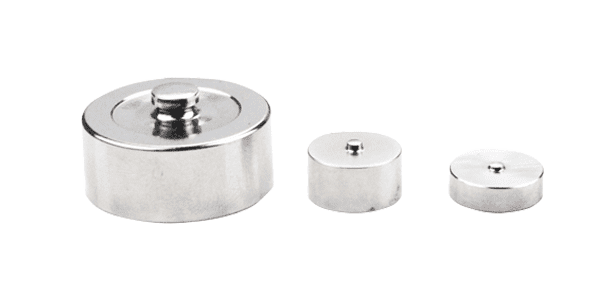
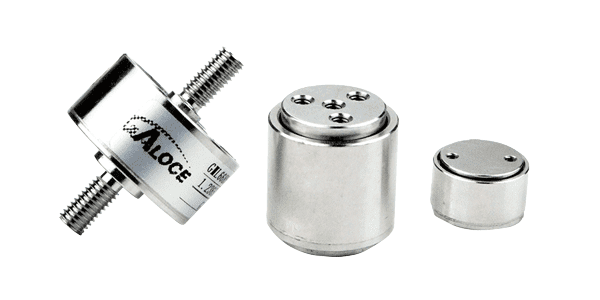
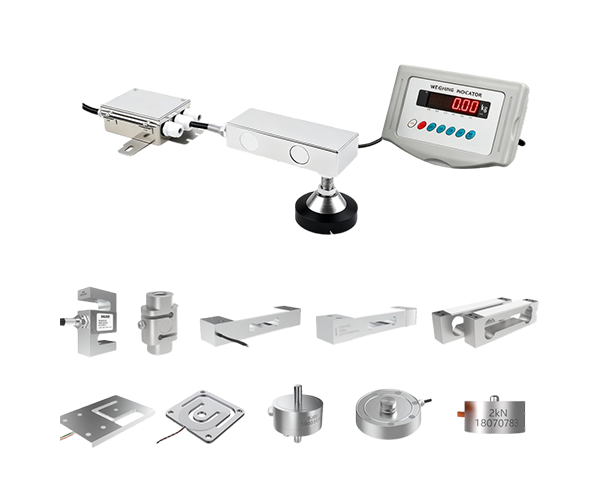
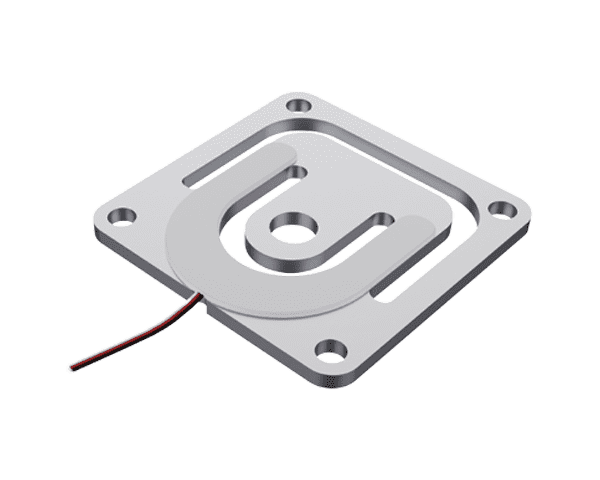
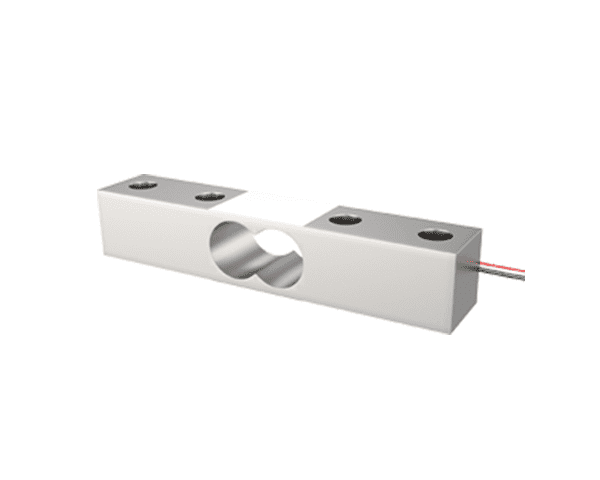
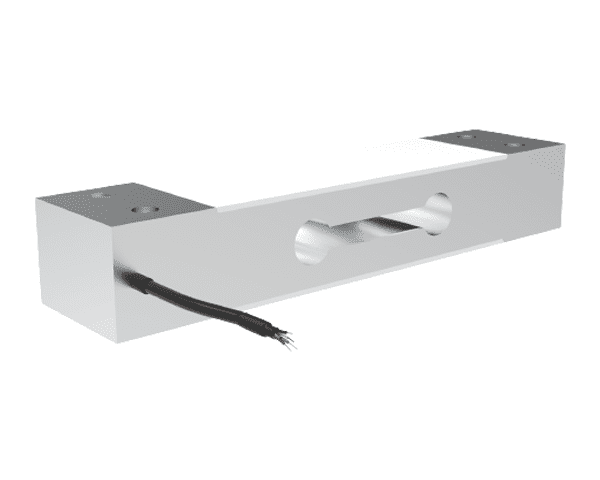
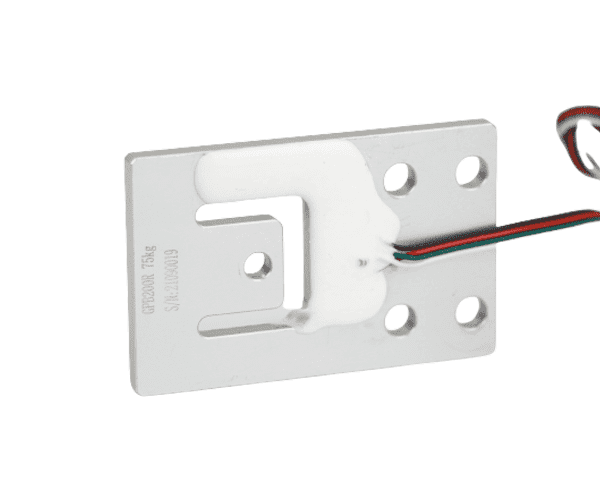
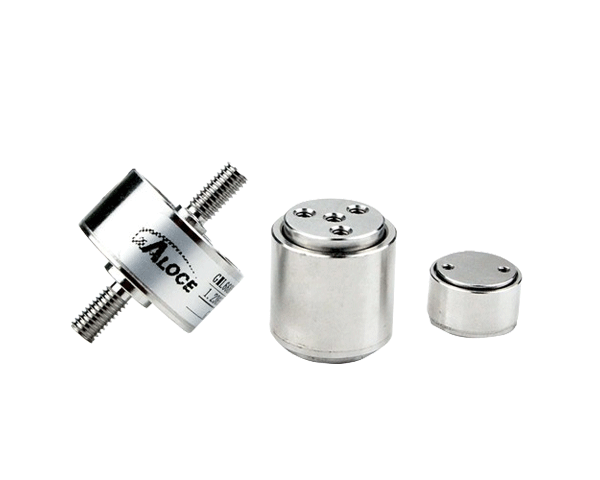
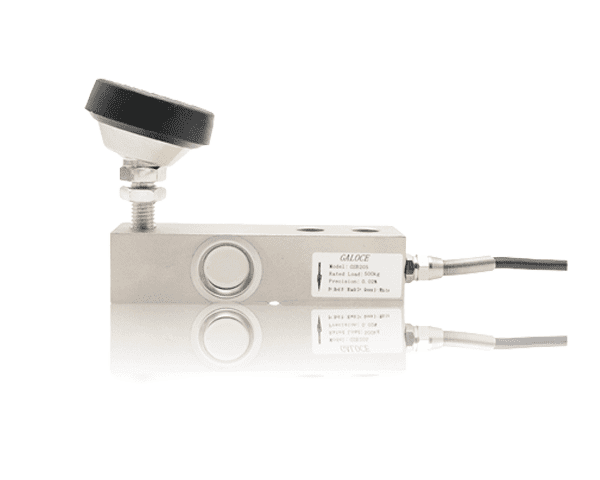
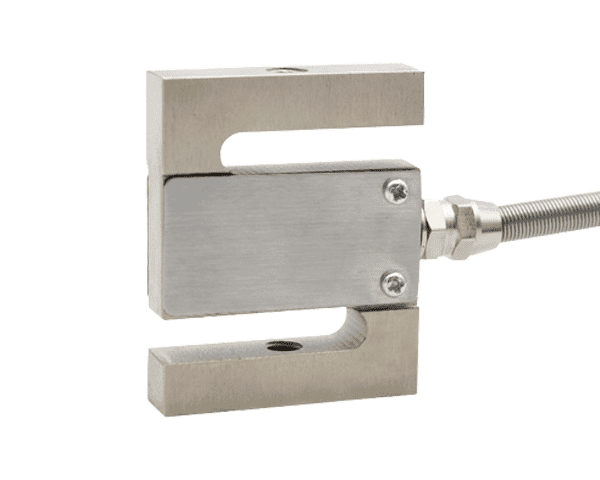
Micro load cells come in a variety of shapes and sizes, from tiny button-style cells (as small as 5mm in diameter) to beam or S-beam designs. The mechanical design directly affects how the load cell integrates into your system, including mounting, alignment, and the type of force it can measure. A poorly integrated load cell can introduce measurement errors, increase installation time, or even fail prematurely.

Key Mechanical Considerations:

  • Form Factor: The load cell’s size and shape must fit within the available space in your system. For miniaturized devices like wearable sensors or endoscopic tools, ultra-compact load cells (e.g., sub-10mm dimensions) are critical. In contrast, industrial applications may have more space but require specific mounting features like threaded holes or flanges.
  • Mounting Requirements: Proper mounting ensures that force is applied axially (along the load cell’s sensitive axis). Misalignment—even by a few degrees—can cause bending or shear forces, leading to inaccurate measurements or structural stress. Look for load cells with built-in alignment features, such as spherical seats or swivel mounts, to accommodate minor misalignments. Additionally, consider whether the load cell will be mounted in-line (series with the force path), under a platform, or in another configuration, and choose a design that facilitates easy installation.
  • Material Selection: The load cell’s construction material impacts durability, weight, and corrosion resistance. Common materials include:
  • Aluminum: Lightweight and cost-effective, ideal for low-load, clean environments (e.g., medical devices).
  • Stainless Steel: Strong, corrosion-resistant, and suitable for harsh or wet environments (e.g., food processing, marine applications).
  • Titanium: High strength-to-weight ratio and excellent corrosion resistance, often used in aerospace or medical implants.
  • Cable Length and Type: The cable connecting the load cell to the signal conditioning electronics can introduce noise or signal loss if too long. Ensure the cable length matches your installation needs, and opt for shielded cables to reduce EMI. For applications where cable routing is challenging, wireless micro load cells—though less common—offer a flexible alternative, though they may have limitations in battery life and data latency.

Integration Tip:

Work with your load cell supplier to obtain 3D CAD models or technical drawings early in the design process. This allows you to verify fit, clearance, and mounting compatibility before finalizing your system design, saving time and avoiding costly rework.

5. Output Signal and Electronics: Translating Force to Data

A micro load cell’s output is a raw electrical signal that requires conditioning and processing to be useful. The type of output signal and the accompanying electronics play a critical role in how easily the load cell integrates with your data acquisition system (DAQ) or control system.

Common Output Types and Their Tradeoffs:

  • Analog Outputs: The most traditional type, analog outputs include voltage (e.g., 0–5V, ±10V) and current (e.g., 4–20mA). They are simple, cost-effective, and compatible with most DAQ systems. However, analog signals are susceptible to noise over long cable runs and require external conditioning (e.g., amplification, filtering) to improve accuracy.
  • Digital Outputs: Digital load cells integrate signal conditioning and an analog-to-digital converter (ADC) on-board, outputting data via protocols like RS485, CANbus, or USB. They offer higher accuracy, better noise immunity, and easier integration with digital systems (e.g., microcontrollers, PLCs). Digital outputs also allow for features like remote calibration and diagnostics. The downside is higher cost and potential complexity in setup compared to analog options.
  • Wheatstone Bridge Output: Most micro load cells use a Wheatstone bridge configuration, which produces a small differential voltage (typically 1–3 mV/V) when force is applied. This “mV/V” output requires an external amplifier to boost the signal to a usable level (e.g., 0–10V). While this adds complexity, it offers maximum flexibility in choosing amplification and filtering based on your needs.

Electronics to Consider:

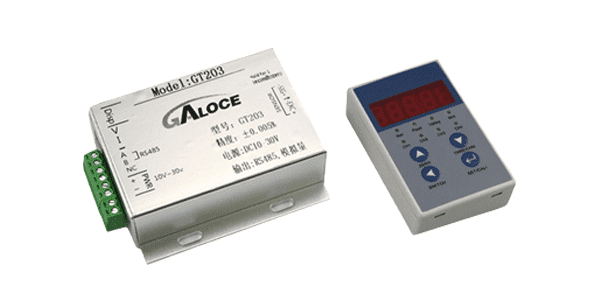
  • Amplifiers: For Wheatstone bridge or low-level analog outputs, a precision amplifier is necessary to increase signal strength. Look for amplifiers with high common-mode rejection ratio (CMRR) to reduce noise and temperature drift.
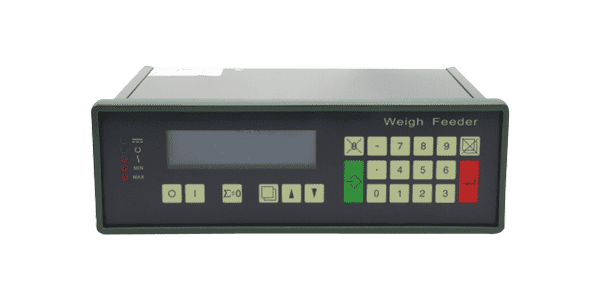
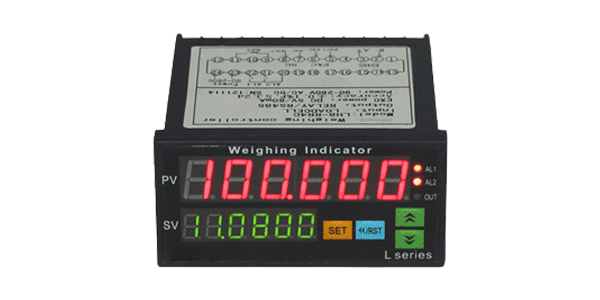
  • Signal Conditioners: These devices combine amplification, filtering, and temperature compensation to improve signal quality. Some also offer features like excitation voltage regulation for the load cell.
  • DAQ Systems: Ensure your DAQ system is compatible with the load cell’s output type and has sufficient resolution (bits) to capture the signal accurately. For example, a 16-bit DAQ is suitable for most analog applications, while high-precision digital systems may require 24-bit resolution.

Practical Example:

A research lab measuring plant growth forces might use a Wheatstone bridge micro load cell with a mV/V output, paired with a high-precision amplifier and 24-bit DAQ to capture minute force changes. A factory automation system, on the other hand, could opt for a digital load cell with CANbus output, directly interfacing with a PLC to control a robotic gripper in real time.

Conclusion: Balancing Tradeoffs for Optimal Performance

Selecting a micro load cell is a balancing act, requiring you to weigh factors like load capacity, accuracy, environment, mechanical design, and output type against cost and practicality. By starting with a clear understanding of your application’s requirements—including force range, accuracy needs, environmental conditions, and integration constraints—you can narrow down the options and choose a load cell that delivers reliable, precise measurements for years to come.
Remember, no single load cell is perfect for every scenario. Prioritize the factors that are most critical to your application: a medical device may prioritize accuracy and sterility, while an industrial robot focuses on durability and vibration resistance. When in doubt, consult with load cell manufacturers or distributors, who can provide technical expertise and help you select a model tailored to your needs. With careful consideration, your micro load cell will become a trusted component, enabling the precision and reliability your system demands.

HOT keyword: Micro Load Cell
Recommend View More
TIME 2025.12.09

Top 5 Considerations When Selecting a Micro Load Cell

This article explores the top five considerations for selecting micro load cells, including capacity and measurement range, accuracy and precision, environmental durability, mechanical design, and output signals. Understanding these key factors helps you choose the most suitable micro load sensor for your specific application, ensuring accurate measurements and reliable system performance. Whether for medical devices, aerospace testing, robotics, or industrial automation, this guide provides practical advice to optimize sensor selection and enhance overall system accuracy.

TIME 2025.11.26

Load Cell in Agriculture|GALOCE

Improve farm efficiency & profitability with load cells. Discover applications in grain bin weighing, livestock scales, fertilizer control, yield monitoring, and automated feeding systems for precision agriculture.

TIME 2025.11.25

Why is it Important to Calibrate your Load Cell?

Why is load cell calibration critical? Discover how regular calibration ensures weighing accuracy, protects your bottom line, maintains safety compliance, and guarantees product quality. Learn about the factors that cause drift and the importance of professional calibration services.

029-81292510

info@galoce.com

Rm. 1208, Building B, Huixin IBC, No. 1 Zhang Bayi Road, High-tech Zone, Xi'an, Shaanxi, China

Copyright © GALOCE (XI'AN) M&C TECHNOLOGY CO., LTD. Site Map

Message Form