
Load Cell in Agriculture|GALOCE

TIME: 2025.11.26 AUTHOR: Carol Li NUMBER OF VIEWS 50
In the ever-evolving landscape of agriculture, precision, efficiency, and sustainability have become the cornerstones of success. As farmers and agricultural businesses strive to meet the demands of a growing global population, technology has emerged as a critical ally. Among the unsung heroes of this technological revolution are load cells—sensors designed to measure force or weight with remarkable accuracy. Though often hidden from view, load cells play a transformative role in optimizing performance, enhancing safety, and reducing waste across a wide range of agricultural machinery. From the thundering harvesters that gather crops to the irrigation systems that nourish fields and the feed mixers that sustain livestock, load cells are quietly revolutionizing how farming operations are managed. This blog explores the multifaceted applications of load cells in three key areas of agricultural machinery: harvesters, irrigation equipment, and Total Mixed Ration (TMR) feed mixer trucks. By delving into their functionality, benefits, and real-world impact, we uncover why these small but powerful devices are indispensable to modern agriculture.

Understanding Load Cells: The Basics

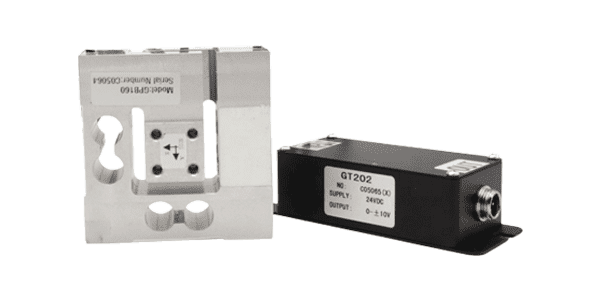
Before diving into their agricultural applications, it is essential to grasp what load cells are and how they work. At their core, load cells are transducers—devices that convert one form of energy (in this case, mechanical force or weight) into an electrical signal that can be measured and interpreted. Most load cells operate on the principle of strain gauge technology: when a force is applied to the cell, it deforms slightly, causing a change in electrical resistance in embedded strain gauges. This resistance change is then converted into a voltage signal, which is processed by a controller or display to provide a precise weight or force reading.
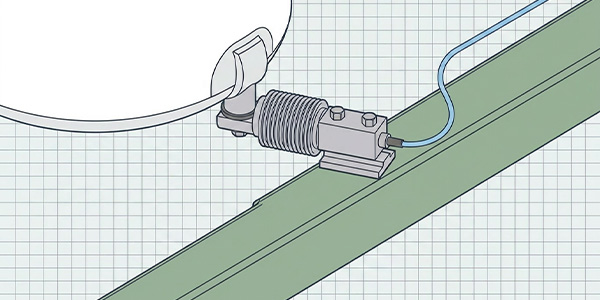
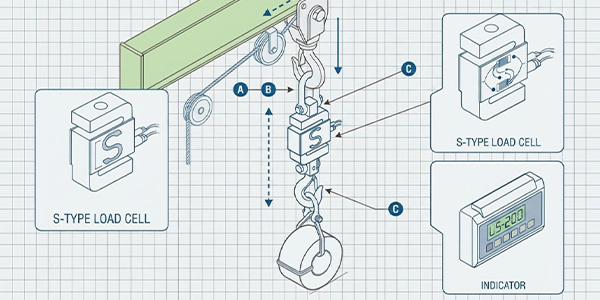
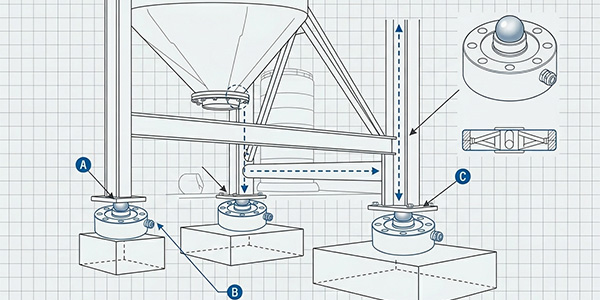
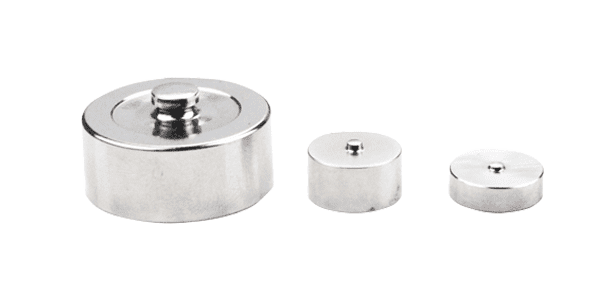
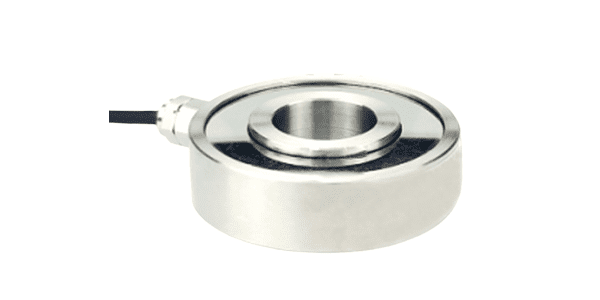
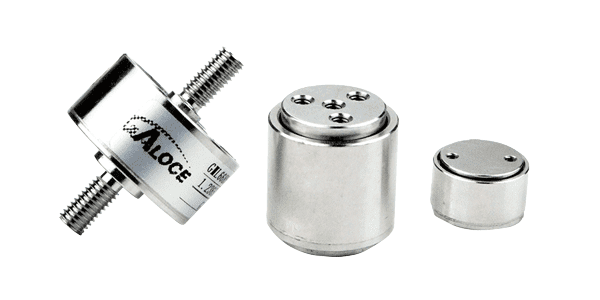
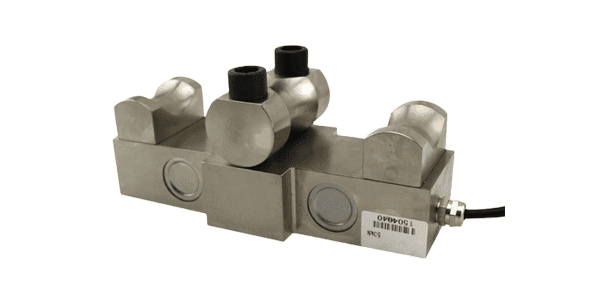
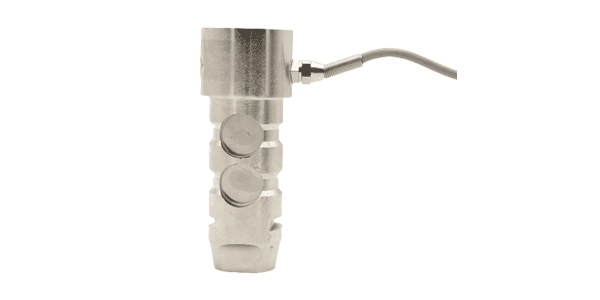
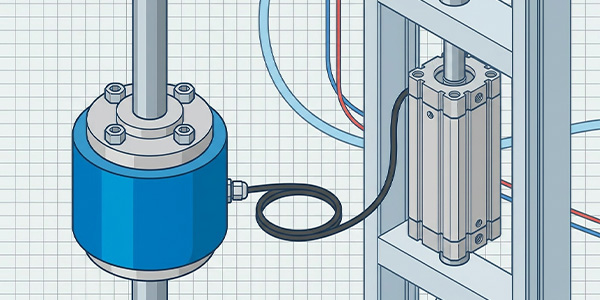
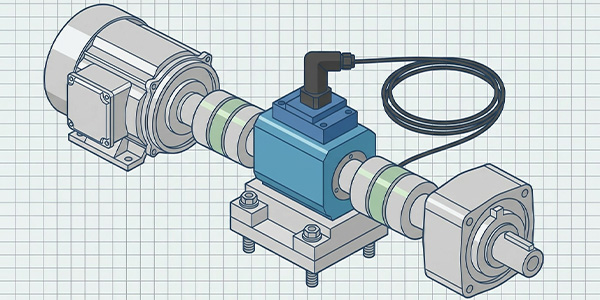
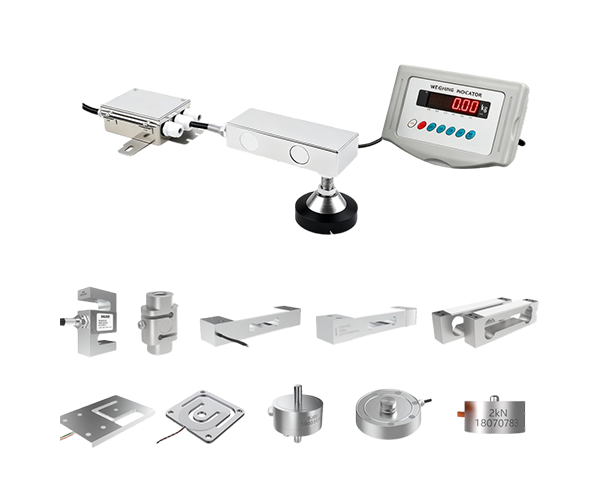
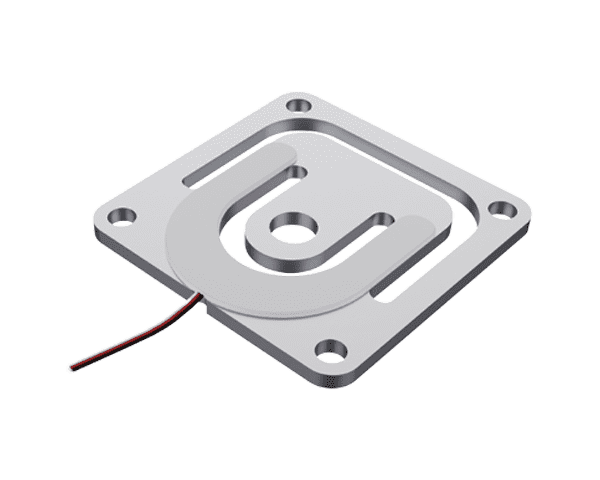
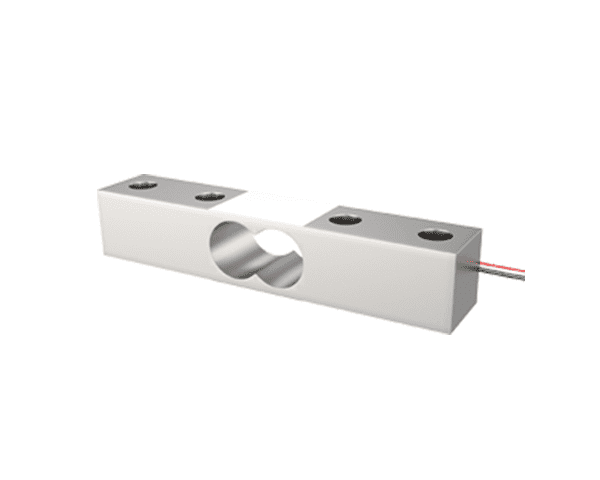
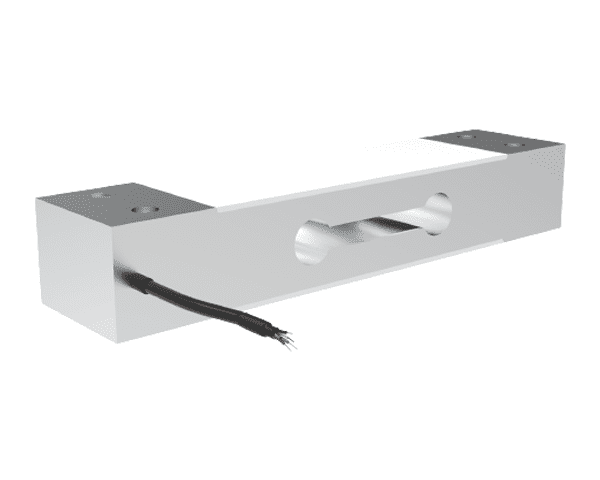
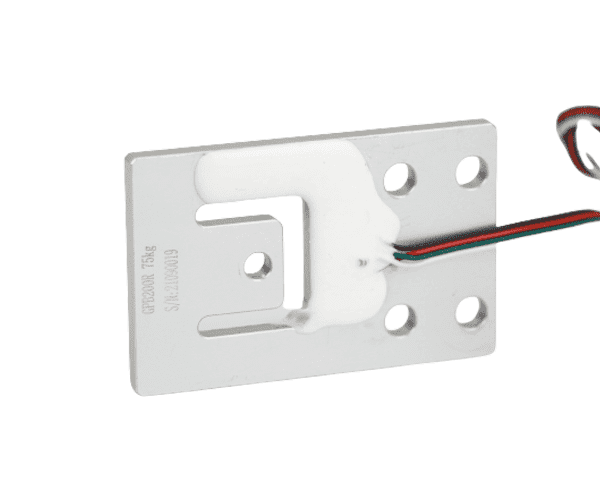
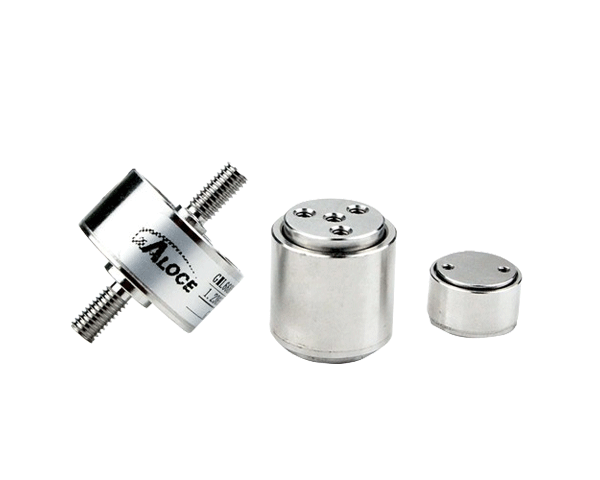
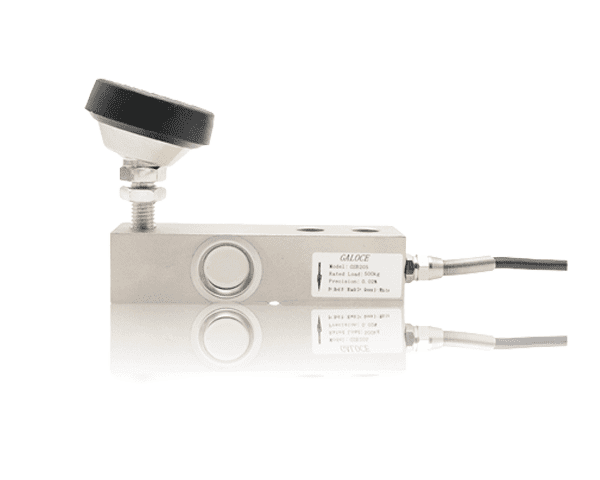
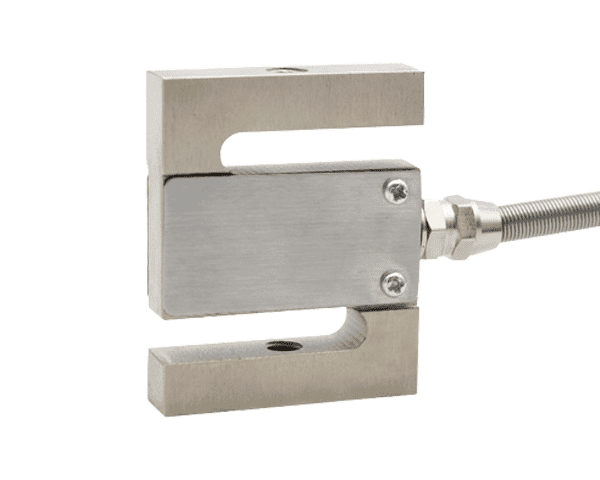
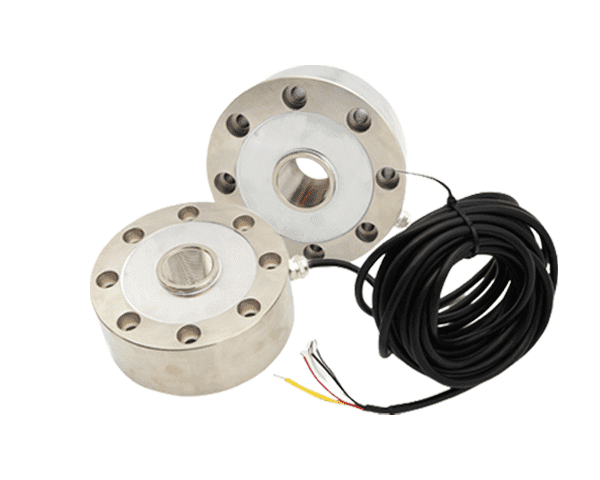
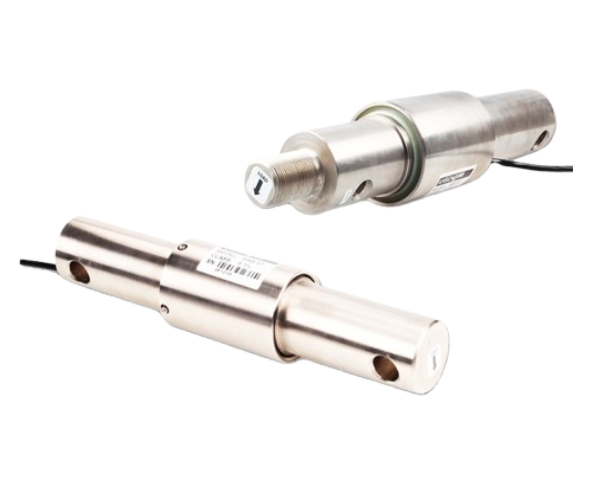
Load cells come in various shapes, sizes, and capacities, tailored to specific applications. Common types include compression load cells (used for measuring downward forces), tension load cells (for pulling forces), and shear load cells (for forces applied parallel to the cell’s surface). In agriculture, durability is paramount, so load cells are often constructed from robust materials like stainless steel or alloy steel, designed to withstand harsh conditions such as dust, moisture, temperature fluctuations, and mechanical vibration. Their ability to deliver accurate readings in these challenging environments makes them ideal for integration into agricultural machinery, where reliability can directly impact crop yields, operational costs, and animal health.

Load Cells in Harvesters: Precision in Crop Collection

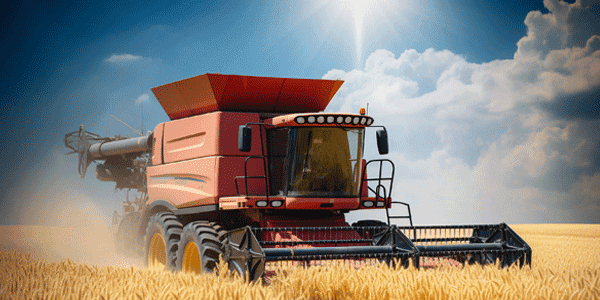
Harvesters are the workhorses of the agricultural world, responsible for efficiently gathering crops such as wheat, corn, soybeans, and rice. As the final step in the growing cycle, harvesting requires precision to maximize yield while minimizing crop loss and damage. Load cells have become integral to modern harvesters, enabling real-time monitoring of crop flow, yield estimation, and equipment optimization.

Real-Time Yield Monitoring

One of the most significant applications of load cells in harvesters is yield monitoring. Traditional harvesting methods often relied on post-harvest weighing to estimate yields, a process that was time-consuming and provided limited data for decision-making. Today, load cells are integrated into the harvester’s grain tank or unloading system, allowing farmers to track yield as the crop is being harvested.
For example, in combine harvesters, load cells may be installed beneath the grain tank to measure the weight of collected grain continuously. As the tank fills, the load cells send weight data to an on-board computer, which calculates yield per acre by combining this information with GPS data from the harvester’s navigation system. Farmers can view this data in real time on a display inside the cab, enabling them to identify high-yielding areas of the field and adjust practices accordingly. This precision is invaluable for variable rate farming (VRF), where inputs like fertilizer or irrigation can be tailored to specific zones based on yield potential, reducing waste and increasing efficiency.

Optimizing Harvesting Operations

Load cells also play a role in optimizing harvester performance by preventing overloading and improving unloading efficiency. Grain tanks have a maximum capacity, and exceeding this limit can lead to equipment damage, spillage, or reduced maneuverability. Load cells provide real-time tank weight readings, alerting operators when the tank is approaching full capacity. This allows for timely unloading, minimizing downtime and ensuring the harvester operates at peak efficiency.
In addition, load cells are used in the unloading auger systems of harvesters. When transferring grain from the tank to a transport truck, load cells can monitor the flow rate and total weight unloaded, ensuring accurate record-keeping and preventing overloading of trucks. This not only improves logistical planning but also enhances safety by reducing the risk of truck rollovers due to excessive weight.

Quality Control and Crop Protection

Beyond yield and efficiency, load cells contribute to crop quality by helping to minimize damage during harvesting. Some harvesters use load cells to monitor the pressure applied by components like reel fingers or cutter bars. For delicate crops such as fruits or vegetables, excessive pressure can bruise or crush the produce, reducing its market value. Load cells provide feedback on these pressures, allowing operators to adjust settings to ensure gentle handling, preserving crop quality and increasing profitability.
Case studies highlight the impact of load cell-equipped harvesters: a 2022 study by the American Society of Agricultural and Biological Engineers (ASABE) found that farmers using yield-monitoring harvesters with load cells reported a 10-15% reduction in crop loss and a 5-8% increase in overall yield due to improved decision-making based on real-time data. This underscores the transformative role of load cells in turning harvesters into intelligent machines that not only collect crops but also generate actionable insights for future growing seasons.

Load Cells in Irrigation Equipment: Efficient Water and Resource Management

Water is a precious resource in agriculture, and efficient irrigation is critical for sustainable farming. Irrigation equipment, such as center pivots, drip systems, and sprinklers, must deliver the right amount of water to crops at the right time to maximize growth while minimizing waste. Load cells are increasingly being integrated into irrigation systems to monitor water usage, detect leaks, and ensure uniform distribution—key factors in conserving water and reducing operational costs.

Monitoring Water Flow and Pressure

Load cells are often used in conjunction with flow meters to measure water flow rates in irrigation pipelines. By installing load cells in pressure sensors, operators can monitor the pressure of water as it moves through the system. For example, in center pivot irrigation systems, which rotate around a central point to water large fields, load cells can detect changes in water pressure that may indicate clogs in sprinkler nozzles or leaks in the pipeline. A sudden drop in pressure, for instance, could signal a leak, allowing farmers to quickly locate and repair the issue before significant water is wasted.
In drip irrigation systems, which deliver water directly to the root zone of plants, load cells can measure the weight of water in storage tanks or reservoirs. By tracking the weight of water before and after irrigation cycles, farmers can calculate exactly how much water is being used per acre, ensuring compliance with water usage regulations and identifying inefficiencies. This data can also be integrated with soil moisture sensors to create a closed-loop system, where irrigation is automatically adjusted based on real-time soil conditions and water availability, optimizing water use and preventing over-irrigation.

Preventing Equipment Overload and Damage

Irrigation equipment, such as mobile sprinklers or hose reels, often relies on pumps to move water from sources like wells or rivers. Load cells can be installed on pump systems to monitor the load on the motor, ensuring it does not exceed safe operating limits. If the pump becomes overloaded due to a clog or mechanical failure, the load cell will detect the increased force and trigger an automatic shutdown, preventing motor burnout and costly repairs. This protective function is especially important in remote areas where equipment breakdowns can lead to extended downtime and crop stress.

Enhancing Uniformity in Water Distribution

Uniform water distribution is essential for consistent crop growth. In center pivot systems, load cells can help ensure that each sprinkler nozzle delivers the same amount of water by monitoring the weight of water collected in catch cans placed throughout the field. By comparing the weight of water in each can, farmers can identify variations in distribution and adjust sprinkler settings or pivot speed to achieve uniformity. This precision not only improves crop yields but also reduces the risk of disease caused by over-watering in some areas and drought stress in others.
The impact of load cells on irrigation efficiency is significant. The United States Department of Agriculture (USDA) estimates that agriculture accounts for approximately 80% of water usage in the country, and inefficient irrigation can waste up to 50% of applied water. By integrating load cells into irrigation systems, farmers can reduce water waste by 20-30%, according to a 2021 report by the Irrigation Association. This not only conserves water but also lowers energy costs associated with pumping, making irrigation more sustainable and economically viable.

Load Cells in TMR Feed Mixer Trucks: Ensuring Accurate and Nutritious Livestock Feed

In livestock farming, providing animals with a balanced diet is essential for their health, growth, and productivity. Total Mixed Ration (TMR) feeding—a method where all feed ingredients (hay, grains, vitamins, minerals, and supplements) are mixed together in precise proportions—has become the standard for dairy, beef, and poultry operations. TMR feed mixer trucks are designed to blend these ingredients uniformly, but the accuracy of the mix depends on precise measurement of each component. Load cells are critical to this process, ensuring that each ingredient is added in the correct weight, resulting in a nutritionally balanced ration that promotes animal health and maximizes production.

Precision Ingredient Measurement

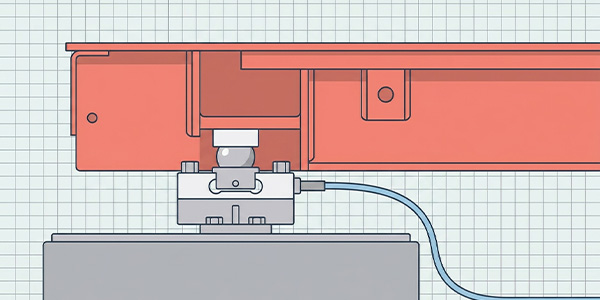
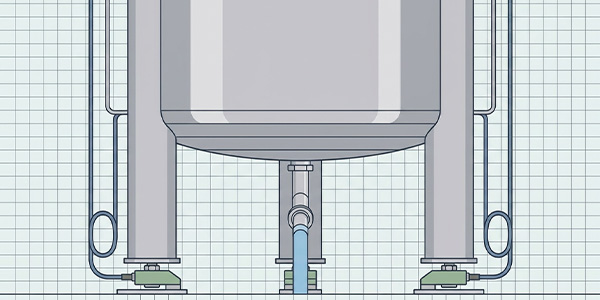
TMR mixer trucks typically consist of a large mixing drum mounted on a truck or trailer, with augers or paddles that blend the ingredients. Load cells are installed at key points on the mixer, such as beneath the drum or on the suspension system, to measure the weight of ingredients as they are added. Before mixing begins, the operator inputs the recipe into a control system, specifying the required weight of each ingredient (e.g., 500 kg of hay, 300 kg of corn silage, 50 kg of protein supplement). As each ingredient is loaded into the drum, the load cells provide real-time weight feedback, ensuring that the exact amount is added. If an ingredient is over- or under-added, the system alerts the operator, who can adjust the load before mixing continues.
This precision is crucial because even small variations in ingredient proportions can affect the nutritional value of the TMR. For example, insufficient protein in dairy cow feed can lead to reduced milk production, while excess energy can cause obesity and metabolic disorders. Load cells eliminate guesswork, ensuring that each batch of TMR meets the exact nutritional specifications, leading to healthier animals and more consistent product quality (e.g., milk, meat, eggs).

Preventing Overloading and Ensuring Safety

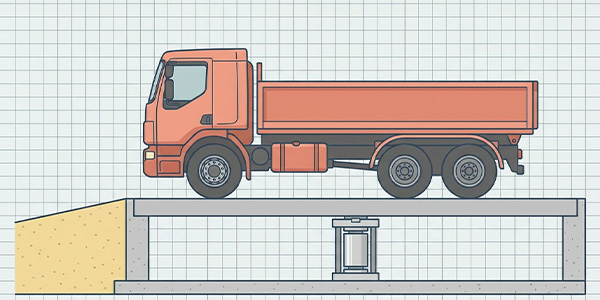
TMR mixer trucks have strict weight limits to ensure safe operation on roads and fields. Overloading can lead to tire damage, brake failure, or instability, increasing the risk of accidents. Load cells monitor the total weight of the mixed feed in the drum, alerting the operator if the load exceeds the truck’s capacity. This not only protects the equipment but also ensures compliance with transportation regulations, avoiding fines and legal issues.
In addition, load cells can detect uneven weight distribution within the drum, which can cause the mixer to become unbalanced during transport. By providing real-time feedback on weight distribution, operators can adjust the load or mixing process to ensure stability, reducing the risk of rollovers or other accidents.

Improving Efficiency and Reducing Waste

Manual weighing of TMR ingredients is time-consuming and prone to human error. Load cells automate this process, reducing labor costs and increasing mixing efficiency. A typical TMR mixer with load cells can prepare a batch of feed in 20-30 minutes, compared to 45-60 minutes with manual weighing. This time savings allows farmers to mix more batches per day, supporting larger herds and increasing overall productivity.
Load cells also help reduce feed waste by ensuring that ingredients are used in precise quantities. Over time, even small overages of expensive supplements can add up to significant costs. A study by the National Dairy Herd Information Association (NDHIA) found that dairy farms using load cell-equipped TMR mixers reduced feed waste by 15-20% and saw a 5-7% increase in milk production due to more consistent nutrition. For a 500-cow dairy farm, this translates to annual savings of $20,000-$30,000, highlighting the economic benefits of load cell integration.

Challenges and Future Trends in Load Cell Technology for Agriculture

While load cells have proven their value in agricultural machinery, several challenges remain. One of the primary obstacles is cost: high-quality load cells and associated monitoring systems can represent a significant upfront investment for small-scale farmers. However, the long-term savings in terms of reduced waste, increased yields, and improved efficiency often offset these costs. Governments and agricultural organizations are also stepping in, offering grants and subsidies to encourage the adoption of precision agriculture technologies, including load cells.
Another challenge is durability: agricultural environments are harsh, and load cells must withstand exposure to chemicals (e.g., fertilizers, pesticides), moisture, and physical impact. Manufacturers are addressing this by developing load cells with enhanced sealing (e.g., IP68 or IP69K ratings for dust and water resistance) and corrosion-resistant materials. Wireless load cell technology is also emerging, eliminating the need for cumbersome wiring and allowing for easier installation and maintenance in remote locations.
Looking to the future, the integration of load cells with the Internet of Things (IoT) and artificial intelligence (AI) is set to revolutionize agriculture further. IoT-enabled load cells can transmit data to cloud-based platforms, where it can be analyzed in real time using AI algorithms. For example, a harvester equipped with load cells and IoT connectivity could automatically adjust its speed based on yield data, or an irrigation system could predict water needs using historical load cell data and weather forecasts. This level of automation has the potential to transform farming into a highly efficient, data-driven industry, reducing reliance on manual labor and minimizing environmental impact.
Additionally, advancements in battery technology and energy harvesting (e.g., using solar power or vibration energy) are making wireless load cells more viable for long-term use in remote agricultural settings, where access to power sources is limited. These innovations will expand the reach of load cell technology, making it accessible to farmers in developing regions and further driving global agricultural sustainability.

Conclusion

Load cells may be small in size, but their impact on modern agriculture is enormous. From harvesters that optimize crop collection to irrigation systems that conserve water and TMR mixers that ensure animal nutrition, load cells are the silent enablers of precision agriculture. By providing accurate, real-time data on weight, force, and flow, they empower farmers to make informed decisions, reduce waste, and increase productivity—all while promoting sustainability.
As technology continues to advance, load cells will play an even greater role in the future of farming. With integration into IoT, AI, and wireless systems, they will become part of a connected ecosystem that transforms agriculture into a more efficient, resilient, and environmentally friendly industry. For farmers, investing in load cell technology is not just a step toward modernization; it is a commitment to meeting the challenges of feeding a growing population while stewarding the planet’s resources.
In the end, the story of load cells in agriculture is one of precision, efficiency, and innovation—a testament to how even the smallest technologies can drive significant change. As we look ahead, it is clear that load cells will remain at the heart of agricultural progress, helping to shape a more sustainable and productive future for farming worldwide.

HOT keyword:
Recommend View More
TIME 2025.11.26

Load Cell in Agriculture|GALOCE

Improve farm efficiency & profitability with load cells. Discover applications in grain bin weighing, livestock scales, fertilizer control, yield monitoring, and automated feeding systems for precision agriculture.

TIME 2025.11.25

Why is it Important to Calibrate your Load Cell?

Why is load cell calibration critical? Discover how regular calibration ensures weighing accuracy, protects your bottom line, maintains safety compliance, and guarantees product quality. Learn about the factors that cause drift and the importance of professional calibration services.

TIME 2025.11.20

Load Cell in Construction Machinery

Load cells are mission-critical sensors embedded in cranes, excavators, bulldozers, concrete mixers and pile drivers. By delivering real-time weight data they prevent overloads, optimize fuel use, cut material waste and enable telematics-driven project management. Next-gen wireless, self-calibrating and IoT-enabled load cells now integrate with AI predictive analytics, turning every machine into a smart, connected asset. Investing in rugged, precision load-cell technology is the fastest route to safer, cheaper and code-compliant construction.

029-81292510

info@galoce.com

Rm. 1208, Building B, Huixin IBC, No. 1 Zhang Bayi Road, High-tech Zone, Xi'an, Shaanxi, China

Copyright © GALOCE (XI'AN) M&C TECHNOLOGY CO., LTD. Site Map

Message Form