
Why is it Important to Calibrate your Load Cell?

TIME: 2025.11.25 AUTHOR: Carol Li NUMBER OF VIEWS 58
In precision engineering and industrial measurement, load cells are the invisible workhorses. They turn force or weight into an electrical signal you can trust, quietly anchoring everything from factory floors and cranes to infusion pumps and spacecraft. Yet one maintenance step is still treated as optional: calibration. Put simply, calibration is a check-up—your cell’s output is matched against a certified, traceable standard to confirm it’s telling the truth. Skip it and the fallout spreads fast: compromised safety, spiraling costs, failed audits, and a brand name no one wants on a bid list. This post explains why calibrating your load cell isn’t a “nice-to-have”; it’s the cheapest insurance you can buy for reliable operations.

Understanding Load Cells: The Backbone of Precision Measurement

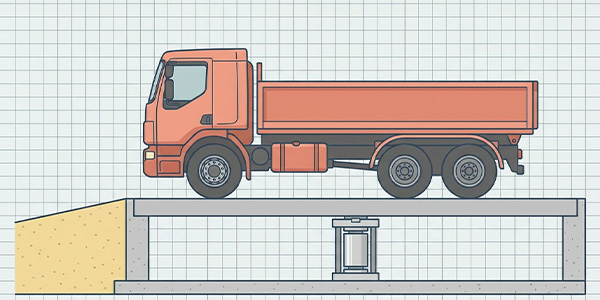
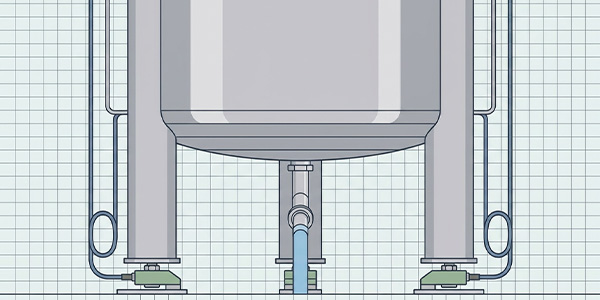
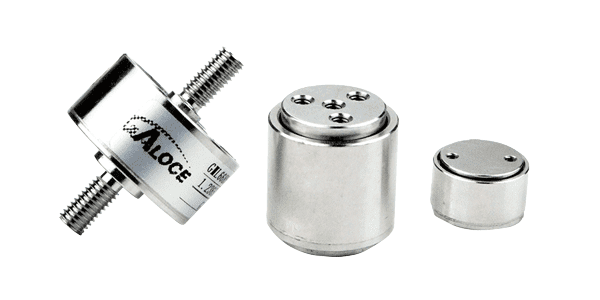
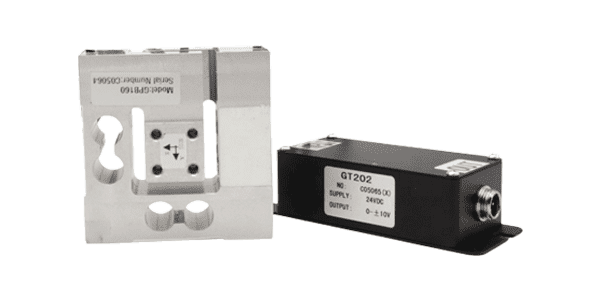
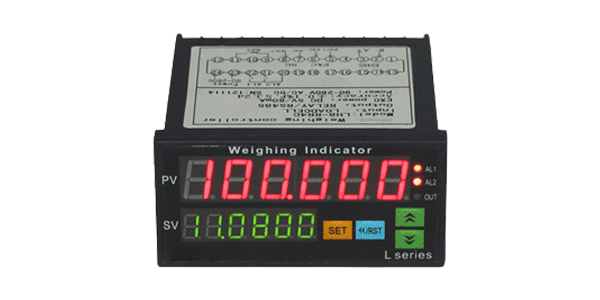
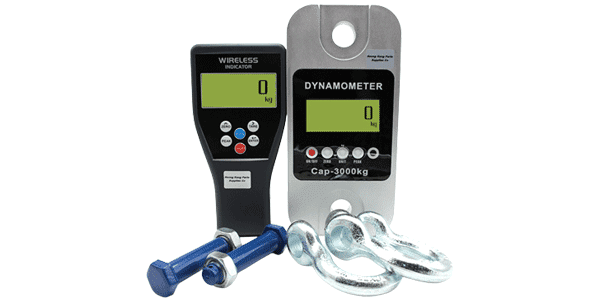
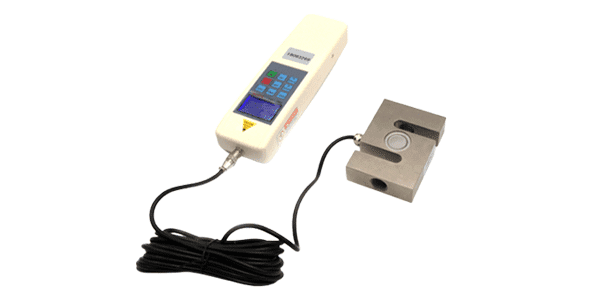
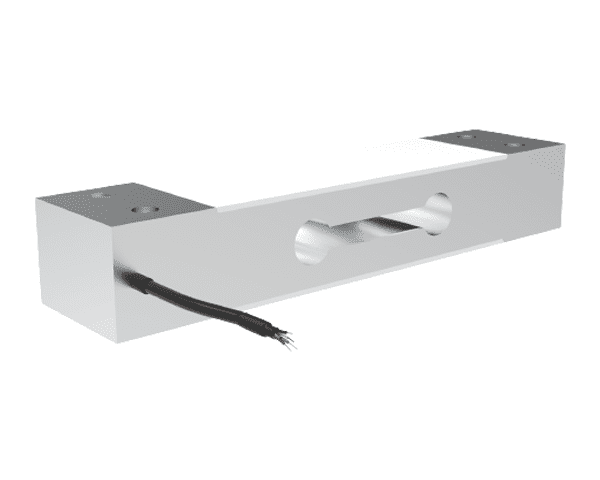
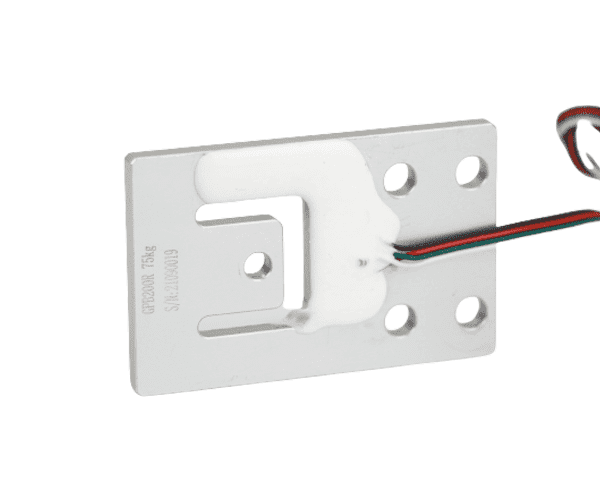
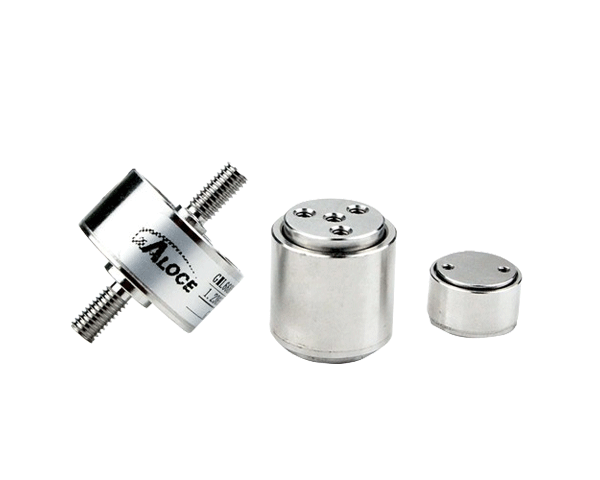
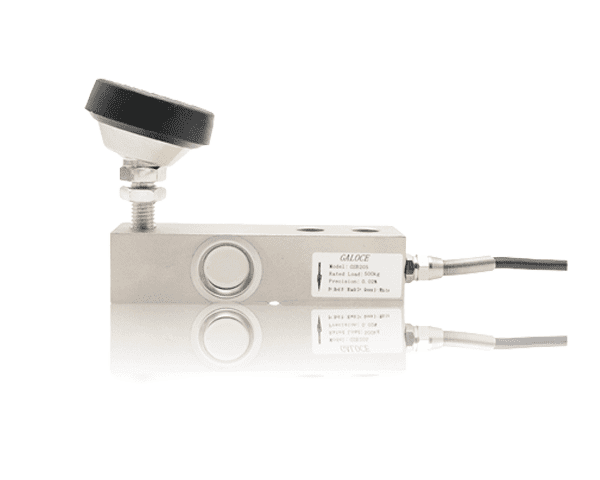
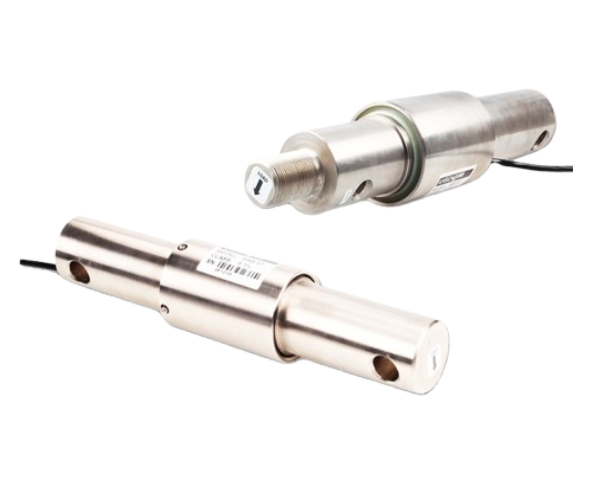
Before delving into the importance of calibration, it is crucial to grasp what load cells are and how they function. At their core, load cells are transducers—devices that convert physical quantities (in this case, force, tension, compression, or torque) into electrical signals. Most load cells operate on the principle of strain gauges: thin, flexible wires or foils bonded to a metal structure (often called the “load cell body”). When force is applied to the body, it deforms slightly, causing the strain gauges to stretch or compress. This deformation changes the electrical resistance of the gauges, which is then measured and converted into a force reading by a connected instrument, such as a weight indicator or data logger.
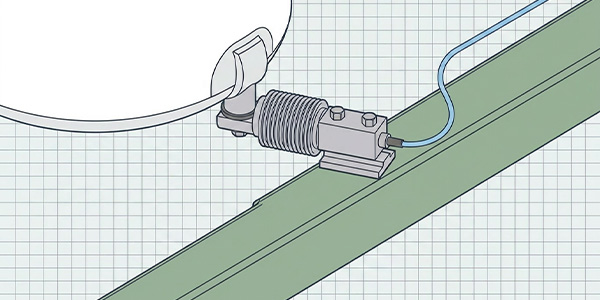
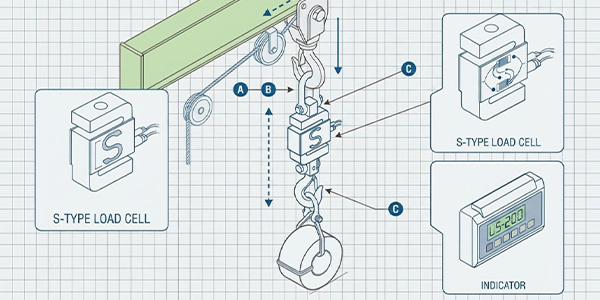
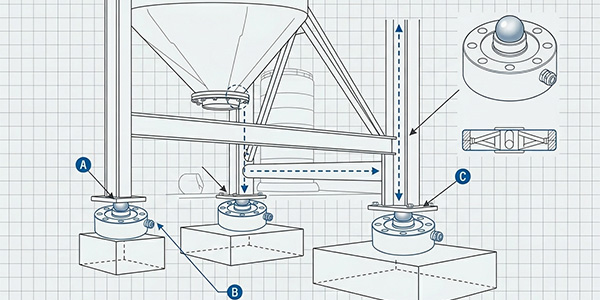
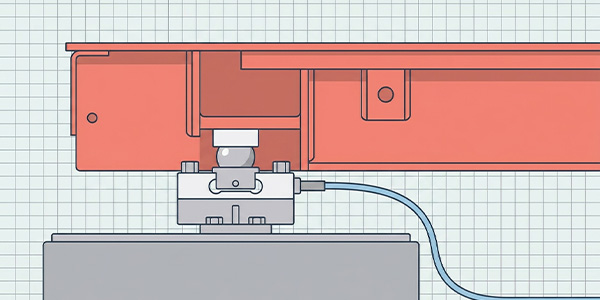
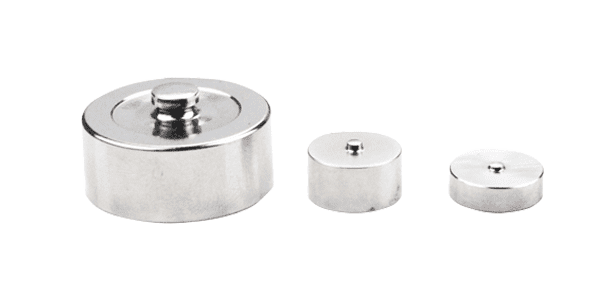
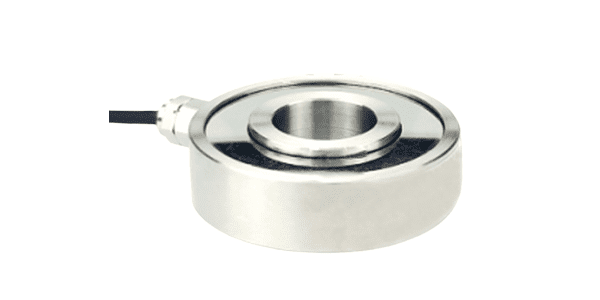
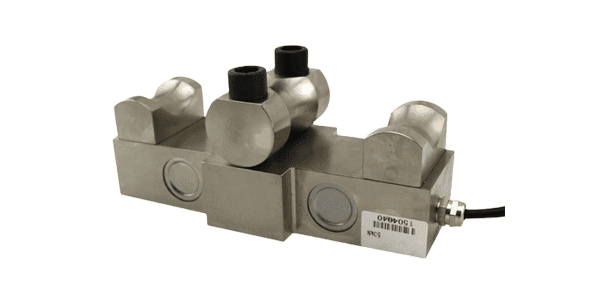
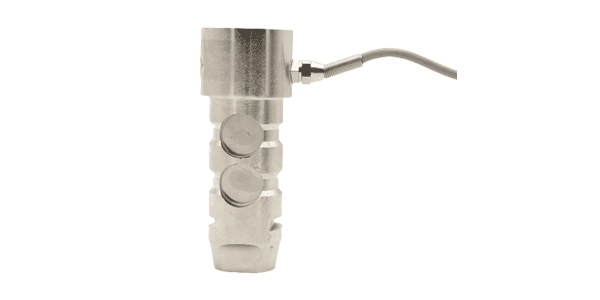
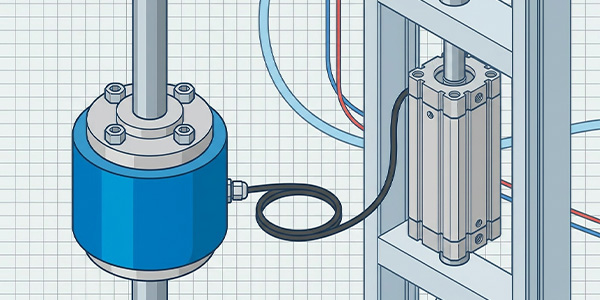
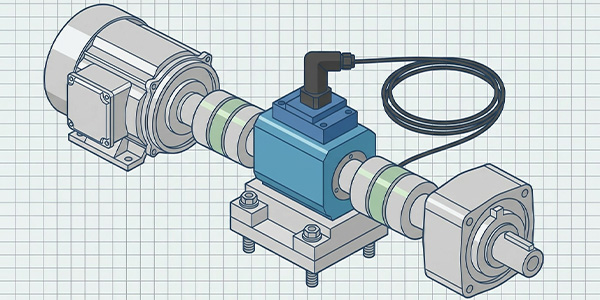
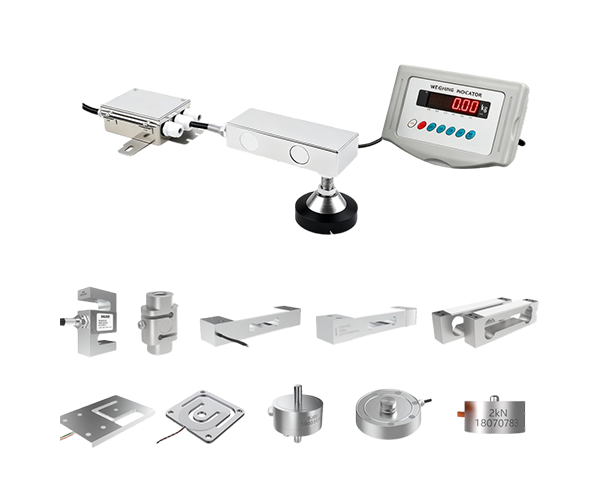
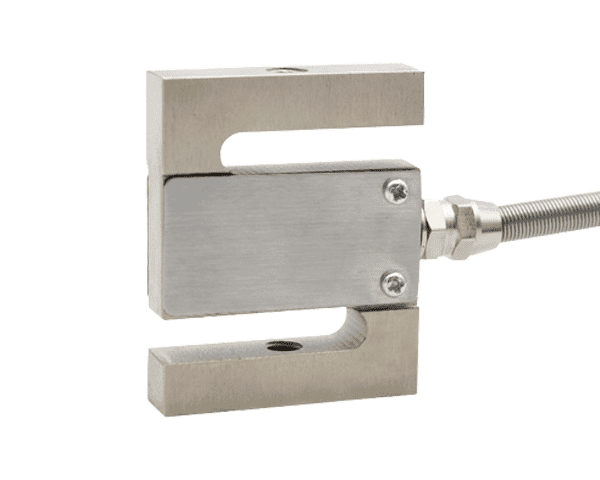
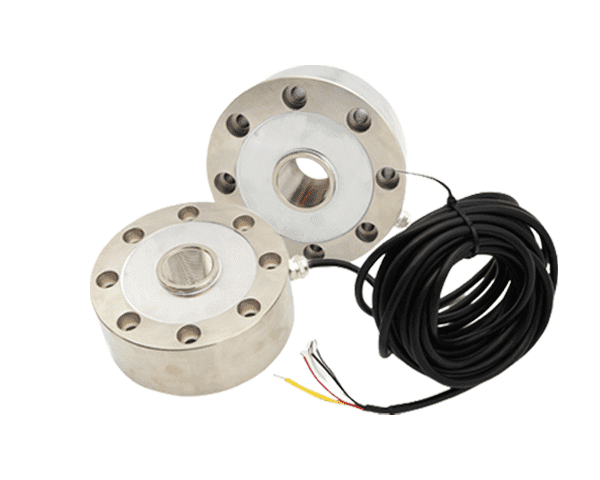
Load cells come in various types, including tension load cells (for pulling forces), compression load cells (for pushing forces), and shear load cells (for forces applied parallel to the surface). They are used in scenarios where precise force measurement is non-negotiable: think of a pharmaceutical company weighing active ingredients for medication, a crane operator lifting a heavy load, or a research lab testing the structural integrity of a new material. In each case, the accuracy of the load cell’s output directly impacts the quality, safety, and success of the operation.

What is Calibration, and How Does it Work?

Calibration is the process of verifying that a measuring instrument (like a load cell) produces results within a specified margin of error compared to a known standard. For load cells, this involves applying a series of known weights or forces to the cell and recording its output. If the output deviates from the expected value beyond an acceptable tolerance, adjustments are made to correct the discrepancy.
The calibration process typically follows these steps:
1.Pre-Calibration Inspection: The load cell is visually inspected for damage, corrosion, or loose connections that could affect performance. Cables and wiring are checked for wear, and the load cell body is examined for cracks or deformation.
2.Zero Adjustment: Before applying any load, the load cell is set to a “zero” reading to account for any residual force or drift in the output.
3.Applying Known Loads: A calibrated weight set or force standard is used to apply loads incrementally (e.g., 25%, 50%, 75%, 100% of the load cell’s rated capacity). For each load, the load cell’s output is recorded.
4.Comparing Results: The recorded outputs are compared to the expected values based on the known loads. The difference between the two is the “error.”
5.Adjustment (if needed): If the error exceeds the load cell’s specified tolerance, adjustments are made to the instrument or the load cell itself (e.g., trimming resistors in the strain gauge circuit).
6.Documentation: A calibration certificate is generated, detailing the pre- and post-calibration results, the standard used, environmental conditions, and whether the load cell passed or failed.
Calibration standards are traceable to national or international metrological institutions (e.g., the National Institute of Standards and Technology, NIST, in the U.S.), ensuring that the “known” forces used in calibration are universally recognized and accurate.

The Consequences of Uncalibrated Load Cells

Now that we understand how load cells work and what calibration entails, let’s explore why skipping this step can lead to significant problems.

1. Safety Risks: Putting Lives and Equipment in Danger

Perhaps the most critical reason to calibrate load cells is safety. In industries where load cells monitor or control heavy machinery, inaccurate readings can lead to catastrophic failures. For example:
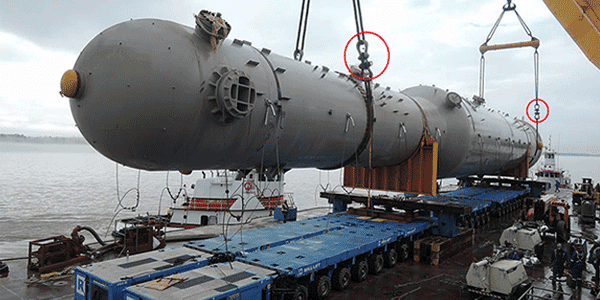
Construction and Lifting Equipment: Cranes, hoists, and elevators rely on load cells to prevent overloading. If a load cell underreports the weight of a lifted object, the equipment may be strained beyond its capacity, leading to structural failure, collapses, or falling loads—all of which can result in injuries or fatalities.
Aerospace and Automotive Testing: In aerospace, load cells are used to test the stress limits of aircraft components, such as wings or landing gear. An uncalibrated load cell might underestimate the force applied during testing, leading engineers to approve a component that is actually unsafe. Similarly, in automotive crash tests, load cells measure the impact forces on dummies; inaccurate data could result in vehicles that fail to protect passengers in real-world accidents.
Medical Devices: Load cells are used in hospital beds to monitor patient weight (for medication dosing) and in rehabilitation equipment to measure muscle strength. An uncalibrated cell could lead to incorrect medication dosages or ineffective therapy, endangering patient health.
In each of these cases, the cost of a miscalibration is not just financial—it is human.

2. Costly Errors in Manufacturing and Production

In manufacturing, precision is the cornerstone of profitability. Even small inaccuracies in load cell readings can lead to wasted materials, rework, and lost revenue. Consider a food processing plant that uses load cells to portion ingredients for packaged goods. If the load cell overestimates the weight of sugar or flour, the company will use more raw material than necessary, increasing costs. Conversely, if it underestimates, products may fail to meet weight regulations, leading to fines or recalls.
In the automotive industry, load cells are used to ensure that bolts are tightened to the correct torque during assembly. A loose bolt due to an undercalibrated load cell could cause a part to fail prematurely, leading to warranty claims and damage to the brand’s reputation. Similarly, in electronics manufacturing, load cells test the pressure applied during soldering or component insertion; too much pressure can damage delicate circuits, while too little can result in poor connections and faulty products.
Over time, these small errors compound. A load cell that is 1% inaccurate in a factory producing 10,000 units per day could lead to thousands of defective products or tons of wasted material annually. Calibration ensures that measurements are consistent, reducing waste and maximizing efficiency.

3. Non-Compliance with Regulations and Standards

Many industries are subject to strict regulations governing measurement accuracy. For example:
Pharmaceuticals: The FDA (Food and Drug Administration) requires pharmaceutical manufacturers to use calibrated equipment to ensure that medications contain the correct amount of active ingredients. Non-compliance can result in fines, product seizures, or even criminal charges.
Food and Beverage: Regulatory bodies like the USDA (U.S. Department of Agriculture) and the EU’s European Food Safety Authority (EFSA) mandate that packaged foods meet weight specifications to prevent consumer fraud. Load cells used in portioning must be calibrated regularly to avoid violations.
Aerospace and Defense: Organizations like the Federal Aviation Administration (FAA) and the International Organization for Standardization (ISO) set strict standards for aerospace components. Load cells used in testing or production must be calibrated to ISO 9001 or other quality management standards to ensure compliance.
Even in non-regulated industries, calibration is often a requirement for ISO certification, which is critical for businesses seeking to demonstrate quality and reliability to customers. Without proper calibration records, a company may fail audits, lose contracts, or face legal liability in the event of an accident.

4. Degradation of Load Cell Performance Over Time

Load cells are not immune to the effects of time and use. Several factors can cause their accuracy to drift, making regular calibration necessary:
Mechanical Wear: Repeated loading and unloading can cause the load cell body or strain gauges to fatigue, leading to permanent deformation. This is especially true in high-cycle applications, such as production lines that run 24/7.
Environmental Factors: Temperature, humidity, and vibration can all affect load cell performance. Extreme temperatures can cause the metal body to expand or contract, altering the strain gauge readings. Moisture can corrode electrical components, while vibration can loosen connections or damage internal wiring.
Electrical Drift: Over time, the electrical components of the load cell (such as the strain gauges or signal conditioning circuits) may degrade, leading to changes in output even under the same load.
Installation Issues: If a load cell is not mounted correctly—for example, if it is tilted, over-tightened, or subject to side loads—its accuracy can suffer. Calibration can reveal such issues, allowing for corrections before they lead to errors.
Without regular calibration, these factors can cause the load cell’s readings to drift gradually, making it impossible to detect inaccuracies until a problem arises. By calibrating on a schedule, businesses can catch drift early and maintain consistent performance.

5. Ensuring Data Reliability in Research and Development

In research and development (R&D), load cells are used to collect critical data that drives innovation. Whether testing the durability of a new composite material, measuring the biomechanics of human movement, or studying the behavior of structures under extreme conditions, researchers depend on accurate force measurements to draw valid conclusions.
An uncalibrated load cell can compromise the integrity of an entire study. For example, a materials scientist testing the tensile strength of a new alloy might incorrectly conclude that the alloy is stronger than it actually is, leading to flawed designs in products like bridges or aircraft parts. In biomechanics research, inaccurate load cell data could lead to incorrect assumptions about muscle function, delaying the development of effective treatments for injuries.
Calibration ensures that research data is reliable and reproducible, which is essential for peer review, regulatory approval, and the translation of research into real-world applications.

6. Extending the Lifespan of Load Cells

Regular calibration is not just about accuracy—it is also about protecting your investment. Load cells are not cheap, and replacing them prematurely can be costly. By calibrating regularly, you can identify issues like corrosion, loose wiring, or mechanical damage early, before they escalate into major problems.
For example, during calibration, a technician might notice that a load cell’s output is unstable, indicating a loose strain gauge connection. Tightening the connection or repairing the gauge could restore the load cell’s performance, avoiding the need for a full replacement. Similarly, calibration can reveal if a load cell is being overloaded beyond its rated capacity, prompting operators to adjust their processes to prevent permanent damage.
In short, calibration helps you get the most out of your load cells, extending their lifespan and reducing long-term maintenance costs.

How Often Should You Calibrate Your Load Cell?

The frequency of calibration depends on several factors, including the application, the environment, and regulatory requirements. Here are some general guidelines:
  • High-Risk Applications: In industries where safety is critical (e.g., aerospace, medical devices), load cells should be calibrated quarterly or even monthly.
  • Moderate-Risk Applications: In manufacturing or food processing, calibration every 6–12 months is typical.
  • Low-Risk Applications: For non-critical uses (e.g., general warehouse weighing), annual calibration may suffice.
Other factors that influence calibration frequency include:
  • Environmental Conditions: Load cells used in harsh environments (extreme temperatures, high humidity, or heavy vibration) may need more frequent calibration.
  • Usage Intensity: Load cells that are used continuously (e.g., in 24/7 production lines) may drift faster than those used occasionally.
  • Previous Calibration Results: If a load cell has a history of stability, longer intervals between calibrations may be acceptable. If it drifts frequently, more frequent calibration is needed.
It is also important to calibrate a load cell after any significant event, such as a mechanical shock (e.g., dropping the cell), exposure to moisture or chemicals, or a repair. Additionally, many regulatory standards require calibration before the first use of a new load cell and after any modifications.

Choosing a Calibration Service Provider

To ensure accurate calibration, it is essential to work with a reputable service provider. Look for providers that:
  • Use Traceable Standards: The calibration equipment should be traceable to national or international standards (e.g., NIST in the U.S., NPL in the UK).
  • Have Certified Technicians: Technicians should be trained and certified in load cell calibration, with experience in your industry.
  • Provide Detailed Documentation: A calibration certificate should include the date of calibration, the standard used, the load cell’s serial number, pre- and post-calibration results, and any adjustments made.
  • Offer On-Site or Laboratory Calibration: On-site calibration is convenient for large or fixed load cells, while laboratory calibration may be more precise for smaller, portable cells.

Conclusion: Calibration is an Investment in Quality, Safety, and Efficiency

Precision hinges on more than a load cell’s build—it hinges on measurements you can still trust six months from now. Calibration is what keeps that trust alive, shielding you from safety hazards, budget-busting mistakes, audit failures, and data you can’t defend.
Whether you run the line, design the test, or operate the crane, calibration isn’t a deluxe add-on; it’s basic equipment hygiene. Schedule it and you’re buying product quality, crew safety, and a balance sheet that doesn’t spring nasty surprises.
So next time you glance at the cell bolted to your rig, remember: its accuracy expires unless you renew it. Calibrate—then get back to work knowing the number on the screen is still the truth.
HOT keyword:
Recommend View More
TIME 2025.11.26

Load Cell in Agriculture|GALOCE

Improve farm efficiency & profitability with load cells. Discover applications in grain bin weighing, livestock scales, fertilizer control, yield monitoring, and automated feeding systems for precision agriculture.

TIME 2025.11.25

Why is it Important to Calibrate your Load Cell?

Why is load cell calibration critical? Discover how regular calibration ensures weighing accuracy, protects your bottom line, maintains safety compliance, and guarantees product quality. Learn about the factors that cause drift and the importance of professional calibration services.

TIME 2025.11.20

Load Cell in Construction Machinery

Load cells are mission-critical sensors embedded in cranes, excavators, bulldozers, concrete mixers and pile drivers. By delivering real-time weight data they prevent overloads, optimize fuel use, cut material waste and enable telematics-driven project management. Next-gen wireless, self-calibrating and IoT-enabled load cells now integrate with AI predictive analytics, turning every machine into a smart, connected asset. Investing in rugged, precision load-cell technology is the fastest route to safer, cheaper and code-compliant construction.

029-81292510

info@galoce.com

Rm. 1208, Building B, Huixin IBC, No. 1 Zhang Bayi Road, High-tech Zone, Xi'an, Shaanxi, China

Copyright © GALOCE (XI'AN) M&C TECHNOLOGY CO., LTD. Site Map

Message Form