
The Future of Load Cells: Miniaturization, Smart Sensors, and IoT Integration

TIME: 2026.01.08 AUTHOR: Carol Li NUMBER OF VIEWS 102
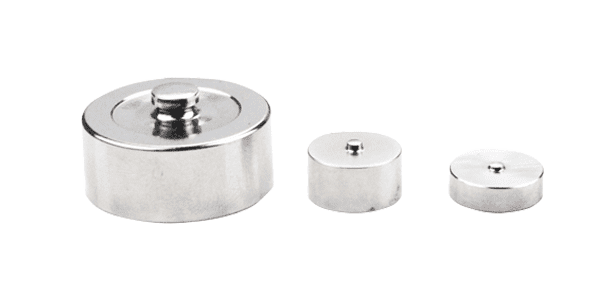
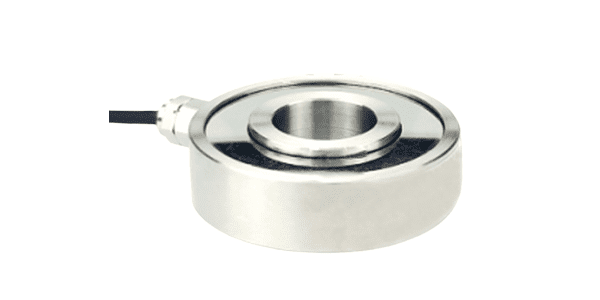
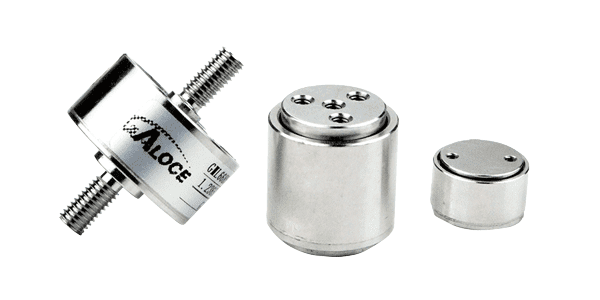
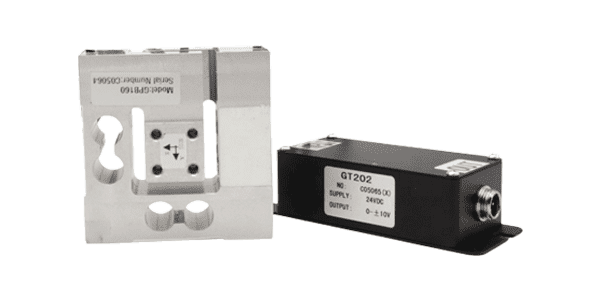
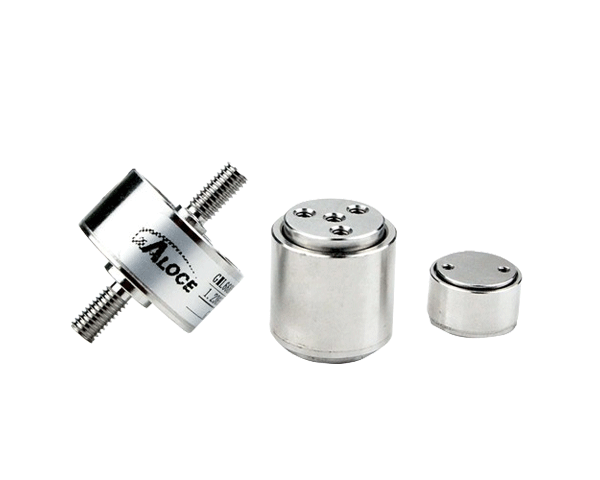
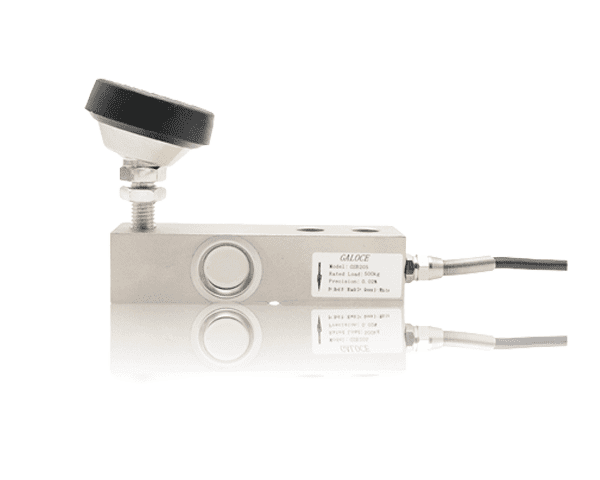
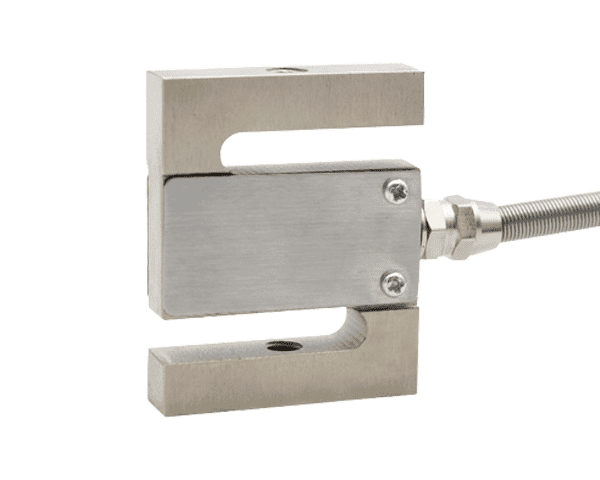
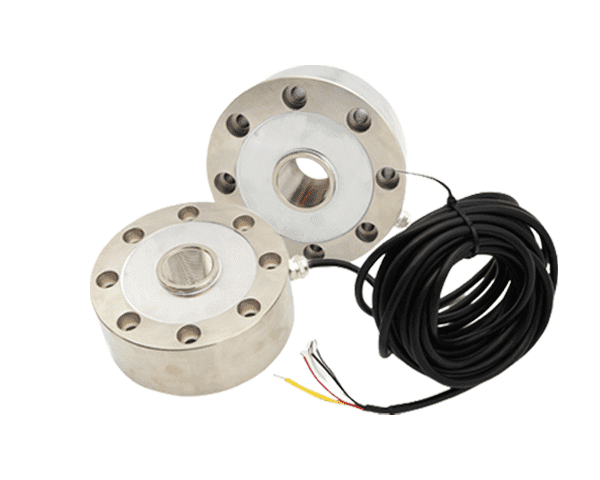
In the field of industrial measurement and automation, load cells are of critical necessity.These devices, which convert force or weight into measurable electrical signals, are critical components in everything from manufacturing lines and medical equipment to aerospace systems and consumer electronics. As technology advances at an unprecedented pace, the future of load cells is being shaped by three key trends: miniaturization, the rise of smart sensors, and integration with the Internet of Things (IoT). This evolution is not only enhancing the capabilities of load cells but also opening up new applications across industries, from healthcare to renewable energy. In this blog, we’ll explore how these trends are transforming load cells, the challenges they present, and the opportunities they unlock for businesses and innovators.

Understanding Load Cells: A Foundation for Innovation

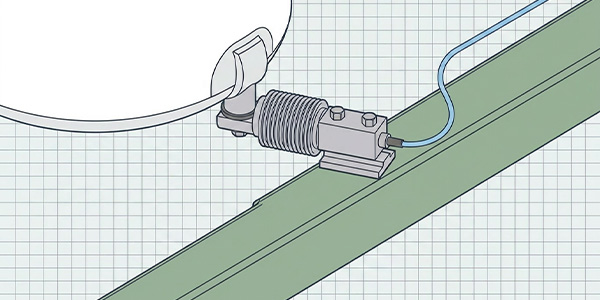
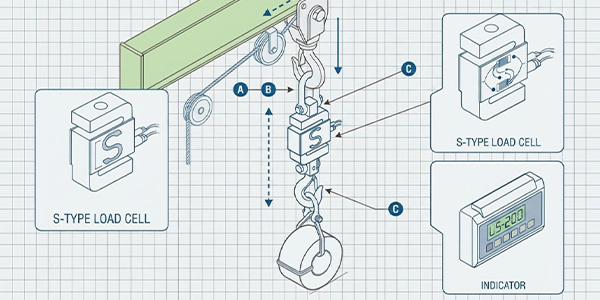
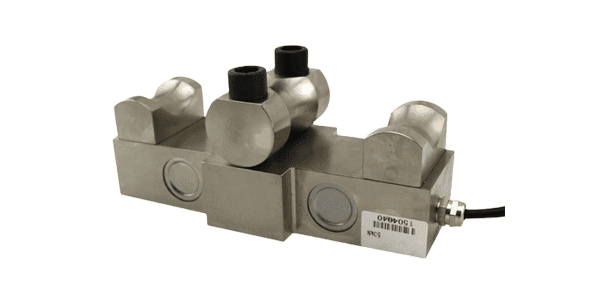
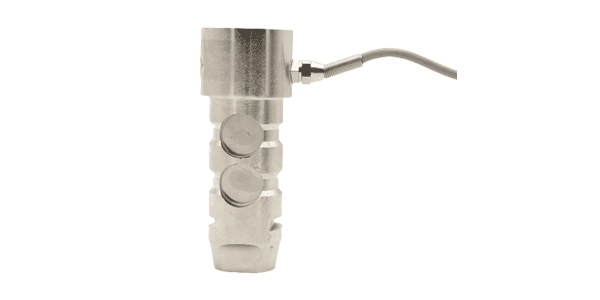
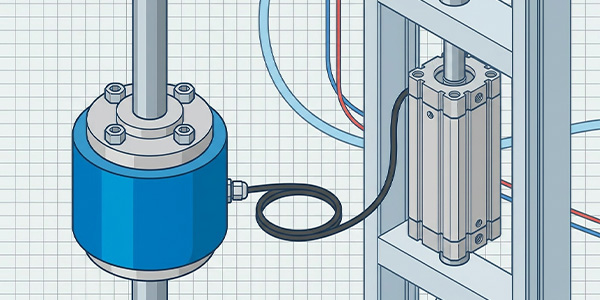
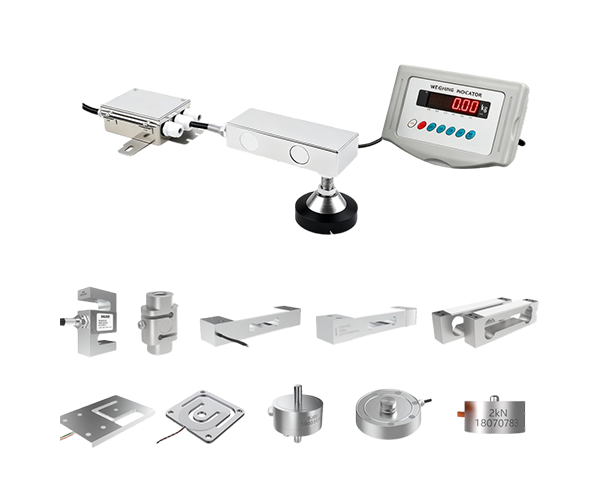
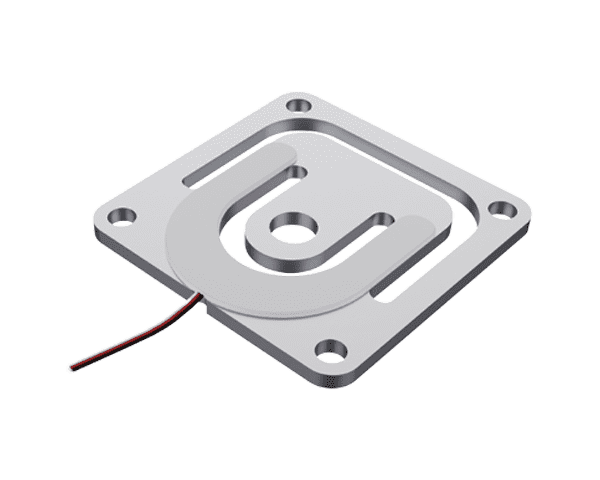
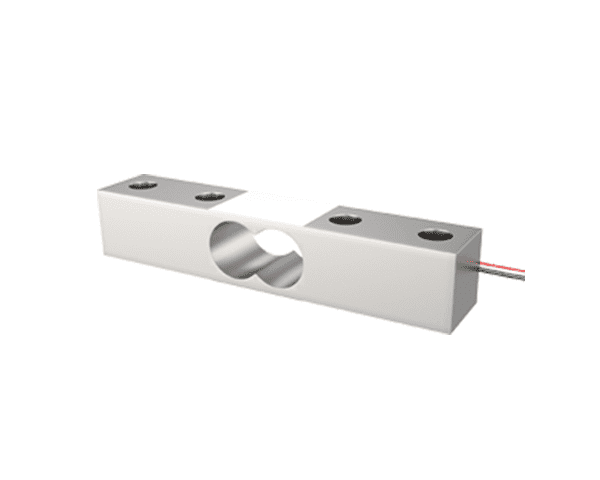
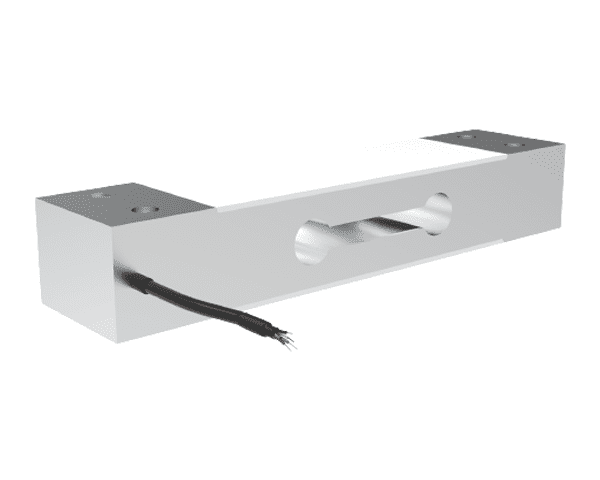
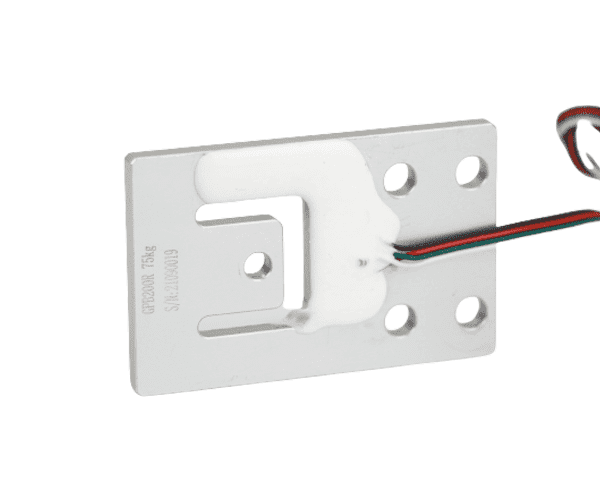
Before diving into the future, it’s essential to grasp the basics of load cells. At their core, load cells are transducers that measure force—whether it’s tension, compression, or torque. The most common type is the strain gauge load cell, which uses a network of thin metal wires (strain gauges) bonded to a metal structure. When force is applied, the structure deforms, changing the resistance of the strain gauges. This change is converted into an electrical signal, which is then processed to determine the applied force.
For decades, load cells have been valued for their accuracy and reliability, but they have traditionally been large, power-hungry, and limited in functionality. They often required manual calibration, were prone to environmental interference, and operated in isolation, making data collection and analysis cumbersome. However, recent advancements in materials science, microelectronics, and connectivity are addressing these limitations, paving the way for a new generation of load cells that are smaller, smarter, and more connected than ever before.

Miniaturization: Smaller, Lighter, and More Versatile

One of the most significant trends in load cell technology is miniaturization. As industries demand more compact and lightweight devices—from wearable health monitors to drones and robotics—load cells are shrinking in size without sacrificing performance. This shift is driven by advancements in microfabrication techniques, new materials, and integrated circuit design.

The Role of Microfabrication and Nanotechnology

Traditional load cells are often bulky because they rely on large metal structures to ensure durability and accuracy. However, microfabrication techniques, such as MEMS (Micro-Electro-Mechanical Systems), allow manufacturers to create tiny load cells with dimensions measured in micrometers. MEMS-based load cells use silicon wafers etched with precision to form microscale strain gauges and structural elements. This not only reduces size but also enables batch production, lowering costs and improving consistency.
Nanotechnology is also playing a role in miniaturization. By engineering materials at the nanoscale, researchers are developing load cells with enhanced sensitivity and durability. For example, carbon nanotubes (CNTs) and graphene have exceptional mechanical and electrical properties, making them ideal for strain sensing. A CNT-based strain gauge can detect even minute forces, allowing for smaller load cells that maintain high accuracy.

Applications of Miniaturized Load Cells

The benefits of miniaturization are evident across industries:
  • Healthcare and Wearables: Miniaturized load cells are revolutionizing medical devices. In prosthetics, tiny load cells embedded in artificial limbs can measure pressure and movement, providing feedback to users and improving mobility. In wearable fitness trackers, they can monitor grip strength or posture, offering insights into health and wellness.
  • Consumer Electronics: Smartphones and tablets now use micro load cells to detect touch pressure, enabling features like 3D Touch. In virtual reality (VR) controllers, mini load cells track hand movements and force, enhancing the immersive experience.
  • Aerospace and Robotics: In drones and small satellites, weight is a critical factor. Miniaturized load cells reduce payload weight while providing real-time data on thrust, vibration, and structural stress, improving safety and efficiency.
Automotive: Electric vehicles (EVs) require lightweight components to maximize battery range. Mini load cells integrated into EV suspension systems can monitor weight distribution and adjust damping in real time, optimizing performance and comfort.
Despite these advantages, miniaturization presents challenges. Smaller load cells are more susceptible to noise and environmental factors like temperature changes and vibration. Engineers are addressing this by developing advanced signal processing algorithms and encapsulation techniques to protect sensitive components.

Smart Sensors: Beyond Measurement—Intelligence and Adaptability

The second major trend shaping the future of load cells is the integration of smart sensor technology. A “smart” load cell goes beyond basic force measurement; it includes built-in processing, self-calibration, and the ability to communicate data. This intelligence transforms load cells from passive transducers into active, adaptive components that can optimize performance in real time.

Key Features of Smart Load Cells

  • Self-Calibration: Traditional load cells require periodic manual calibration, which is time-consuming and disrupts operations. Smart load cells use onboard sensors to monitor environmental conditions (temperature, humidity) and automatically adjust measurements, ensuring accuracy without human intervention. For example, if a load cell detects a temperature shift, it can apply compensation algorithms to maintain precision.
  • Diagnostics and Predictive Maintenance: Smart load cells can monitor their own health, detecting issues like strain gauge degradation or wiring faults. By analyzing data patterns, they can predict when maintenance is needed, reducing downtime and preventing costly failures. In manufacturing, this means fewer unplanned shutdowns and more efficient production lines.
  • Edge Computing: Many smart load cells include edge computing capabilities, allowing them to process data locally before sending it to a central system. This reduces latency, conserves bandwidth, and enables real-time decision-making. For instance, in a factory, a smart load cell on a conveyor belt can immediately detect an overload and trigger a shutdown to prevent equipment damage.

Materials and Technology Enabling Smart Load Cells

The development of smart load cells is closely tied to advancements in microelectronics and materials. Low-power microcontrollers (MCUs) and system-on-chips (SoCs) provide the processing power needed for onboard analytics, while energy-efficient sensors reduce power consumption, making battery-powered smart load cells feasible.
Wireless communication protocols like Bluetooth Low Energy (BLE), Zigbee, and LoRa enable smart load cells to transmit data without physical connections, simplifying installation and reducing maintenance. Additionally, machine learning (ML) algorithms are being integrated into smart load cells to enhance their predictive capabilities. For example, an ML model can learn from historical data to identify patterns that indicate impending failure, allowing for proactive maintenance.

Applications of Smart Load Cells

Smart load cells are transforming industries by enabling more efficient and data-driven operations:
  • Manufacturing: In assembly lines, smart load cells can monitor the force applied during welding or fastening, ensuring products meet quality standards. If a load cell detects an anomaly—such as too much or too little force—it can alert operators in real time, reducing defects.
  • Logistics and Warehousing: Smart load cells in pallet scales and conveyor systems can track inventory levels and detect overloading, improving supply chain efficiency. They can also provide data on shipping weights, reducing costs associated with incorrect freight charges.
  • Agriculture: In precision farming, smart load cells attached to agricultural machinery can measure crop yield and soil resistance, helping farmers optimize planting and harvesting processes.
  • Construction: Smart load cells in cranes and heavy equipment monitor load limits, preventing accidents and ensuring compliance with safety regulations.

IoT Integration: Connecting Load Cells to the Digital Ecosystem

The third trend driving the future of load cells is integration with the Internet of Things (IoT). IoT connects physical devices to the internet, enabling them to share data and interact with other systems. When load cells are integrated into IoT networks, they become part of a larger ecosystem that can collect, analyze, and act on data at scale.

How IoT Transforms Load Cell Data

IoT integration turns isolated load cell measurements into actionable insights. For example, in a smart factory, hundreds of load cells can send data to a cloud platform, where it is aggregated and analyzed to optimize production flow, predict maintenance needs, and reduce energy consumption. This level of connectivity also enables remote monitoring, allowing operators to check load cell data from anywhere in the world via a smartphone or computer.

Key Components of IoT-Enabled Load Cells

  • Connectivity: IoT load cells use wireless technologies like Wi-Fi, cellular (4G/5G), or LPWAN (Low-Power Wide-Area Networks) to transmit data. LPWAN technologies, such as LoRaWAN and NB-IoT, are particularly useful for industrial settings because they offer long-range communication with low power consumption.
  • Cloud Platforms: Data from IoT load cells is stored and processed in the cloud using platforms like AWS IoT, Microsoft Azure IoT, or Google Cloud IoT. These platforms provide tools for data analytics, visualization, and machine learning, making it easy to derive insights from large datasets.
  • Security: With increased connectivity comes the risk of cyberattacks. IoT load cells must include robust security features, such as encryption, secure authentication, and firmware updates, to protect sensitive data.

Applications of IoT-Enabled Load Cells

IoT integration is unlocking new possibilities for load cells across industries:
  • Smart Grids and Renewable Energy: In solar power systems, IoT-enabled load cells monitor the weight and tension of solar panels, detecting issues like wind damage or debris accumulation. In wind turbines, they measure the force on blades, optimizing performance and predicting maintenance.
  • Healthcare Facilities: Hospitals use IoT load cells in patient beds to monitor weight changes, which can indicate health issues like fluid retention. This data is shared with electronic health records (EHR) systems, allowing healthcare providers to make informed decisions.
  • Retail and Inventory Management: In retail stores, IoT load cells in shelves can track product stock levels, automatically triggering reorders when items are low. This reduces out-of-stock situations and improves customer satisfaction.
  • Smart Cities: Load cells embedded in bridges and infrastructure can monitor structural stress, alerting authorities to potential safety risks. For example, a bridge equipped with IoT load cells can detect excessive weight from vehicles and issue warnings to prevent collapse.

Challenges and Considerations for the Future

While the future of load cells is promising, several challenges must be addressed to fully realize their potential:
  • Cost: Miniaturized and smart load cells often require advanced materials and components, which can increase production costs. However, as manufacturing scales and technology matures, costs are expected to decrease, making these innovations accessible to a wider range of industries.
  • Standardization: With the rise of IoT integration, there is a need for standardized communication protocols and data formats to ensure interoperability between different devices and platforms. Industry organizations and regulatory bodies are working to develop these standards, but progress is ongoing.
  • Power Management: Many IoT-enabled load cells are battery-powered, and extending battery life is critical for remote or hard-to-reach applications. Advances in energy harvesting—such as using vibration or solar power—could help address this issue, making load cells self-sustaining.
  • Data Privacy and Security: As load cells collect and transmit sensitive data (e.g., patient health information, industrial trade secrets), protecting this data from unauthorized access is paramount. Manufacturers must prioritize security in both hardware and software design.

Conclusion: A Future of Innovation and Connectivity

The future of load cells is defined by miniaturization, smart technology, and IoT integration. These trends are transforming load cells from simple measurement tools into intelligent, connected devices that drive efficiency, safety, and innovation across industries. From healthcare and manufacturing to renewable energy and smart cities, the applications are vast and varied.
As technology continues to advance, we can expect to see even smaller, more powerful load cells with enhanced capabilities, such as AI-driven predictive analytics and seamless integration with emerging technologies like 5G and edge computing. For businesses, embracing these innovations will be key to staying competitive in an increasingly data-driven world.
Whether you’re a manufacturer looking to optimize production, a healthcare provider aiming to improve patient care, or an innovator exploring new applications, the future of load cells offers exciting opportunities. By staying ahead of these trends, we can unlock the full potential of load cells and build a more connected, efficient, and intelligent world.

HOT keyword: Load Cell
Recommend View More
TIME 2026.02.11

Top Benefits of Using Digital output Load Cell

Digital output load cells provide superior noise immunity, higher accuracy, simplified long-distance installation, and advanced diagnostics. They enable easier calibration and seamless multi-sensor networking, making them essential for modern, smart industrial systems.

TIME 2026.02.10

What is a Dynamic Torque Sensor and How Is It Used in Testing?

A dynamic torque sensor measures torque on rotating shafts in real-time using strain gauges and contactless signal transmission. It is essential for testing electric motors, automotive powertrains, and machinery to analyze performance, efficiency, and durability.

TIME 2026.02.09

How to Choose the Best Wireless Dynamometer for Your Application

Choose the best wireless dynamometer by matching specifications to your application's measurement needs, wireless range, battery life, environmental durability, and required data management software.

029-81292510

info@galoce.com

Rm. 1208, Building B, Huixin IBC, No. 1 Zhang Bayi Road, High-tech Zone, Xi'an, Shaanxi, China

Copyright © Xi'an Gavin Electronic Technology Co., Ltd Site Map

Message Form