
Planar Beam and Thin Beam Load Cells: Advantages for Space-Sensitive Applications

TIME: 2026.01.27 AUTHOR: Carol Li NUMBER OF VIEWS 27
In the world of industrial automation, medical devices, and aerospace engineering, the demand for precise force measurement in tight spaces has never been higher. Whether you’re designing a compact robotic arm for a surgical procedure, a lightweight satellite component, or a high-density manufacturing assembly line, every cubic inch of space counts. This is where planar beam and thin beam load cells shine—innovative force-sensing devices engineered to deliver accuracy without sacrificing real estate. But what exactly sets these load cells apart? How do they address the unique challenges of space-sensitive applications? And why should engineers and product designers prioritize them over traditional force measurement solutions? In this blog, we’ll dive deep into the mechanics, advantages, and real-world uses of planar and thin beam load cells, exploring why they’re becoming the go-to choice for projects where space is a premium.

What Are Planar Beam and Thin Beam Load Cells?

Before we unpack their advantages, let’s start with the basics: defining planar and thin beam load cells and how they differ from conventional load cell designs.

Core Design Principles

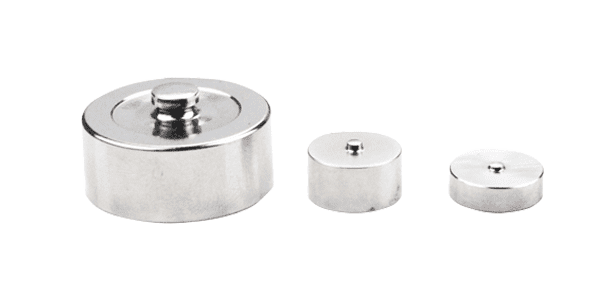
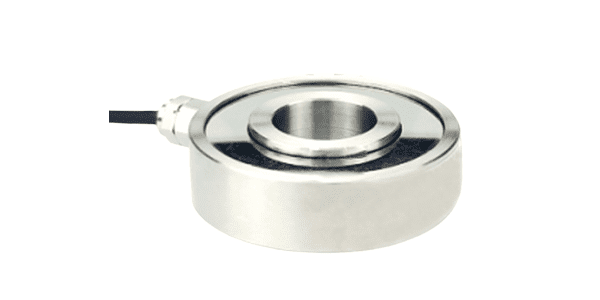
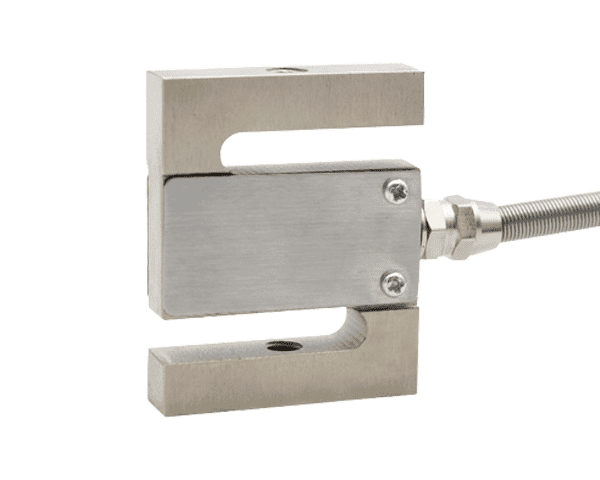
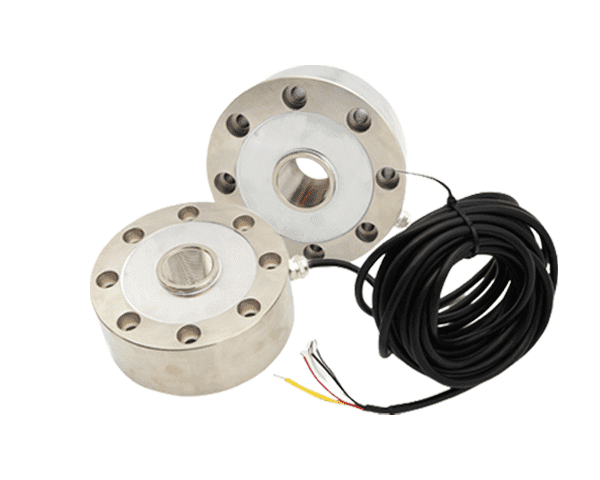
Load cells are transducers that convert force (tension, compression, or shear) into an electrical signal, which can then be measured and analyzed. Traditional load cells—such as S-type, canister, or pancake designs—often feature bulky housings or thick structural elements to handle high loads, making them unsuitable for tight spaces. Planar and thin beam load cells, by contrast, are built with a focus on slimness and flatness:
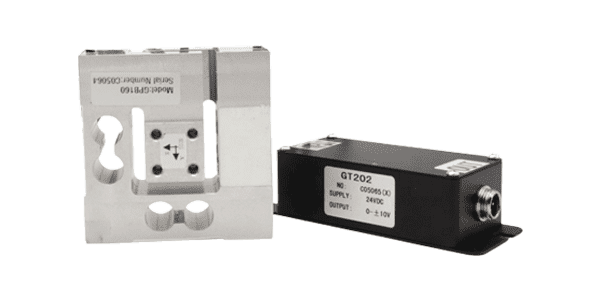
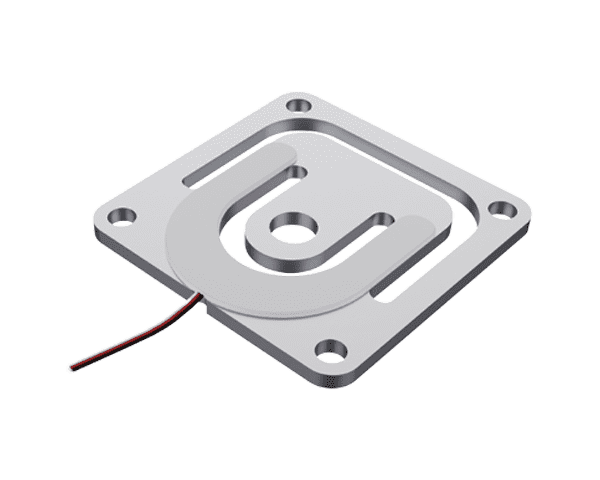
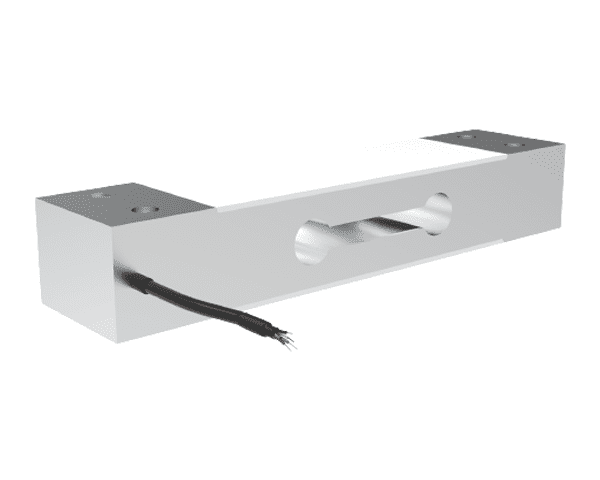
  • Planar Beam Load Cells: These are characterized by their low-profile, flat (planar) structure. Unlike curved or cylindrical load cells, planar models have a rectangular or square footprint with minimal height, allowing them to fit into gaps as narrow as a few millimeters. They typically use strain gauges bonded to a thin, rigid metal beam (often aluminum or stainless steel) that deforms slightly under load.
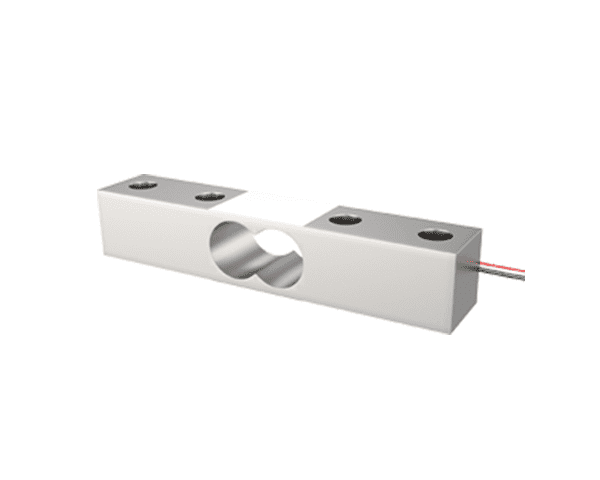
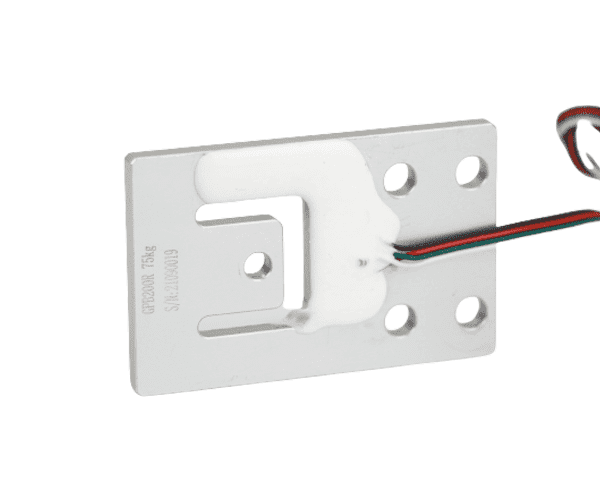
  • Thin Beam Load Cells: A subset of planar designs, thin beam load cells prioritize extreme slimness. Their beam thickness can be as little as 1–2 millimeters, making them ideal for applications where vertical space is severely limited (e.g., between conveyor belts or within wearable medical devices). Despite their thinness, they maintain structural integrity through precision engineering—using high-strength alloys and optimized beam geometry to distribute force evenly and avoid premature failure.

How They Work

Both planar and thin beam load cells operate on the principle of strain gauge technology. When force is applied to the beam, it undergoes elastic deformation (stretching or compressing). Strain gauges—thin, flexible strips of conductive material—are attached to the beam’s surface; as the beam deforms, the gauges stretch or compress too, changing their electrical resistance. This resistance change is measured using a Wheatstone bridge circuit, which converts it into a voltage signal proportional to the applied force. The key difference between these load cells and traditional models lies in their beam geometry: planar and thin beams are designed to maximize deformation in a small space, ensuring that even low forces produce a detectable signal (high sensitivity) without requiring a large structural footprint.

Key Advantages for Space-Sensitive Applications

The true value of planar and thin beam load cells becomes clear when we examine their performance in environments where space is a critical constraint. Below are their most impactful advantages for space-sensitive projects:

1. Ultra-Low Profile for Tight Installations

The most obvious benefit is their slim form factor. Traditional load cells might require 50+ millimeters of height, but planar and thin beam models can be as low as 3–5 millimeters tall. This makes them perfect for:
  • Medical Devices: Implantable sensors (e.g., for monitoring spinal fusion stability) or portable diagnostic tools (e.g., handheld force gauges for physical therapy) where device size directly impacts patient comfort and usability.
  • Aerospace Components: Satellite solar panel deployment mechanisms or rocket engine valve systems, where every gram and millimeter of space is allocated to critical functions.
  • Consumer Electronics: Smartwatch fitness trackers or wireless charging pads, where internal components are packed tightly and there’s no room for bulky sensors.
For example, a manufacturer of compact robotic surgical tools recently swapped a traditional S-type load cell (15mm height) for a planar beam model (4mm height) in their gripper mechanism. This change reduced the gripper’s overall size by 20%, allowing it to access smaller surgical sites without compromising force measurement accuracy (±0.1% full scale).

2. High Accuracy and Sensitivity in Compact Packages

Critics might assume that slim design comes at the cost of accuracy, but planar and thin beam load cells defy this stereotype. Their small size actually enhances sensitivity in some cases: because the beam is thin, even a small force causes a measurable deformation, making them ideal for low to medium load ranges (from a few grams to 500 kilograms). Additionally, their flat structure minimizes off-axis loading errors—forces applied at an angle to the sensor’s primary axis—which are common in bulky load cells with uneven force distribution.
A case in point is a pharmaceutical company that uses thin beam load cells to measure the force applied by automated pill counters. The load cells, installed beneath the counting tray (which has only 2mm of clearance), detect when a pill falls onto the tray with an accuracy of ±0.05 grams. This precision ensures that each bottle is filled with the exact number of pills, reducing waste and compliance risks—all while fitting into the counter’s compact chassis.

3. Lightweight Construction for Portable and Aerospace Use

Space-sensitive applications often require lightweight components to reduce overall system weight (e.g., in drones, satellites, or wearable devices). Planar and thin beam load cells are typically made from lightweight, high-strength materials like aluminum alloy (for low-load applications) or titanium (for high-stress, aerospace use). Their slim geometry also means less material is used, further cutting weight.
For instance, a drone manufacturer integrated planar beam load cells into their drone’s landing gear to measure payload weight and ensure balanced flight. The load cells weigh just 10 grams each—compared to 30 grams for a traditional canister load cell—reducing the drone’s total weight by 80 grams. This weight savings extended the drone’s flight time by 12 minutes, a critical improvement for search-and-rescue missions where endurance is key.

4. Easy Integration with Minimal Modification

One of the biggest headaches for engineers designing space-sensitive systems is retrofitting sensors into existing layouts. Planar and thin beam load cells simplify this process because of their flat, compact design. They can be mounted using small screws, adhesives, or brackets without requiring major modifications to surrounding components. Many models also feature threaded holes or mounting slots directly on the load cell body, eliminating the need for separate mounting hardware (which saves even more space).
A packaging machinery company recently upgraded their vertical form-fill-seal (VFFS) machines with thin beam load cells to measure the weight of snack bags mid-production. The old load cells required a custom mounting bracket that took up 100mm of space, but the new thin beam models fit directly onto the existing sealing bar (which had only 5mm of available space). The upgrade took just 2 hours per machine (down from 8 hours for the old system) and reduced downtime by 75% during installation.

5. Resistance to Environmental Factors

Space-sensitive applications aren’t just about physical space—they often involve harsh environments: temperature fluctuations, moisture, dust, or vibration. Planar and thin beam load cells are engineered to withstand these conditions, with many models featuring hermetic sealing (to prevent moisture ingress) or IP67/IP68 ratings (for dust and water resistance). Their rigid beam structure also resists vibration-induced errors, ensuring stable performance in dynamic environments.
A food processing plant uses planar beam load cells to measure the force applied by meat tenderizing machines. The load cells are exposed to water splashes, cleaning chemicals, and temperatures up to 80°C. Thanks to their IP68 sealing, they require no maintenance and have a lifespan of 5+ years (compared to 2 years for the non-sealed load cells they replaced). This durability reduces operational costs and ensures consistent product quality.

Real-World Applications: Case Studies

To illustrate how these advantages translate to tangible results, let’s look at three real-world case studies across different industries:

Case Study 1: Medical Robotics (Surgical Grippers)

A leading medical device company developed a minimally invasive surgical robot for laparoscopic procedures. The robot’s gripper needed to measure the force applied to tissue (to avoid damaging delicate organs) but had only 3mm of internal space for a load cell.
Solution: The company chose a thin beam load cell with a 2mm height and ±0.1% accuracy. The load cell was integrated into the gripper’s jaw, where it measured forces from 0.1N to 10N (the range needed for tissue manipulation).Results: The gripper’s size was reduced by 25%, allowing it to access smaller surgical sites. Surgeons reported more precise control over tissue handling, and the robot’s complication rate dropped by 18% in clinical trials.

Case Study 2: Aerospace (Satellite Solar Panel Deployment)

A satellite manufacturer needed to measure the deployment force of solar panels to ensure they unfolded correctly in space. The deployment mechanism had only 4mm of space for a load cell, and the sensor needed to withstand extreme temperature changes (-150°C to +120°C) and vacuum conditions.
Solution: A hermetically sealed planar beam load cell made from titanium was selected. The load cell had a 3mm height and was calibrated to measure forces from 50N to 500N.Results: The load cell successfully measured the deployment force with an accuracy of ±0.2% across the entire temperature range. The satellite’s solar panels deployed flawlessly, and the load cell’s lightweight design (15 grams) contributed to a 200-gram reduction in the satellite’s total weight (saving the manufacturer $10,000 in launch costs, as launch prices are based on weight).

Case Study 3: Industrial Automation (Conveyor Belt Sorting)

A logistics company wanted to sort packages by weight on a high-speed conveyor belt. The conveyor had only 6mm of space between the belt and the frame, and the load cells needed to process 100 packages per minute.
Solution: Planar beam load cells with a 5mm height and fast response time (2ms) were installed beneath the conveyor belt. The load cells measured package weights from 0.5kg to 50kg and sent data to a sorting system that redirected packages to the correct bin.Results: The sorting system’s accuracy improved from 92% to 99.5%, reducing mis-sorted packages by 80%. The load cells’ compact design allowed the conveyor to maintain its existing speed (1m/s) without modifications, increasing throughput by 15%.

How to Choose the Right Planar/Thin Beam Load Cell for Your Application

Selecting the perfect load cell depends on your specific requirements. Here are the key factors to consider:

1. Load Capacity

Determine the maximum force your application will encounter. Planar and thin beam load cells are available for load ranges from a few grams (for medical devices) to 10,000 kilograms (for heavy-duty industrial use). Choosing a load cell with a capacity slightly higher than your maximum expected force (10–20% more) prevents overloading and extends lifespan.

2. Accuracy and Precision

Consider the level of accuracy you need. For applications like pharmaceutical dosing or surgical robotics, aim for ±0.1% full scale or better. For less critical uses (e.g., package sorting), ±0.5% may suffice.

3. Environmental Conditions

If your application involves moisture, dust, or extreme temperatures, choose a load cell with an appropriate IP rating (IP67 for wet environments, IP68 for submersion) or hermetic sealing. For high-vibration environments, look for load cells with vibration-dampening features or ruggedized construction.

4. Mounting Requirements

Measure the available space (height, width, depth) and choose a load cell that fits without modification. Check for integrated mounting hardware (threaded holes, slots) to simplify installation.

5. Output Signal

Load cells produce different output signals: analog (voltage, current) or digital (RS-485, CAN bus). Choose a signal type that is compatible with your existing data acquisition system. Digital load cells are often preferred for space-sensitive applications because they require fewer wires (saving space) and are less susceptible to noise.

Common Misconceptions About Planar and Thin Beam Load Cells

Despite their advantages, some engineers are hesitant to use planar and thin beam load cells because of common myths. Let’s debunk these:

Myth 1: They Can’t Handle High Loads

While it’s true that thin beam load cells are ideal for low to medium loads, many planar models are designed for high forces (up to 10,000 kg). For example, a stainless steel planar beam load cell with a 10mm height can handle 5,000 kg of compression force—enough for heavy-duty industrial applications like metal stamping.

Myth 2: They’re Less Durable Than Traditional Load Cells

Durability depends on materials and construction, not thickness. Hermetically sealed planar load cells made from stainless steel can withstand harsh environments just as well as traditional canister load cells. In fact, their rigid beam structure resists bending and fatigue better than some bulky designs.

Myth 3: They’re More Expensive

While high-precision planar load cells can be pricey, basic models are comparable in cost to traditional load cells. Additionally, their easy integration and long lifespan reduce total cost of ownership (TCO) over time. For example, a thin beam load cell that costs $200 upfront may save $1,000 in installation and maintenance costs compared to a $150 traditional load cell.

Future Trends in Planar and Thin Beam Load Cell Technology

As demand for space-sensitive force measurement grows, manufacturers are innovating to make planar and thin beam load cells even more capable. Here are the trends to watch:

1. Miniaturization of Electronics

Advances in microelectronics are allowing manufacturers to integrate signal conditioning circuits directly into the load cell body. This eliminates the need for external amplifiers (saving space) and improves signal quality. Some modern planar load cells even feature wireless connectivity (Bluetooth or Wi-Fi), reducing wiring clutter in compact systems.

2. Smart Load Cells with IoT Capabilities

The Internet of Things (IoT) is transforming industrial sensors, and planar load cells are no exception. Smart planar load cells can collect and transmit data in real time (e.g., force, temperature, vibration) to cloud-based platforms for analysis. This enables predictive maintenance—identifying potential load cell failures before they cause downtime—which is critical for space-sensitive applications where access for repairs is limited (e.g., satellites).

3. 3D-Printed Load Cells

3D printing is revolutionizing load cell design by allowing complex, optimized beam geometries that can’t be produced with traditional machining. For example, 3D-printed planar load cells can have internal lattice structures that reduce weight while maintaining strength. This is particularly useful for aerospace applications where every gram counts.

4. Improved Material Science

New materials like carbon fiber composites are being used to make planar and thin beam load cells even lighter and stronger. Carbon fiber has a higher strength-to-weight ratio than aluminum or steel, making it ideal for high-load, low-weight applications. A carbon fiber thin beam load cell can handle 1,000 kg of force while weighing just 5 grams—perfect for drones or wearable exoskeletons.

Conclusion

Planar beam and thin beam load cells are more than just “small sensors”—they’re game-changers for engineers designing space-sensitive applications. Their ultra-low profile, high accuracy, lightweight construction, and easy integration make them the ideal choice for projects where every millimeter and gram matters. From medical robotics to aerospace and industrial automation, these load cells are solving real-world problems and enabling innovations that were once impossible.
If you’re working on a project with tight space constraints, don’t settle for a bulky traditional load cell. Consider the advantages of planar and thin beam load cells—they might just be the missing piece that takes your design to the next level. Whether you’re measuring the force of a surgical gripper, the weight of a satellite component, or the load on a conveyor belt, these sensors deliver precision, reliability, and space efficiency in one compact package.
As technology continues to advance, we can expect planar and thin beam load cells to become even more capable—with smarter features, better materials, and smaller form factors. The future of force measurement is slim, flat, and incredibly powerful.

HOT keyword: Load Cell
Recommend View More
TIME 2026.01.29

S-Type Load Cells: Ideal for Both Tension and Compression Measurements

S-Type load cells handle both tension and compression with high accuracy. They are versatile, durable, and easy to install for various industrial applications.

TIME 2026.01.29

Load Cell Materials: Stainless Steel vs. Alloy Steel for Different Environments

Choose alloy steel for cost in dry environments, but select 17-4PH or 316L stainless steel for corrosive conditions to ensure decades of reliable weighing performance.

TIME 2026.01.28

Choosing the Right Load Cell Capacity and Size: A Step-by-Step Selection Guide

Learn how to choose the right load cell for accuracy, safety and longevity. Calculate capacity, select type and meet regional standards in six steps.

029-81292510

info@galoce.com

Rm. 1208, Building B, Huixin IBC, No. 1 Zhang Bayi Road, High-tech Zone, Xi'an, Shaanxi, China

Copyright © Xi'an Gavin Electronic Technology Co., Ltd Site Map

Message Form