Mastering Load Cell Arrow Direction: The Foundation of Precision
Have you ever stopped to wonder why that tiny arrow printed on the load cell’s housing is so important? In this comprehensive technical guide, you will master the critical details of arrow alignment—from foundational principles to regional compliance standards. We have preserved your original insights to ensure you possess the clarity to install, calibrate, and troubleshoot sensors with 100% accuracy, preventing the costly errors that trip up even seasoned technicians.
What Is Load Cell Arrow Direction, Anyway?
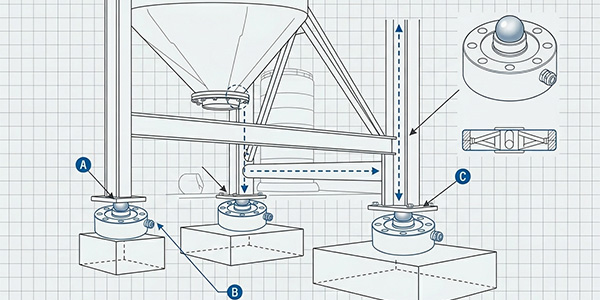
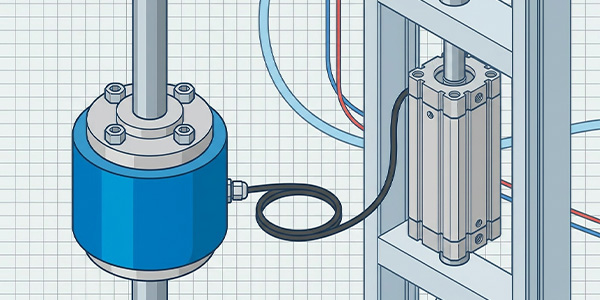
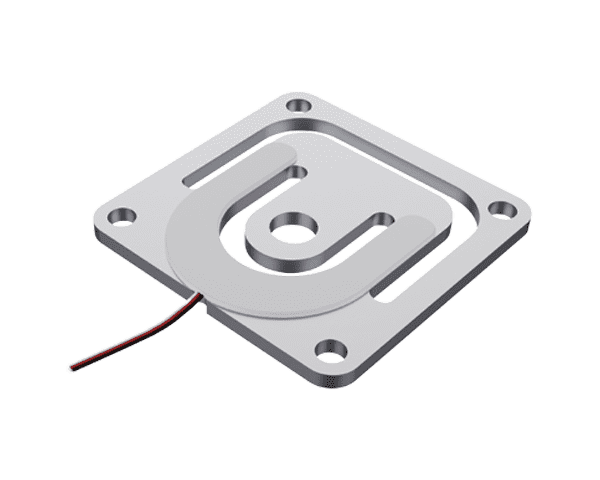
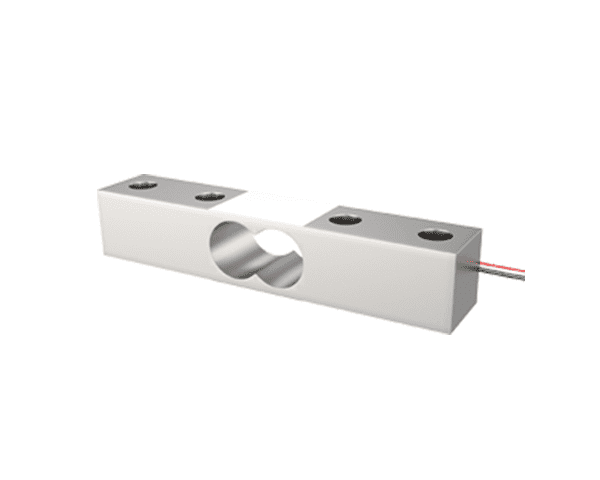
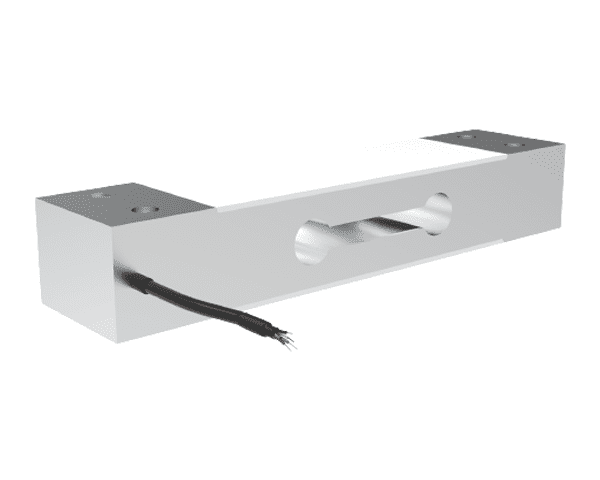
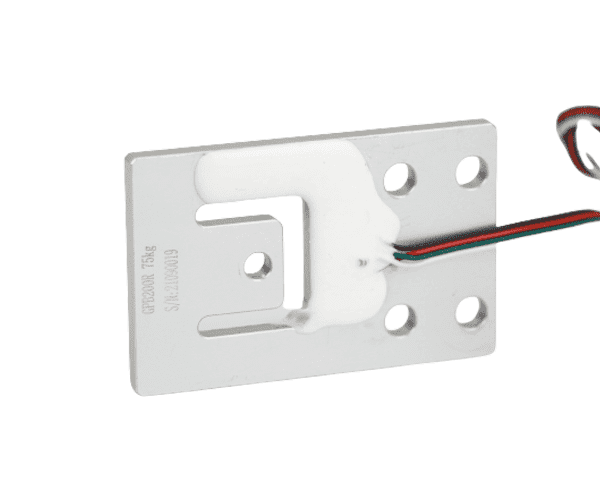
First, let’s demystify the basics. A load cell’s arrow is not a decorative feature—it’s a manufacturer’s clear instruction for the primary load axis: the direction in which the cell is designed to bear force. Load cells are precision instruments engineered to detect force along a specific plane.
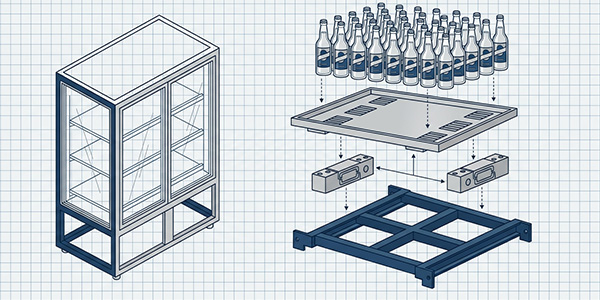
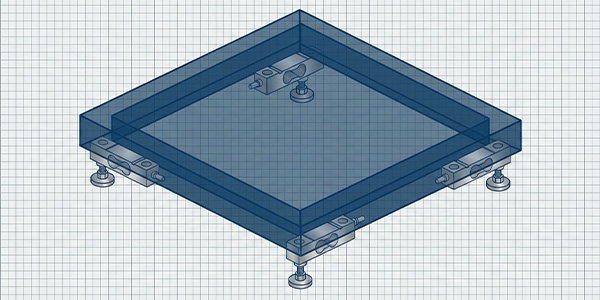
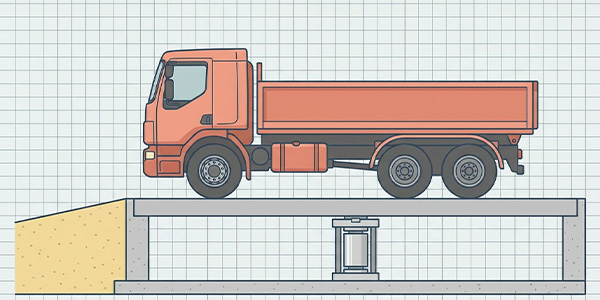
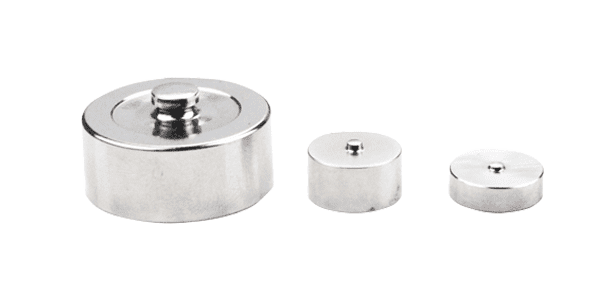
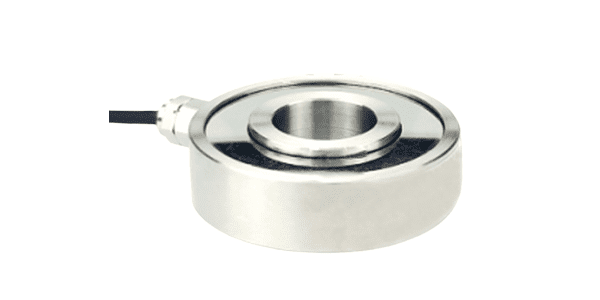
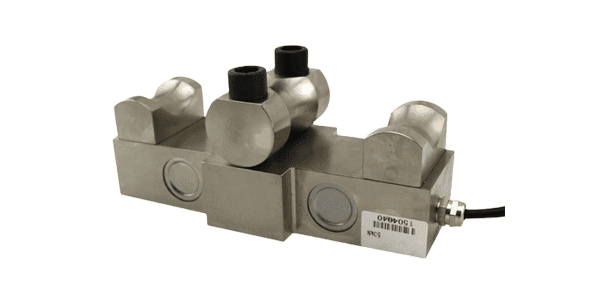
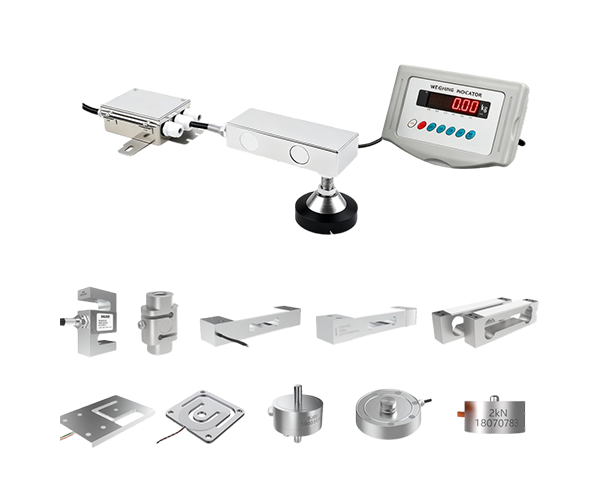
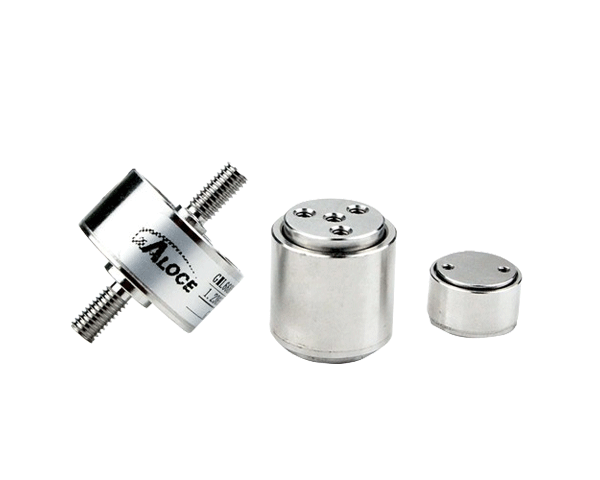
Compression Load Cell: Common in truck scales; arrow points toward the base, indicating downward force.
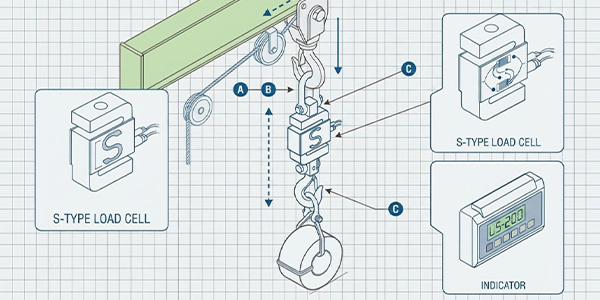
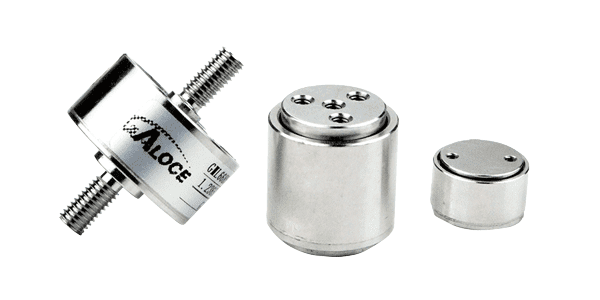
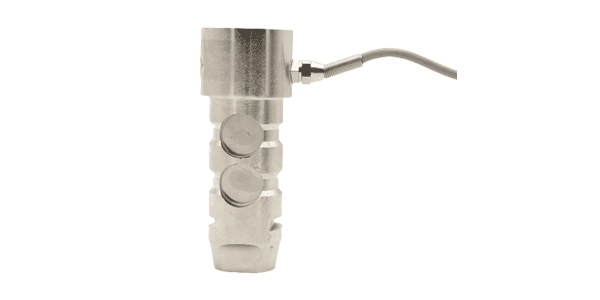
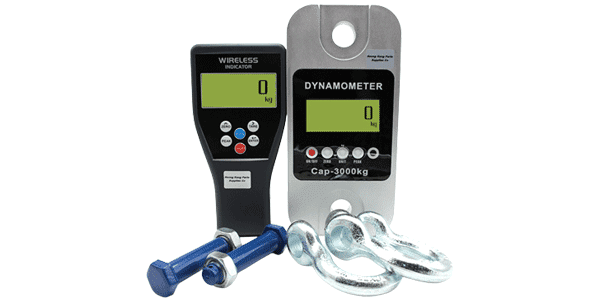
Tension Load Cell: Used in crane scales; arrow points along the cable for pulling force.
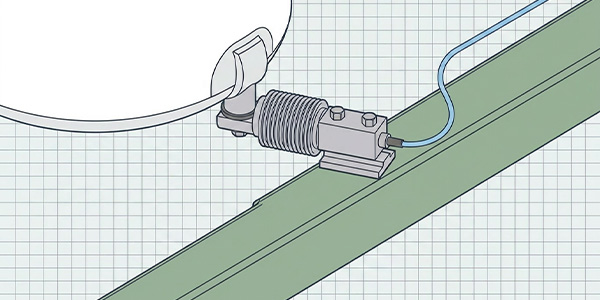
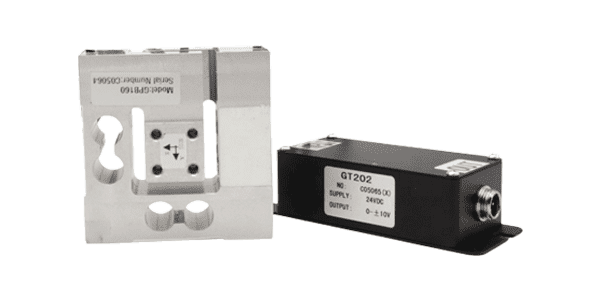
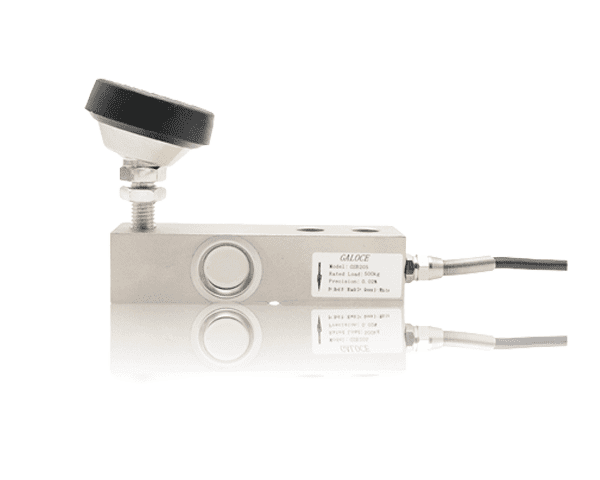
Shear Load Cell: Popular in conveyors; arrow indicates the optimized lateral force direction.
This arrow aligns with the cell’s internal strain gauges—the tiny sensors that bend when force is applied, changing their electrical resistance to produce a signal. If you install the load cell against the arrow direction, you’re forcing the strain gauges to work in reverse, which disrupts their calibration and accuracy.
Why Arrow Direction Is Non-Negotiable for Accuracy
Imagine you’re a coffee roaster in Colombia relying on a load cell to measure 50kg batches of green beans. If your load cell’s arrow is reversed, the system might read 48kg one batch and 52kg the next—leading to inconsistent roast profiles, wasted beans, and unhappy customers.
The Science: Load cells are calibrated at the factory to produce a linear output for force applied along the arrow. Off-axis application results in:
-
Drift: Readings change over time even with constant force.
-
Hysteresis: Different readings for the same force when loading vs. unloading.
-
Zero Offset: The system shows weight (e.g., 2kg) when empty.
Regional Challenges: GEO-Specific Alignment
North America: Agricultural and Industrial Scales
In the U.S. and Canada, farmers in the Midwest often rush silo installations during harvest season, flipping load cells to save time. This leads to underreported grain weights, costing thousands in lost revenue. Pro Tip: Always use a level to ensure alignment; NIST recommends annual recalibration, but reversed arrows make this ineffective.
Europe: Automotive and Pharmaceutical Compliance
The EU’s Machinery Directive and GMP demand traceable data. In Germany’s automotive industry, a reversed arrow in engine torque measurement could lead to recalls. Pro Tip: Pair alignment with regional standards like DIN EN 45501 and use UV-resistant markings for Mediterranean sun exposure.
Asia-Pacific: Logistics and Construction
Australia’s WHS regulations mandate a 5:1 safety margin for crane scales, but reversed arrows reduce this by 30-50%. In high-humidity regions like Thailand (90%+), corrosion can fade arrows. Pro Tip: Use stainless steel sensors with laser-etched arrows to resist coastal corrosion.
Real-World Horror Stories: Ignoring the Arrow
Case 1: Iowa Grain Scale
Reversing two arrows cost a farmer $1,200 in a single 10,000-bushel sale. Re-calibration fees further increased the loss.
Case 2: Bavarian Conveyor
A technician assumed the arrow pointed toward the motor. Underweight engine blocks led to a €2.4M recall catastrophe.
Case 3: Sydney Crane Scale
A reversed tension cell read 4.5 tons for a 5-ton beam. The resulting slip caused structural damage and a AU$150,000 fine.
Step-by-Step Guide to Correct Arrow Alignment
1. Pre-Installation Prep: Locate the arrow (printed or etched) and check the manual for secondary force handling limits. Ensure compliance with local standards (NIST in US, CE in EU, AS/NZS in Australia).
2. Mounting Alignment:
-
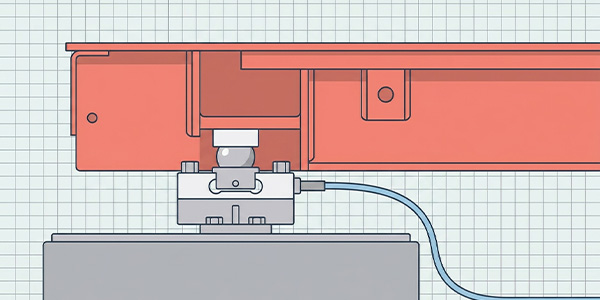
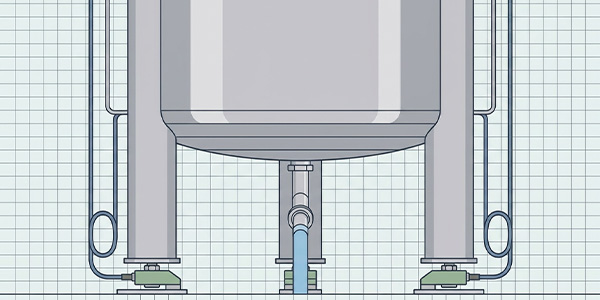
Compression: Arrow must point downward toward the base. Use shims for rocky or uneven terrain.
-
Tension: Arrow points along the pulling direction. Avoid cable twisting, especially in windy regions.
-
Shear: Align with conveyor movement; use vibration dampeners in high-traffic Indian or Chinese ports.
3. System Calibration: Apply zero load, then full-scale, then mid-range. In humid Southeast Asia, calibrate monthly to account for moisture drift.
Troubleshooting Common Arrow-Related Issues
Faded Markings: Refer to the manual diagram. For permanent industrial fixes, use a metal engraver to re-mark the direction.
Off-Axis Forces: Re-mount the cell using anti-rotation brackets (common in European machinery) to prevent twisting.
Zero Offset: If reversing the arrow doesn't fix it, use the system's digital zero button or potentiometer to reset balance.
Technical FAQ: Load Cell Arrow Alignment
1. What if my load cell has no arrow printed on it?
Most industrial sensors have markings. If missing, you must refer to the manufacturer's technical drawing. Generally, the "Dead End" (where the cable exits) should be attached to the stationary support, and the "Live End" to the load.
2. Can I just reverse the wires if the arrow is installed backward?
No. While swapping signal wires might change the polarity on your display, it does not fix the mechanical stress on the strain gauges. A backward installation causes non-linear output and increases Hysteresis errors.
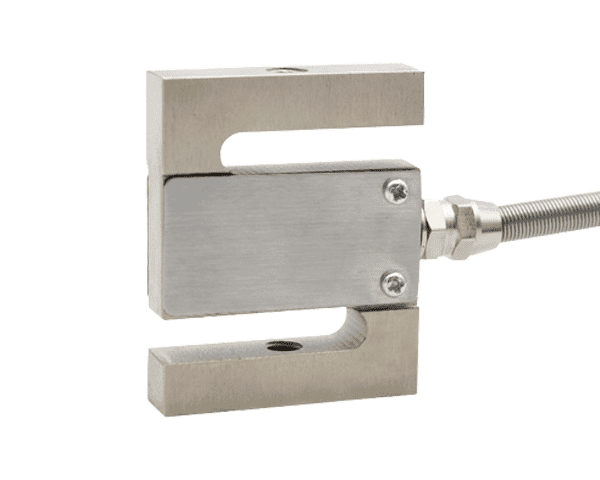
3. Do bidirectional S-Type load cells need arrow alignment?
Yes. Even though they handle both pulling and pushing, the arrow indicates the positive-going signal direction. Following it ensures your indicator displays a positive weight during the primary loading mode.
4. How does humidity affect arrow visibility?
In Southeast Asian or coastal environments, printed arrows can peel or corrode. We recommend specifying laser-etched markings and applying a clear protective sealant over the label area during installation.
5. Can a reversed arrow damage the sensor permanently?
Potentially. If the sensor is forced to measure loads in a direction it wasn't braced for, the strain gauges can experience fatigue or bonding failure much faster than intended, leading to permanent signal drift.
Ready to Ensure 100% Measuring Accuracy?
Arrow direction is the foundation of load cell performance. Whether you need C2-grade sensors or customized technical guidance for your global project, GALOCE engineers are here to help.