
Load Cells in Modern Inventory Management Systems

TIME: 2025.12.23 AUTHOR: Carol Li NUMBER OF VIEWS 147
In the fast-paced retail, manufacturing, and logistics sectors, efficient inventory management is the cornerstone of operational success. Whether it’s a small e-commerce warehouse or a multinational manufacturing plant, knowing exactly what products are in stock, their quantities, and their condition can mean the difference between meeting customer demands and incurring costly delays. Traditional inventory management methods—such as manual counts, barcode scanning, or even basic weight estimates—have long struggled with inaccuracies, time-consuming processes, and limited scalability. Load cells are revolutionizing how businesses track, monitor, and optimize their inventory. In this blog, we’ll explore the role of load cells in modern inventory management systems, their benefits, applications across industries, and the future of this technology in an increasingly data-driven world.

Understanding Load Cells: The Basics

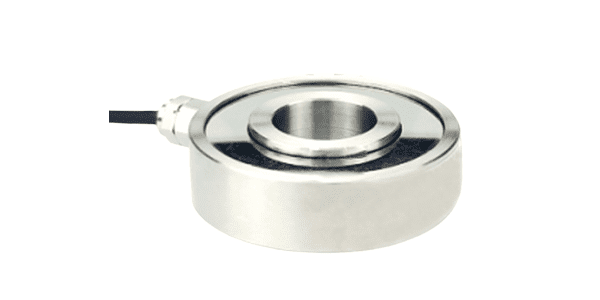
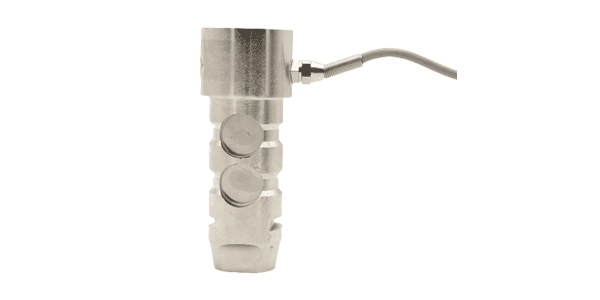
Before diving into their applications in inventory management, it’s essential to grasp what load cells are and how they work. At their core, load cells are transducers—devices that convert one form of energy into another. Specifically, they convert mechanical force (weight, pressure, or tension) into an electrical signal that can be measured and analyzed. This electrical signal is proportional to the force applied, allowing for precise weight measurements.
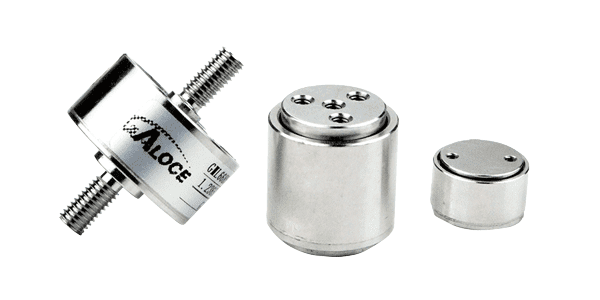
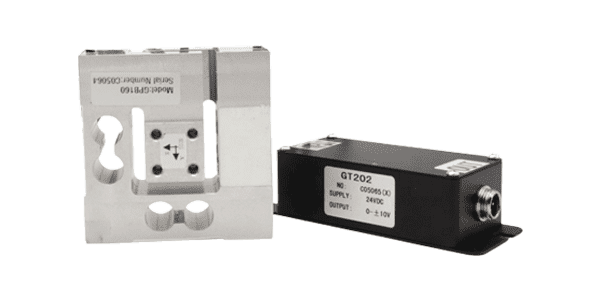
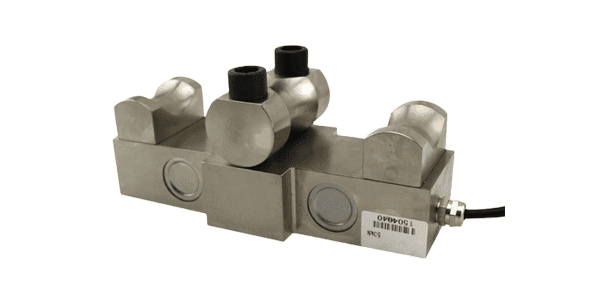
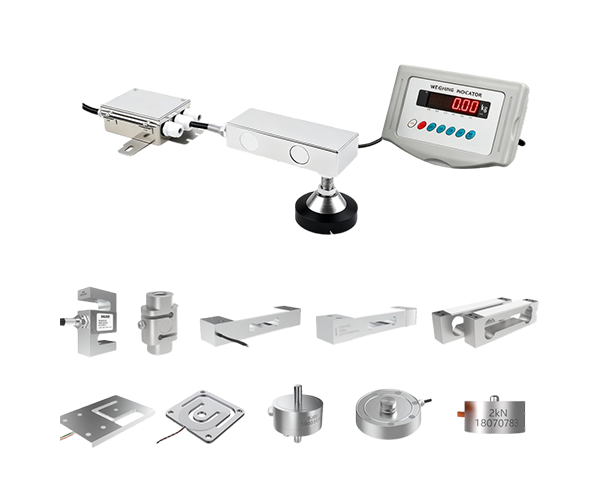
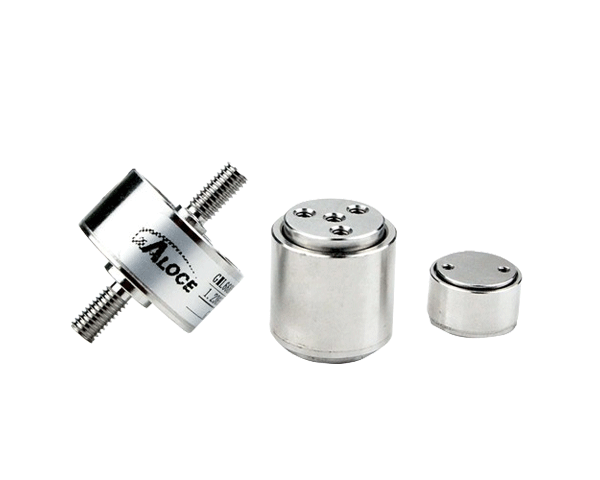
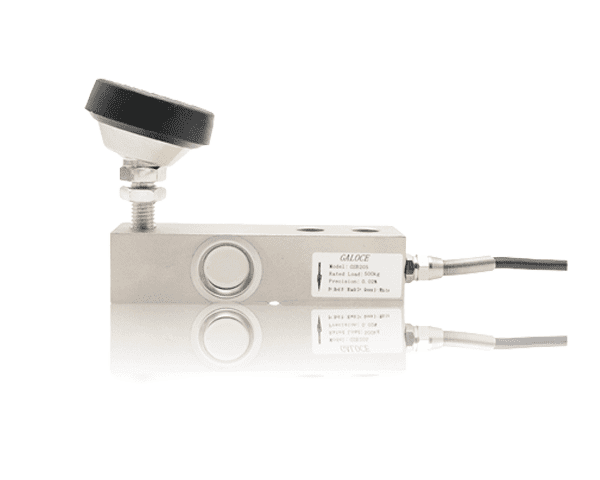
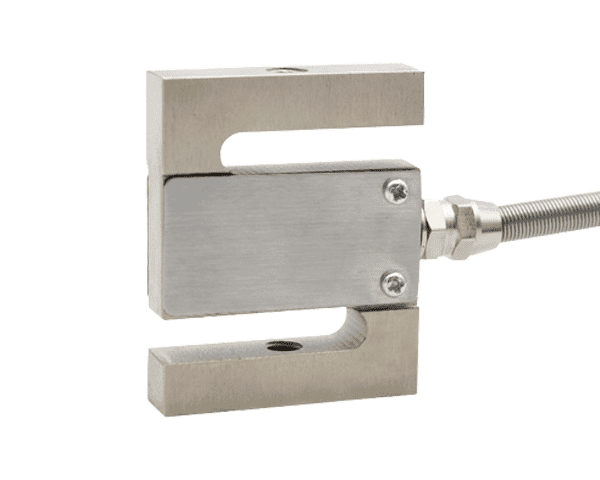
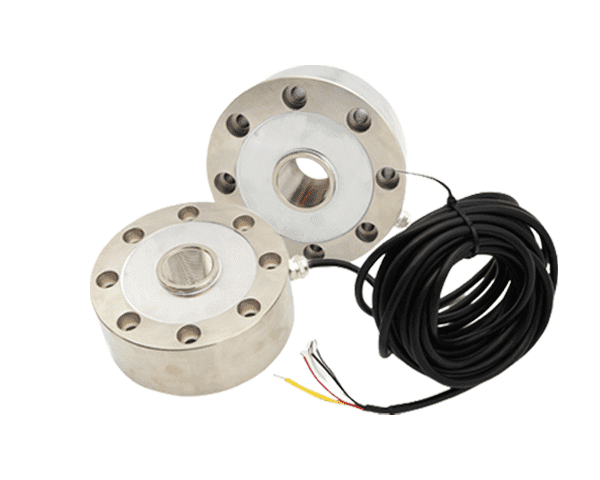
Load cells come in various types, each designed for specific applications. The most common include:
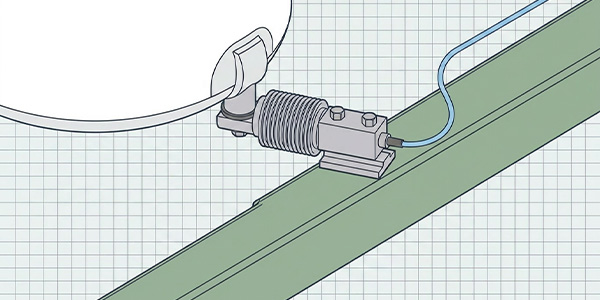
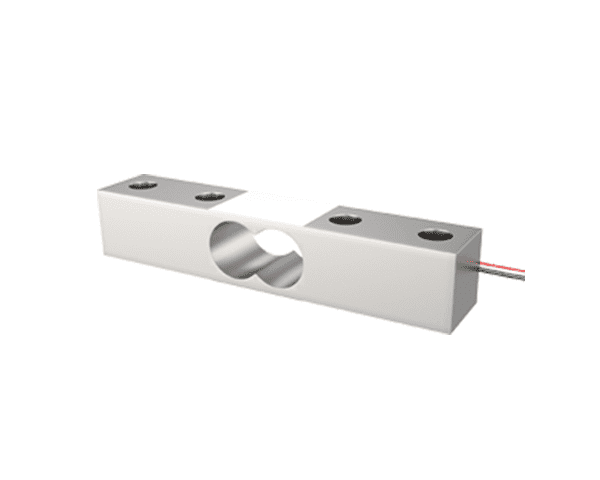
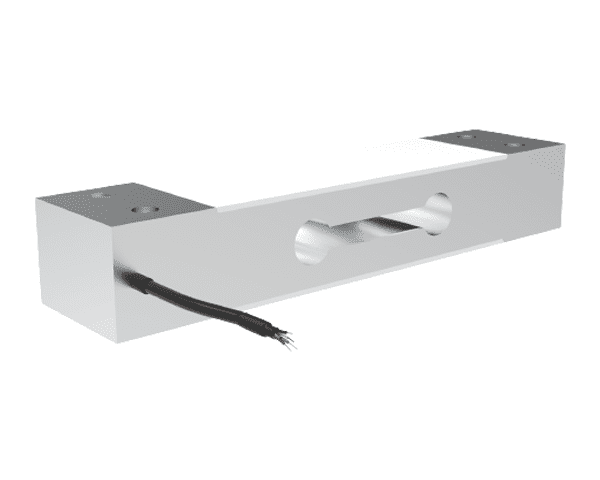
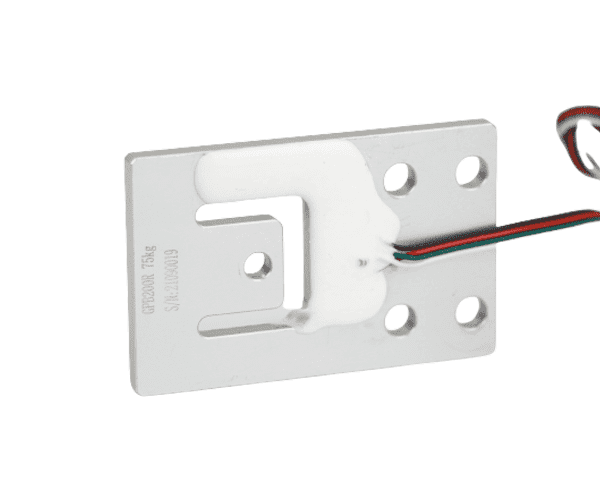
  • Strain Gauge Load Cells: The workhorses of the industry, these use a strain gauge (a thin wire or foil that changes resistance when stretched or compressed) bonded to a metal structure. When force is applied, the structure deforms slightly, altering the strain gauge’s resistance. This change is converted into an electrical signal, which is then processed to determine weight.
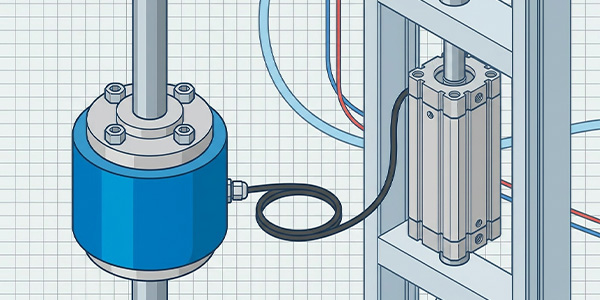
  • Hydraulic Load Cells: These use a fluid-filled chamber; when force is applied, the fluid pressure increases, and this pressure is measured to calculate weight. They are often used in harsh environments due to their durability.
  • Pneumatic Load Cells: Similar to hydraulic load cells but use air pressure instead of fluid. They are ideal for applications requiring high precision and are often used in industries where cleanliness is critical, such as food processing.
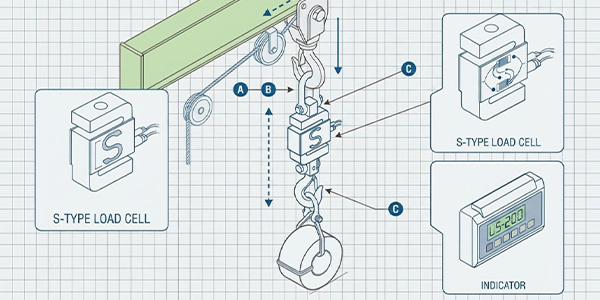
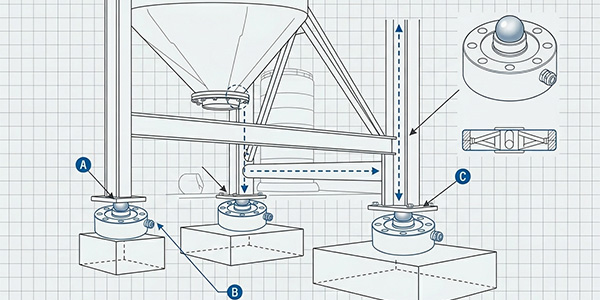
For inventory management, strain gauge load cells are the most widely adopted due to their accuracy, cost-effectiveness, and compatibility with digital systems. They can measure weights ranging from a few grams to several tons, making them versatile for tracking everything from small components to large pallets.

The Limitations of Traditional Inventory Management

To appreciate the value of load cells, it’s helpful to first understand the flaws in traditional inventory tracking methods. For decades, businesses relied on manual processes, which are prone to human error. A warehouse worker counting boxes by hand might miscount, mislabel, or overlook items, leading to inventory discrepancies. These discrepancies can have cascading effects: overstocking ties up capital and storage space, while understocking leads to stockouts and lost sales.
Barcode and RFID scanning improved efficiency by automating data entry, but they still have limitations. Barcodes require line-of-sight scanning, which can be time-consuming for large pallets or stacked items. RFID tags, while more flexible, can be expensive to implement at scale, and signal interference (from metal or liquids) can reduce accuracy. Moreover, neither method directly measures quantity—they track individual items, so a pallet labeled with an RFID tag might still contain the wrong number of products if it was mispacked.
Weight-based systems, such as floor scales or pallet jack scales, have been around for years but were often standalone devices. Workers would manually weigh items and log the data into spreadsheets or inventory software, a process that is slow and prone to transcription errors. These systems also lacked real-time monitoring capabilities, meaning inventory data was often outdated by the time it was analyzed.

How Load Cells Transform Inventory Management

Load cells address these limitations by integrating seamlessly into inventory systems, providing real-time, accurate weight data that drives smarter decision-making. Here’s how they work in practice:

Real-Time Inventory Tracking

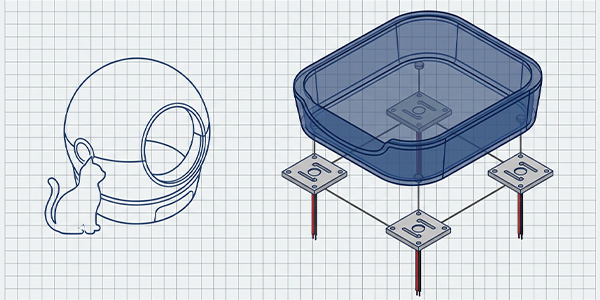
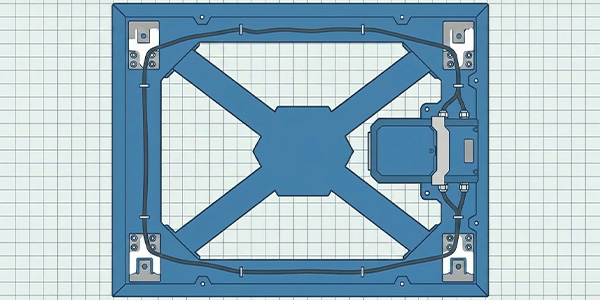
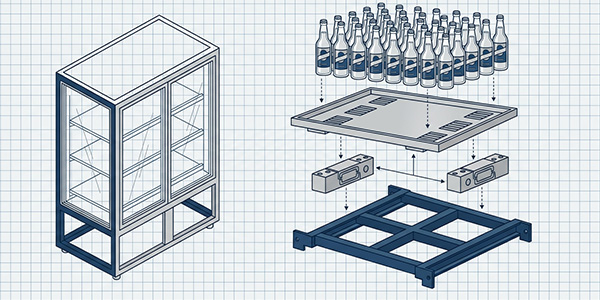
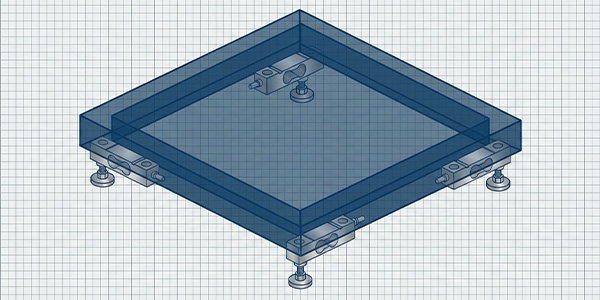
Imagine a warehouse where every shelf, pallet rack, or storage bin is equipped with load cells. As items are added or removed, the load cells immediately detect the change in weight and transmit this data to a central inventory management system (IMS). This means inventory levels are updated in real time, eliminating the need for manual counts or periodic scans. For example, when a worker places a box of electronics on a load cell-equipped shelf, the system instantly records the weight increase and updates the stock quantity based on the known weight of a single box. Conversely, when an order is picked, the weight decrease triggers an automatic deduction from inventory.
This real-time visibility is a game-changer for businesses. Managers can monitor stock levels from a dashboard, receive alerts when items are low, and prevent stockouts by initiating reorders proactively. In manufacturing, real-time weight data can track raw material usage, ensuring production lines never run out of critical components.

Accuracy and Reduced Human Error

Human error is the bane of inventory management, but load cells minimize this risk by removing manual data entry from the equation. Since weight measurements are automated, there’s no room for miscounting, mislabeling, or transcription mistakes. For instance, a pharmaceutical company storing vials of medication can use load cells to ensure each bin contains exactly 100 vials, based on the known weight of a single vial. If the weight is off by even a few grams, the system flags a discrepancy, prompting a review before the error propagates.
Load cells also improve accuracy in shipping and receiving. When a truck unloads pallets, load cells integrated into the dock scales can verify that the delivered weight matches the expected weight on the purchase order. If there’s a mismatch, the system alerts staff to inspect the shipment, preventing incorrect deliveries from entering the inventory.

Cost Savings and Efficiency

By automating inventory tracking, load cells reduce labor costs associated with manual counts. A study by the Warehousing Education and Research Council (WERC) found that manual inventory counts can take up to 20% of a warehouse worker’s time, and even then, accuracy rates hover around 95%. With load cells, this time is freed up for more value-added tasks, such as order fulfillment or customer service.
Additionally, load cells help optimize storage space. By tracking the weight of items on each shelf, businesses can identify underutilized or overcrowded areas. For example, if a shelf designed to hold 500 kg is consistently only holding 300 kg, managers can redistribute items to maximize space efficiency. Over time, this reduces the need for additional warehouse space, lowering rent and operational costs.

Enhanced Traceability and Compliance

In industries such as food and beverage, pharmaceuticals, or chemicals, traceability is not just a convenience—it’s a legal requirement. Load cells provide an audit trail by recording every weight change, including timestamps and user IDs (if integrated with access control systems). This data can be used to track the movement of items from receiving to shipping, ensuring compliance with regulations like the FDA’s Current Good Manufacturing Practices (cGMP) or the European Union’s General Data Protection Regulation (GDPR).
For example, a food manufacturer using load cells to track ingredient storage can quickly recall products if a batch is contaminated, using weight data to identify which pallets were affected. Similarly, a logistics company can prove to customers that their shipment arrived with the correct weight, reducing disputes over lost or damaged goods.

Applications Across Industries

Load cells are versatile tools with applications in nearly every sector that manages inventory. Let’s explore how different industries are leveraging this technology:Load Cell Applications Across Industries

Retail and E-Commerce

In retail warehouses, where speed and accuracy are critical, load cells are used to track pallets, bins, and even individual products. For example, Amazon’s fulfillment centers are rumored to use load cell-equipped shelves to monitor inventory levels in real time, ensuring that popular items are always in stock. Smaller retailers can use load cells in their backrooms to track stock of high-value items, such as electronics or jewelry, reducing the risk of theft or misplacement.
E-commerce businesses also benefit from load cell integration in shipping. By weighing packages as they are packed, load cells ensure that shipping costs are calculated accurately, preventing overcharging customers or undercharging and losing money on postage. Some shipping carriers even use load cells at sorting facilities to verify package weights and dimensions, streamlining the delivery process.

Manufacturing

Manufacturing plants rely on load cells to track raw materials, work-in-progress (WIP), and finished goods. In automotive manufacturing, for instance, load cells on assembly line stations can monitor the weight of components (e.g., engines, tires) to ensure they meet specifications. If a component is too heavy or too light, the system can trigger an alert, preventing defective products from moving down the line.
Load cells also play a role in just-in-time (JIT) manufacturing, where inventory is ordered and received only as needed. By tracking the weight of raw materials in storage, manufacturers can automatically generate purchase orders when stock levels fall below a threshold, ensuring production never stops due to material shortages.

Food and Beverage

The food and beverage industry faces unique challenges, including strict safety regulations and perishable inventory. Load cells help address these by providing accurate weight data for ingredients, ensuring recipes are followed precisely and reducing waste. For example, a bakery using load cells to measure flour and sugar can maintain consistency in product quality, while a brewery can track the weight of hops and barley to ensure batch consistency.
In cold storage facilities, load cells are often used in conjunction with temperature sensors to monitor both weight and environmental conditions. This ensures that perishable items (e.g., meat, dairy) are stored correctly and that inventory levels are accurate, even in harsh, low-temperature environments.

Pharmaceuticals

Pharmaceutical companies must adhere to rigorous quality control standards, and load cells are essential for ensuring medication doses are precise. In pill manufacturing, load cells can measure the weight of individual tablets or capsules, rejecting those that fall outside the acceptable weight range (which may indicate incorrect dosages). Load cells also track the weight of raw materials, such as active pharmaceutical ingredients (APIs), to prevent contamination or errors in formulation.
Additionally, load cells help with inventory security in pharmacies. By equipping storage cabinets with load cells, pharmacists can track the weight of controlled substances, such as opioids, and receive alerts if there are unauthorized removals, reducing the risk of theft or diversion.

Integration with Modern Inventory Systems

For load cells to deliver maximum value, they must integrate with other technologies, such as IMS, warehouse management systems (WMS), and the Internet of Things (IoT). Here’s how this integration works:

IoT Connectivity

Load cells are increasingly connected to IoT networks, allowing them to transmit data wirelessly to cloud-based platforms. This eliminates the need for manual data collection and enables remote monitoring. For example, a warehouse manager can check inventory levels on their smartphone while traveling, or a manufacturer can monitor raw material usage across multiple plants from a central dashboard.
IoT-enabled load cells also support predictive analytics. By analyzing historical weight data, algorithms can forecast future inventory needs, identify trends (e.g., seasonal demand spikes), and even predict equipment failures. For instance, if a load cell on a shelf starts showing inconsistent weight readings, the system might alert maintenance staff to inspect it before it breaks, preventing downtime.

Integration with WMS and ERP Systems

Most modern WMS and enterprise resource planning (ERP) systems, such as SAP, Oracle, or Microsoft Dynamics, can integrate with load cell data. This allows weight measurements to automatically update inventory records, sales orders, and purchase orders. For example, when a load cell detects that a pallet of widgets has been removed from a shelf, the WMS can automatically deduct the quantity from inventory and update the sales order, triggering a notification to the customer that their order is on its way.
This integration also streamlines accounting processes. Accurate weight data ensures that inventory valuations are precise, which is critical for financial reporting and tax purposes. In manufacturing, load cell data can be used to calculate the cost of goods sold (COGS) by tracking the weight of raw materials used in production.

Automation and Robotics

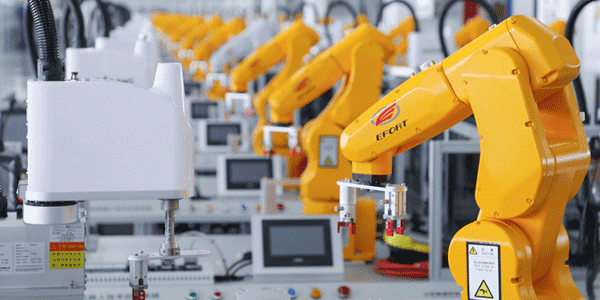
Load cells are often paired with automation technologies, such as robotic arms and automated guided vehicles (AGVs), to create fully autonomous inventory systems. For example, an AGV equipped with a load cell can transport a pallet to a shelf, and the shelf’s load cells can verify that the pallet has been placed correctly and update the inventory system accordingly. Robotic pickers can use load cells to ensure they pick the correct number of items by weight, reducing errors in order fulfillment.
In some advanced warehouses, load cells are integrated with artificial intelligence (AI) to optimize inventory placement. AI algorithms analyze weight data, sales trends, and storage capacity to determine the most efficient location for each item—e.g., placing heavy, frequently picked items on lower shelves for easy access.

Challenges and Considerations

While load cells offer numerous benefits, their implementation is not without challenges. Businesses considering adopting load cell-based inventory systems should be aware of the following:

Cost of Implementation

Installing load cells can be expensive, especially for large warehouses with hundreds of storage locations. The cost includes not just the load cells themselves but also wiring, data acquisition systems, software integration, and employee training. However, many businesses find that the long-term savings—reduced labor costs, fewer stockouts, and improved efficiency—outweigh the initial investment. Smaller businesses can start small, implementing load cells in high-priority areas (e.g., high-value inventory storage) and scaling up over time.

Calibration and Maintenance

Load cells require regular calibration to ensure accuracy. Factors such as temperature changes, humidity, and physical damage can affect their performance, so periodic calibration is essential. Most modern load cells come with self-calibration features or can be calibrated remotely via software, but businesses must still allocate resources for maintenance. Additionally, load cells in harsh environments (e.g., factories with dust or moisture) may require more frequent upkeep to prevent corrosion or damage.

Data Security

As with any IoT-enabled device, load cells transmit sensitive inventory data over networks, making them vulnerable to cyberattacks. Businesses must ensure that their load cell systems are secured with encryption, strong passwords, and regular software updates to protect against data breaches. This is especially critical for industries handling confidential information, such as pharmaceuticals or defense contractors.

Employee Resistance

Change can be met with resistance, and employees may be hesitant to adopt new technology. Warehouse workers who are used to manual counting or barcode scanning may view load cells as a threat to their jobs or an unnecessary complication. To mitigate this, businesses should involve employees in the implementation process, provide thorough training, and highlight how load cells will make their jobs easier (e.g., reducing manual labor, eliminating tedious counts).

The Future of Load Cells in Inventory Management

As technology continues to evolve, load cells are poised to become even more integral to inventory management. Here are some trends to watch:

Miniaturization and Smart Sensors

Advancements in microelectronics are leading to smaller, more powerful load cells. These “smart” load cells will include built-in processing capabilities, allowing them to analyze data locally and transmit only relevant information to the cloud. This reduces latency and bandwidth usage, making real-time monitoring even more efficient. Miniature load cells could also be integrated into individual product packaging, enabling item-level weight tracking for small, high-value items like electronics or jewelry.

AI-Driven Predictive Inventory

Combined with AI and machine learning, load cells will enable predictive inventory management on a whole new level. By analyzing weight data alongside other variables—such as sales trends, weather patterns, and economic indicators—AI algorithms will be able to forecast demand with unprecedented accuracy. For example, a grocery store might use load cell data from produce shelves, combined with weather forecasts, to predict increased demand for fruits during a heatwave and adjust inventory accordingly.

Sustainability and Waste Reduction

Load cells can play a role in sustainability by reducing waste. In the food industry, for instance, accurate weight data can help businesses track food waste, identify patterns (e.g., over-ordering of perishables), and adjust purchasing to minimize waste. Load cells can also monitor energy usage in warehouses by tracking the weight of items moved by forklifts or AGVs, optimizing routes to reduce fuel consumption.

Integration with 3D Printing

As 3D printing becomes more mainstream in manufacturing, load cells will be used to track the weight of raw materials (e.g., plastic filaments, metal powders) and finished printed parts. This ensures that 3D printers have the materials they need to complete jobs and that printed parts meet weight specifications, reducing defects and waste.

Conclusion

Load cells may not be the most glamorous technology in inventory management, but their impact is undeniable. By providing real-time, accurate weight data, they eliminate the inefficiencies of manual processes, reduce human error, and enable data-driven decision-making. From retail warehouses to pharmaceutical labs, load cells are transforming how businesses track, monitor, and optimize their inventory, leading to cost savings, improved customer satisfaction, and a competitive edge in today’s fast-paced market.
As we look to the future, the integration of load cells with IoT, AI, and automation will only deepen, creating smarter, more efficient inventory systems that can adapt to changing demands. For businesses willing to invest in this technology, the rewards are clear: better inventory control, reduced waste, and a foundation for long-term success. So, the next time you order a product online and it arrives on time, or you walk into a store and find your favorite item in stock, remember—there might be a load cell working behind the scenes to make it happen.
HOT keyword: Load Cell
Recommend View More
TIME 2026.01.13

Common Myths and Misconceptions About Load Cells Debunked

TIME 2026.01.09

How to Store Unused Load Cells|GALOCE

Learn the best practices for storing unused load cells to maintain their accuracy, longevity, and performance. This guide covers step-by-step storage preparation, from cleaning and inspection to environmental control and long-term maintenance. Discover how to prevent calibration drift, physical damage, and corrosion through proper handling and storage solutions. Whether you're managing industrial equipment or preserving lab-grade sensors, follow these tips to protect your investment and ensure your load cells remain reliable for years to come.

TIME 2026.01.05

How to Read a Load Cell Data Sheet|GALOCE

Learn how to read and interpret a load cell manufacturer data sheet with this comprehensive guide. Understand key sections such as electrical specifications, mechanical properties, accuracy metrics, environmental ratings, and mounting guidelines. Discover practical steps for analyzing a data sheet based on real-world application requirements, common mistakes to avoid, and useful tools to simplify the selection process. Master data sheet literacy to ensure you choose the right load cell for your industry needs—whether for weighing systems, testing equipment, or harsh operational environments.

029-81292510

info@galoce.com

Rm. 1208, Building B, Huixin IBC, No. 1 Zhang Bayi Road, High-tech Zone, Xi'an, Shaanxi, China

Copyright © Xi'an Gavin Electronic Technology Co., Ltd Site Map

Message Form