
How Portable Axle Weighing Scales Work and Their Application Scenarios

TIME: 2026.01.22 AUTHOR: Carol Li NUMBER OF VIEWS 12
If you’ve ever driven a commercial truck through a weigh station, watched a construction crew load materials onto a trailer, or even helped a farmer move hay bales, you’ve probably encountered the need for accurate weight measurements. For decades, fixed weighbridges were the go-to solution for heavy-duty weighing—but they’re expensive, immobile, and limited to specific locations. Enter portable axle weighing scales: compact, versatile tools that have revolutionized how we measure the weight of vehicles and their loads. Whether you’re a fleet manager ensuring compliance with road safety laws, a construction foreman avoiding overloaded equipment, or a logistics coordinator optimizing delivery routes, portable axle scales are a game-changer. In this blog, we’ll break down how these scales work, their key components, and the wide range of scenarios where they shine—plus why they’re an essential investment for anyone dealing with heavy loads.

What Are Portable Axle Weighing Scales?

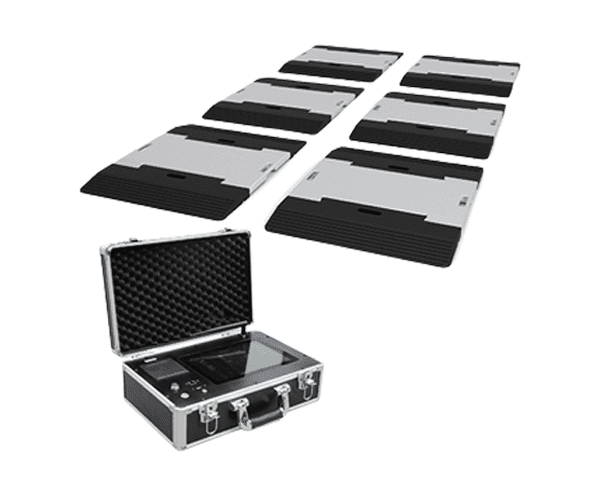
Before diving into mechanics, let’s clarify what portable axle scales are. Unlike fixed weighbridges (large, permanent platforms built into the ground), portable axle scales are lightweight, mobile devices designed to measure the weight of individual vehicle axles (and sometimes entire vehicles) on the go. They’re typically made of durable materials like high-strength aluminum or steel, so they can handle heavy loads (often up to 30,000 pounds per axle) without bending or breaking. Most models are compact enough to fit in the trunk of a truck or the bed of a pickup, making them easy to transport to remote job sites, farm fields, or temporary checkpoints.
The core purpose of these scales is to provide accurate weight data to prevent overloading—a problem that causes thousands of road accidents each year, damages infrastructure, and leads to costly fines. But their uses go far beyond compliance: they help optimize fuel efficiency, extend vehicle lifespan, and streamline operations in industries from transportation to agriculture.

How Do Portable Axle Weighing Scales Work?

At first glance, a portable axle scale might look like a simple metal platform, but inside, it’s a precision-engineered system that turns force into actionable data. Let’s break down the science and components step by step.

The Science of Load Cells: The Heart of the Scale

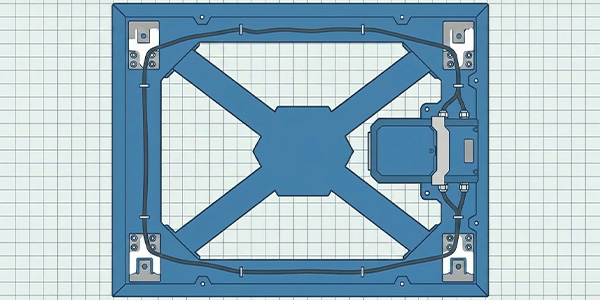
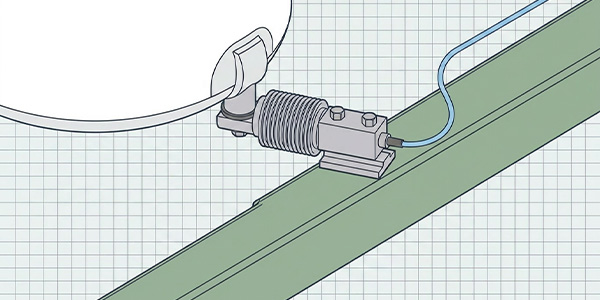
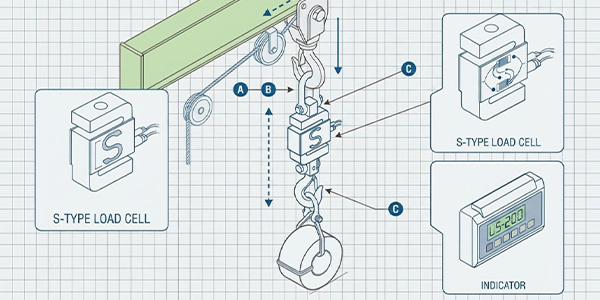
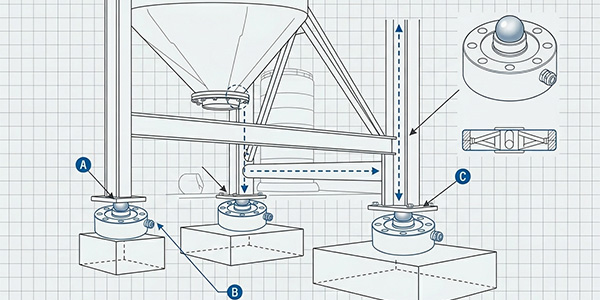
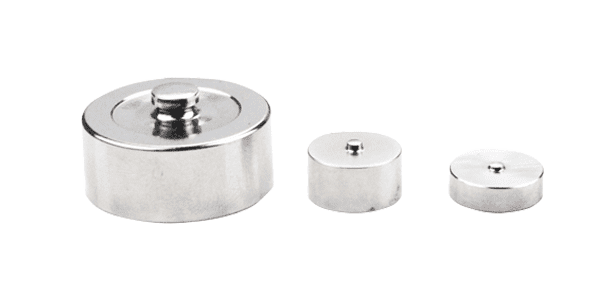
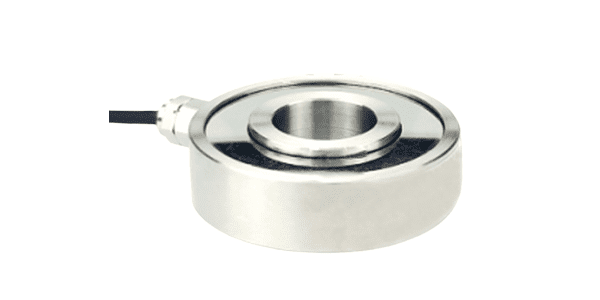
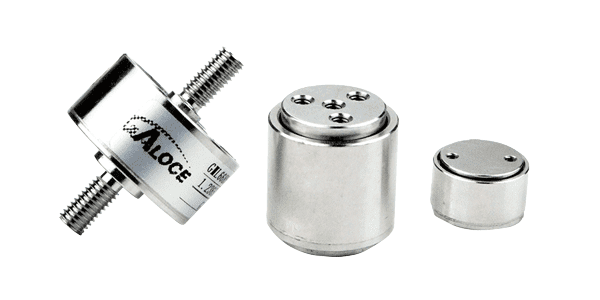
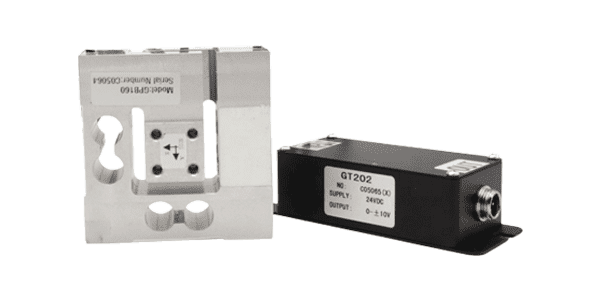
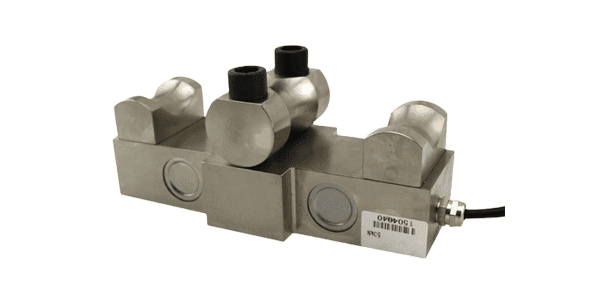
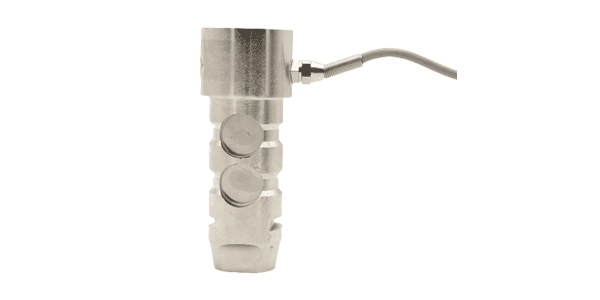
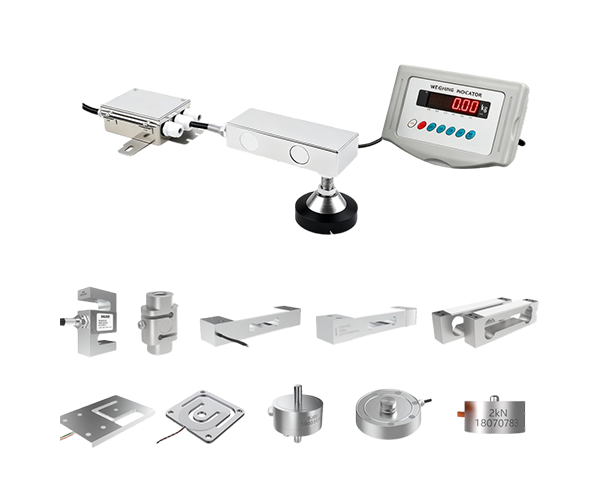
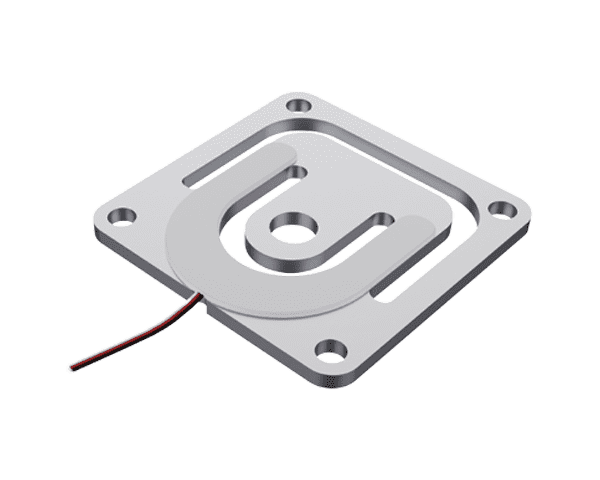
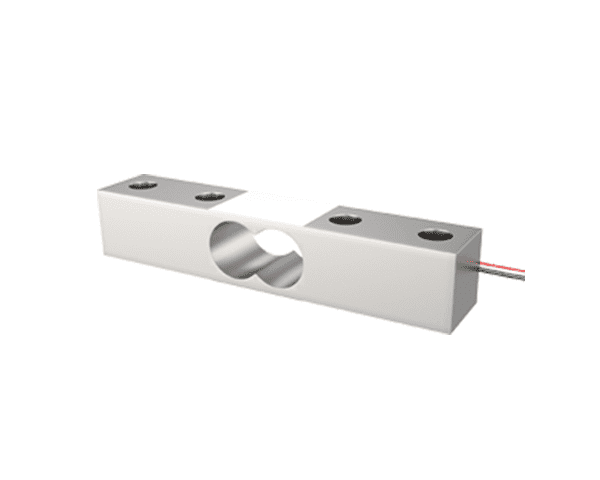
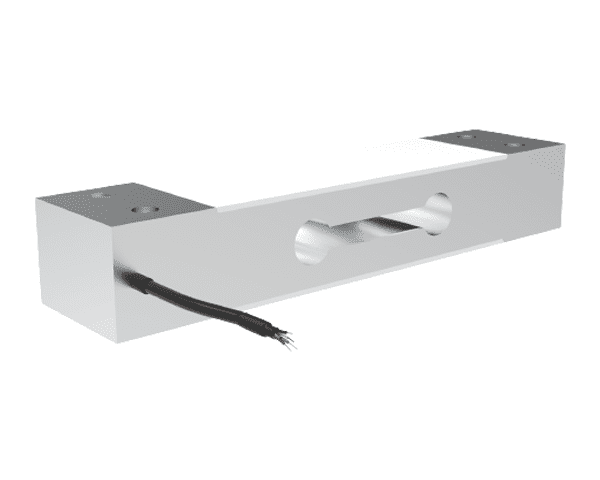
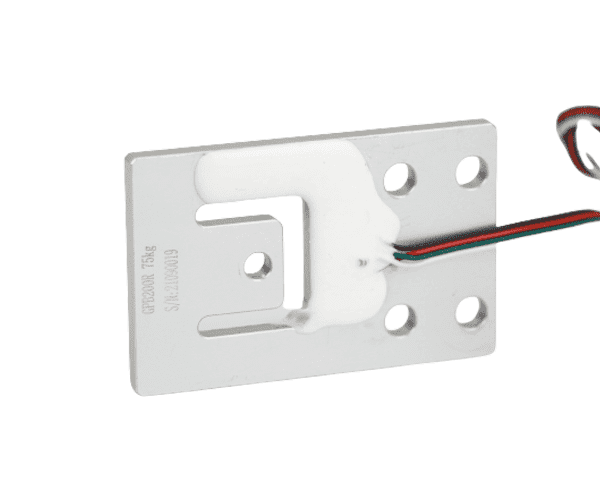
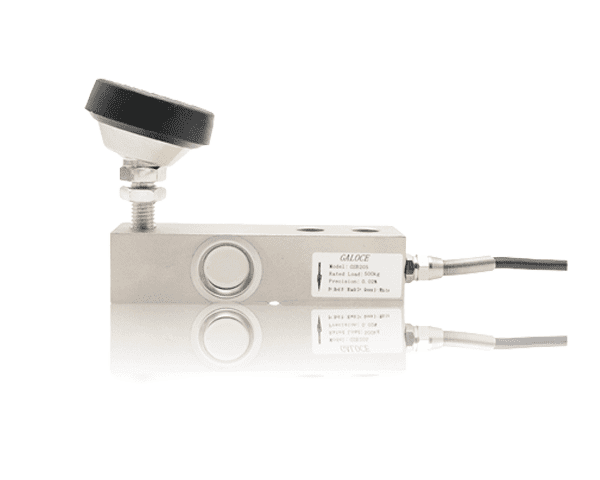
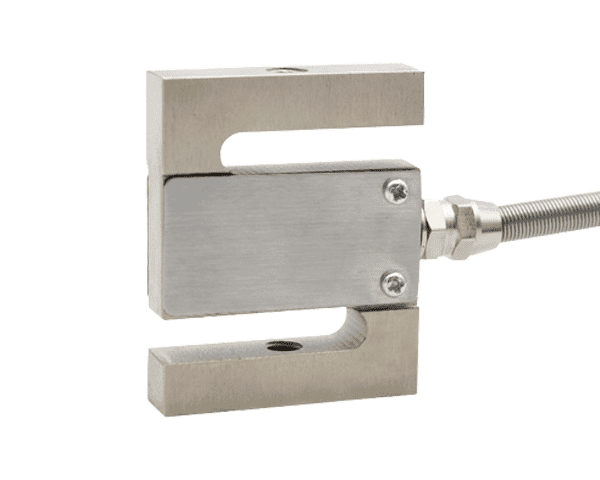
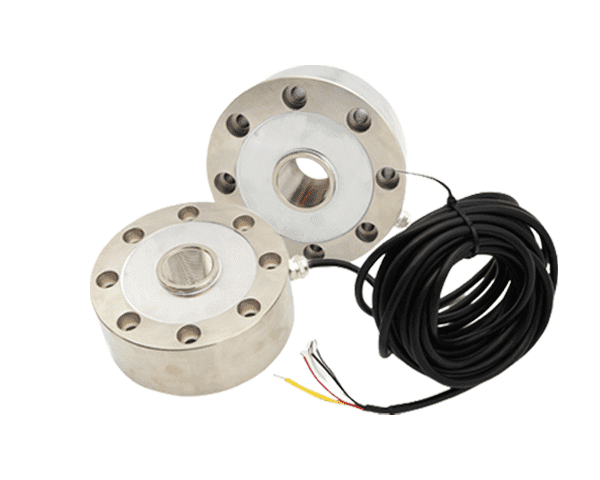
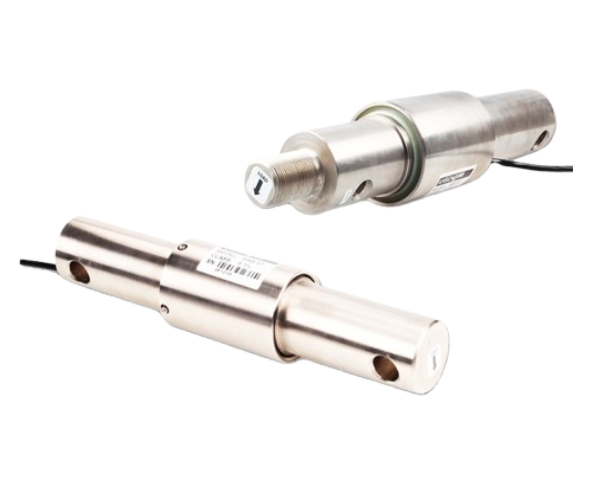
Every portable axle scale relies on load cells—small, sensitive transducers that convert mechanical force (like the weight of a truck axle) into an electrical signal. Here’s how it works:
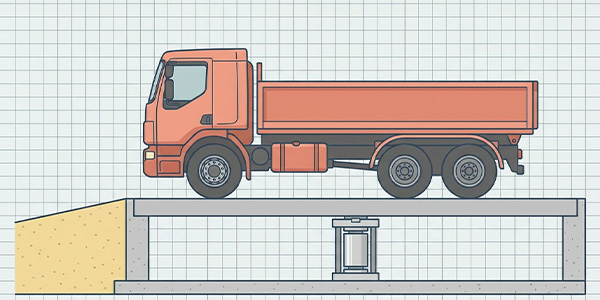
When a vehicle axle drives onto the scale platform, the platform compresses the load cells beneath it. Most portable scales use strain gauge load cells, which are made of a metal foil grid bonded to a flexible backing. As the load cell is compressed, the metal grid stretches or contracts, changing its electrical resistance. This change in resistance is measured by a Wheatstone bridge (a circuit designed to detect small resistance changes) and converted into a voltage signal. The stronger the force (i.e., the heavier the axle), the larger the voltage signal.
Modern load cells are incredibly precise—many have an accuracy of ±0.1% to ±0.5% of the applied load. This level of precision is critical for compliance, as even a small weight discrepancy can lead to fines or safety risks.

Key Components of Portable Axle Scales

To function properly, portable axle scales need more than just load cells. Here are the critical parts that work together to deliver accurate readings:
1.Weighing Platforms: These are the visible, user-facing parts of the scale. They’re designed to be low-profile (so vehicles can drive onto them easily) and slip-resistant (to prevent accidents on wet or muddy surfaces). Some models have integrated ramps, while others require separate ramps to guide vehicles onto the platform.
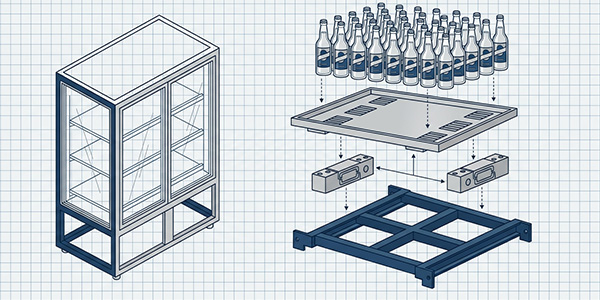
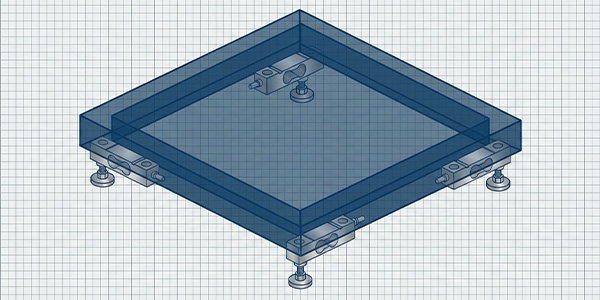
2.Load Cells: As mentioned, these are the core sensors. Most portable scales have 2–4 load cells per platform to distribute weight evenly and ensure accuracy, even if the axle is slightly misaligned.
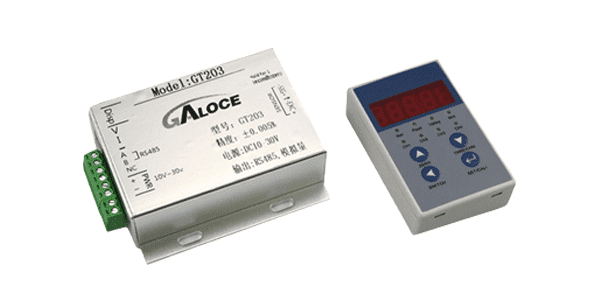
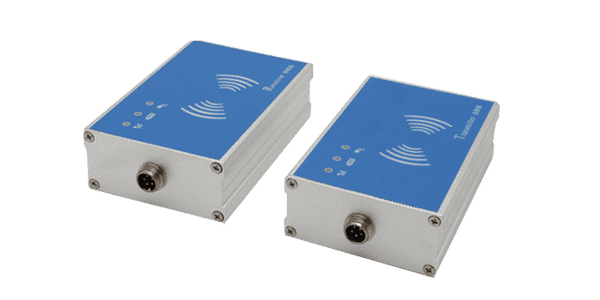
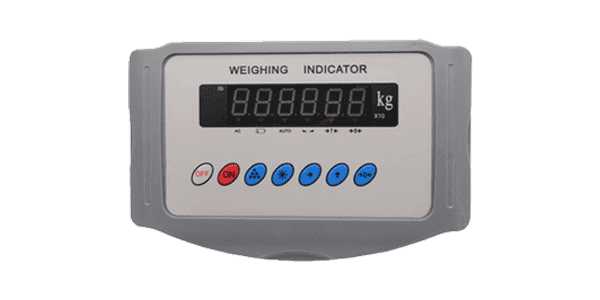
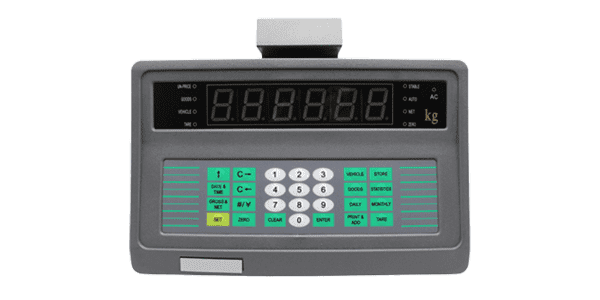
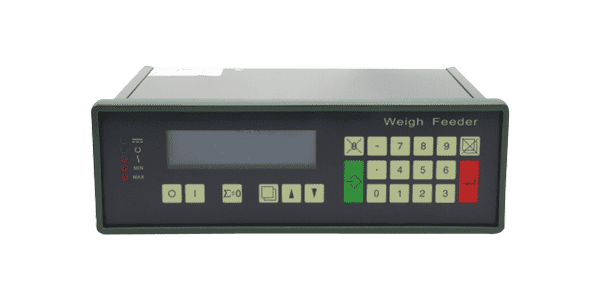
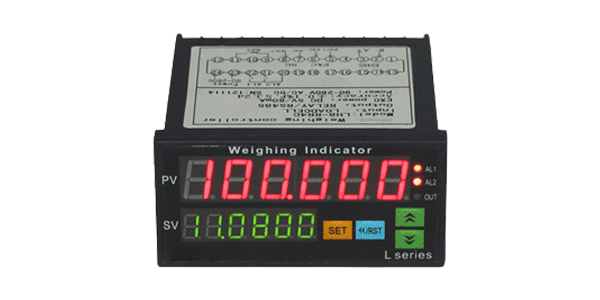
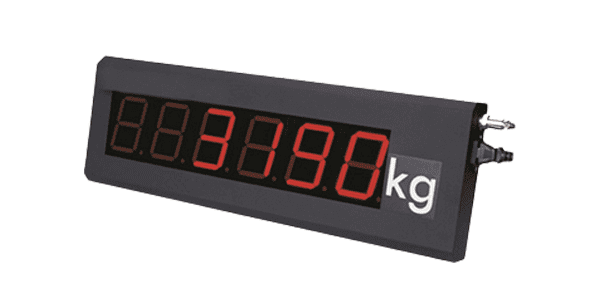
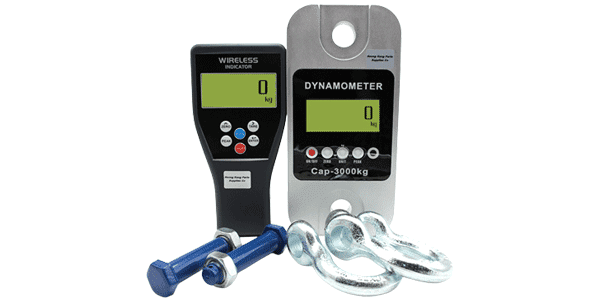
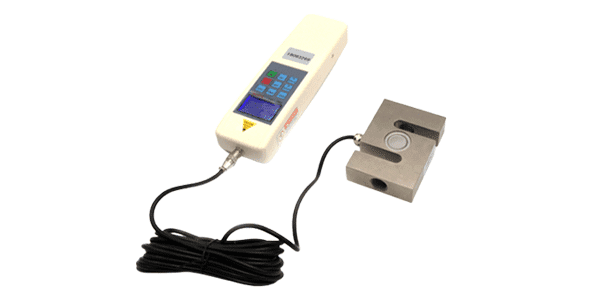
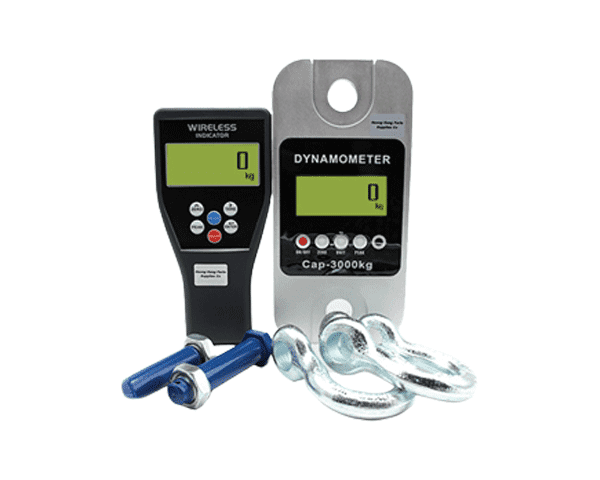
3.Digital Indicator: This is the “brain” of the system. It receives the electrical signal from the load cells, converts it into a weight reading (in pounds, kilograms, or tons), and displays it on a screen. Many modern indicators are wireless, connecting to the load cells via Bluetooth or Wi-Fi, so you can read results from a safe distance (no need to stand near moving vehicles).
4.Power Source: Portable scales are either battery-powered (rechargeable lithium-ion batteries last 10–20 hours on a single charge) or AC-powered (for stationary use). Battery power is key for remote locations without access to electricity.
5.Calibration Tools: To maintain accuracy, scales need regular calibration. Most come with calibration weights or software that allows you to adjust readings against a known standard. Some advanced models even have automatic calibration features that correct for temperature changes or minor wear and tear.

Step-by-Step Weighing Process

Using a portable axle scale is straightforward, but following the right steps ensures accurate results:
1.Set Up the Scale: Place the scale on a flat, level surface (uneven ground can skew readings). If using ramps, attach them securely to the platform. For wireless models, turn on the digital indicator and pair it with the scale via Bluetooth.
2.Zero the Scale: Press the “tare” or “zero” button on the indicator to reset the reading to zero. This accounts for any dust, debris, or minor surface irregularities.
3.Position the Vehicle: Guide the vehicle so that one axle is centered on the scale platform. It’s crucial to keep the axle straight—if it’s angled, the weight will be distributed unevenly, leading to errors.
4.Take the Reading: Once the vehicle is stationary, the indicator will display the axle’s weight. For multi-axle vehicles, repeat this process for each axle. Some indicators automatically sum the axle weights to give the total vehicle weight.
5.Record and Analyze Data: Most digital indicators store readings in memory or allow you to export data to a computer or smartphone via USB or cloud connectivity. This is useful for keeping compliance records or tracking load trends over time.

Accuracy Factors to Consider

While portable axle scales are precise, several factors can affect their readings:
Surface Levelness: A sloped or uneven surface can cause the load to shift, leading to under or over-readings. Always use a spirit level to check the ground before setting up.
Axle Positioning: If the axle is not centered on the platform, the load cells won’t distribute the force evenly.
Calibration Frequency: Scales should be calibrated every 6–12 months (or more often if used in harsh conditions) to maintain accuracy.
Environmental Conditions: Extreme temperatures, humidity, or rain can damage load cells or interfere with wireless signals. Look for scales with IP65 or higher waterproof ratings for outdoor use.

Key Features of Modern Portable Axle Weighing Scales

Today’s portable axle scales are packed with features that make them more user-friendly and functional than ever. Here are some must-have features to look for:
Wireless Connectivity: Bluetooth or Wi-Fi connectivity lets you read results from a safe distance, which is critical for busy job sites or road checkpoints.
Weather Resistance: IP-rated scales (IP65 or higher) are dustproof and waterproof, making them suitable for outdoor use in rain, snow, or mud.
Data Logging: The ability to store hundreds (or thousands) of readings helps with record-keeping and compliance audits.
Multi-Unit Conversion: Scales that switch between pounds, kilograms, and tons are ideal for international operations.
Portability: Lightweight materials (like aluminum) and built-in handles make the scale easy to carry and transport.
Overload Protection: Features that prevent damage if the load exceeds the scale’s capacity (e.g., automatic shutoff) extend the tool’s lifespan.

Application Scenarios for Portable Axle Weighing Scales

Portable axle scales are versatile enough to be used in almost any industry where heavy loads are involved. Let’s explore the most common scenarios:

1. Transportation and Fleet Management: Compliance and Safety

For trucking companies and fleet managers, overloading is a major risk. In the U.S., the Federal Motor Carrier Safety Administration (FMCSA) sets strict axle weight limits (e.g., 20,000 pounds per single axle, 34,000 pounds per tandem axle) to protect roads and reduce accidents. Violations can result in fines ranging from $100 to $10,000 per incident—plus delays that disrupt delivery schedules.
Portable axle scales let fleet managers conduct on-site weight checks before vehicles hit the road. For example, a delivery company can set up a scale at their warehouse to ensure each truck is within legal limits, avoiding fines and delays at weigh stations. Some scales even integrate with fleet management software to automatically flag overloaded vehicles and alert managers.

2. Construction and Mining: Job Site Efficiency

Construction and mining sites are often remote, with no access to fixed weighbridges. Portable axle scales are essential here for two reasons: preventing overloaded equipment and optimizing material transport.
Overloaded construction vehicles (like dump trucks or excavators) are more likely to tip over, causing accidents and damaging expensive machinery. A construction foreman can use a portable scale to check the weight of a dump truck loaded with gravel before it drives to the job site, ensuring it’s within the vehicle’s capacity.
In mining, portable scales help track the amount of ore or minerals being transported from the mine to processing facilities. This data is critical for inventory management and billing—mining companies can bill clients based on the exact weight of materials delivered, rather than estimates.

3. Agriculture: Farm and Livestock Management

Farmers rely on portable axle scales for a variety of tasks. For crop farmers, scales help measure the weight of harvested grain or hay bales, which is essential for calculating yields and selling crops to buyers. For example, a wheat farmer can use a scale to weigh each truckload of grain before sending it to the mill, ensuring they get paid for the exact amount delivered.
Livestock farmers use scales to weigh animals like cattle, sheep, or pigs. This helps with feeding management (overweight animals may need adjusted diets) and selling livestock at market (buyers pay based on weight). Some portable scales are designed specifically for livestock, with non-slip platforms to keep animals calm and safe.

4. Logistics and Warehousing: Load Optimization

Logistics companies need to maximize the weight of each delivery without exceeding legal limits. Portable axle scales help them optimize load distribution—for example, a warehouse manager can use a scale to ensure that a delivery truck’s weight is evenly distributed across all axles, reducing wear and tear on the vehicle and improving fuel efficiency.
Scales also help with cross-docking operations (transferring goods directly from inbound to outbound trucks without storage). By weighing incoming loads, managers can quickly determine how to redistribute goods to meet outbound delivery requirements.

5. Road Safety and Enforcement: Mobile Checkpoints

Law enforcement agencies and transportation authorities use portable axle scales to set up temporary weigh stations on highways or rural roads. This helps catch overloaded trucks that might otherwise avoid permanent weighbridges. For example, a state highway patrol can set up a scale on a remote stretch of road known for overloaded logging trucks, issuing fines to non-compliant drivers and improving road safety.
Some portable scales are even mounted on trailers, allowing authorities to move checkpoints to different locations as needed.

6. Waste Management: Landfill and Recycling Operations

Waste management companies use portable axle scales to weigh garbage trucks and recycling vehicles. This helps with billing (municipalities pay based on the amount of waste collected) and ensuring that trucks don’t exceed weight limits when transporting waste to landfills. For recycling centers, scales help track the weight of different materials (like plastic, paper, or metal) for inventory and reporting purposes.

7. Emergency Services: Rescue and Recovery

In emergency situations—like a truck accident or a stuck vehicle—portable axle scales help rescue teams determine the weight of the vehicle before attempting to tow it. This ensures that the tow truck has the capacity to lift the vehicle safely, avoiding further accidents or damage.

Benefits of Using Portable Axle Weighing Scales

The advantages of portable axle scales over fixed weighbridges are clear:
Cost-Effectiveness: Fixed weighbridges can cost $50,000 or more to install, while portable scales range from $2,000 to $10,000. They also have lower maintenance costs (no concrete foundations or permanent infrastructure to upkeep).
Mobility: Unlike fixed scales, portable models can be taken to any location—remote job sites, farm fields, or temporary checkpoints. This eliminates the need for vehicles to travel to a weighbridge, saving time and fuel.
Time Efficiency: Portable scales allow for on-the-spot weighing, reducing downtime for drivers and workers. For example, a construction crew doesn’t have to wait for a truck to drive to a distant weighbridge to check its load.
Compliance: By providing accurate weight data, portable scales help businesses avoid fines and legal penalties for overloading. They also make compliance audits easier, as data can be stored and exported quickly.
Versatility: Portable scales can be used for a wide range of applications, from weighing trucks to livestock. This makes them a multi-purpose investment for businesses in multiple industries.

Choosing the Right Portable Axle Weighing Scale

With so many models on the market, it’s important to choose a scale that fits your needs. Here are some factors to consider:
Weight Capacity: Make sure the scale can handle the heaviest axle weight you’ll encounter. Most commercial trucks have axles that weigh 20,000–30,000 pounds, so look for scales with a capacity of at least 30,000 pounds per axle.
Durability: If you’ll be using the scale in harsh conditions (e.g., construction sites or farm fields), choose one made of high-strength aluminum or steel with a waterproof rating.
Portability: Look for lightweight models (under 50 pounds per platform) with built-in handles or carrying cases for easy transport.
Features: Decide which features are essential for your use case—wireless connectivity, data logging, or multi-unit conversion. For example, a fleet manager might prioritize cloud connectivity to track multiple vehicles, while a farmer might need a simple, battery-powered scale.
Brand Reputation: Choose a reputable brand with good customer reviews and a warranty. Brands like Rice Lake, Mettler Toledo, and Cardinal Scale are known for their high-quality portable axle scales.

Common Misconceptions About Portable Axle Weighing Scales

Let’s debunk some myths about these scales:
Myth 1: Portable scales are less accurate than fixed weighbridges.
  Fact: Modern portable scales have the same accuracy as fixed weighbridges (±0.1% to ±0.5%) when used correctly. The key is proper setup and calibration.
Myth 2: Portable scales can’t handle heavy loads.
  Fact: Many portable scales can handle up to 30,000 pounds per axle—enough for most commercial trucks and construction equipment.
Myth 3: Portable scales are difficult to use.
  Fact: Most models are designed for user-friendliness, with simple setup processes and intuitive digital indicators. Many manufacturers offer training videos or manuals to help users get started.

Future Trends in Portable Axle Weighing Scales

As technology advances, portable axle scales are becoming even more powerful. Here are some trends to watch:
IoT Integration: Smart scales with internet of things (IoT) connectivity can send real-time weight data to the cloud, allowing managers to monitor loads from anywhere in the world. For example, a fleet manager in New York can check the weight of a truck in Texas via a smartphone app.
AI-Powered Analytics: Some scales use artificial intelligence to analyze weight data and identify trends—like a fleet of trucks consistently being overloaded on certain routes. This helps businesses proactively address issues before they lead to fines or accidents.
Solar-Powered Models: Solar panels on the scale platform can recharge the battery, making them ideal for remote locations with no access to electricity.
Advanced Materials: New materials like carbon fiber are being used to make scales even lighter and more durable, without sacrificing load capacity.

Conclusion

Portable axle weighing scales are more than just a convenience—they’re an essential tool for anyone dealing with heavy loads. From ensuring compliance with road safety laws to optimizing construction site efficiency, these scales deliver accurate, actionable data wherever you need it. Their mobility, cost-effectiveness, and versatility make them a better choice than fixed weighbridges for most applications, especially in remote or temporary locations.
If you’re a fleet manager, construction foreman, farmer, or logistics coordinator, investing in a portable axle scale can save you time, money, and headaches. By choosing a model with the right features (like wireless connectivity, weather resistance, and data logging), you’ll be able to streamline operations, reduce risks, and stay ahead of the curve in an increasingly fast-paced world.
So the next time you see a truck being weighed on a small, portable platform, you’ll know exactly how it works—and why it’s changing the game for industries everywhere.

HOT keyword:
Recommend View More
TIME 2026.01.23

Why Use Shear Beam Load Cells for Livestock Scales?

Discover why shear beam load cells are ideal for livestock scales. Learn how they handle off-center weighing, harsh environments, heavy loads, and animal movement with superior accuracy and durability. See real-world case studies and cost-saving benefits.

TIME 2026.01.22

How Portable Axle Weighing Scales Work and Their Application Scenarios

Discover how portable axle weighing scales work and their versatile applications across industries. Learn about load cell technology, key components like digital indicators and wireless connectivity, and step-by-step weighing procedures. Explore real-world scenarios in fleet management, construction, agriculture, logistics, waste management, and law enforcement. Understand the advantages of portable scales—cost-effectiveness, mobility, compliance support, and time efficiency—and get tips on choosing the right model for your needs. This comprehensive guide also debunks common myths and highlights future trends like IoT integration and AI-powered analytics for smart weighing solutions.

TIME 2026.01.21

How Load Cells Empower IoT Smart Weighing Systems

Explore how load cells integrate with IoT technology to create smart weighing systems that enhance efficiency, accuracy, and connectivity across industries. Learn how IoT-enabled load cells enable real-time data monitoring, predictive maintenance, remote calibration, and seamless cloud integration for logistics, manufacturing, agriculture, and smart infrastructure. This article explains the role of strain gauge sensors, wireless communication, and data analytics in transforming traditional weighing systems into intelligent, automated solutions. Discover the benefits of smart weighing—including reduced operational costs, improved decision-making, and increased system reliability—and how Galoce supports IoT-ready load cell solutions.

029-81292510

info@galoce.com

Rm. 1208, Building B, Huixin IBC, No. 1 Zhang Bayi Road, High-tech Zone, Xi'an, Shaanxi, China

Copyright © Xi'an Gavin Electronic Technology Co., Ltd Site Map

Message Form