Why Load Cells Are Essential for Pet Scale Weighing Solutions
As a pet owner, keeping track of your furry friend's health is crucial, and one of the simplest ways to do this is by monitoring their weight. Pet electronic scales are designed to help you do just that, providing accurate measurements to ensure your pet stays at a healthy weight. In this article, we'll explore the components, technical specifications, and applications of pet scales, focusing on the vital role load cells play in their functionality.
Key Takeaway: A pet scale achieves 0.1 kg resolution on a 300 kg platform using four GALOCE GPB200R planar beam load cells — one at each corner. With an ultra-thin 5.5 mm profile, C1 accuracy (±0.05% F.S), and IP65 protection, the GPB200R is purpose-built for low-profile platform scales where vertical space is at a premium. Its aluminum-alloy construction and M8/M10/M12 center-hole mounting make it the ideal sensor for veterinary scales, pet clinic scales, and home pet weighing platforms.
Introduction to Pet Scales
Pet electronic scales are mainly designed to take better care of pets' health and accurately monitor their weight changes. A pet's weight is one of the most important indicators of its health, and a sudden increase or decrease in weight may signal potential health problems such as obesity, malnutrition, and disease. By regularly weighing your pet with a pet electronic scale, abnormal weight changes can be detected in time, providing an early warning for pet owners to take timely measures, such as adjusting diet, increasing exercise, or taking your pet to the vet.
For veterinary clinics, accurate weighing is not optional — it is a clinical necessity. Medication dosages for animals are typically calculated by body weight (mg/kg), and even a 0.5 kg error can lead to under-dosing or over-dosing. For breeders, tracking weight gain in puppies and kittens ensures proper growth trajectories. For zoos and wildlife rehabilitation centers, weighing large animals safely and accurately requires specialized low-profile platforms that the animal can step onto without stress.
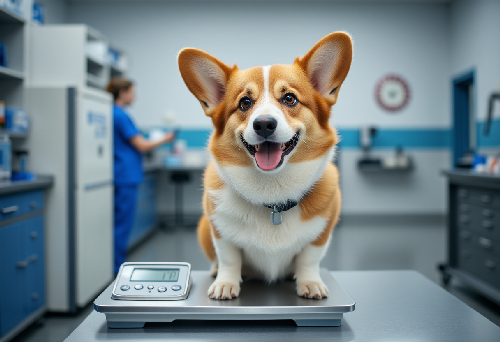
A dog being weighed on an electronic pet scale — regular weight monitoring helps detect health issues early
Types of Pet Scales and Their Requirements
Pet scales come in several configurations, each with different capacity, resolution, and load cell requirements:
|
Scale Type
|
Typical Capacity
|
Resolution
|
Platform Size
|
Recommended GPB200R Config
|
|
Small Pet Scale (cats, small dogs)
|
15–30 kg
|
0.01 kg
|
60×50 cm
|
4× GPB200R (7.5 kg each) — high-resolution weighing
|
|
Home Pet Scale (medium dogs)
|
75–150 kg
|
0.05 kg
|
80×50 cm
|
4× GPB200R (30 kg each) — balanced range and resolution
|
|
Veterinary Clinic Scale
|
150–300 kg
|
0.1 kg
|
100×60 cm
|
4× GPB200R (150 kg each) — handles all breeds
|
|
Large Animal / Livestock Scale
|
300–600 kg
|
0.2 kg
|
100×60 cm (heavy-duty)
|
4× GPB200R (300 kg each) — rugged, large-breed support
|
How Load Cells Work in Pet Scales
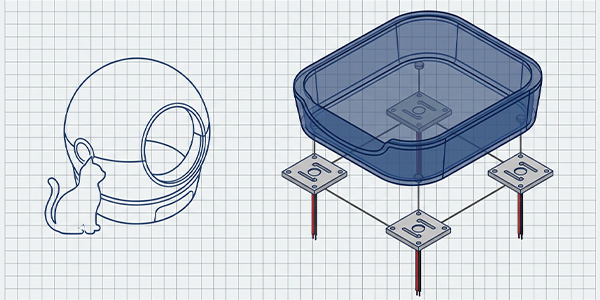
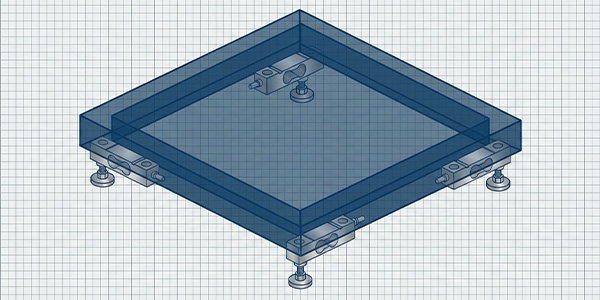
A pet scale uses a four-corner load cell architecture: four GPB200R planar beam load cells are installed at the corners of the weighing platform. When an animal steps onto the scale, its weight is distributed across the four cells. Each cell converts the mechanical force into a proportional electrical signal (mV/V) via a Wheatstone bridge strain gauge circuit. The four signals are summed by a junction board, amplified by the indicator's ADC, and displayed as a single weight reading.
This four-corner design offers two critical advantages for pet scales:
-
Off-center load tolerance: Pets rarely stand still in the center of the platform. With four cells, the total weight is correctly measured regardless of where the animal positions itself — essential for squirmy dogs, restless cats, and animals that refuse to cooperate.
-
Ultra-low profile: The GPB200R's 5.5 mm thickness allows the entire scale to be just 15–20 mm tall. This low step height reduces stress for elderly pets, small animals, and pets with mobility issues — they can step onto the platform without jumping.
The indicator processes the raw signal through digital filtering to smooth out the animal's movements (the "animal weighing mode" or "dynamic weighing" function). Advanced algorithms sample the signal over 2–5 seconds, discard outliers caused by shifting posture, and display a stable average weight — this is what allows a veterinary scale to produce a reliable reading even when a dog is wagging its tail or a cat is trying to escape.
Composition of a Pet Scale System
A complete pet electronic scale consists of the following components:
|
Component
|
Function
|
Key Requirement
|
|
Load Cells (×4)
|
Convert weight force to electrical signal
|
High accuracy, low profile, matched sensitivity
|
|
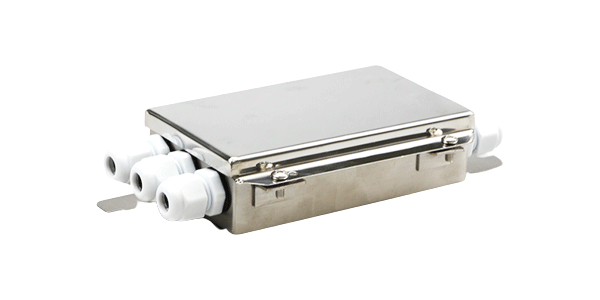
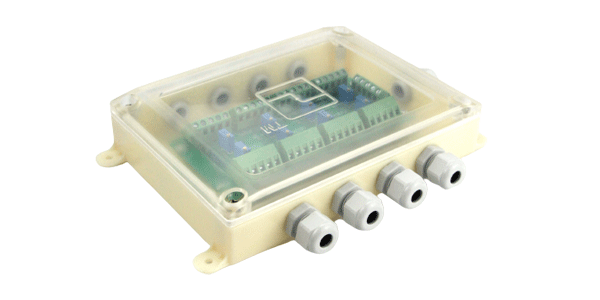
Junction Board
|
Sum the four cell signals; trim corner sensitivity
|
Adjustable potentiometers for corner-load calibration
|
|
Master MCU Chip
|
ADC conversion, digital filtering, display driving
|
24-bit ADC, animal-weighing algorithm, low power
|
|
Scale Frame
|
Structural support; mounts load cells at corners
|
Rigid, anti-deformation; stainless or aluminum
|
|
Scale Plate
|
Weighing surface; animal stands on it
|
Non-slip, easy to clean, waterproof, comfortable
|
|
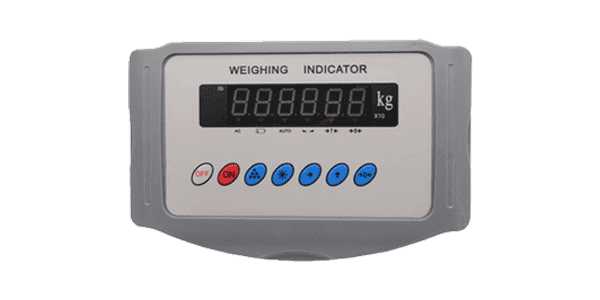
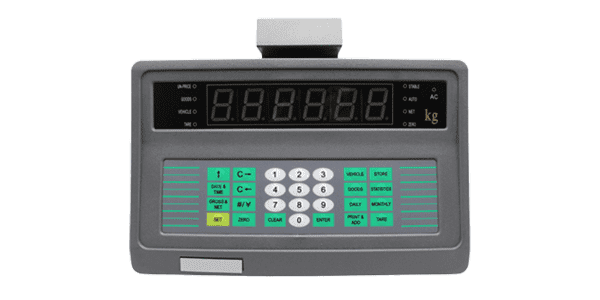
Indicator (Display)
|
Shows weight; provides tare, hold, unit conversion
|
Large LCD/LED, hold function for restless animals
|
Technical Parameters
|
Parameter
|
Specification
|
|
Maximum Weighing Capacity
|
300 kg (configurable: 30–600 kg)
|
|
Division Value (Resolution)
|
0.1 kg (0.01 kg achievable for small pet scales)
|
|
Platform Size Options
|
100×60 / 60×50 / 80×50 / 90×50 cm
|
|
Load Cell Configuration
|
4× GPB200R planar beam, four-corner parallel
|
|
Platform Height
|
15–20 mm (ultra-low profile for easy pet access)
|
Why GPB200R Is the Ideal Load Cell for Pet Scales
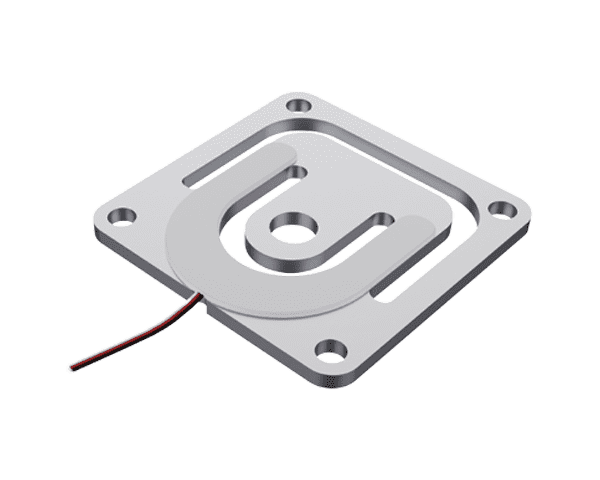
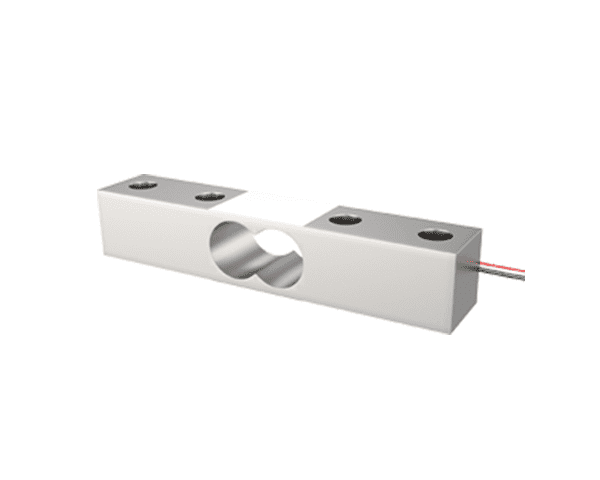
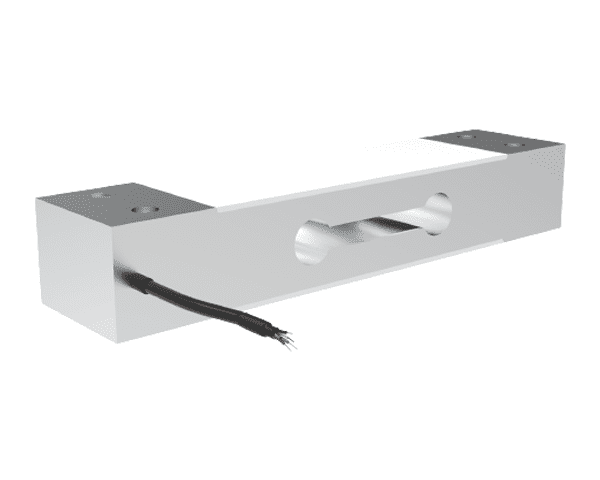
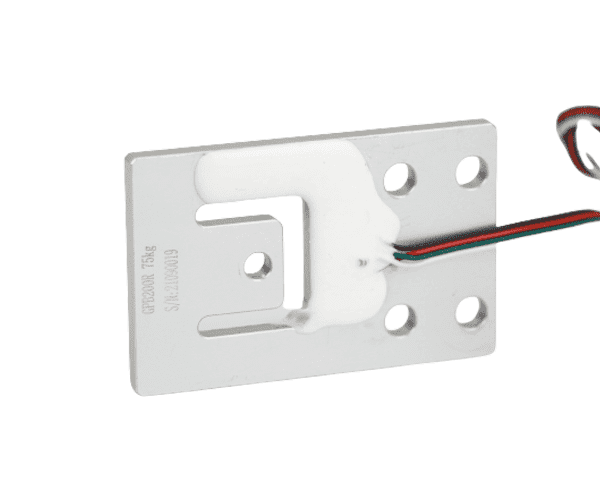
The GALOCE GPB200R is a specialized ultra-thin planar beam load cell designed for applications with extreme vertical space constraints. Its design philosophy aligns perfectly with what pet scale manufacturers need:
|
Specification
|
GPB200R
|
|
Type
|
Planar beam load cell (four-corner configuration)
|
|
Capacity Range
|
7.5, 15, 30, 75, 150, 300, 600 kg
|
|
Comprehensive Error
|
±0.05% F.S
|
|
Accuracy Class
|
C1
|
|
Sensitivity
|
1.0–2.0 ±10% mV/V
|
|
Creep
|
±0.05% F.S / 2 min
|
|
Dimensions
|
70×45×5.5 mm (ultra-thin)
|
|
Center Hole
|
M8 / M10 / M12 (selectable)
|
|
Material
|
High-strength aluminum alloy
|
|
Protection Rating
|
IP65 (dust-tight, water-jet resistant)
|
|
Four-Set Error
|
0.1% (factory-matched sets)
|
|
Certification
|
CE / RoHS, OEM customization
|
Featured: GPB200R Planar Beam Load Cell
-
● Ultra-thin profile: Only 5.5 mm thick — enables pet scale platforms as low as 15 mm total height, allowing pets to step on without stress
-
● Wide capacity range: 7.5–600 kg — covers everything from kitten scales to large-breed dog scales with a single model family
-
● IP65 protection: Dust-tight and resistant to water jets — pet scales inevitably face spills, urine, and cleaning sprays; the GPB200R handles them all
-
● Factory-matched sets: Four cells with ≤0.1% sensitivity mismatch ensure minimal corner-load error — critical when an animal stands off-center
-
● Center-hole mounting: M8/M10/M12 threaded hole allows secure bolting to both the scale frame and platform — rigid installation prevents signal drift from mechanical play
-
● Aluminum alloy: High strength-to-weight ratio, corrosion-resistant, RoHS compliant — withstands years of clinic and home use
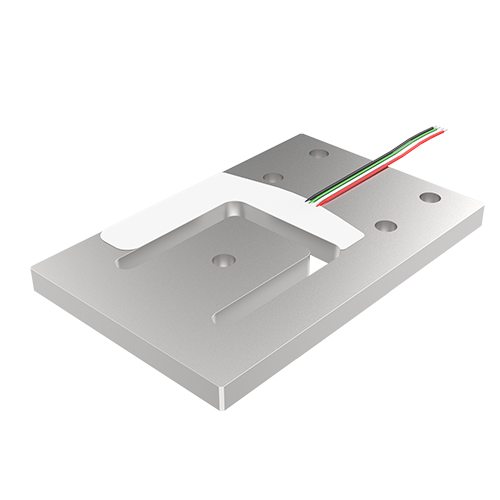
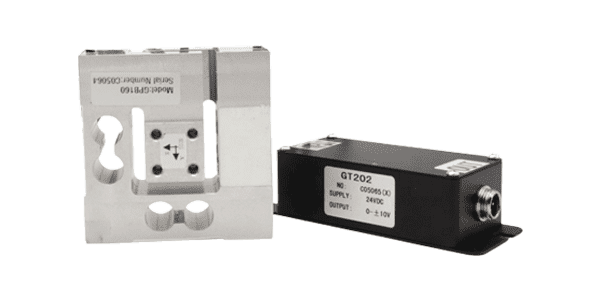
GPB200R planar beam load cell — 5.5 mm ultra-thin profile, C1 accuracy, IP65 protection, purpose-built for low-profile platform scales
Key Selection Criteria for Pet Scale Load Cells
Choosing the right load cell for a pet scale requires balancing accuracy, profile height, environmental protection, and animal behavior. Here's how the GPB200R meets each criterion:
|
Factor
|
GPB200R Spec
|
Why It Matters for Pet Scales
|
|
Profile Height
|
5.5 mm
|
Low step height reduces stress for small, elderly, or injured pets — they walk on rather than jump up
|
|
Capacity Flexibility
|
7.5–600 kg
|
One model family covers cats (5 kg) to large dogs (80 kg) to livestock (500 kg) — simplifies inventory and spare parts
|
|
Accuracy
|
±0.05% F.S (C1)
|
On a 150 kg cell, absolute error is ±75 g — sufficient for 0.1 kg display resolution; for small pet scales, 7.5 kg cells achieve ±3.75 g (0.01 kg resolution)
|
|
Environmental Protection
|
IP65
|
Pet scales face urine, water bowl spills, and disinfectant sprays — IP65 ensures the cells survive daily clinic cleaning routines
|
|
Creep
|
±0.05% F.S / 2 min
|
An animal may stand on the scale for 10–30 seconds during dynamic weighing — low creep prevents the reading from drifting while the algorithm averages
|
|
Four-Set Matching
|
≤0.1% error
|
Factory-matched sets minimize corner-load error — essential when a large dog leans to one side of the platform
|
Load Cell Installation in Pet Scales
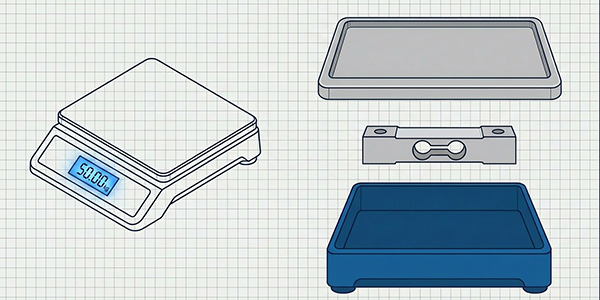
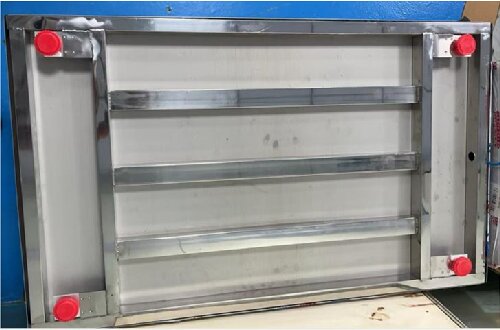
The four GPB200R cells are mounted at the corners of the scale frame, with the scale plate bolted on top through the center holes. The installation follows a sandwich structure: frame → load cell → scale plate, with the cell's center hole (M8/M10/M12) providing the through-bolt connection.
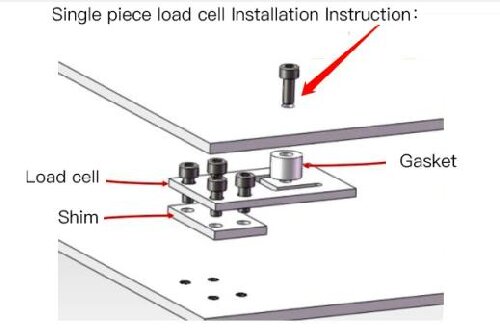
GPB200R load cell installation — four-corner parallel configuration with center-hole mounting
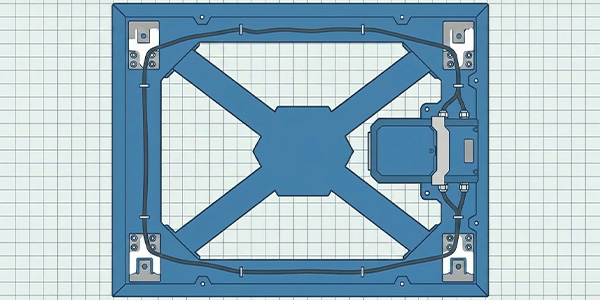
Four-Corner Wiring (GPB200R ×4)
The four GPB200R cells are wired in parallel to a junction board, which sums the signals and outputs a single combined mV signal to the indicator. Each cell connects with a standard 4-wire cable:
-
Excitation (+): Red — supply positive from indicator
-
Excitation (−): Black — supply ground from indicator
-
Signal (+): Green — positive measurement output
-
Signal (−): White — negative measurement output
Use factory-matched GPB200R sets (same production batch, ≤0.1% sensitivity mismatch) to minimize corner-load error. The junction board includes trim potentiometers for fine-tuning each corner during calibration — this is what ensures the scale reads the same weight regardless of where the animal stands.
Calibration Steps
-
Zero Calibration: Power on the scale with no load. The indicator records the zero point. Ensure the scale is on a flat, level surface.
-
Span Calibration: Place a certified reference weight (e.g., 50 kg, OIML class M1) at the center of the platform. The indicator records the span point.
-
Corner-Load Calibration: Place the reference weight at each of the four corners in turn. Adjust the junction board trim potentiometers until all corners read within ±1 division of the center reading.
-
Dynamic Weighing Test: Place a live animal (or a moving weight) on the platform. Verify the animal-weighing mode produces a stable reading within 3–5 seconds.
-
Tare Verification: Place a pet carrier or blanket on the platform, press tare, then verify the display returns to zero before the animal is weighed.
Application Cases
Pet scales with GPB200R load cells are deployed across a wide range of real-world scenarios:
-
Veterinary Clinics: Daily weight monitoring for treatment dosing, surgical prep, and recovery tracking. The 0.1 kg resolution on a 300 kg platform covers everything from kittens to giant breeds. The low profile allows sedated or post-surgery animals to be placed on the scale with minimal lifting.
-
Pet Breeding Facilities: Tracking weight gain in puppies and kittens from birth to weaning. Small-capacity GPB200R cells (7.5–15 kg) provide 0.01 kg resolution for accurate growth-curve monitoring.
-
Home Pet Monitoring: Pet owners tracking weight trends for obesity management and diet adjustment. Smart pet scales with Bluetooth connectivity sync weight data to mobile apps, generating trend charts and sending alerts for abnormal changes.
-
Zoos and Wildlife Rehabilitation: Weighing exotic and wild animals safely. The large 100×60 cm platform and 600 kg capacity accommodate animals from large birds to small livestock. The IP65 rating ensures survival in outdoor and humid environments.
-
Livestock and Agriculture: Small livestock weighing (sheep, goats, pigs) using heavy-duty platforms with 300–600 kg GPB200R cells. The dynamic weighing mode handles animals that will not stand still.
Pet scale application cases — veterinary clinics, home monitoring, breeding facilities, and wildlife rehabilitation
Advantages of Using GPB200R Load Cells in Pet Scales
-
Low-Profile Comfort: The 5.5 mm cell thickness enables a 15–20 mm total platform height — pets step on calmly instead of being lifted, reducing stress and measurement errors caused by anxious movement.
-
Clinical Accuracy: ±0.05% F.S comprehensive error delivers reliable readings for medication dosing, where even small weight errors can lead to incorrect drug amounts.
-
Rugged Environmental Protection: IP65 rating means the cells survive water splashes, urine exposure, and daily disinfectant cleaning — essential for veterinary clinic hygiene protocols.
-
Off-Center Load Tolerance: The four-corner design with factory-matched cells (≤0.1% error) ensures accurate readings even when a large dog leans to one edge of the platform.
-
Dynamic Weighing Support: Low creep (±0.05% F.S / 2 min) and fast signal response enable the indicator's animal-weighing algorithm to produce stable readings from moving animals within seconds.
-
Wide Range, Single Model: The 7.5–600 kg capacity span means pet scale manufacturers can standardize on one load cell model across their entire product line — from cat scales to livestock scales — simplifying sourcing, inventory, and after-sales support.
Industry Trends and Market Dynamics
The pet scale market is experiencing robust growth driven by several converging trends:
-
Pet Humanization: Pet owners increasingly treat pets as family members, investing in health monitoring tools including smart scales. The global pet care market is projected to exceed USD 250 billion by 2030, with pet health monitoring devices growing at 8–10% CAGR.
-
Veterinary Technology Upgrade: Clinics are replacing mechanical and aging digital scales with modern low-profile platforms that improve patient throughput and reduce animal stress — driving demand for ultra-thin load cells like the GPB200R.
-
Smart Connected Scales: Bluetooth and Wi-Fi enabled pet scales sync weight data to mobile apps and veterinary management systems, enabling long-term trend tracking and remote health monitoring. The GPB200R's standard mV/V output is compatible with all common wireless indicator platforms.
-
Pet Obesity Epidemic: Over 50% of dogs and cats in developed countries are overweight or obese. Veterinarians increasingly recommend regular home weighing, boosting demand for affordable, accurate consumer pet scales.
-
Ultra-Thin Design Trend: Consumers and clinics alike demand scales that are easy to store and aesthetically unobtrusive — favoring planar beam load cells that enable the thinnest possible platform profile.
Frequently Asked Questions
What type of load cell is used in a pet scale?
Most pet scales use four planar beam load cells in a four-corner parallel configuration. The GPB200R is the ideal choice: its 5.5 mm ultra-thin profile enables a low platform height that pets can easily step onto, while its four-corner design handles off-center loads when animals shift position.
What capacity GPB200R should I choose for a pet scale?
For a 30 kg small pet scale (cats, small dogs), use four GPB200R cells at 7.5 kg each (30 kg total, 0.01 kg resolution). For a 150 kg standard pet scale (all dog breeds), use four cells at 30 kg each (120 kg total) or 75 kg each (300 kg total with safety margin). For a 300 kg large animal scale, use four cells at 150 kg each (600 kg total).
How does a pet scale handle a moving animal?
Pet scale indicators use a dynamic weighing algorithm (also called "animal weighing mode" or "hold function"). The indicator samples the load cell signal continuously over 2–5 seconds, applies digital filtering to remove motion artifacts, and displays a stable average weight. The GPB200R's low creep (±0.05% F.S / 2 min) ensures the signal does not drift during this averaging window.
Why is the GPB200R's low profile important for pet scales?
A low platform height (15–20 mm) means pets can walk onto the scale rather than being lifted. This reduces animal stress, which in turn reduces movement during weighing — producing more accurate readings. For elderly, injured, or post-surgical animals, a low step height is not just a convenience; it is a welfare requirement.
Is the GPB200R waterproof enough for pet scales?
Yes. The GPB200R's IP65 rating means it is dust-tight and resistant to water jets from any direction. Pet scales routinely face urine, water bowl spills, and disinfectant spray during clinic cleaning. IP65 ensures the load cells survive these conditions without corrosion or signal degradation, maintaining accuracy over years of use.
Can the GPB200R be used for livestock scales?
Yes. The GPB200R's maximum capacity of 600 kg per cell means a four-corner configuration can handle platforms up to 2,400 kg total — sufficient for sheep, goats, and pigs. For larger livestock (cattle, horses), consult GALOCE for higher-capacity alternatives. The same planar beam architecture and four-corner wiring principle apply.
Building a Pet Scale That Vets and Pet Owners Can Trust?
Choose the GALOCE GPB200R — 5.5 mm ultra-thin planar beam, C1 accuracy, IP65 protection. Purpose-built for low-profile platform scales, veterinary scales, and pet weighing solutions.