Why Load Cells Are the Heart of Every Digital Kitchen Scale
You've probably used a kitchen scale before, but have you ever wondered how it achieves such precise measurements? The answer lies in load cells — the small yet powerful components that are revolutionizing the way we measure ingredients in the culinary world.
In this article, we'll explore the crucial role load cells play in kitchen scales, from their basic functions to the benefits they bring to both professional chefs and home cooks. You'll discover how this technology enhances your cooking experience, ensuring accuracy and consistency in every dish you prepare.
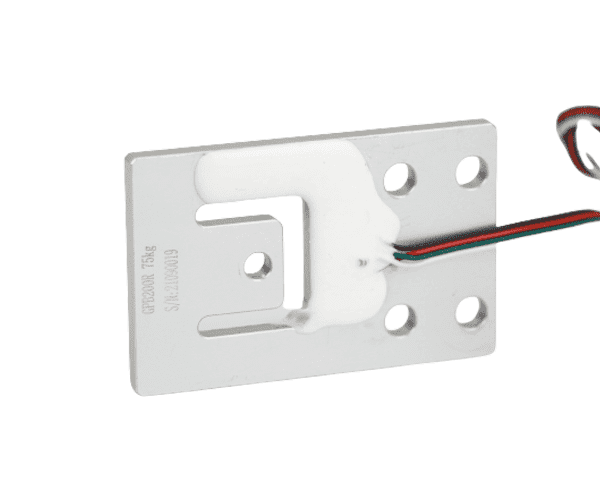
Key Takeaway: A modern digital kitchen scale resolves 1 g on a 5 kg platform using four micro load cells — one at each corner. The GALOCE GML611, an ultra-miniature aluminum-alloy load cell with ±0.05% F.S accuracy and a 1–50 kg range, is purpose-built for kitchen scales, palm scales, and coffee scales. Its compact footprint, low-profile design, and standard threaded mounting make it the ideal sensor for thin, portable, precision kitchen devices.
How Load Cells Work in Kitchen Scales
Modern digital kitchen scales use one of two load cell architectures:
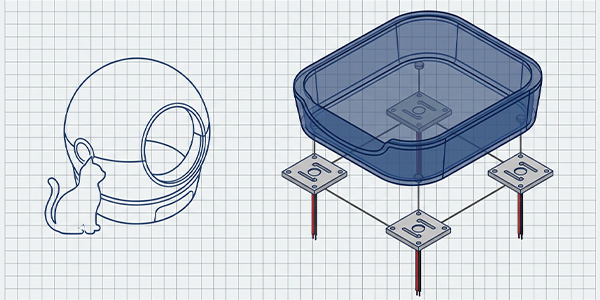
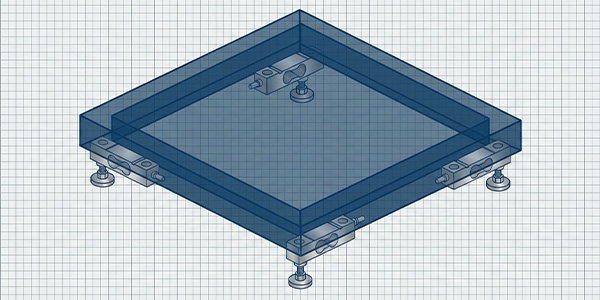
1. Four-Corner Micro Load Cell Design (Recommended) — Four micro load cells are installed at the four corners of the platform. Each cell measures a portion of the total weight, and the indicator sums the four signals. This design allows a much thinner platform profile and handles off-center loads gracefully — essential for kitchen scales where bowls and ingredients are rarely placed dead-center. The GML611 micro load cell is the preferred choice for this architecture, offering an ultra-compact footprint that keeps total scale height under 20 mm.
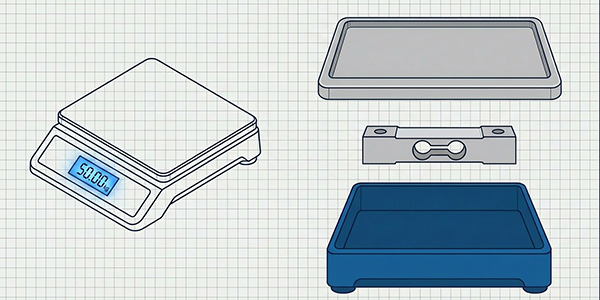
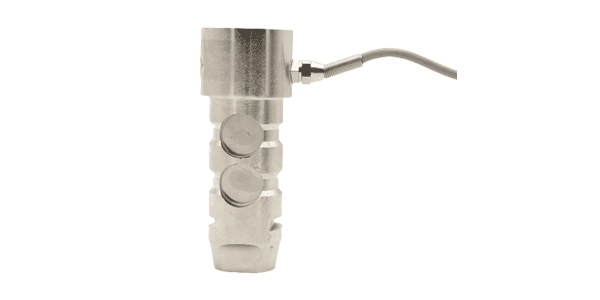
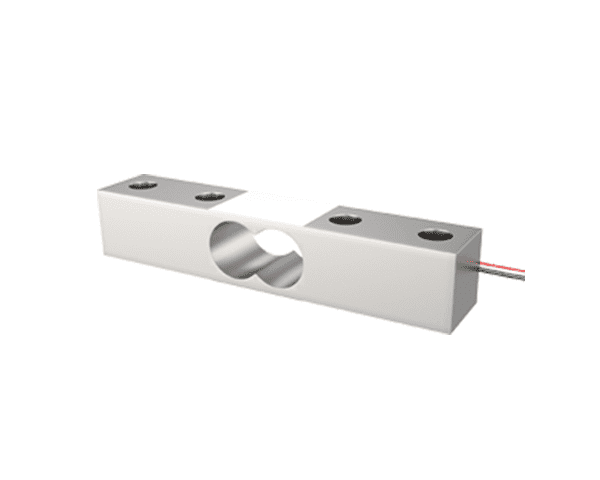
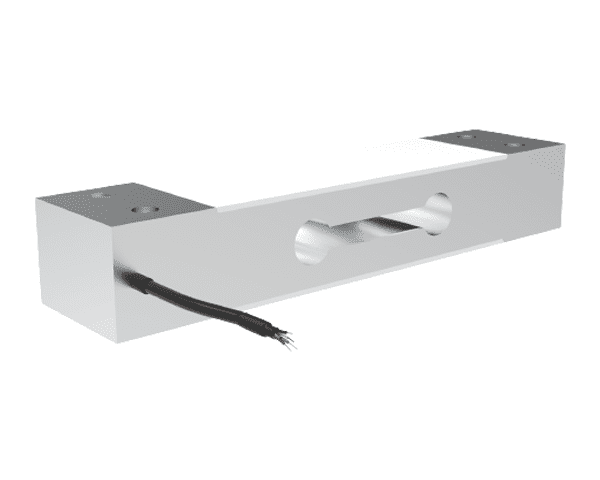
2. Single-Point Load Cell Design — One single-point load cell is mounted at the center of the weighing platform. The platform is rigidly bolted to the cell, and the cell's parallel-beam structure converts the downward force into a proportional mV signal. This design is simpler to assemble but results in a thicker profile, making it less suitable for the slim, portable kitchen scales that consumers demand today.
In both designs, the load cell output is amplified by the indicator's ADC (analog-to-digital converter), processed through digital filtering to smooth out vibrations, and then displayed on the LCD. Advanced models add a tare function that subtracts the weight of bowls or containers, and a unit conversion feature that switches between grams, ounces, pounds, and milliliters.
Kitchen Scale Types and Their Load Cell Requirements
Kitchen scales come in various forms, each with different load cell requirements. The GML611's flexible 1–50 kg range covers every category:
|
Scale Type
|
Typical Capacity
|
Resolution
|
Recommended GML611 Config
|
|
Pocket / Coffee Scale
|
100–500 g
|
0.1 g
|
1× GML611 (1 kg range) — single-cell, ultra-compact
|
|
Home Kitchen Scale
|
1–5 kg
|
1 g
|
4× GML611 (2 kg each) — 8 kg total, 1.6× safety margin
|
|
Commercial Kitchen Scale
|
5–15 kg
|
2 g
|
4× GML611 (5 kg each) — 20 kg total, handles heavy pots
|
|
Smart / Connected Scale
|
1–10 kg
|
1 g
|
4× GML611 (3 kg each) with Bluetooth/Wi-Fi indicator
|
Mechanical vs. Digital vs. Smart
-
Mechanical Scales: Traditional spring-based models. No load cell, lower accuracy (±2–5 g), being phased out in most markets.
-
Digital Scales: Load cell-based with LCD display. Offer 1 g resolution, tare function, and auto-off. The mainstream choice for home and commercial kitchens.
-
Smart Scales: Add Bluetooth or Wi-Fi connectivity to sync weight data with smartphone apps, enabling recipe tracking, nutritional logging, and portion control. Require the same load cell precision as digital scales, plus low-power operation for battery life.
Key Selection Criteria for Kitchen Scale Load Cells
Choosing the right load cell for a kitchen scale requires balancing precision, size, waterproofing, and cost. Here's how the GML611 measures up against each criterion:
|
Factor
|
GML611 Spec
|
Why It Matters
|
|
Capacity
|
1–50 kg (selectable per cell)
|
Covers every kitchen scale tier — from 500 g pocket scales to 15 kg commercial scales; choose lower capacity for higher resolution
|
|
Accuracy
|
±0.05% F.S
|
Delivers reliable 1 g resolution on 5 kg scales; 0.1 g resolution achievable at lower capacities (e.g., 500 g scale with 1 kg cell)
|
|
Creep (3 min)
|
±0.05% F.S
|
Low creep prevents the reading from drifting when a bowl sits on the platform during recipe prep
|
|
Material
|
High-quality aluminum alloy
|
Lightweight, corrosion-resistant, high fatigue strength — withstands repeated impacts and complies with RoHS
|
|
Sensitivity
|
1.0 ±0.15 mV/V
|
Standard Wheatstone bridge output — compatible with virtually all kitchen scale indicators and ADC chips
|
|
Footprint
|
Ultra-miniature, low-profile
|
Keeps total scale height under 20 mm — consumers demand thin, portable designs that store easily in drawers
|
|
Mounting
|
Standard threaded hole
|
Flexible installation at various positions and angles — adapts to different platform shapes and sizes
|
|
Certification
|
CE / RoHS, OEM support
|
Meets international regulatory requirements; custom cable lengths and connectors available for volume orders
|
Why GML611 Is the Ideal Load Cell for Kitchen Scales
The GALOCE GML611 is an ultra-miniature weighing sensor engineered specifically for compact systems where space is at a premium. Its design philosophy aligns perfectly with what kitchen scale manufacturers need:
|
Specification
|
GML611
|
|
Type
|
Micro load cell (four-corner configuration)
|
|
Capacity Range
|
1–50 kg
|
|
Accuracy
|
±0.05% F.S
|
|
Sensitivity
|
1.0 ±0.15 mV/V
|
|
Creep
|
±0.05% F.S / 3 min
|
|
Material
|
High-quality aluminum alloy
|
|
Certification
|
CE / RoHS
|
|
Applications
|
Kitchen scale, palm scale, coffee scale
|
Featured: GML611 Micro Load Cell
-
● Ultra-miniature: Engineered for extremely confined spaces — enables kitchen scale designs under 20 mm total height
-
● Aluminum alloy: High mechanical strength, easy to process, high fatigue resistance — withstands years of repeated use; RoHS compliant
-
● Precision: ±0.05% F.S accuracy with ±0.05% F.S / 3 min creep — stable readings even when bowls sit on the platform for extended periods
-
● Flexible mounting: Standard threaded hole allows installation at various positions and angles — adapts to round, square, or rectangular platforms
-
● Range options: 1–50 kg — select 1–2 kg per cell for home kitchen scales (4× configuration), up to 5 kg per cell for commercial models
-
● Proven application: Specifically designed and customer-tested for kitchen scales, palm scales, and coffee scales
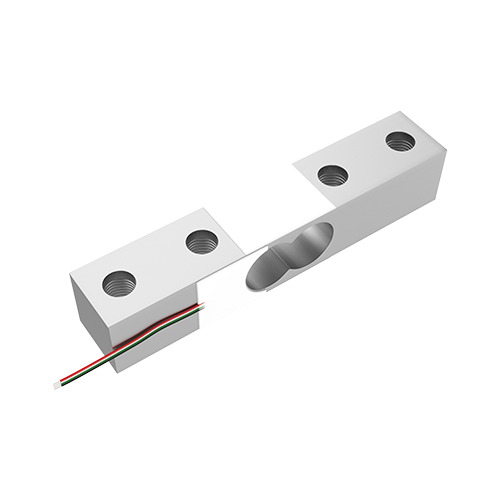
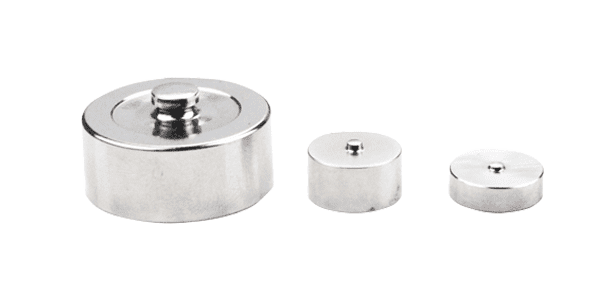
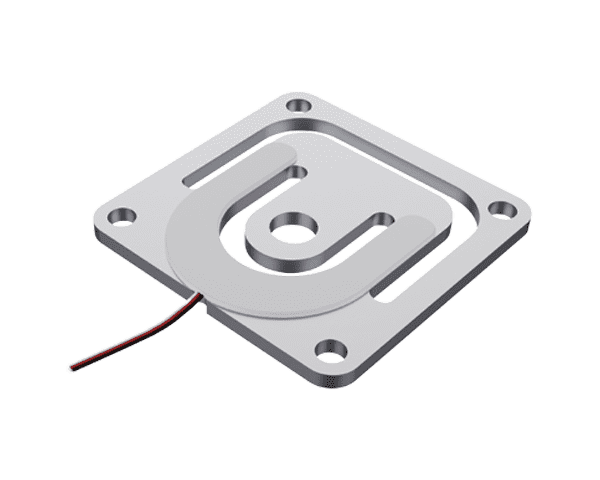
GML611 micro load cell — ultra-miniature aluminum-alloy sensor, purpose-built for kitchen scales, palm scales, and coffee scales
Resolution and Accuracy: Matching Cell Capacity to Your Target
In baking and cooking, ingredient ratios matter. A difference of 2 g of flour can change bread crumb texture; an extra 0.5 g of salt can make pastry dough tough. This is why selecting the right load cell capacity for your target resolution is critical.
The GML611's ±0.05% F.S accuracy means the absolute error scales with the cell's rated capacity. The key principle: choose the lowest capacity cell that still covers your maximum load. This keeps the operating range in the high-resolution zone:
|
Scale Target
|
GML611 Config
|
Abs. Error
|
Display Resolution
|
|
500 g coffee scale
|
1× GML611 (1 kg)
|
±0.5 g
|
0.1 g
|
|
5 kg home kitchen scale
|
4× GML611 (2 kg each)
|
±1 g
|
1 g
|
|
10 kg commercial scale
|
4× GML611 (3 kg each)
|
±1.5 g
|
2 g
|
|
15 kg heavy-duty scale
|
4× GML611 (5 kg each)
|
±2.5 g
|
5 g
|
This is why creep (the slow change in output under constant load) matters just as much as raw accuracy. The GML611's creep spec of ±0.05% F.S / 3 min ensures that when a 2 kg ingredient bowl sits on the platform while you add seasoning, the reading stays stable rather than slowly drifting upward.
Real-World Application: GML611 in a Kitchen Scale Customer Case
A leading kitchen appliance manufacturer approached GALOCE to integrate weight sensors into their kitchen scales for both commercial and household use. Their key challenges:
-
Accuracy and Precision: Required sensors that provide highly accurate, consistent measurements for reliable culinary results.
-
Durability and Reliability: Kitchen scales face frequent use, temperature variations, and potential spills — sensors needed to withstand these conditions without compromising accuracy.
-
Integration and Compatibility: Sensors needed to fit seamlessly into the existing scale design, compatible with the customer's electronic components and software.
The solution: GALOCE recommended the GML611 for its exceptional accuracy, robust aluminum-alloy construction, and ultra-compact footprint. The engineering team customized sensor dimensions, wiring, and connectors to ensure seamless integration. The result: a kitchen scale that delivers reliable precision in a slim, attractive form factor — meeting the customer's quality standards and market expectations.
Kitchen Scale Assembly: Wiring and Calibration
Four-Corner Micro Load Cell Wiring (GML611 ×4)
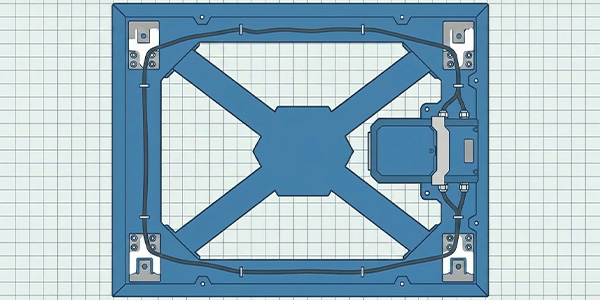
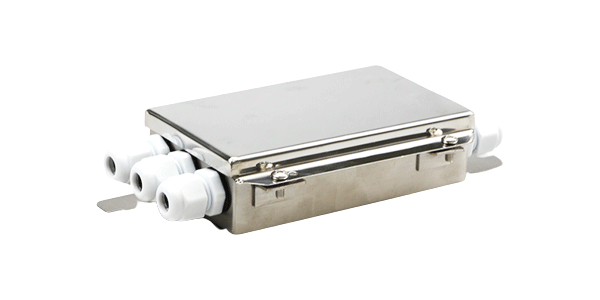
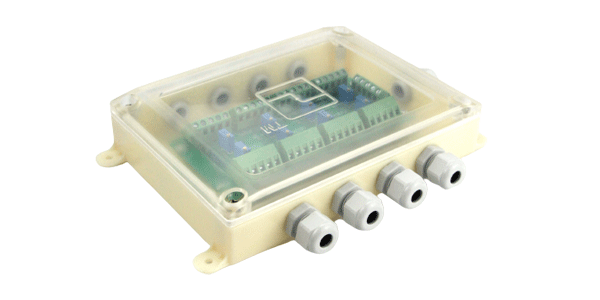
For the recommended four-corner design, four GML611 cells are wired in parallel to a junction board, which sums the signals and sends a single combined output to the indicator. Each cell connects with a standard 4-wire cable:
-
Excitation (+): Red — supply positive from indicator
-
Excitation (−): Black — supply ground from indicator
-
Signal (+): Green — positive measurement output
-
Signal (−): White — negative measurement output
Use matched GML611 cells from the same production batch to keep corner-load error minimal. The junction board typically includes trim potentiometers for fine-tuning each corner's sensitivity during calibration.
Single-Cell Wiring (GML611 ×1, for Pocket/Coffee Scales)
For compact pocket scales and coffee scales, a single GML611 (1 kg range) connects directly to the indicator using the same 4-wire color code. No junction board is needed — the simplest and most cost-effective configuration.
Calibration Steps
-
Zero Calibration: Power on the scale with no load. The indicator records the zero point.
-
Span Calibration: Place a certified reference weight (e.g., 2 kg, OIML class M1) at the center of the platform. The indicator records the span point.
-
Corner-Load Check: For four-corner designs, place the reference weight at each corner. Adjust the junction board trim potentiometers if any corner reads differently from center.
-
Tare Verification: Place a 200 g bowl on the platform, press tare, then verify the display returns to zero.
Advantages of Using Kitchen Scales with Quality Load Cells
-
Precision: The GML611's ±0.05% F.S accuracy provides dependable readings in grams, ounces, pounds, or kilograms — especially important in baking where ingredient ratios are critical.
-
Consistency: Low-creep load cells help maintain uniformity in portion sizes and ingredient quantities, ensuring that dishes taste the same every time they are prepared.
-
Efficiency: Digital scales with stable load cells often include built-in timers and memory functions, saving time in both home and commercial kitchens.
-
Durability: The GML611's high-quality aluminum alloy resists corrosion and withstands repeated impacts — surviving years of kitchen use without signal drift.
-
Low Power: Modern micro load cells draw minimal current, enabling battery-operated smart scales to run for months on a single set of AAA batteries.
-
Compact Design: The GML611's ultra-miniature footprint enables kitchen scale designs under 20 mm total height — slim enough to store in a kitchen drawer.
Industry Trends and Market Dynamics
The kitchen scale industry is experiencing significant growth driven by several trends:
-
Shift to Digital: The demand for digital kitchen scales is rising due to their ease of use and accuracy. The global digital kitchen scale market is projected to reach USD 602.4 million by 2031.
-
Smart Technology Integration: Increasing consumer interest in smart home technology has led to the development of smart kitchen scales that offer Bluetooth/Wi-Fi connectivity, recipe sync, and nutritional logging through dedicated apps.
-
Commercial Demand: There is a growing need for high-precision kitchen scales in commercial kitchens as they ensure accurate food preparation essential for restaurants, bakeries, and catering services.
-
Health and Nutrition Tracking: Rising consumer focus on healthy eating and portion control is driving demand for kitchen scales with nutritional databases and calorie tracking features.
-
Product Innovation: Manufacturers are focusing on developing ultra-thin designs, multi-unit conversion, and voice-activated smart features — trends that favor compact micro load cells like the GML611.
The global kitchen scales market was valued at approximately USD 613.3 million in 2022 and is expected to grow to USD 824.2 million by 2032, reflecting a compound annual growth rate (CAGR) of 3% during this period. Key drivers include increased consumer spending on food and beverages, and continuous product innovation from manufacturers.
Frequently Asked Questions
What type of load cell is used in a kitchen scale?
Most modern digital kitchen scales use four micro load cells (one at each corner) for a thin profile and good off-center load handling. The GML611 is purpose-built for this architecture. Compact pocket scales and coffee scales may use a single GML611 for an even simpler, lower-cost design.
What accuracy does a kitchen scale load cell need?
For a 5 kg kitchen scale with 1 g resolution, a load cell with ±0.05% F.S accuracy (like the GML611) is the industry standard. For pocket scales requiring 0.1 g resolution at 500 g, use a single GML611 at 1 kg capacity — the lower capacity keeps the absolute error at ±0.5 g, enabling reliable 0.1 g display steps.
How many load cells do I need for a kitchen scale?
For a standard home or commercial kitchen scale (1–15 kg), use four GML611 cells in a four-corner configuration wired to a junction board. For a pocket or coffee scale (100–500 g), a single GML611 at 1 kg is sufficient. The four-corner design produces a thinner, more stable platform; the single-cell design is simpler and cheaper.
What capacity GML611 should I choose for a 5 kg kitchen scale?
Use four GML611 cells rated at 2 kg each, giving 8 kg total capacity with a 1.6× safety margin. This keeps the operating range in the high-resolution zone for better 1 g readability. For a 10 kg commercial scale, use four 3 kg cells (12 kg total); for a 15 kg scale, use four 5 kg cells (20 kg total).
Why does my kitchen scale give different readings at different positions?
This is called corner-load error, caused by sensitivity mismatch between the four load cells. Using factory-matched GML611 cells from the same production batch keeps this error minimal. During calibration, the junction board trim potentiometers can fine-tune each corner to ensure uniform readings across the entire platform.
Is the GML611 suitable for smart kitchen scales with Bluetooth?
Yes. The GML611's low power consumption and standard 1.0 mV/V output are compatible with all common Bluetooth/Wi-Fi indicator chips. Its ultra-compact size also allows the battery and wireless module to fit within the slim scale housing. GALOCE offers OEM support with custom cable lengths and connectors for smart scale manufacturers.
Building a Kitchen Scale That Chefs Can Trust?
Choose the GALOCE GML611 — ultra-miniature, aluminum-alloy, ±0.05% F.S accuracy. Purpose-built for kitchen scales, palm scales, and coffee scales.