Why Humanoid Robots Need a Sense of Touch: A Simple Guide to Force Sensing in Robotics
TIME: 2026.04.29AUTHOR: Carol LiNUMBER OF VIEWS 608
Why Humanoid Robots Need a Sense of Touch: A Simple Guide to Force Sensing in Robotics | Galoce
Published on: | Author: Galoce Robotics Outreach Team
Imagine a humanoid robot that can walk, talk, and wave – but when it tries to hand you a glass of water, it crushes it. Or when it reaches out for a friendly handshake, it accidentally hurts you. Without a sense of touch, even the most advanced robot is clumsy and dangerous. That’s why force sensing – the ability to feel pressure and force – is becoming essential for robots that work alongside people. This guide explains what force sensing does for robots, using simple analogies and everyday examples.
A Robot with Numb Hands
Think about what you do with your hands every day: you pick up an egg without breaking it, you screw in a lightbulb until it feels “tight enough”, you hold a baby’s hand without squeezing too hard. Your sense of touch – specifically, your ability to feel force – guides every movement.
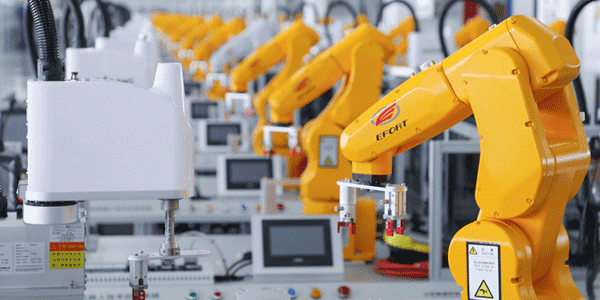
🤖 Now imagine a robot without that sense. It would grab objects using only pre‑programmed positions. It wouldn’t know if it was crushing a tomato or if a screw was already tight. It would push until something broke. That’s why early industrial robots had to be kept behind safety cages – they were blind to the forces they applied.
Humanoid robots are designed to leave those cages and work next to us. To do that safely, they need a sense of touch. The technology that gives them that sense is called a force sensor.
What Does “Sense of Touch” Mean for a Robot?
For humans, touch includes texture, temperature, pain, and pressure. For robots, the most important part is force – measuring how hard they are pushing, pulling, or twisting.
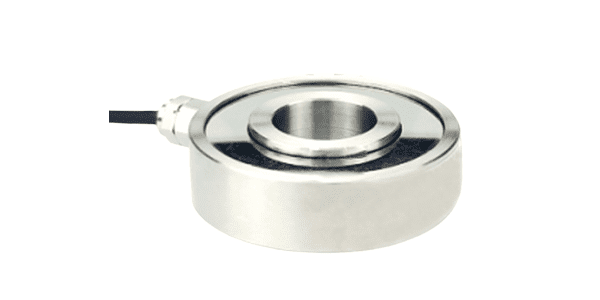
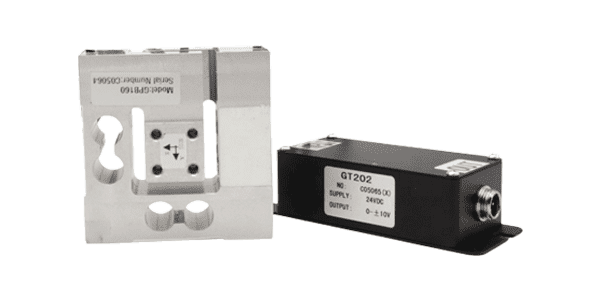
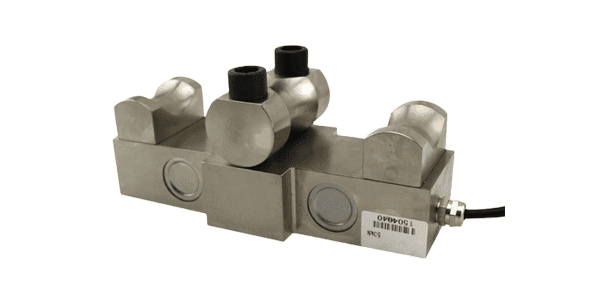
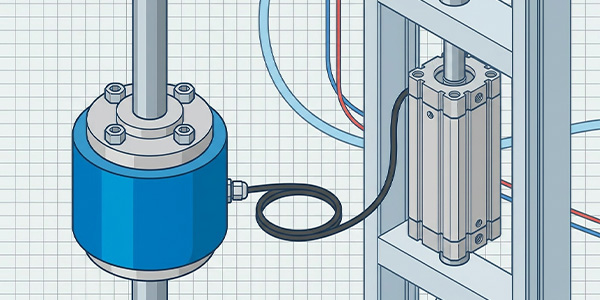
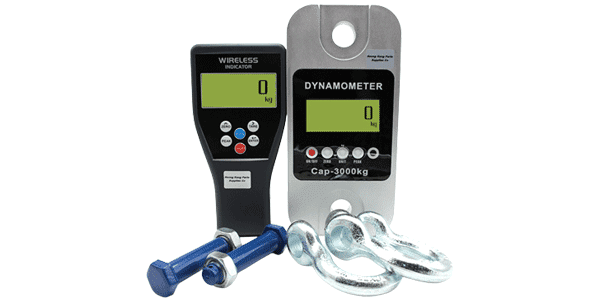
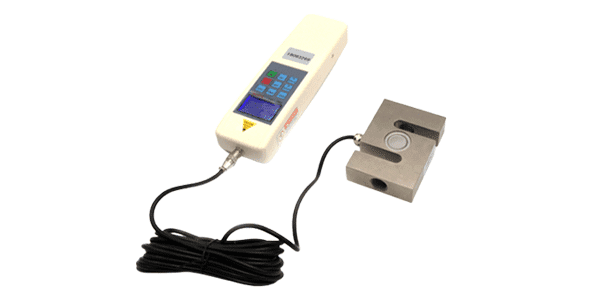
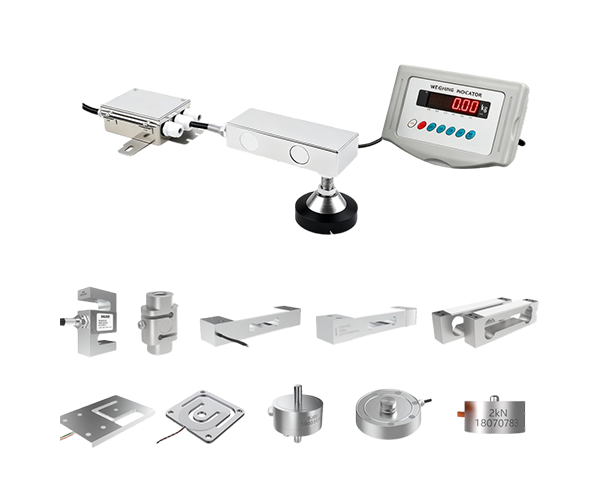
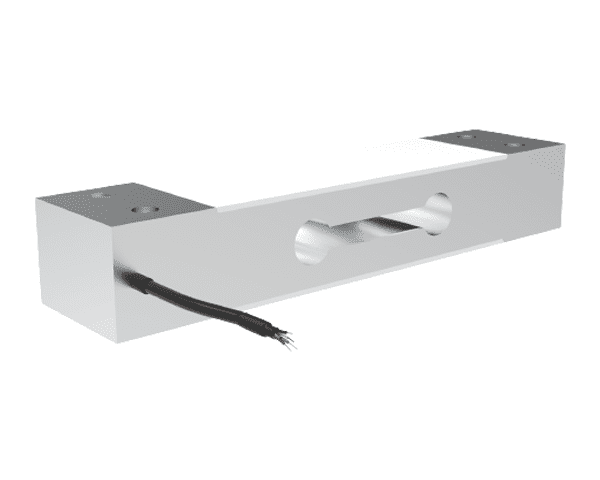
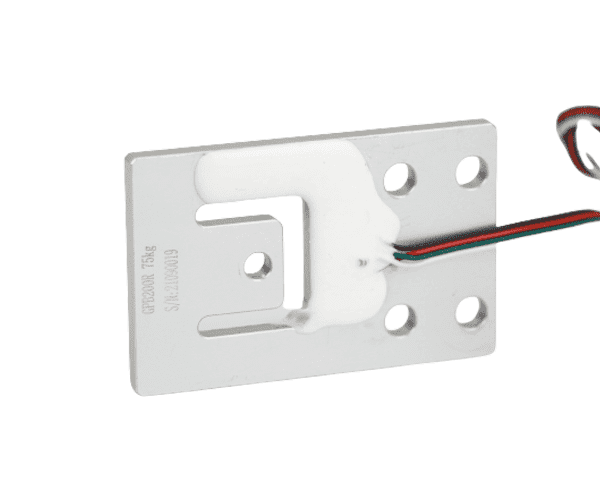
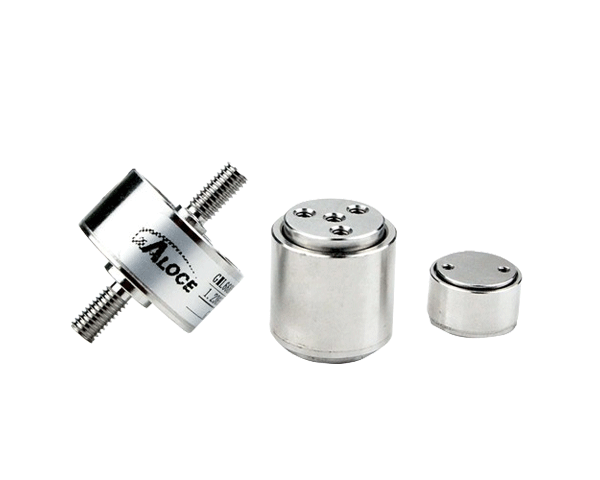
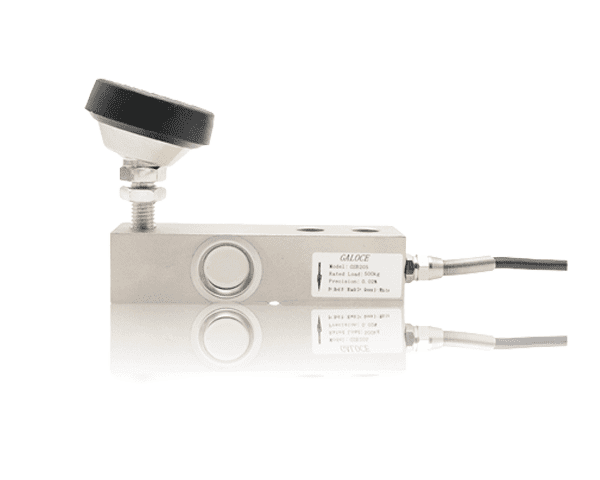
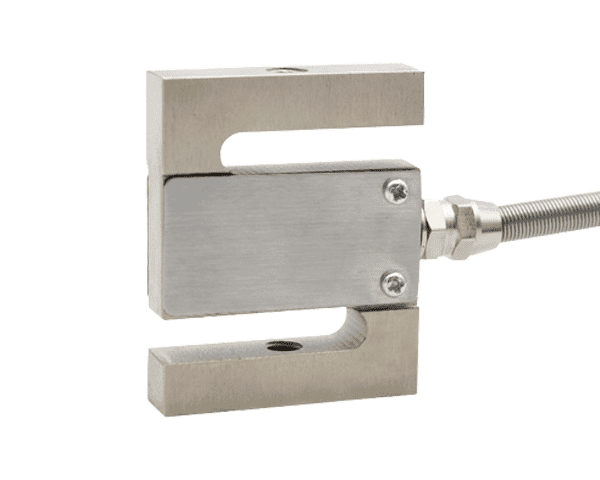
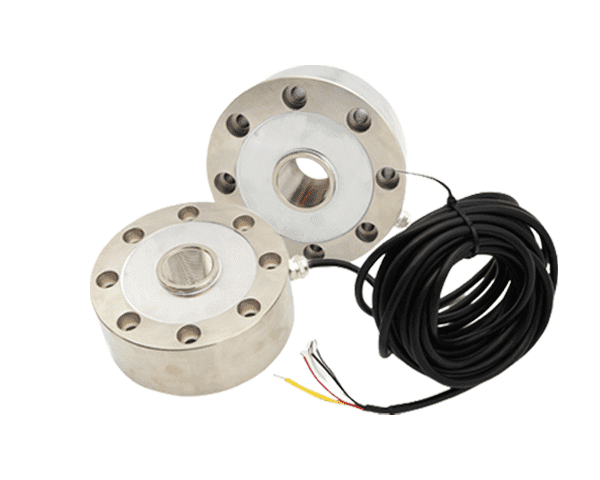
💡 Simple definition: A force sensor is like the “nerve endings” inside a robot’s joints or fingertips. It constantly measures the amount of force being applied. If the force gets too high, the robot can loosen its grip. If it feels an unexpected collision, it can stop immediately.
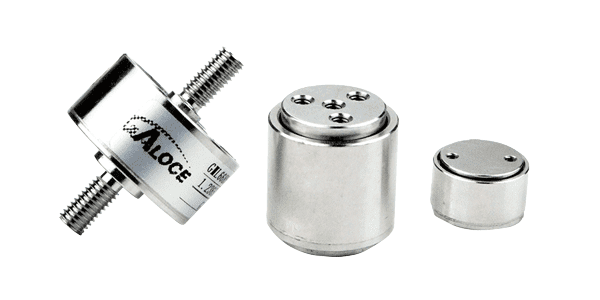
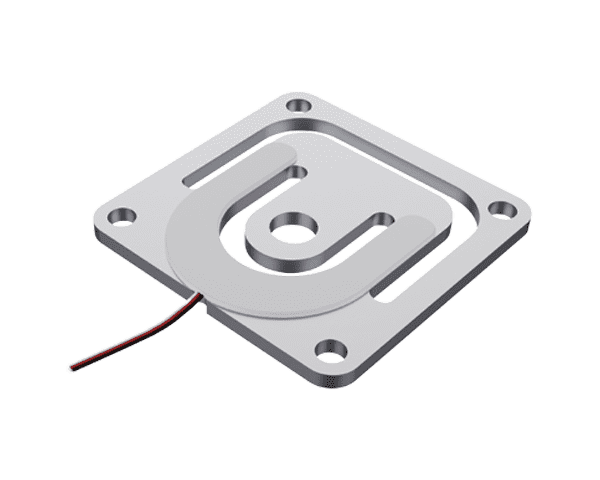
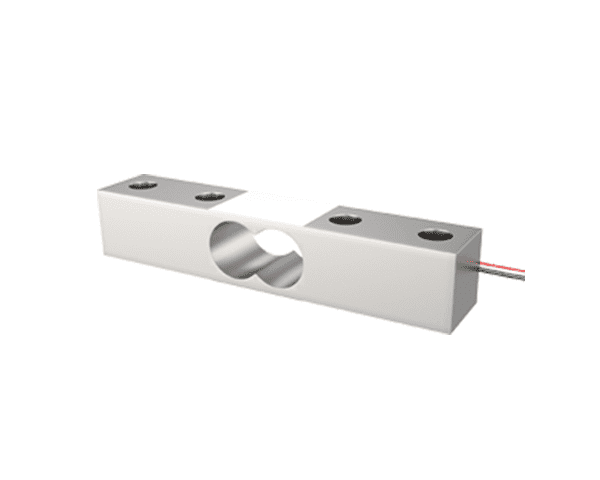
Force sensors can be tiny – smaller than a fingernail – and they can be placed at the wrist, the fingers, or even the feet of a humanoid robot. They send force data to the robot’s brain dozens or hundreds of times per second.
🦵 Like your ankle
Your ankle constantly senses ground force to keep you balanced. Robots use foot force sensors for the same reason.
✋ Like your fingertip
Your fingertips tell you how hard to squeeze. Robot grippers use force sensors to avoid crushing.
💪 Like your muscle sense
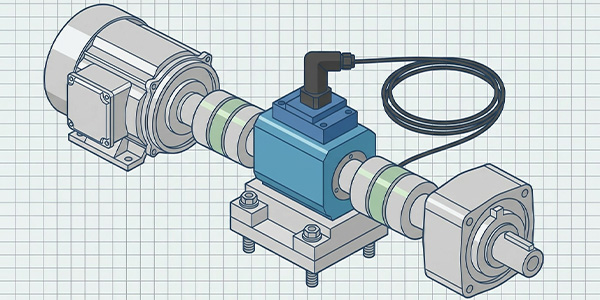
You know when you’re pushing against a heavy door. Robots learn this from joint torque sensors.
Three Simple Tasks That Need Force Sensing
Let’s look at everyday actions that are trivially easy for humans but impossible for a position‑controlled robot without force feedback.
🥚 Picking up an egg
A robot without force sensing would close its fingers to a set position. If the egg is slightly smaller than expected, it might not grip at all. If slightly larger, it would crush the shell. With a force sensor, the robot can close until it feels light pressure – and then stop. It can even adjust grip strength while lifting.
💡 Screwing in a lightbulb
You don’t turn a lightbulb a fixed number of rotations – you turn until you feel resistance, then stop. A force‑sensing robot can do the same: it rotates while monitoring the torque (twisting force). When torque jumps, it knows the bulb is seated and stops. No cross‑threading, no breakage.
🔌 Plugging in a cable
Inserting a USB plug or an audio jack requires aligning and pushing. A robot without force sensing would either miss the hole or jam. With a force sensor, it can “feel” the sides of the connector and gently nudge until it aligns, then push with steady force until it clicks.
🔧 Real‑world parallel: Assembly robots in electronics factories already use force sensing to insert delicate components. The same technology is now moving into humanoid robots designed for home and warehouse tasks.
Humanoid Robots at Home and Work – Why Safety Is Key
Humanoid robots are being designed to help with household chores, work in warehouses, and assist in healthcare. In all these environments, they will share space with people who are not trained engineers.
Collision detection: If a robot accidentally bumps into a person, a force sensor can detect the impact in milliseconds and stop the movement immediately – preventing injury.
Safe handover: When handing an object to a human, the robot must know when to let go. Force sensing allows it to feel the person taking the object, then release gently.
Assisting with mobility: Robots that help elderly people stand up must apply just enough force to assist, not to pull them over. Force feedback makes that possible.
🛡️ Without force sensing, safety is guesswork. With force sensing, a humanoid robot becomes a soft, responsive partner – not a rigid, unaware machine.
More and more robotics companies are adding force sensors to their humanoid designs. The reason isn’t just technical – it’s about trust. People will only accept robots in their homes if those robots can be trusted not to hurt them or break things.
How Force Sensors Make Robots More Useful (Not Just Safer)
Beyond safety, force sensing unlocks entirely new capabilities. Here are a few examples:
Adaptive gripping: A robot can pick up a screwdriver, then a towel, then a key – all with the same gripper, simply by feeling the object and adjusting force.
Surface following: A robot that polishes a car or sands wood can maintain constant contact pressure even on curved surfaces, giving a perfect finish.
Force‑limited assembly: Inserting a rubber seal or snapping together plastic parts requires precise force control – too little and it doesn’t seat, too much and it breaks. Force sensors provide the feedback needed for these “goldilocks” tasks.
🔍 Analogy: A robot without force sensing is like a typist who can only press keys all the way down – no nuance. A robot with force sensing can type delicately, or hammer a nail, or knead dough – because it can sense and vary its force.
The Quiet Revolution Inside Robots
When we think of robots, we often imagine fast, precise movements. But the real breakthrough in making robots usable alongside people is not speed – it’s sensitivity. Force sensors are the hidden technology giving robots a gentle touch.
In the next few years, you’ll see humanoid robots that can hand you a cup of coffee without spilling, help you put on a jacket, or even give a safe, friendly pat on the back. None of that is possible without the ability to feel force.
So next time you see a video of a robot carefully handling an egg or delicately assembling a watch, remember: it’s not just clever programming – it’s force sensing, the robot’s sense of touch.
IP65, IP67 and IP68 are not levels on one scale. See the real IEC 60529 test conditions and learn which rating your humid, dusty or corrosive site needs.
Discover why GALOCE is the leading load cell manufacturer in China. Offering high-precision force sensors, 26-step quality audits, and global OEM/ODM engineering for US & UK industrial standards. Explore our brand guide.