Where Torque Sensors Are Used: From Car Engines to Assembly Lines
TIME: 2026.05.20AUTHOR: Carol LiNUMBER OF VIEWS 505
Where Torque Sensors Are Used: From Car Engines to Assembly Lines | Galoce
Published on: | Author: Galoce Application Engineering Team
Torque sensors are everywhere – but you rarely see them. They work behind the scenes to make sure engines run efficiently, car steering feels right, assembly lines tighten bolts perfectly, and robots don’t crush what they touch. This guide takes you through the most common places where torque sensors are used, with simple examples and no heavy math. Whether you’re a factory operator, a car technician, or just curious about how things work, you’ll finish this article knowing where torque sensing matters.
Automotive: Engines, Steering, and Electric Vehicles
🏁 Engine Dynamometer (Dyno) Testing
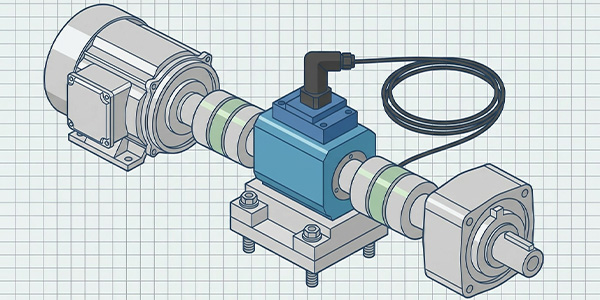
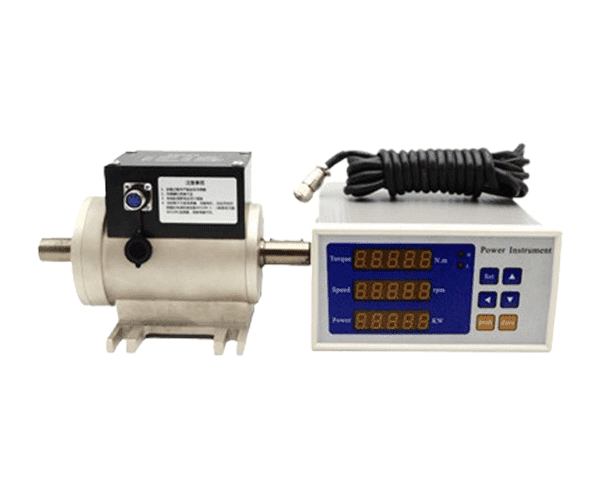
Before a new engine goes into a car, it’s bolted to a dyno. A torque sensor between the engine and the brake measures exactly how much twisting force the engine produces at every RPM. Engineers use that data to tune performance and fuel efficiency.
🚗 Electric Power Steering (EPS)
When you turn your steering wheel, a tiny torque sensor inside the column measures how hard you’re turning. The car’s computer then adds just the right amount of electric assist – less on the highway, more when parking. Without it, steering would feel either too heavy or too artificial.
⚡ EV Motor Validation
Electric motors produce instant torque. Manufacturers use high‑speed rotary torque sensors to validate motor output, measure torque ripple, and ensure smooth acceleration. This helps EVs feel responsive yet comfortable.
Industrial Assembly: Nutrunners & Bolt Checking
In car factories, appliance assembly lines, and aerospace plants, thousands of bolts are tightened every hour. Torque sensors ensure each one is perfect.
🔧 Nutrunners (Automatic Screwdrivers)
A nutrunner is an electric or pneumatic tool that tightens bolts. Inside it, a torque sensor continuously measures torque while the bolt turns. The tool stops automatically the moment it reaches the target torque – never too loose, never too tight.
✅ Quality Audits with Torque Wrenches
After assembly, quality control workers use torque wrenches with built‑in sensors to spot‑check bolts. The sensor displays the exact torque, and the reading is recorded for traceability. This catches any assembly errors before the product leaves the factory.
🏭 Real‑world example: A car wheel assembly line uses four nutrunners simultaneously – one for each lug nut. Each nutrunner has a torque sensor, and the system ensures all four bolts are tightened to exactly 120 N·m. If one is off, the line stops instantly.
Manufacturing: Conveyors & Machine Protection
Torque sensors aren’t just for bolts – they also monitor rotating machinery to prevent breakdowns.
📦 Conveyor Shaft Monitoring
A torque sensor on a conveyor drive shaft continuously measures load. If the torque suddenly spikes, it means something is jammed – the system can stop before belts tear or motors burn out.
⚙️ Mixer and Agitator Protection
In food or chemical plants, mixers can get overloaded if the product becomes too thick. A torque sensor on the mixer shaft detects the overload and either reduces speed or shuts down, saving the motor and the batch.
Robotics: Wrist Torque & Collision Detection
Modern robots – especially collaborative ones – need torque sensors to work safely alongside people.
🦾 Robot Wrist Force/Torque Sensors
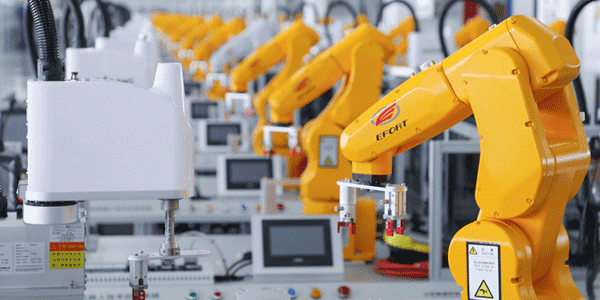
Assembly robots use 6‑axis torque sensors at the wrist. When inserting a peg into a hole, the sensor detects tiny misalignments and guides the robot to correct itself – no jamming, no scratching.
⚠️ Collision Detection
Collaborative robots (cobots) have torque sensors in each joint. If the robot accidentally bumps into a person, the torque sensor detects the unexpected resistance and stops the movement in milliseconds – preventing injury.
Wind Turbines: Blade Pitch Control
Large wind turbines can adjust the angle of their blades to capture the right amount of wind – too much angle and the turbine can break; too little and it generates less power.
🌬️ Pitch Drive Torque Monitoring
Electric motors called “pitch drives” rotate each blade. A torque sensor measures how much force the motor is using. If torque becomes too high, the control system slows the blade rotation to protect the turbine. This keeps the turbine running safely for decades.
💡 Fun fact: A single wind turbine blade can weigh over 10 tonnes. Torque sensors help move those massive blades precisely, avoiding catastrophic overloads.
Everyday Example: Your Car’s Wheel Bolts
You may have never seen a torque sensor, but you’ve probably benefited from one the last time your car had a tire change.
🚘 The scenario: At a tire shop, the mechanic uses a torque wrench (with a built‑in sensor) to tighten the lug nuts. The wrench beeps when it reaches the correct torque – usually around 100 N·m for a passenger car. If the bolts are too loose, the wheel could fall off. Too tight, and the bolts could break or the brake rotor could warp.
That beep means a torque sensor just did its job, keeping you safe on the road.
Conclusion: Torque Sensors – Small Devices, Big Impact
From the engine dyno to the assembly line, from a robot’s wrist to a wind turbine, torque sensors quietly ensure quality, safety, and efficiency. They prevent broken bolts, protect expensive machinery, and help robots work gently beside humans.
Next time you drive a car, use a power tool, or see a wind farm, remember: torque sensors are likely playing a part behind the scenes. And if you need to measure torque in your own project – whether it’s testing a motor or building a smart assembly station – choosing the right sensor starts with understanding where and how it will be used.
At Galoce, we offer a wide range of torque sensors for automotive, industrial, and robotics applications – from compact reaction sensors to high‑speed rotary models. Talk to our application team about your torque measurement needs.
IP65, IP67 and IP68 are not levels on one scale. See the real IEC 60529 test conditions and learn which rating your humid, dusty or corrosive site needs.
Discover why GALOCE is the leading load cell manufacturer in China. Offering high-precision force sensors, 26-step quality audits, and global OEM/ODM engineering for US & UK industrial standards. Explore our brand guide.