

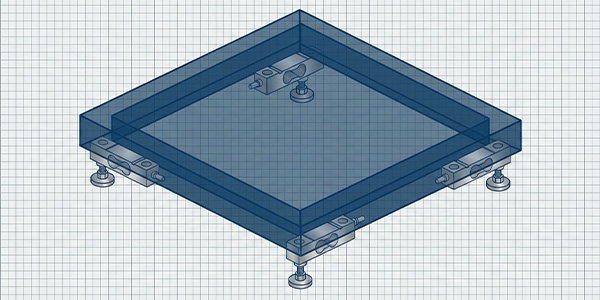
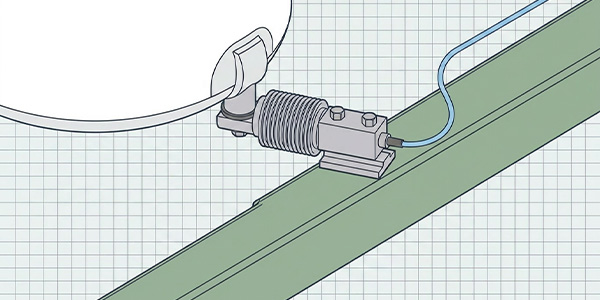
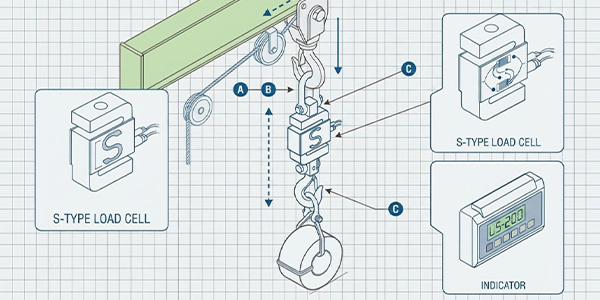
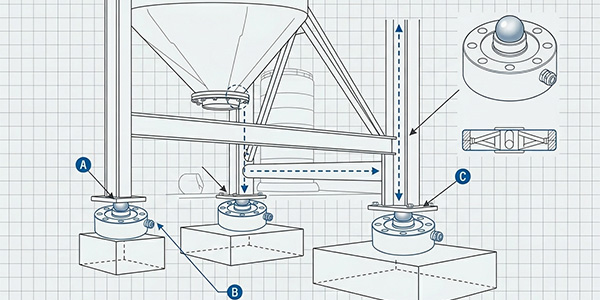
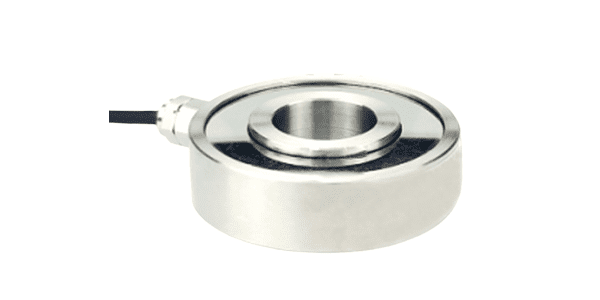
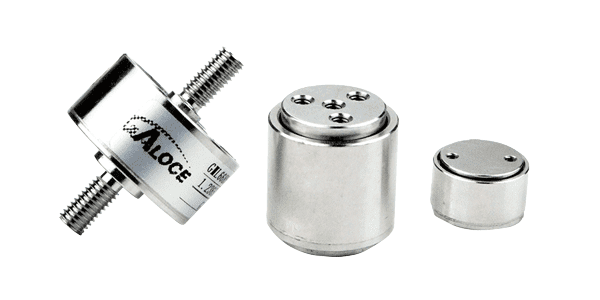
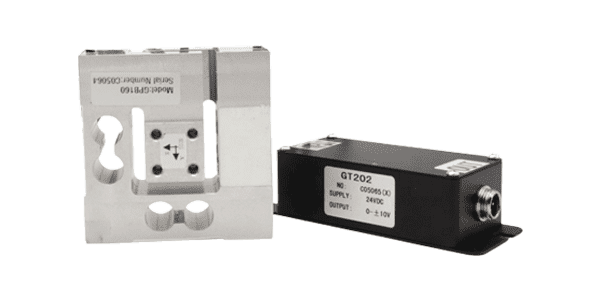
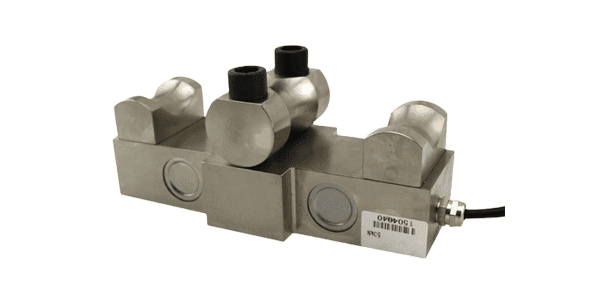
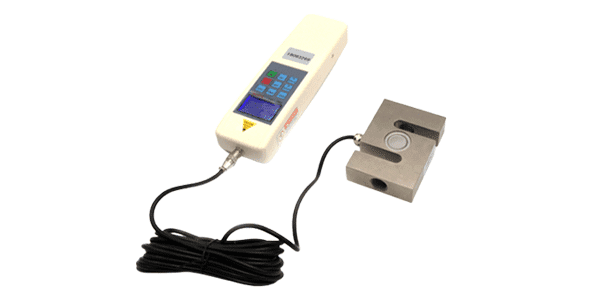
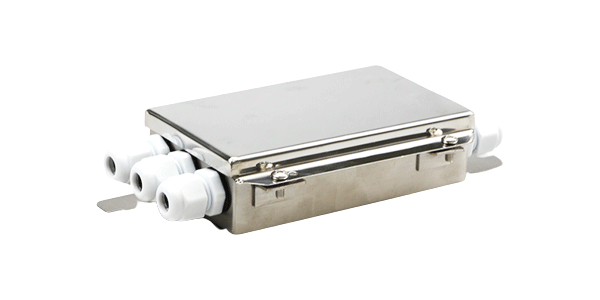
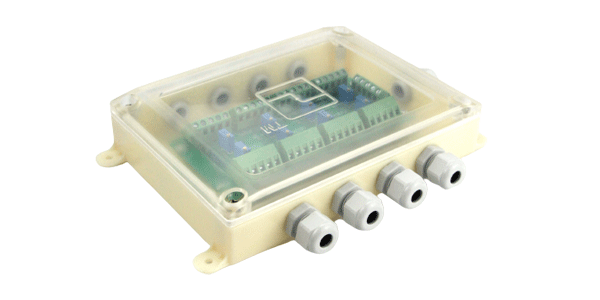
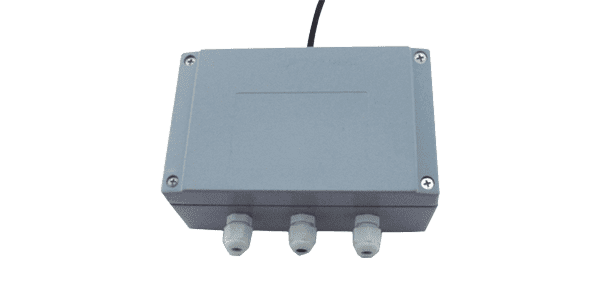




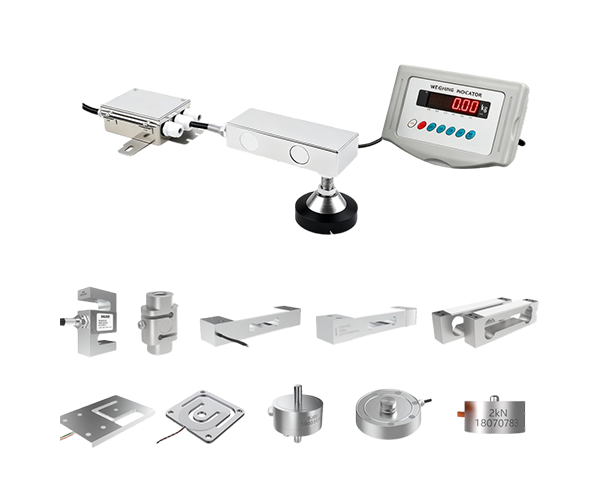
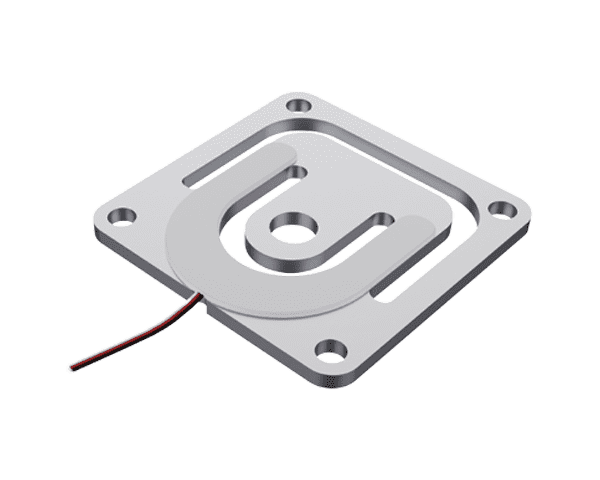
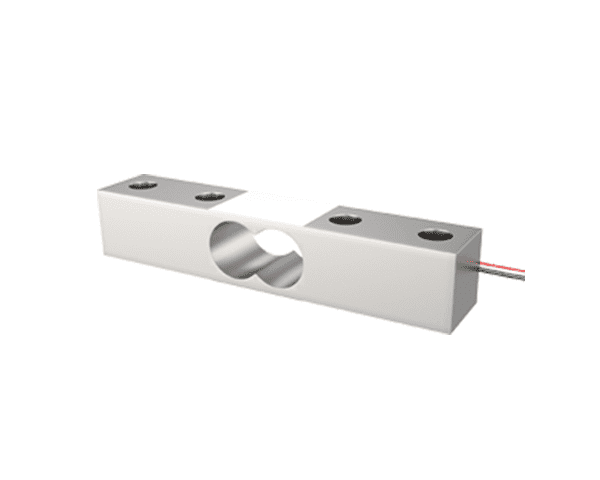
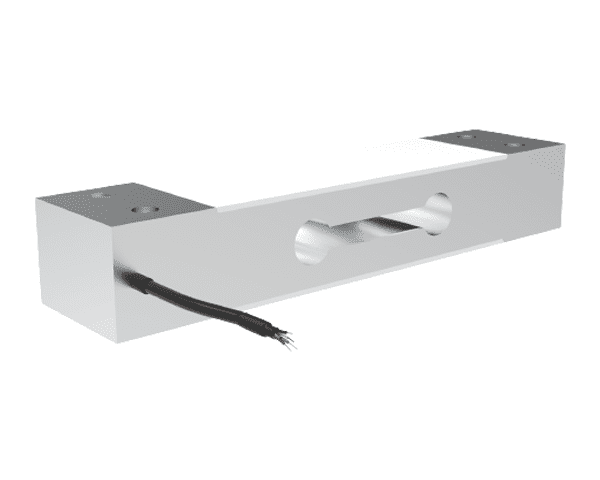
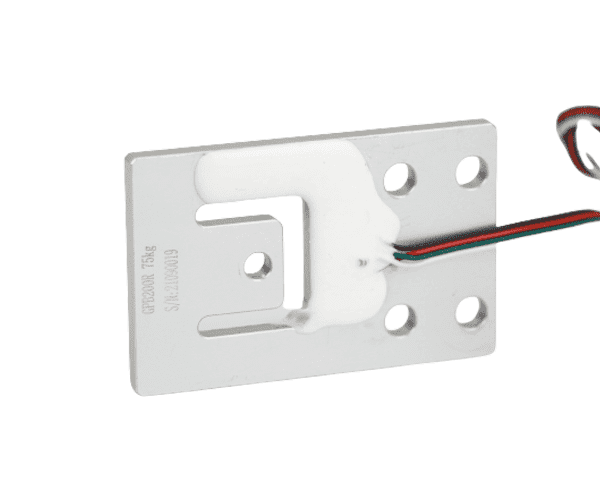
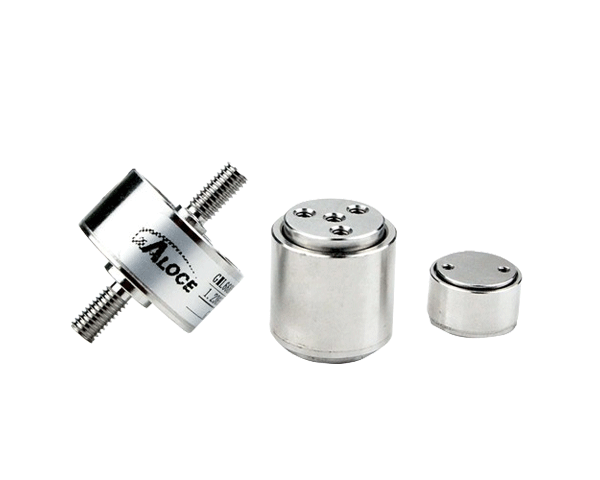
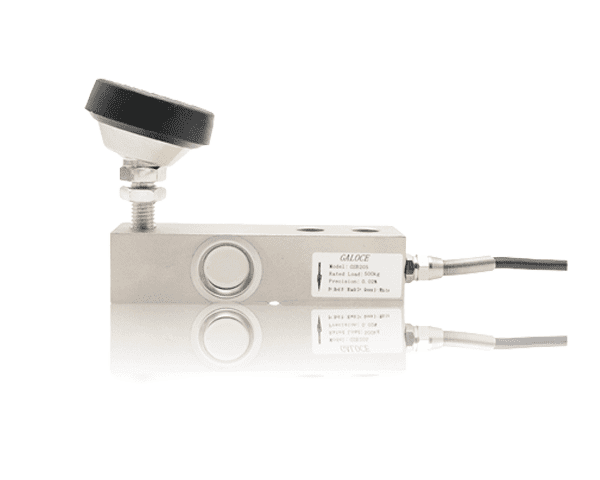
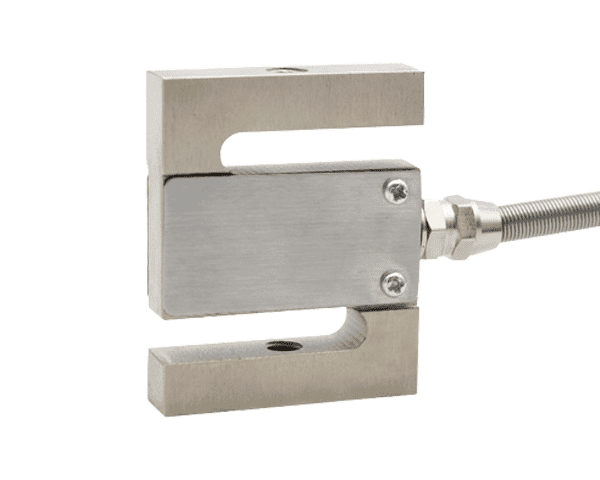
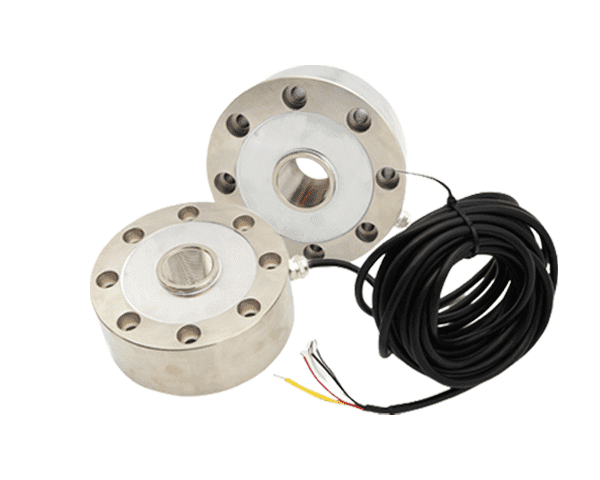
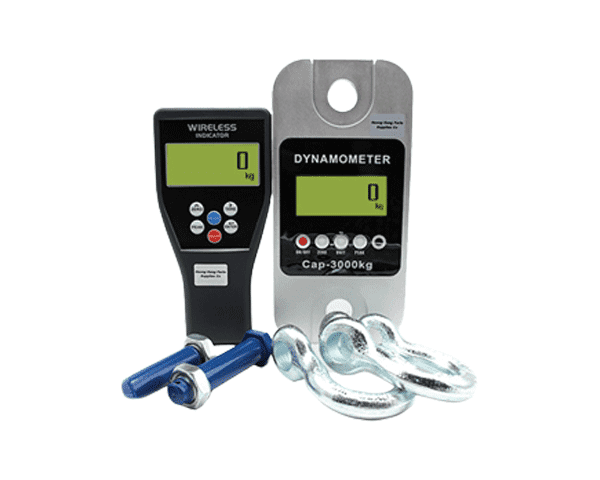
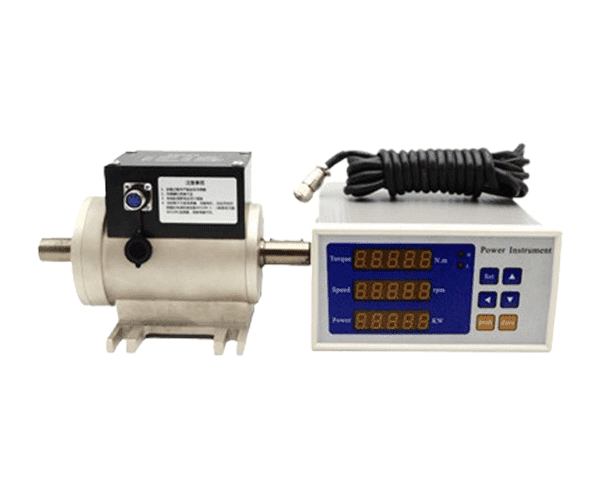
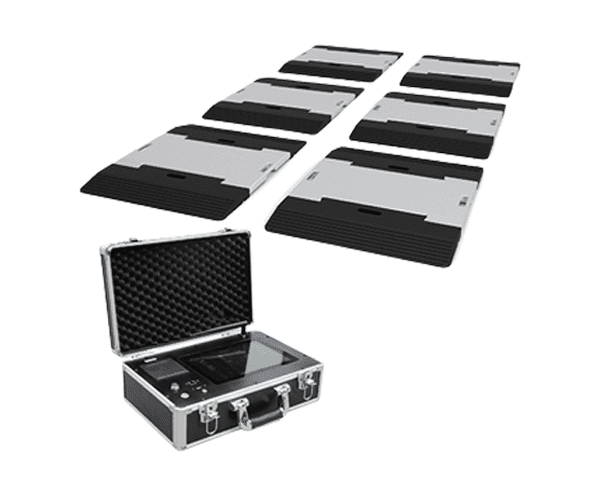
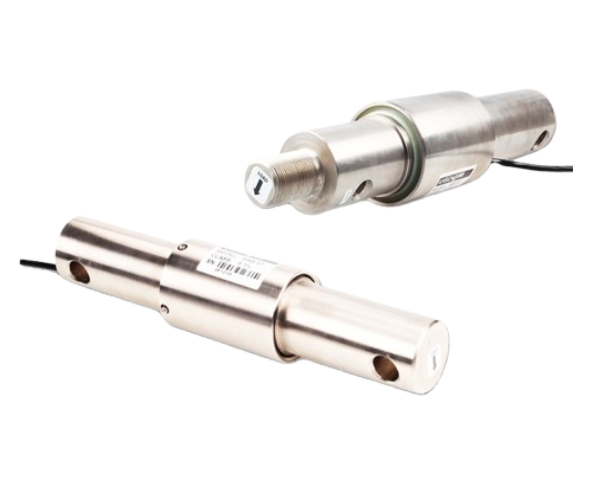
The transition from analog to digital signal processing represents a fundamental leap in weighing and force measurement technology. Digital output load cells integrate an analog-to-digital converter (ADC) and microprocessor directly within the sensor housing, transforming raw strain gauge signals into robust digital data. This architecture delivers decisive advantages in accuracy, reliability, and system integration. Here are the top benefits driving their widespread adoption across industries.
1. Superior Immunity to Electrical Noise
This is the most significant advantage. Traditional analog load cells output a low-level millivolt signal (typically 2 mV/V) that is highly susceptible to degradation.
- The Problem with Analog: The tiny mV signal can be easily corrupted by electromagnetic interference (EMI) from motors, VFDs, welding equipment, and radio frequencies. This noise creates unstable weight readings and requires meticulous shielding.
- The Digital Solution: Digital load cells convert the signal to a digital format at the point of measurement. The transmitted data packet (using RS-485, CAN, etc.) is highly resistant to noise. Even if noise affects the cable, the digital protocol includes error-checking to ensure data integrity.
Result: Stable, reliable readings in electrically noisy industrial environments without expensive shielded cables or conduit.
2. Higher Accuracy & Resolution
Digital processing enables finer measurement capabilities.
- Onboard Signal Conditioning: The integrated microprocessor performs advanced filtering, temperature compensation, and linearization specific to that individual sensor, correcting errors at the source.
- Elimination of Signal Degradation: Unlike analog signals that lose quality over distance, a digital "1" or "0" arrives intact, preserving the original measurement resolution.
- Higher Internal Resolution: Modern digital load cells often have internal resolutions of 1:1,000,000 or higher, far exceeding the capabilities of standard analog instrumentation.
Result: Improved measurement precision, better repeatability, and the ability to detect smaller weight changes, which is critical for batching, formulation, and quality control.
3. Simplified Installation & Long-Distance Transmission
Digital systems dramatically reduce installation complexity and cost.
- Standard Cabling: Use inexpensive, unshielded, multi-conductor cable (e.g., 4-wire RS-485 cable) instead of expensive 6-wire shielded load cell cable.
- Longer Distances: Digital signals can be transmitted reliably over much longer distances (up to 1200 meters with RS-485) without signal amplifiers. Analog signals are typically limited to 30-50 meters.
- Daisy-Chaining: Multiple digital load cells can be connected in a single daisy-chain network, drastically reducing cable runs back to the controller compared to the "home-run" cabling required for analog cells to a junction box.
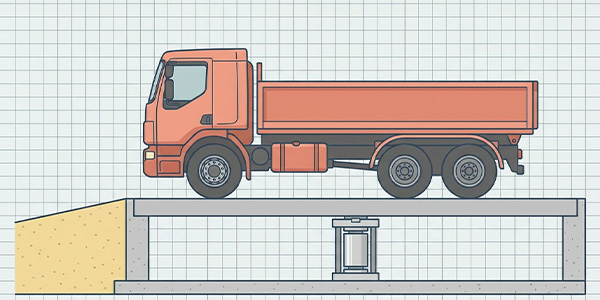
Result: Lower installation material and labor costs, cleaner cable management, and greater design flexibility for large-scale systems like truck scales and silo farms.
4. Advanced Diagnostics & Sensor Health Monitoring
Digital load cells are "smart" sensors that provide valuable operational data.
- Real-Time Diagnostics: They can continuously monitor internal parameters and communicate fault conditions such as overload, shock load damage, cable break, or moisture ingress.
- Predictive Maintenance: By tracking performance trends, the system can alert operators to potential issues before they cause downtime or inaccurate weighing.
- Individual Sensor Monitoring: In a multi-cell scale, you can read the output of each cell individually to diagnose uneven loading, foundation problems, or a single faulty cell.
Result: Reduced downtime, easier troubleshooting, and proactive maintenance instead of reactive repairs.
5. Easy Calibration & Configuration
Digital interfaces simplify setup and adjustment.
- Software-Based Calibration: Calibration is performed through user-friendly software. There's no need to physically adjust potentiometers on an analog weight indicator.
- Remote Configuration: Parameters like filtering, update rate, and units can be configured remotely via the digital network.
- Stored Calibration Data: Calibration coefficients are stored securely in the sensor's memory. If an indicator is replaced, the scale's calibration remains intact.
Result: Faster commissioning, easier recalibration, and reduced risk of human error during setup.
6. Seamless Multi-Sensor Networking & Summation
Digital networks are inherently designed for multi-drop communication.
- Simplified Summing: In a multi-cell platform scale, digital signals from each cell are easily combined mathematically in the controller. This avoids the complexity and balancing challenges of analog junction boxes with trim pots.
- True Simultaneous Sampling: The controller can command all cells on a network to take a measurement at the exact same instant, critical for dynamic weighing of moving objects.
- Scalability: Adding more sensors to an existing digital network is typically straightforward.
Result: More stable and accurate multi-cell systems with easier setup and maintenance.
7. Future-Proof Integration with IIoT & Industry 4.0
Digital output is the gateway to smart manufacturing.
- Direct Connectivity: Digital load cells with Ethernet, PROFINET, or EtherCAT outputs can connect directly to PLCs, SCADA systems, and cloud platforms without additional signal converters.
- Rich Data Streams: They can transmit not just weight, but also status, diagnostics, and timestamped data packets for advanced analytics.
- Cybersecurity Features: Advanced digital sensors support secure communication protocols, an essential consideration for modern connected factories.
Result: Enables data-driven decision making, process optimization, and seamless integration into automated and IIoT-ready production lines.
Conclusion: When to Choose Digital Over Analog
While analog load cells are still a cost-effective solution for simple, short-range, non-critical applications, the benefits of digital output load cells make them the superior choice for most modern industrial and commercial weighing systems.
Choose Digital Output Load Cells When:
- Operating in electrically noisy environments.
- Installation requires long cable runs or complex multi-cell setups.
- High accuracy, stability, and diagnostic capabilities are required.
- Integration with PLCs, networks, or IIoT infrastructure is planned.
- Minimizing long-term maintenance and troubleshooting costs is a priority.
The initial investment in digital technology is quickly offset by reduced installation costs, improved reliability, and enhanced system capabilities. At Galoce, our range of smart digital load cells is engineered to deliver these benefits with robust performance. Contact us to discuss how a digital weighing solution can optimize your specific application.