Strain Gauge vs. Load Cell: Are They the Same Thing?
TIME: 2026.03.18AUTHOR: Carol LiNUMBER OF VIEWS 817
Strain Gauge vs. Load Cell: Are They the Same Thing? | Galoce Guide
Published on: | Author: Galoce Sensor Technology Team
Strain gauge and load cell are terms often used interchangeably, but they are not the same. Understanding the distinction is crucial for anyone working with force measurement, industrial weighing, or sensor selection. This guide explains what each term means, how they relate, and why the difference matters for your application.
1. What Is a Strain Gauge?
A strain gauge is a sensor that measures mechanical deformation (strain) on an object. It consists of a thin conductive foil pattern (typically Constantan alloy) bonded to a flexible backing material. When the object deforms, the gauge changes electrical resistance proportionally to the strain.
📐 Key Characteristics:
Output: Change in resistance (ohms) – typically a few milliohms to tens of ohms.
Size: Very small; can be as tiny as a few millimeters.
Function: Raw sensing element; requires additional circuitry (Wheatstone bridge, amplifier) to produce a usable signal.
Applications: Embedded into structures, custom transducers, stress analysis, experimental mechanics.
A strain gauge alone cannot measure force directly. It only senses strain. To convert strain into force, you need a mechanical structure (spring element) with known stiffness, and the gauges must be arranged in a bridge configuration.
2. What Is a Load Cell?
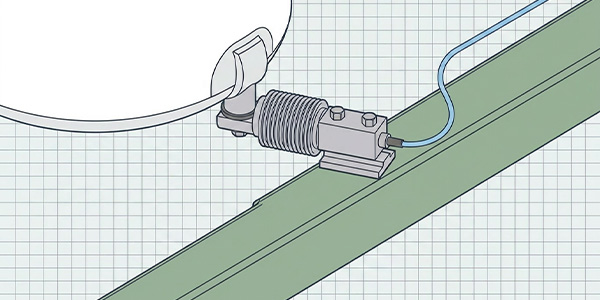
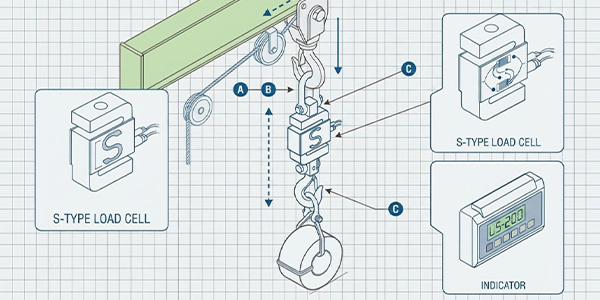
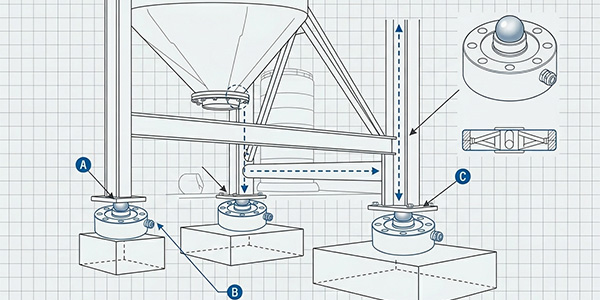
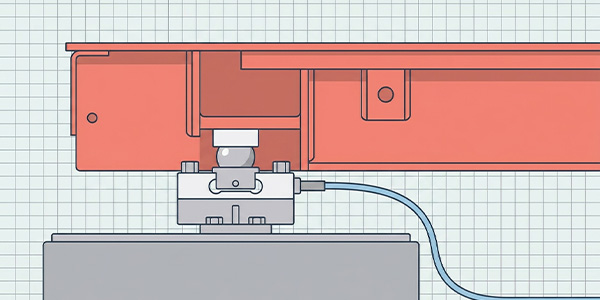
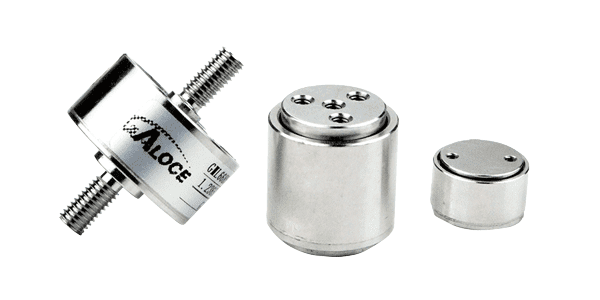
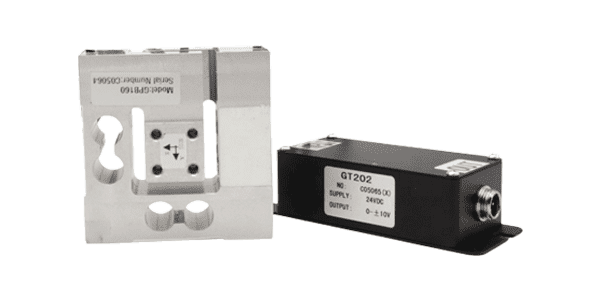
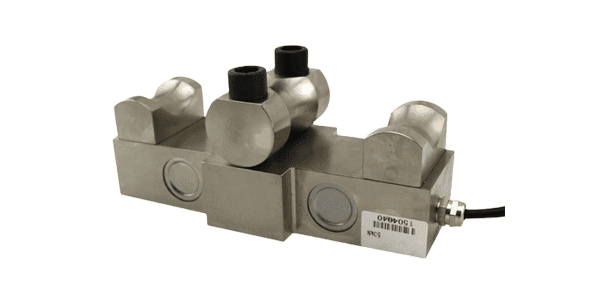
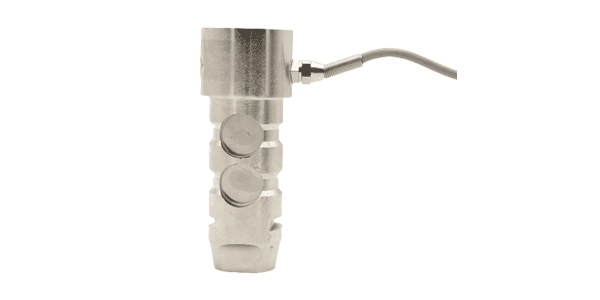
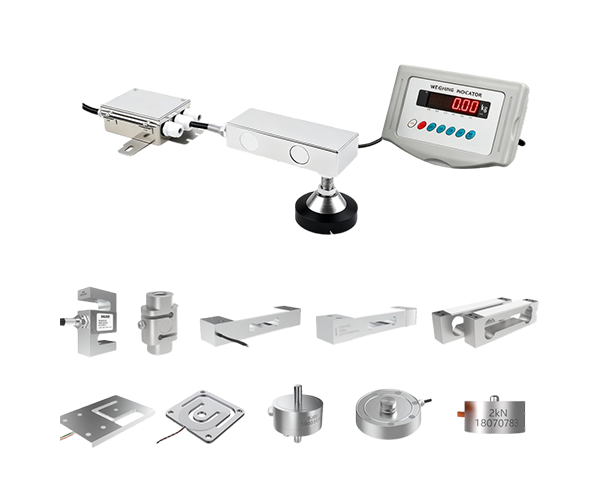
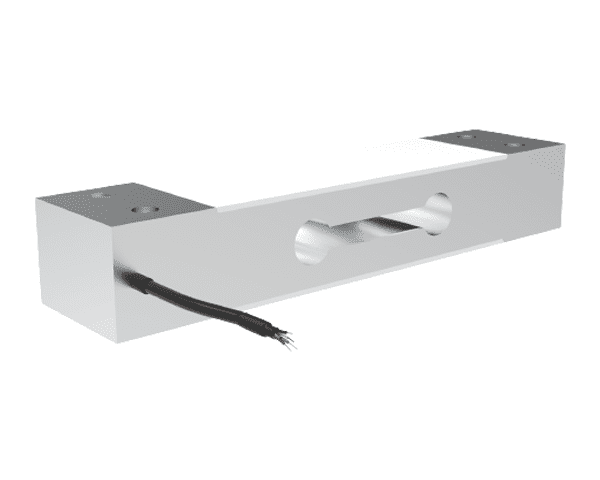
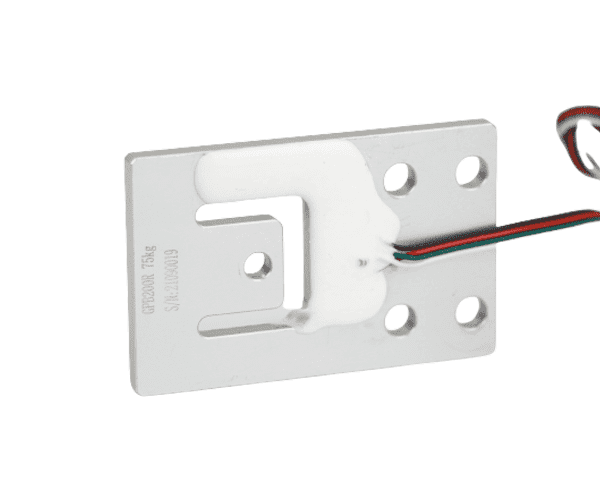
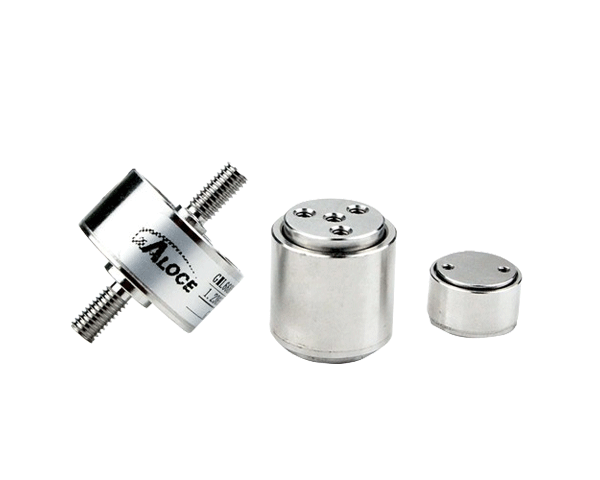
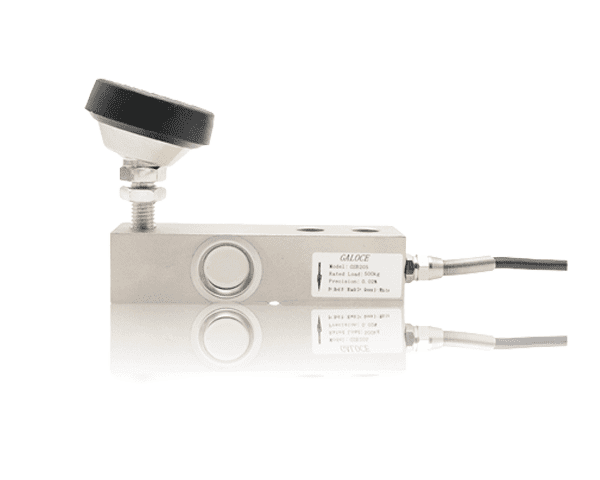
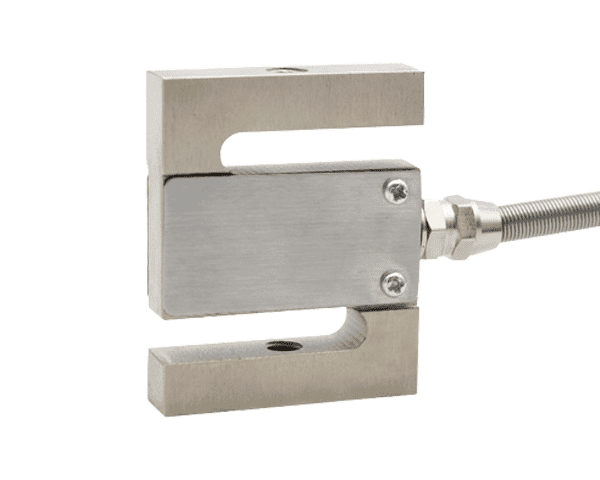
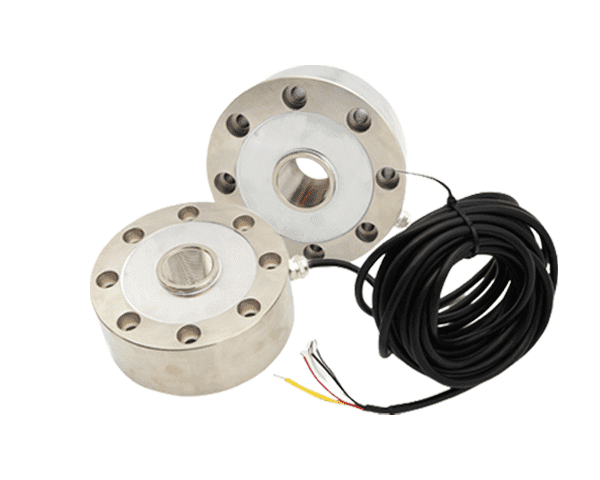
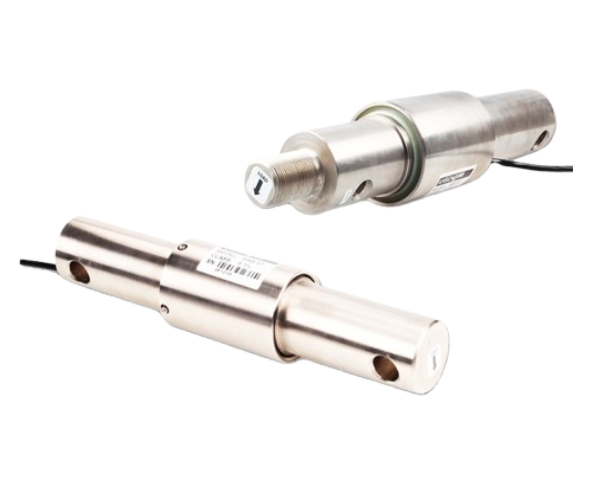
A load cell is a complete force-measuring device. It consists of:
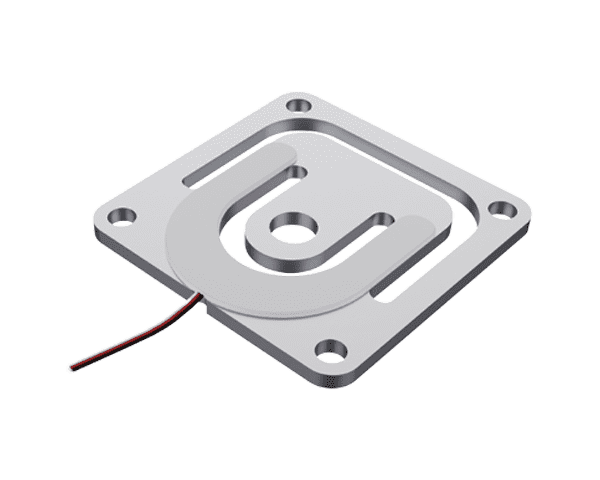
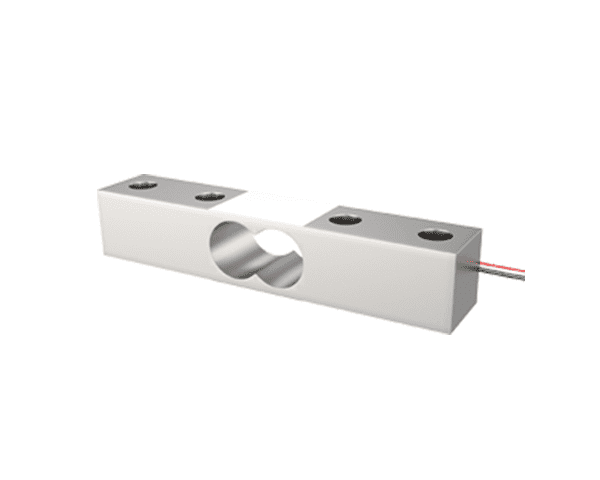
A structural body (spring element) made of metal (alloy steel, stainless steel, aluminum) that deforms predictably under load.
Strain gauges bonded to the body at strategic locations.
Internal wiring that forms a Wheatstone bridge.
Often temperature compensation and protective sealing.
⚖️ Key Characteristics:
Output: Standardized millivolt signal (e.g., 2 mV/V), or digital output (CAN, RS-485).
Packaging: Complete, rugged assembly ready for installation.
Function: Directly outputs a signal proportional to force/weight.
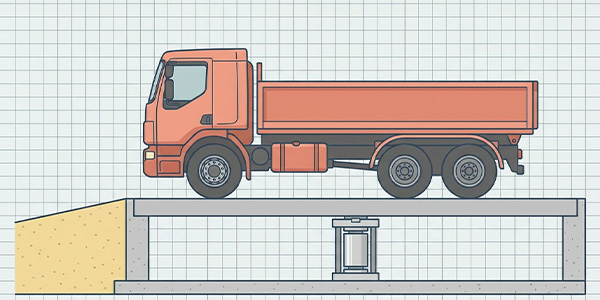
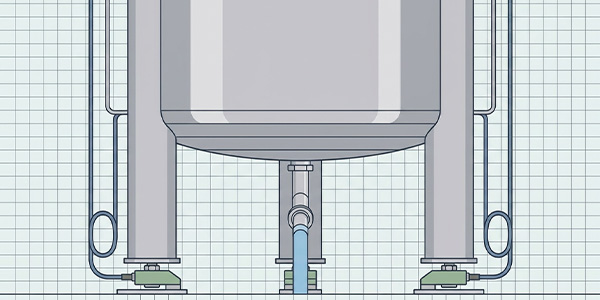
Applications: Industrial scales, tank weighing, test machines, force monitoring.
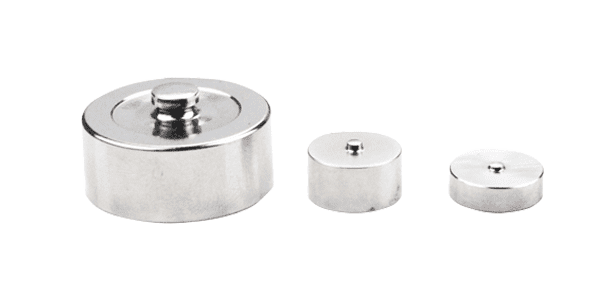
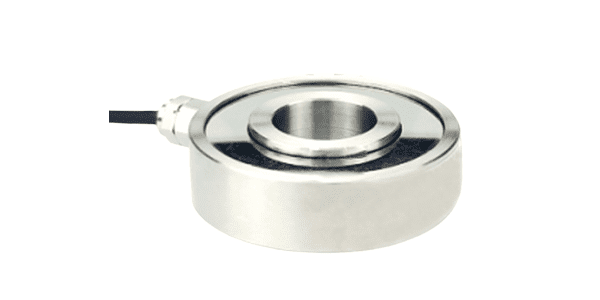
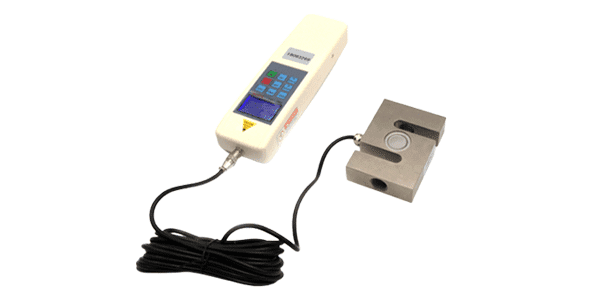
In short, a load cell is a complete transducer that integrates strain gauges, a mechanical structure, and signal conditioning into one package.
3. The Relationship: How They Work Together
Think of the relationship this way:
Strain Gauge = Component → Load Cell = System
A load cell cannot function without strain gauges. The strain gauges are the sensing elements inside the load cell. Conversely, a strain gauge by itself is just a tiny resistive sensor—it needs to be applied to a structure and wired into a bridge to become a usable force sensor.
🔧 Analogy: A strain gauge is like a thermometer probe; a load cell is like a complete digital thermometer with housing, display, and power supply. You can use the probe alone if you have the right instrumentation, but the complete thermometer is easier and more reliable for everyday use.
A bare strain gauge (single element) requires you to build this bridge externally. A load cell has the bridge already integrated, sealed, and calibrated.
7. Common Misconceptions
❌ Misconception 1: "Strain gauge and load cell are the same thing."
Reality: A strain gauge is a component; a load cell is a complete device that contains strain gauges.
❌ Misconception 2: "You can glue a strain gauge to anything and get a load cell."
Reality: Without a properly designed spring element, calibration, and temperature compensation, the output will not be accurate or repeatable.
❌ Misconception 3: "Load cells are just packaged strain gauges."
Reality: Load cells involve precise mechanical design, strain gauge placement, sealing, and calibration that cannot be replicated by simply potting a gauge.
8. Conclusion: Choosing the Right Solution
Strain gauges and load cells serve different purposes. If your goal is to perform experimental stress analysis, embed sensors into a structure, or develop a custom force sensor, a strain gauge (or a set of gauges) is the appropriate choice. If you need a reliable, accurate, ready-to-use force or weight measurement device for industrial applications, a load cell is the proven solution.
At Galoce, we offer both high-precision strain gauges for custom applications and a full range of load cells for industrial weighing and force measurement. Our engineering team can help you determine which solution best fits your requirements.
IP65, IP67 and IP68 are not levels on one scale. See the real IEC 60529 test conditions and learn which rating your humid, dusty or corrosive site needs.
Discover why GALOCE is the leading load cell manufacturer in China. Offering high-precision force sensors, 26-step quality audits, and global OEM/ODM engineering for US & UK industrial standards. Explore our brand guide.