
S-Type Load Cells: Ideal for Both Tension and Compression Measurements

TIME: 2026.01.29 AUTHOR: Carol Li NUMBER OF VIEWS 12
If you’ve ever worked in industrial manufacturing, agricultural equipment maintenance, or even a small-scale workshop, you’ve likely encountered the need to measure force—whether it’s the pull of a cable, the weight of a component, or the pressure of a hydraulic system. For decades, engineers and technicians have relied on load cells to get accurate, reliable force data, but not all load cells are created equal. Enter the S-type load cell: a versatile workhorse that excels at both tension (pulling) and compression (pushing) measurements, making it a go-to choice for countless applications worldwide. In this blog, we’ll break down what S-type load cells are, how they work, their key advantages, real-world use cases, and why they’re a smart investment for businesses looking to optimize their force measurement processes—plus, we’ll share tips to help you choose the right one for your needs.

What Is an S-Type Load Cell?

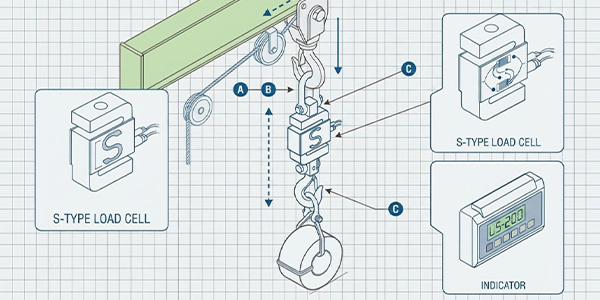
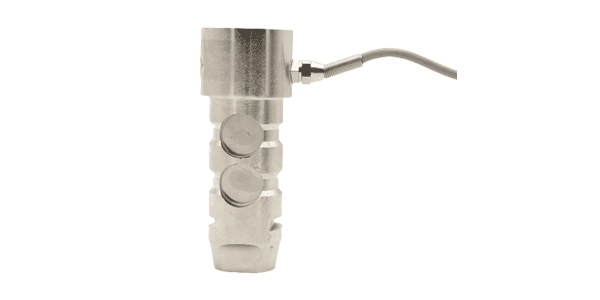
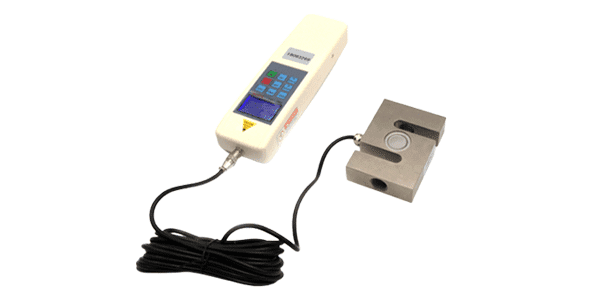
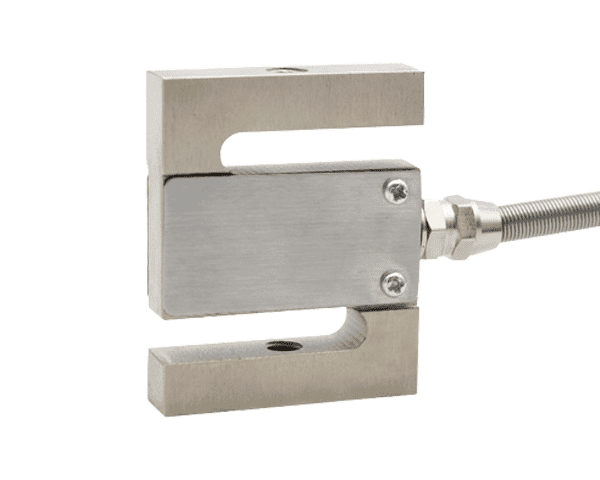
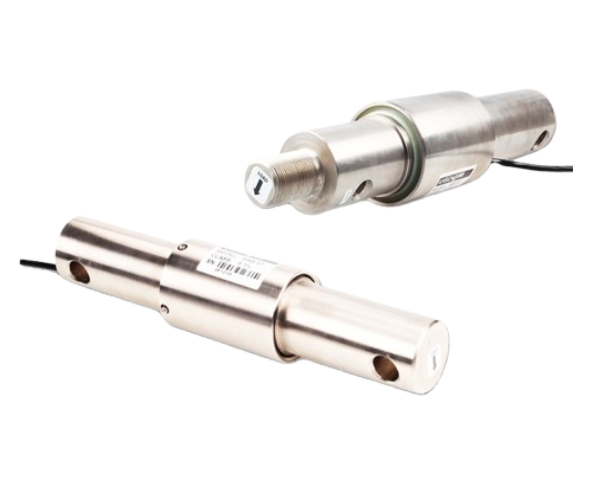
First, let’s start with the basics: a load cell is a transducer that converts force (like tension or compression) into an electrical signal that can be read and analyzed. The “S-type” name comes from its distinctive shape: a central body with two threaded ends, forming an “S” when viewed from the side. This design isn’t just for aesthetics—it’s engineered to handle both pulling and pushing forces without sacrificing accuracy, which sets it apart from single-purpose load cells (like beam load cells, which are often limited to compression).
S-type load cells are typically made from high-strength alloys like stainless steel or aluminum, which give them durability to withstand harsh conditions, including moisture, dust, and temperature fluctuations. The threaded ends are a critical feature: they allow easy attachment to hooks, cables, or mounting brackets, making installation quick and straightforward across a wide range of setups. Whether you’re measuring the tension in a crane cable in Houston, TX, or the compression force of a packaging machine in Berlin, Germany, the S-type load cell’s design adapts to your environment.

How Do S-Type Load Cells Work?

To understand why S-type load cells are so versatile, let’s dive into their inner workings. At the core of every S-type load cell is a strain gauge—a thin, flexible sensor that changes resistance when it’s stretched or compressed. Multiple strain gauges are bonded to the central “S” section of the load cell; when force is applied (either tension or compression), the S-shaped body deforms slightly (too small to see with the naked eye). This deformation stretches or compresses the strain gauges, altering their electrical resistance.
The strain gauges are connected in a Wheatstone bridge circuit, which amplifies the small resistance changes into a measurable electrical signal (usually millivolts). A load cell amplifier or indicator then converts this signal into a readable force value (like pounds, kilograms, or newtons). The genius of the S-type design is that the strain gauges are positioned to detect both tension and compression: when pulled, the top of the “S” compresses and the bottom stretches; when pushed, the opposite happens. Either way, the strain gauges capture the force accurately, ensuring consistent results no matter the direction.

Key Advantages of S-Type Load Cells

What makes S-type load cells stand out from other force measurement tools? Let’s explore their top benefits:

1. Dual-Purpose Versatility

The biggest advantage of S-type load cells is their ability to handle both tension and compression. For example, a manufacturing plant in Chicago might use the same S-type load cell to test the tension of a conveyor belt (to prevent over-stretching) and the compression of a hydraulic press (to ensure parts are molded correctly). This eliminates the need to buy and maintain two separate load cells, saving time and money.

2. High Accuracy and Precision

Accuracy is non-negotiable in force measurement—even a small error can lead to defective products, safety hazards, or wasted resources. S-type load cells deliver exceptional accuracy, often within ±0.1% to ±0.5% of their full-scale capacity. This precision is crucial for applications like quality control in aerospace manufacturing, where a 0.2% error in bolt tension could compromise a plane’s structural integrity.

3. Compact and Easy to Install

Unlike bulky load cells that require complex mounting setups, S-type load cells are compact and lightweight. Their threaded ends make installation a breeze: just screw them into the components you’re measuring (like a hook on a crane or a bracket on a testing machine) and connect them to a display or data logger. This simplicity is a huge plus for field technicians—for instance, a farm equipment repair service in Iowa can quickly attach an S-type load cell to a tractor’s hydraulic lift to test its compression force without needing specialized tools.

4. Durability for Harsh Environments

Many industrial applications expose load cells to tough conditions: moisture in food processing plants, dust in construction sites, or corrosive chemicals in marine settings. S-type load cells are often made from stainless steel, which is resistant to corrosion and rust, or aluminum, which is lightweight and ideal for dry environments. Some models even come with IP67 or IP68 ratings (meaning they’re dust-tight and waterproof), making them suitable for outdoor use—like a fishing boat in Alaska using an S-type load cell to measure the tension of a fishing net in saltwater.

5. Cost-Effective Long-Term Investment

While S-type load cells might have a slightly higher upfront cost than basic load cells, their durability and versatility make them a cost-effective choice over time. Since they can replace two single-purpose load cells, you’ll save on equipment costs, and their long lifespan (often 5–10 years with proper maintenance) means fewer replacements. For a small business in Manchester, UK, that tests both tension in textile threads and compression in fabric presses, an S-type load cell pays for itself in just a few months by reducing downtime and improving product quality.

Real-World Applications of S-Type Load Cells

S-type load cells are used in almost every industry you can think of—from agriculture to aerospace. Let’s look at some concrete examples to see how they solve real problems:

1. Industrial Manufacturing and Assembly

In manufacturing plants, S-type load cells are a staple for quality control. For example, a car parts factory in Detroit uses S-type load cells to test the tension of seatbelt buckles (ensuring they can withstand a 5,000-pound pull in a crash) and the compression of engine mounts (to make sure they absorb vibration properly). By using one load cell for both tests, the factory cuts down on equipment costs and speeds up its assembly line.

2. Agriculture and Farming

Farmers rely on S-type load cells to optimize their operations and prevent equipment damage. A wheat farm in Kansas uses an S-type load cell attached to its grain elevator’s hoist to measure the tension of the cable lifting grain buckets—if the tension is too high, the cable could snap, causing costly downtime. Meanwhile, a dairy farm in New Zealand uses an S-type load cell on its milking machine to measure the compression force of the teat cups, ensuring they apply enough pressure to extract milk without hurting the cows.

3. Construction and Lifting Equipment

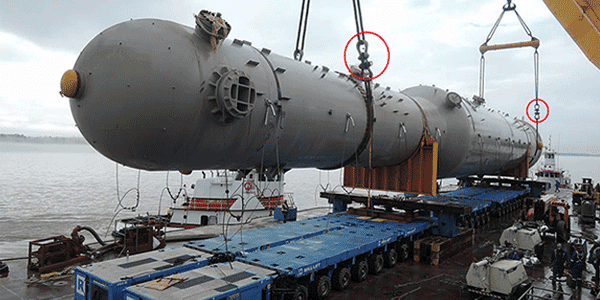
Construction sites are chaotic, and safety is paramount. S-type load cells are used to test the tension of crane cables and the compression of concrete forms. For example, a construction company in Dubai uses an S-type load cell to calibrate its tower cranes: they attach the load cell to the crane’s hook, lift a known weight (like a 10-ton concrete block), and verify that the crane’s load indicator is accurate. This prevents overloading, which is a leading cause of crane accidents worldwide.

4. Food Processing and Packaging

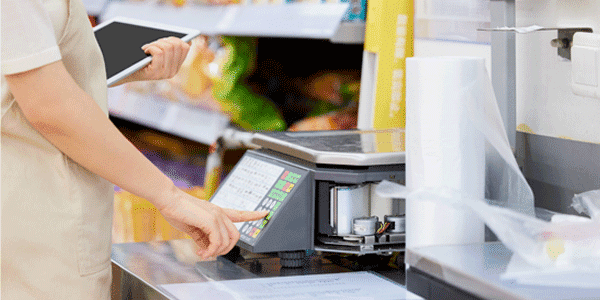
Food processing plants need load cells that are easy to clean and resistant to moisture—and S-type load cells fit the bill. A bakery in Paris uses an S-type load cell to measure the compression force of its dough mixers (ensuring the dough is kneaded evenly without being overworked) and the tension of its packaging film (to prevent it from tearing when wrapping loaves of bread). Since the load cell is made from stainless steel, it can be washed down with sanitizers without rusting, complying with strict food safety regulations.

5. Aerospace and Defense

Aerospace is an industry where precision is life-or-death. An aerospace manufacturer in Toulouse, France, uses S-type load cells to test the tension of aircraft wing bolts (which must withstand extreme wind forces during flight) and the compression of landing gear components (to ensure they can support the plane’s weight on takeoff and landing). The load cell’s ±0.1% accuracy gives engineers confidence that every part meets safety standards.

6. Marine and Offshore

Marine environments are harsh—saltwater, humidity, and constant movement can destroy low-quality load cells. An offshore oil rig in the Gulf of Mexico uses S-type load cells with IP68 ratings to measure the tension of mooring lines (keeping the rig anchored in place during storms) and the compression of pipeline supports (to prevent leaks). The stainless steel construction resists saltwater corrosion, ensuring the load cells work reliably for years.

How to Choose the Right S-Type Load Cell for Your Needs

With so many S-type load cells on the market, it’s important to pick one that matches your application’s requirements. Here are the key factors to consider:

1. Capacity

First, determine the maximum force your load cell will need to measure. S-type load cells come in capacities ranging from 50 pounds to 100 tons—choosing a capacity that’s too low will damage the load cell, while choosing one that’s too high will reduce accuracy. For example, if you’re measuring the tension of a 2,000-pound cable, a 5,000-pound capacity load cell is a safe bet (it gives you a buffer without sacrificing precision).

2. Accuracy and Precision

As we mentioned earlier, accuracy is measured as a percentage of full-scale capacity. For high-stakes applications like aerospace, opt for a load cell with ±0.1% accuracy. For less critical applications like farm equipment testing, ±0.5% is sufficient.

3. Material

Choose a material based on your environment:
Stainless steel: Best for wet, corrosive environments (food processing, marine, chemical plants).
Aluminum: Lightweight and cost-effective for dry, low-corrosion environments (workshops, textile manufacturing).

4. Environmental Protection (IP Rating)

IP ratings indicate how well a load cell resists dust and water. For outdoor or wet applications, look for IP67 (dust-tight, waterproof up to 1 meter) or IP68 (dust-tight, waterproof for prolonged immersion). For dry indoor use, IP65 (dust-tight, resistant to low-pressure water jets) is enough.

5. Output Signal

Load cells produce different output signals:
Analog (mV/V): The most common type—requires an amplifier to convert the signal to a readable value.
Digital (RS485, USB): Sends data directly to computers or PLCs, making it easy to integrate with automation systems. Digital load cells are great for smart factories in Tokyo or Berlin that use Industry 4.0 technology.

6. Calibration

All load cells need calibration to ensure accuracy over time. Look for a load cell that comes pre-calibrated from the manufacturer, and check if they offer calibration services locally—this is especially important for businesses in regions like Australia or Brazil, where shipping load cells overseas for calibration can be costly and time-consuming.

Maintenance Tips to Extend Your S-Type Load Cell’s Lifespan

To get the most out of your S-type load cell, follow these simple maintenance tips:
Avoid overloading: Never exceed the load cell’s rated capacity—this is the number one cause of damage.
Keep it clean: Wipe down stainless steel load cells with a damp cloth to remove dust or debris; for aluminum load cells, use a dry cloth to prevent corrosion.
Check connections: Inspect the cables and connectors regularly for damage (like fraying or corrosion) and replace them if needed. Loose connections can cause inaccurate readings.
Calibrate regularly: Most manufacturers recommend calibrating load cells every 6–12 months, depending on usage. For high-frequency applications (like a factory testing 100 parts per hour), calibrate every 3 months.
Store properly: If you’re not using the load cell, store it in a dry, cool place away from direct sunlight or extreme temperatures.

Conclusion

S-type load cells are more than just a force measurement tool—they’re a versatile, reliable solution that can streamline your operations, improve product quality, and enhance safety. Whether you’re a small farm in Iowa, a large aerospace factory in France, or a marine rig in the Gulf of Mexico, an S-type load cell can handle both tension and compression measurements with accuracy and ease. By understanding your application’s needs (capacity, environment, accuracy) and choosing the right load cell, you can make a smart investment that pays off for years to come.
If you’re ready to upgrade your force measurement process, start by researching local suppliers—look for companies that offer pre-calibrated load cells, installation support, and local calibration services. With the right S-type load cell, you’ll get the data you need to make informed decisions, reduce downtime, and stay ahead of the competition.
Have you used an S-type load cell in your business? Share your experience in the comments below—we’d love to hear how it’s helped you! And if you have any questions about choosing or maintaining an S-type load cell, feel free to reach out—we’re here to help.

HOT keyword:
Recommend View More
TIME 2026.01.29

S-Type Load Cells: Ideal for Both Tension and Compression Measurements

S-Type load cells handle both tension and compression with high accuracy. They are versatile, durable, and easy to install for various industrial applications.

TIME 2026.01.29

Load Cell Materials: Stainless Steel vs. Alloy Steel for Different Environments

Choose alloy steel for cost in dry environments, but select 17-4PH or 316L stainless steel for corrosive conditions to ensure decades of reliable weighing performance.

TIME 2026.01.28

Choosing the Right Load Cell Capacity and Size: A Step-by-Step Selection Guide

Learn how to choose the right load cell for accuracy, safety and longevity. Calculate capacity, select type and meet regional standards in six steps.

029-81292510

info@galoce.com

Rm. 1208, Building B, Huixin IBC, No. 1 Zhang Bayi Road, High-tech Zone, Xi'an, Shaanxi, China

Copyright © Xi'an Gavin Electronic Technology Co., Ltd Site Map

Message Form