How Vending Machines Use Load Cells for Intelligent Inventory Management
TIME: 2026.03.28AUTHOR: Carol LiNUMBER OF VIEWS 829
How Vending Machines Use Load Cells for Inventory Management | Galoce Guide
Published on: | Author: Galoce Smart Retail Technology Team
The vending machine industry has evolved far beyond simple coin-operated dispensers. Today's smart vending machines are sophisticated IoT-enabled retail endpoints, and at the heart of this transformation are load cells. These precision weight sensors enable real-time inventory tracking, automatic stock alerts, theft detection, and data-driven restocking. This guide explores how load cell technology is revolutionizing vending machine operations and inventory management.
1. The Challenge of Traditional Vending Inventory
Traditional vending machines relied on mechanical switches, infrared beams, or simple coil rotations to detect product dispensing. These methods had significant limitations:
No real-time visibility: Operators had no idea which products were sold until they visited the machine.
Stockouts and lost sales: Popular items would run out, frustrating customers and reducing revenue.
Inefficient restocking: Routes were planned based on schedules, not actual demand.
Undetected theft or jams: Mechanical failures or tampering went unnoticed until the next service visit.
📊 The Cost of Inefficiency: Studies show that traditional vending machines can lose up to 15-20% of potential revenue due to stockouts and inefficient restocking cycles. Load cell technology directly addresses these pain points.
2. How Load Cells Work in Vending Machines
In a load cell-enabled vending machine, precision weight sensors are strategically placed to monitor product levels continuously.
Core Operating Principle:
📐 Inventory Count = Total Weight ÷ Unit Product Weight
The system works through these steps:
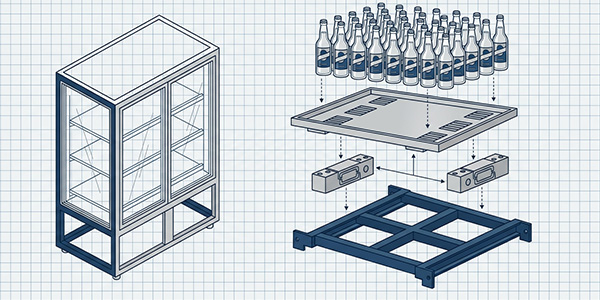
Continuous Weight Monitoring: Each shelf, tray, or individual product slot sits on one or more load cells that constantly measure the combined weight of all products.
Baseline Calibration: The system is programmed with the exact weight of each product type (e.g., a 50g snack bar or a 500ml water bottle).
Real-Time Subtraction: When a customer purchases an item, the load cell detects the weight decrease and automatically deducts one unit from inventory count.
Multi-Product Intelligence: Advanced systems can distinguish between different products on the same shelf by their unique weights, enabling mixed inventory tracking without physical dividers.
Data Transmission: Inventory data is transmitted via cellular, Wi-Fi, or Bluetooth to a central management platform.
💡 Precision Tip: High-quality load cells with 0.02% accuracy can reliably distinguish between products with as little as 5-10g weight difference, enabling accurate tracking of similar-sized items.
3. System Architecture: From Sensor to Cloud
A modern load cell-based vending system consists of several integrated components:
Component
Function
Load Cells
Mounted under each shelf/tray; measure total weight continuously.
Transmits data via 4G/5G, Wi-Fi, or LoRa to cloud servers.
Cloud Platform
Aggregates data from all machines; provides dashboard, alerts, and analytics.
Operator Interface
Mobile app or web dashboard for real-time inventory views and restocking alerts.
🔧 Typical Data Flow: Weight change detected → MCU calculates inventory → Data packet sent every 5-15 minutes → Cloud updates dashboard → Operator receives restock alert when threshold reached.
4. Key Benefits for Operators
📊 Real-Time Stock Visibility
Know exactly how many items remain in every machine, at any time. Eliminate guesswork and make data-driven decisions.
🚚 Optimized Restocking Routes
Route planning based on actual inventory levels rather than fixed schedules. Reduce fuel costs and labor hours by up to 30%.
🛡️ Theft & Malfunction Detection
Unexpected weight changes trigger alerts for potential theft, product jams, or mechanical failures. Respond quickly to issues.
📈 Sales Data Accuracy
Weight-based tracking provides 100% accurate sales data, eliminating discrepancies between cash and inventory.
⏱️ Reduced Stockouts
Automatic alerts when products reach minimum thresholds ensure popular items are always available.
📉 Reduced Shrinkage
Precise tracking minimizes losses from unrecorded sales or inventory discrepancies.
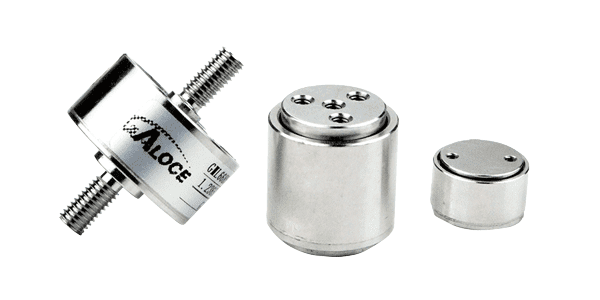
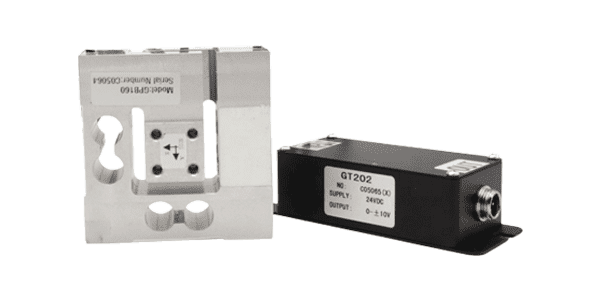
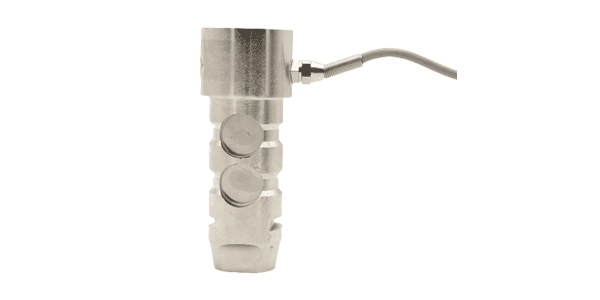
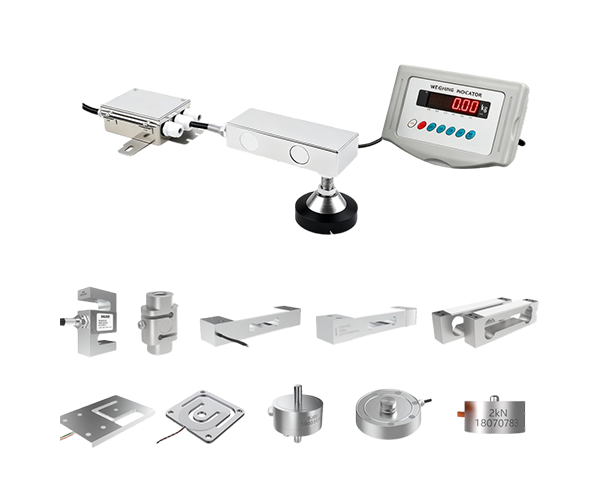
5. Types of Load Cells Used in Vending
Different vending applications require different load cell configurations:
Load Cell Type
Typical Application
Advantages
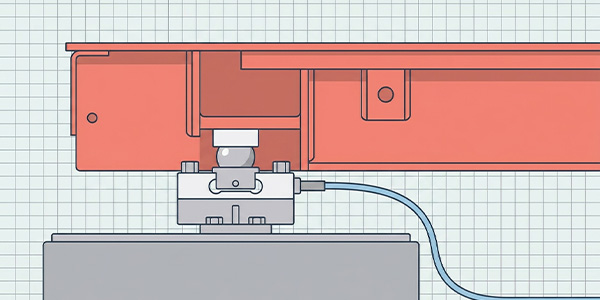
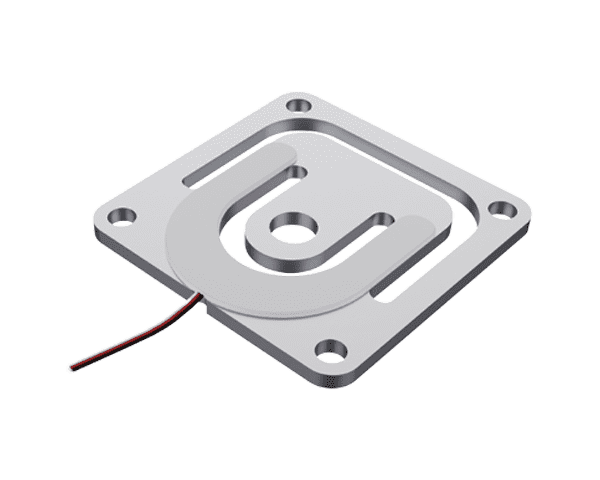
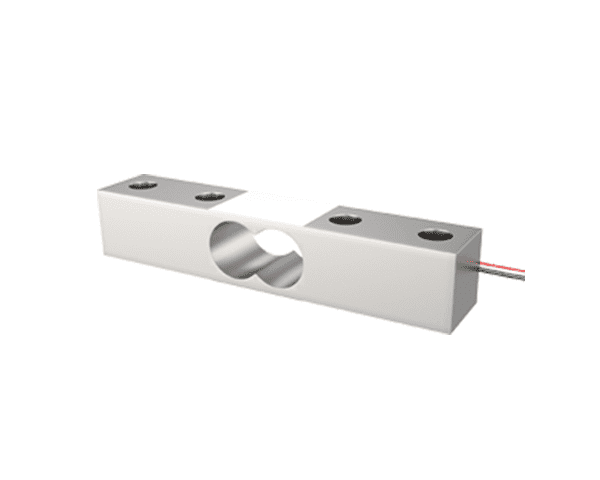
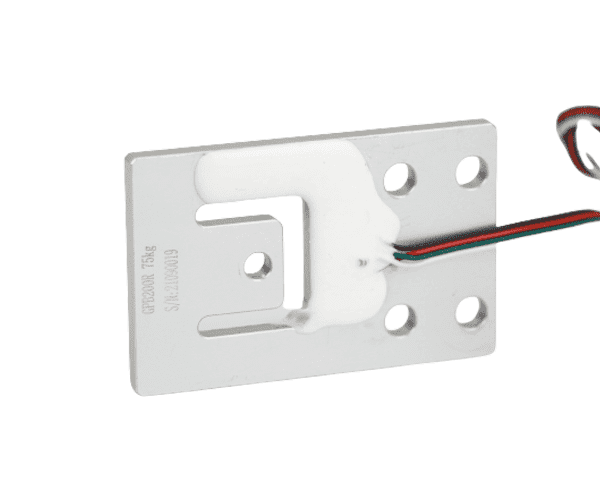
Single-Point Load Cell
Small shelves, snack trays
Compact, cost-effective, handles off-center loads well
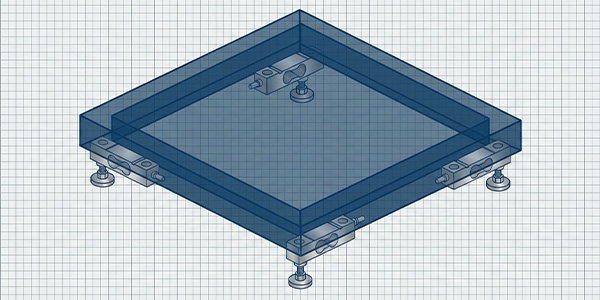
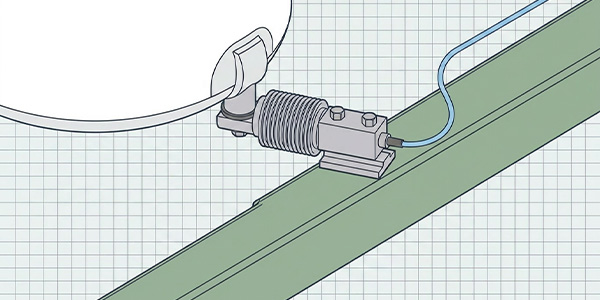
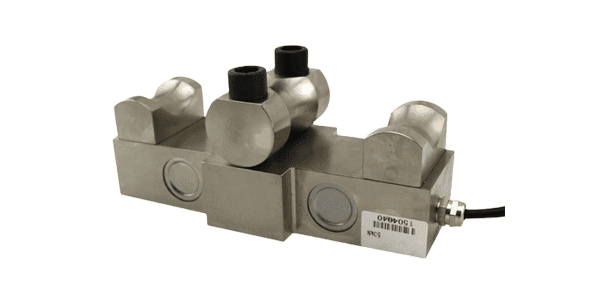
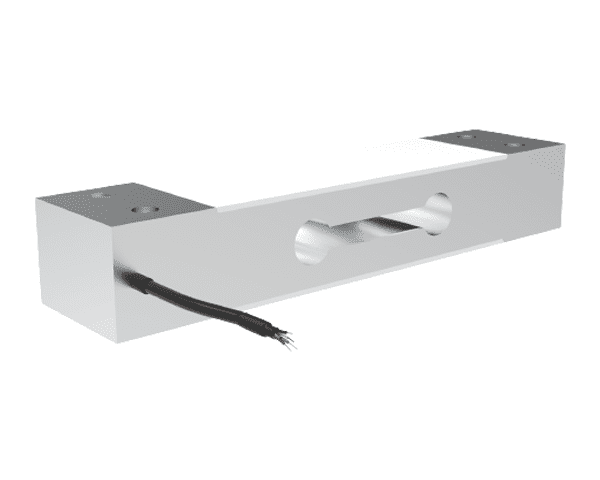
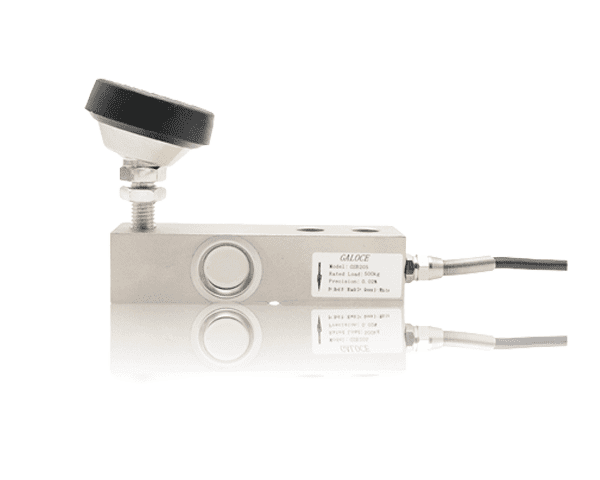
Shear Beam Load Cell
Heavy beverage shelves, refrigerated units
Durable, high capacity, excellent side-load rejection
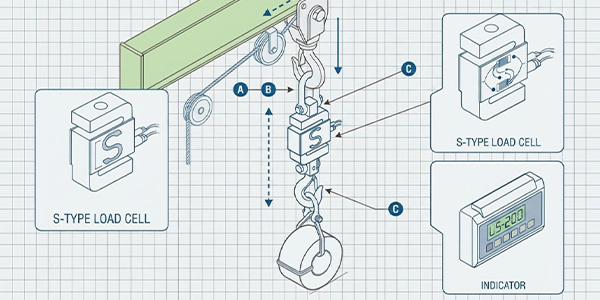
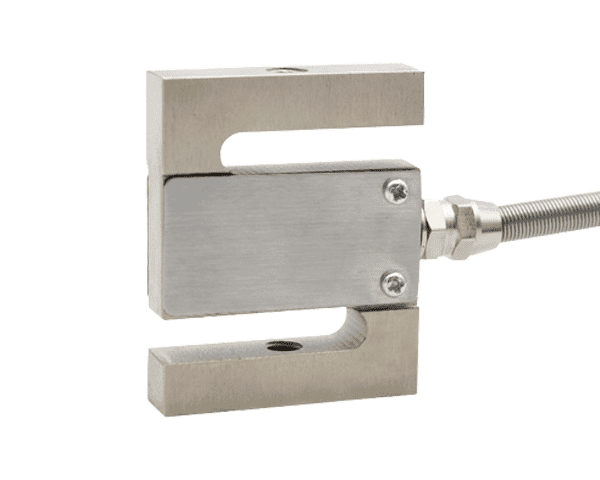
S-Type Load Cell
Suspended product baskets, spiral dispensers
Measures tension, ideal for hanging product assemblies
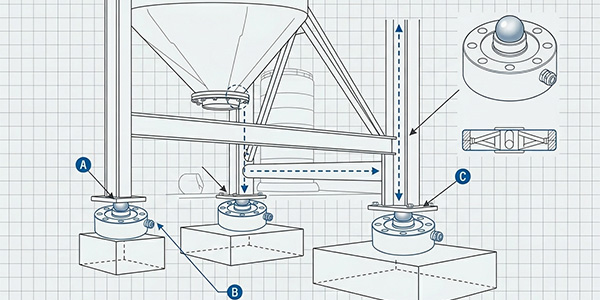
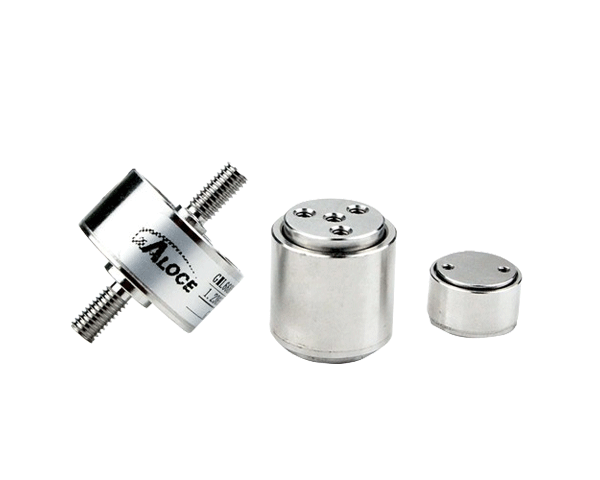
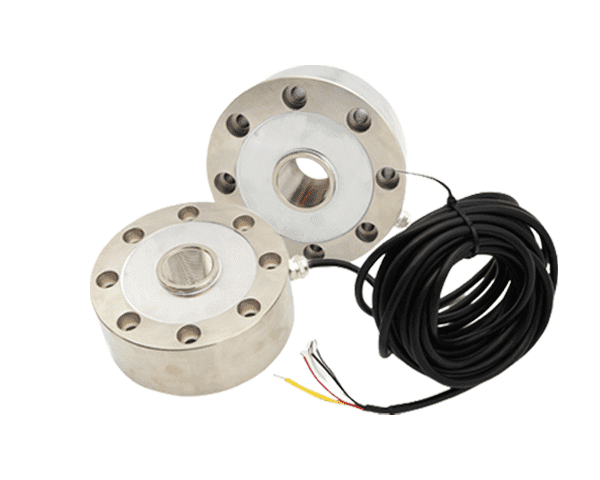
Compression Load Cell
Platform-style bases, floor-standing units
Robust, high capacity for large vending machines
⚙️ Capacity Selection: Choose load cell capacity based on maximum shelf weight + safety margin (typically 1.5× max load). Common vending load cell capacities range from 1kg to 20kg per shelf.
6. Real-World Applications
Load cell-enabled vending is transforming multiple sectors:
🍱 Fresh Food Vending: Perishable items like salads, sandwiches, and yogurt require strict stock rotation. Load cells track sell-through rates, enabling dynamic pricing for near-expiration items and reducing food waste.
📱 Electronics & High-Value Items: For headphones, phone chargers, and portable batteries, accurate inventory is critical. Weight-based tracking provides theft detection and precise stock control.
💊 Pharmaceutical Vending: Hospitals and clinics use load cell vending for OTC medications and medical supplies, ensuring compliance with strict inventory regulations.
🍬 Bulk Snack Machines: Where customers dispense variable quantities, load cells enable pay-by-weight billing, ensuring accurate charges for the exact amount taken.
☕ Office Coffee & Pantry: Tracking consumption of coffee pods, snacks, and drinks automates restocking and simplifies employee billing.
7. Implementation Considerations
Sensor Accuracy: Choose load cells with appropriate accuracy (typically 0.02-0.05% FS) for reliable product discrimination.
Temperature Stability: Refrigerated units require load cells with good temperature compensation to maintain accuracy across temperature ranges.
Power Management: Design for low power consumption to ensure continuous monitoring without excessive battery drain.
Calibration: Implement user-friendly calibration procedures for initial setup and periodic verification.
Vibration Immunity: Select sensors with appropriate filtering to ignore vibrations from compressors or foot traffic.
Connectivity: Choose reliable telemetry (4G/LTE preferred for standalone units; Wi-Fi for networked installations).
8. Future Trends: AI and Predictive Analytics
The next generation of load cell-enabled vending will leverage artificial intelligence and predictive analytics:
Predictive Restocking: AI algorithms analyze historical sales patterns, seasonality, weather, and local events to predict optimal restocking schedules.
Dynamic Pricing: Machines automatically adjust prices based on expiration dates (for fresh food) or time of day to maximize sales and reduce waste.
Supply Chain Integration: Inventory data automatically triggers orders with distributors, creating a seamless supply chain from machine to warehouse.
Customer Engagement: Mobile apps showing real-time product availability before customers approach the machine.
Multi-Sensor Fusion: Combining weight data with cameras and sensors for even greater accuracy in mixed-product environments.
📊 Projected Impact: Industry analysts predict that AI-driven vending inventory management can reduce operating costs by 25-35% while increasing revenue by 15-20% through reduced stockouts and optimized product mix.
9. Conclusion: The Smart Vending Revolution
Load cell technology has fundamentally transformed vending machines from simple dispensing devices into intelligent retail endpoints. By providing accurate, real-time inventory data, these sensors enable operators to reduce costs, eliminate stockouts, prevent theft, and deliver superior customer service.
The business case is compelling: reduced labor costs from optimized restocking, increased revenue from fewer lost sales, and valuable data insights that inform product selection and pricing strategies. As IoT connectivity and AI analytics continue to advance, the role of load cells in vending will only become more central.
At Galoce, we specialize in precision load cells designed specifically for the unique demands of vending applications—compact form factors, temperature stability, and long-term reliability. Contact our smart retail team to learn how we can help you build smarter vending solutions.
IP65, IP67 and IP68 are not levels on one scale. See the real IEC 60529 test conditions and learn which rating your humid, dusty or corrosive site needs.
Discover why GALOCE is the leading load cell manufacturer in China. Offering high-precision force sensors, 26-step quality audits, and global OEM/ODM engineering for US & UK industrial standards. Explore our brand guide.