Mastering Load Cell Capacity & Sizing: The Complete Technical Guide
Selecting the correct load cell is critical for accuracy, safety, and longevity of your weighing system. Choose a capacity too small, and you'll overload the sensor; choose one too large, and you sacrifice precision. In this 2000-word guide, you will walk through calculating the perfect load cell capacity, determining the right physical dimensions, and meeting region-specific requirements—ensuring your system remains high-precision for years to come.
1. Why Load Cell Selection Matters
A load cell is the heart of any weighing application. An undersized load cell risks catastrophic failure and safety hazards. An oversized load cell results in poor resolution and inaccurate readings, especially in the lower range of measurement. Understanding how to calculate load cell capacity ensures optimal performance and extends equipment life by 5-10 years.
Key factors affecting selection include: maximum working load, dynamic forces, environmental conditions, installation space constraints, and regional certification requirements (NTEP for USA, OIML for Europe, CCC for China).
2. Step 1: Calculate Your Maximum Working Load
Start by determining the maximum weight your system will measure. This isn't just the product weight—you must include:
-
Net Product Weight: The actual material being weighed (e.g., 500kg of fertilizer)
-
Tare Weight: Container, hopper, or platform weight (e.g., 150kg hopper)
-
Dynamic Load Factor: Impact forces during loading (typically adds 20-50%)
3. Step 2: Choose the Right Load Cell Type by Capacity
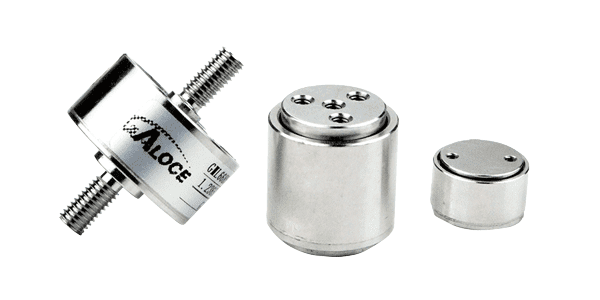
Low Capacity
(0.1kg - 50kg)
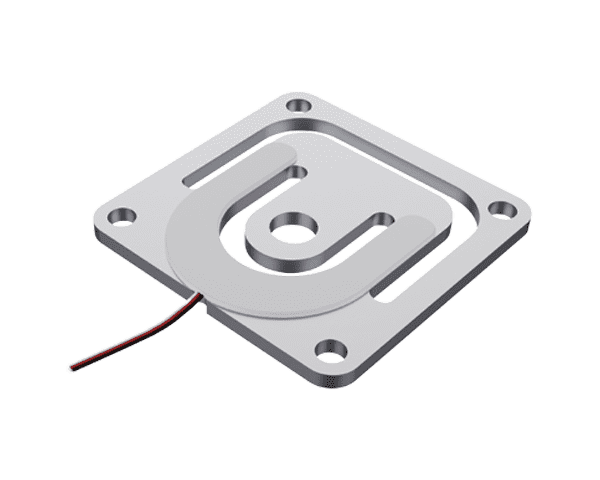
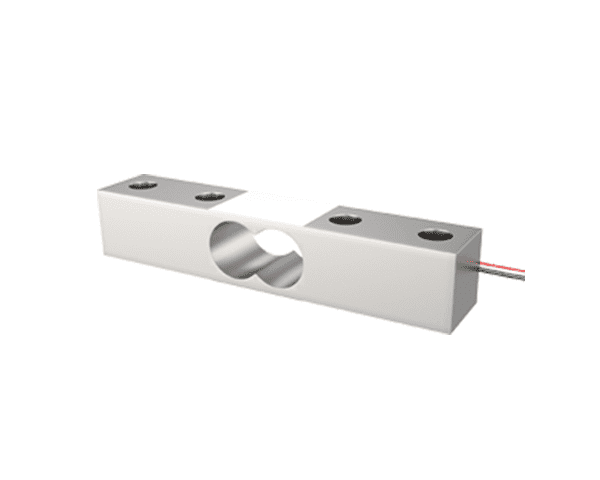
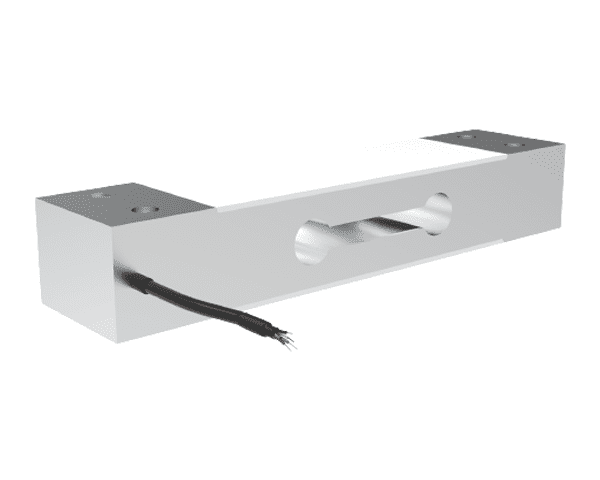
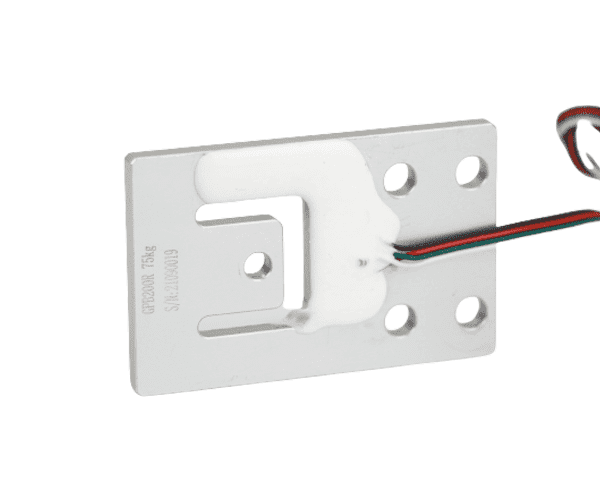
Types: Single point, bending beam.
Applications: Packaging machines, balances.
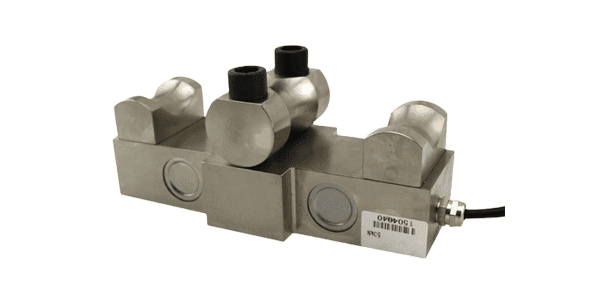
Medium Capacity
(50kg - 5,000kg)
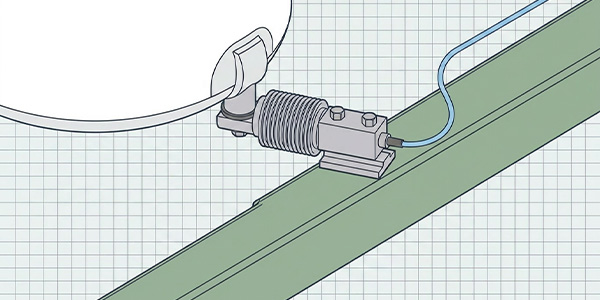
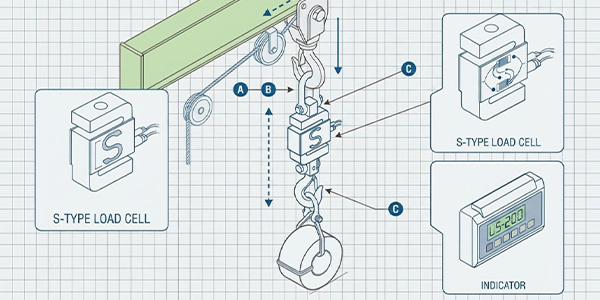
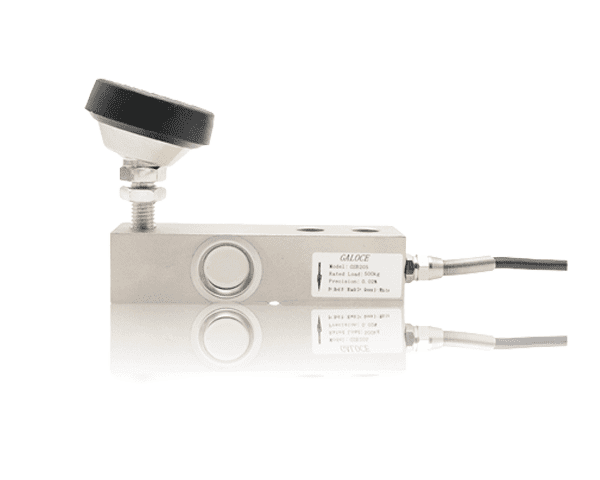
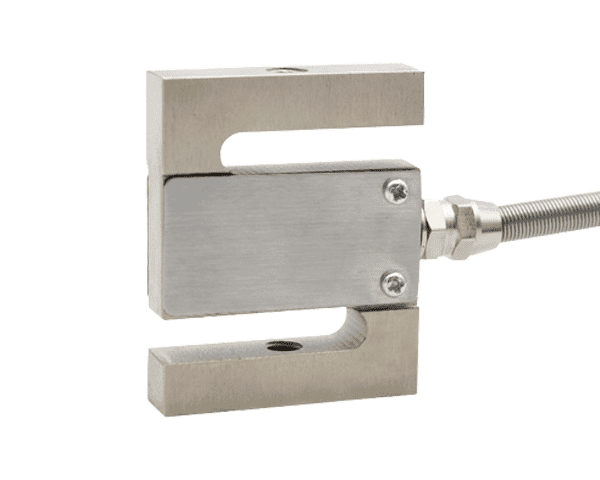
Types: Shear beam, S-type.
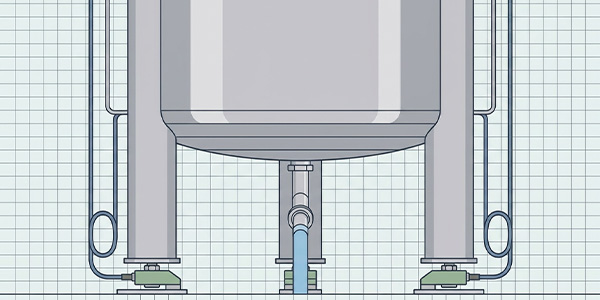
Applications: Pallet scales, tank weighing.
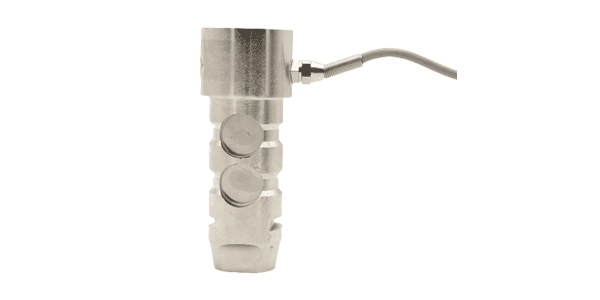
Heavy Capacity
(5,000kg - 100t+)
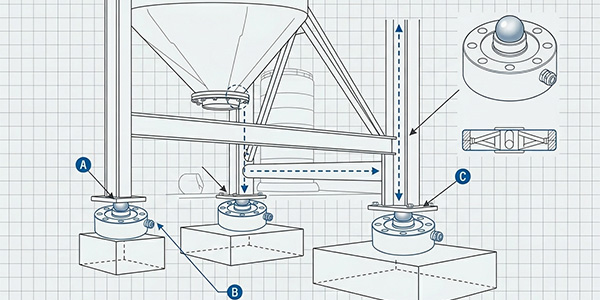
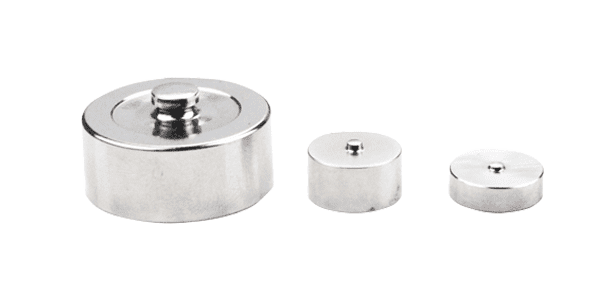
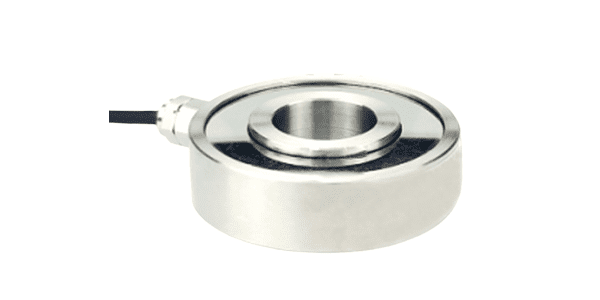
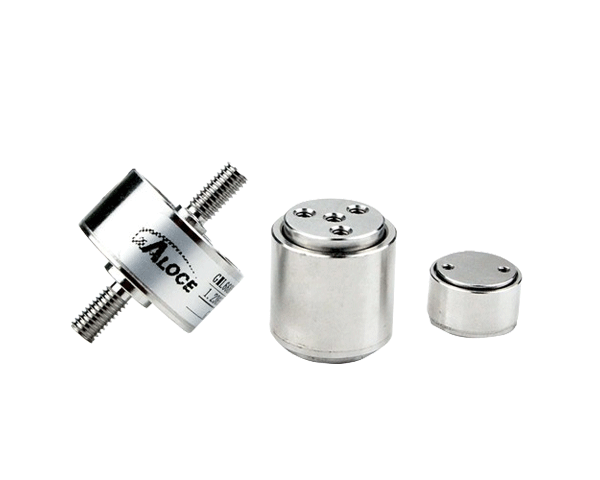
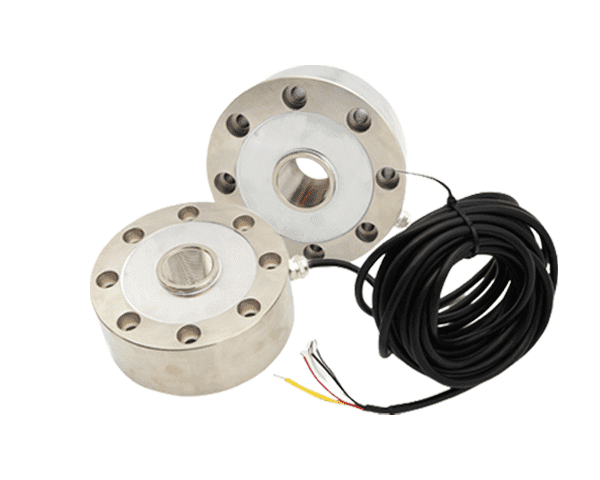
Types: Canister, Ring torsion.
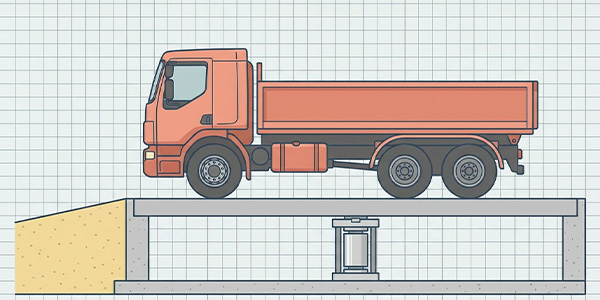
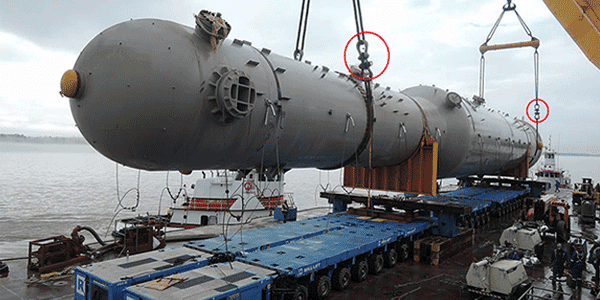
Applications: Truck scales, weighbridges.
4. Step 3: Determine Physical Size and Mounting Constraints
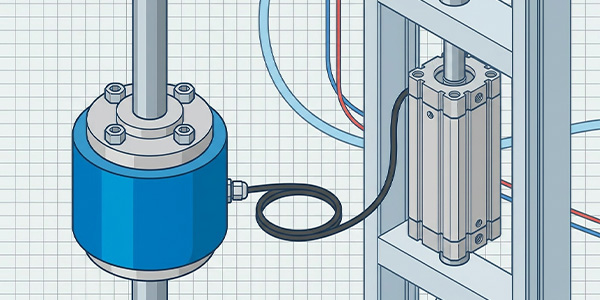
Load cell dimensions must fit your mechanical structure without compromising strength. Critical dimensions to measure include Overall Length/Width, Mounting Hole Pattern (bolt circle diameter), Height (critical for height-restricted installations), and Cable Entry (side vs. bottom entry affects waterproofing).
5. Step 4: Account for Environmental and Regional Factors (GEO)
Your geographic location dictates specific load cell requirements. Below are the technical considerations for global regions:
Nordic Region (SE, NO, FI)
Challenge: -40°C temperatures, ice loading.
Logic: Add 15% capacity for ice accumulation. Use 17-4PH stainless steel to prevent road salt corrosion.
Southeast Asia (TH, VN, ID)
Challenge: 90% humidity, monsoon rains.
Logic: Account for moisture weight (+2-5%). IP68/IP69K stainless steel is mandatory for rice mills.
Middle East (UAE, SA, QA)
Challenge: 50°C+ heat and sandstorms.
Logic: Sensors lose 10% capacity at 100°C. Use sand-resistant glands and high-temperature alloy steel.
North America (US, CA)
Challenge: Wide swings (-30 to +40°C), NEMA standards.
Logic: NTEP certification is mandatory for legal trade. Unit consistency (lb vs kg) is critical.
6. Step 5: Select Output Signal and Electronics Compatibility
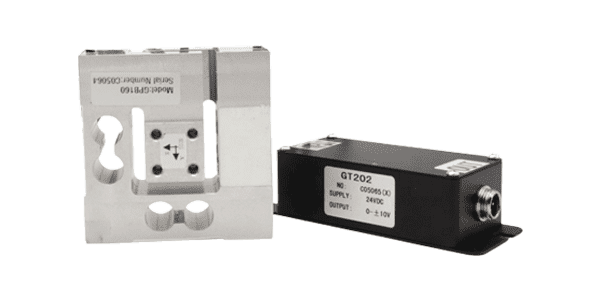
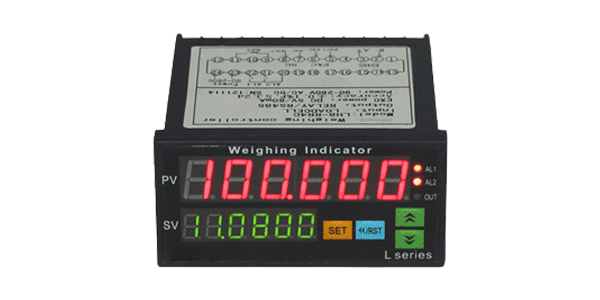
Your load cell output must match your indicator or PLC: mV/V Analog (Standard 2mV/V or 3mV/V), 4-20mA (Better for noisy industrial environments), and Digital (RS-485, CANbus) (Essential for modern multi-cell truck scales).
7. Step 6: Verify Legal and Trade Requirements
If used for commercial transactions, your load cell must meet local metrology laws: OIML Class C3 (Europe/Asia standard) or NTEP Class III (USA standard).
8. Common Selection Mistakes to Avoid
Common errors include ignoring side loads (reduces effective capacity by 20-30%), using the wrong material for corrosive coastal environments, and underestimating shock loads (dropping materials onto scales can create impact forces 3-5x the static weight).
9. Load Cell Sizing Checklist by Industry
-
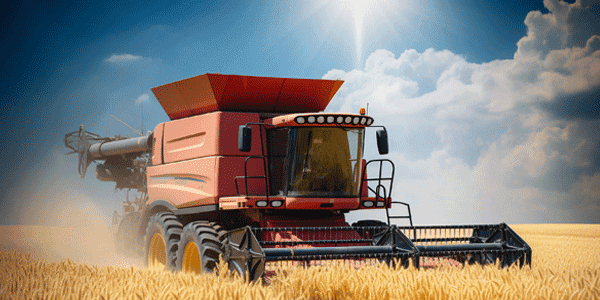
Agriculture: Grain silos need bird-proof cable entry; Feed bins need IP67 minimum.
-
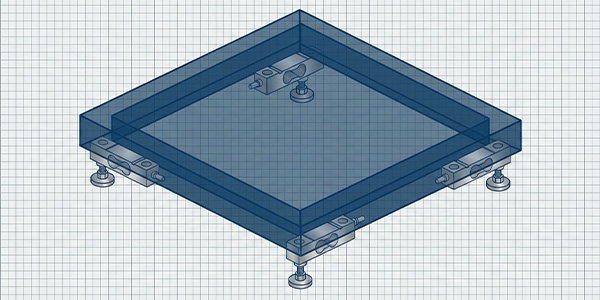
Manufacturing: Mixing tanks require 4-cell configuration with a 2:1 safety factor.
-
Transportation: Truck scales need 30-45t digital cells with lightning protection.
10. Technical FAQ: Expert Selection Center
How do I choose the right sensor among so many models?
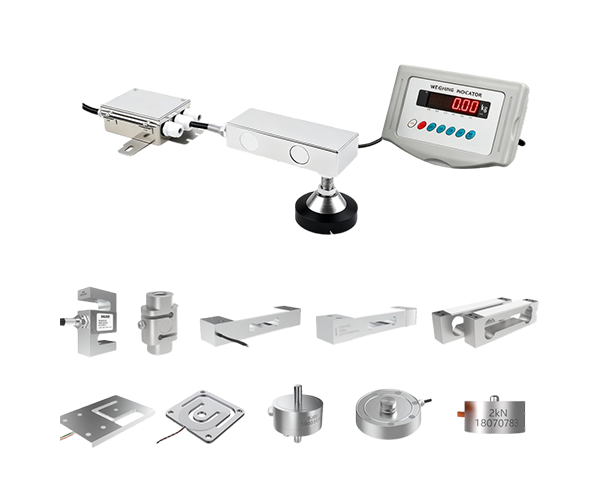
It depends on your structure. We offer a full matrix (Micro, S-type, Beam, Single Point) covering 1kg to 100t. Simply tell us your rated load and application, and we will provide the exact model.
Can you provide a complete system instead of just separate parts?
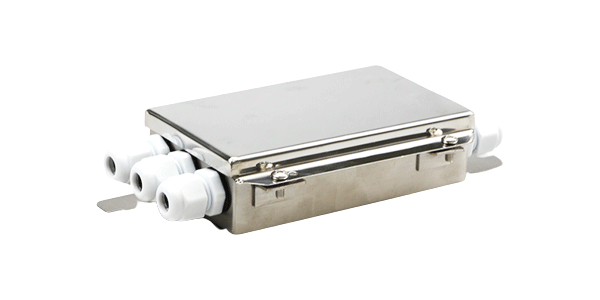
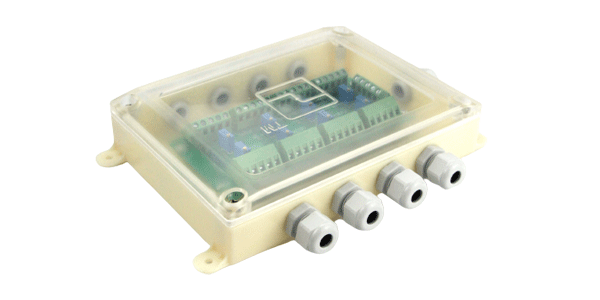
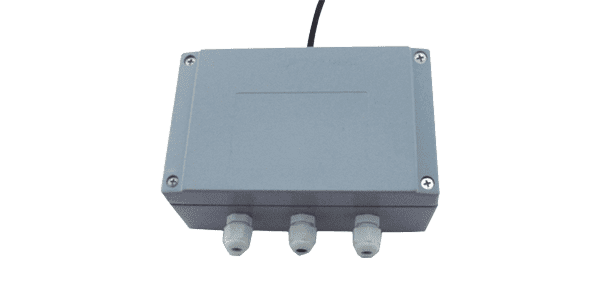
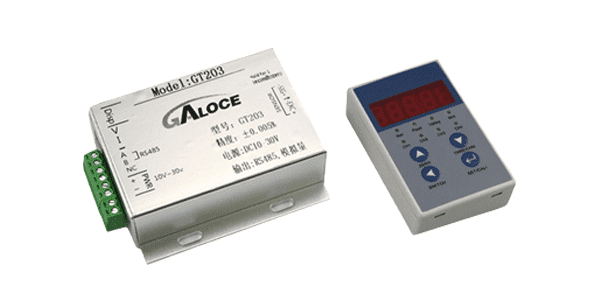
Yes. We specialize in system integration, providing a pre-calibrated kit of sensors, junction boxes, and indicators for a "plug-and-play" experience.
How do you ensure the precision and reliability of the sensors?
Every sensor undergoes 1:1 full-scale calibration and advanced temperature compensation, ensuring high accuracy (<±0.02% F.S.) and long-term stability.
Is your equipment suitable for harsh, corrosive, or wet environments?
Absolutely. We offer IP68 laser-welded stainless steel models specifically engineered for chemical, food processing, and outdoor industrial sites.
Can your sensors replace my current ones from other brands?
Yes. Our sensors follow international standard dimensions. Provide us with your current model or drawing, and we will offer a 100% compatible Galoce equivalent.
Do you support OEM/ODM or customized requirements?
Yes, we provide deep customization. This includes custom cable lengths, specialized connectors, specific capacity ranges, and private labeling to match your brand.
What certifications and technical support do you provide?
We are ISO 9001 certified with CE, RoHS, and REACH compliance. Our engineers offer free technical guidance from wiring diagrams to on-site troubleshooting.
Ready to Source the Correct Load Cell?
Selection is as important as installation. Whether you need C3 precision, extreme IP68 protection, or custom capacities up to 100t, GALOCE technical engineers are here to support your global project.