Published on: | Author: Galoce Logistics Weighing Team
In the fast-paced world of logistics, efficiency, compliance, and cost control are paramount. Portable truck scales—also known as axle scales or wheel load weighers—have emerged as essential tools for fleet operators, enforcement agencies, and cargo handlers. Unlike traditional pit-mounted scales, portable systems offer unmatched flexibility, enabling on-site weight checks anywhere, anytime. This guide explores how axle weighing technology works, its benefits, key selection criteria, and real-world applications that optimize logistics operations.
1. What Are Portable Truck Scales?
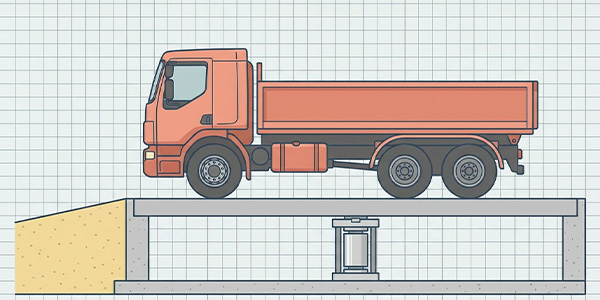
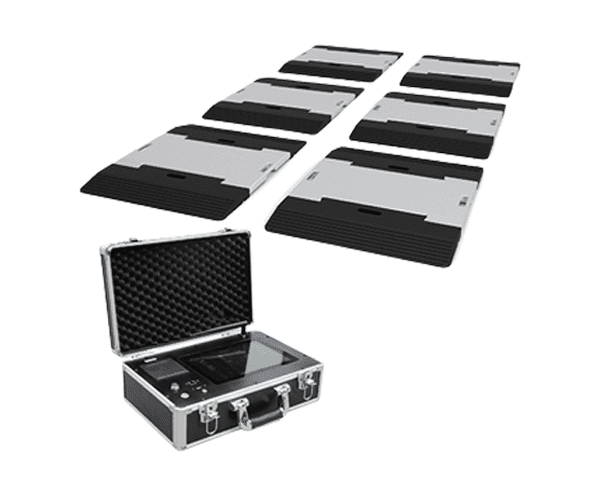
A portable truck scale (or axle scale) is a mobile weighing system designed to measure the weight of individual axles or wheel groups of a vehicle. Unlike permanent in-ground scales, these systems can be transported, set up, and operated at virtually any location—from loading docks to roadside inspection sites.
🔧 Core Components:
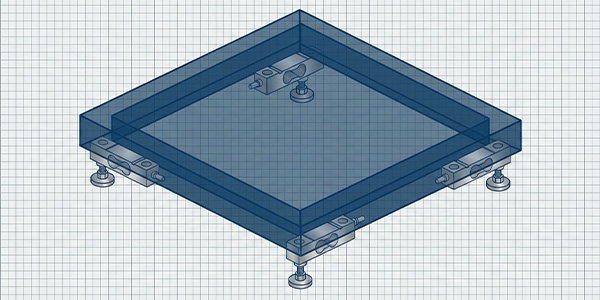
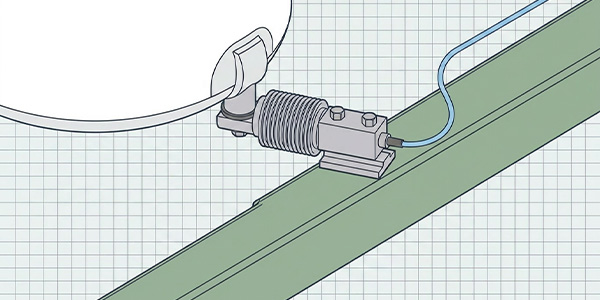
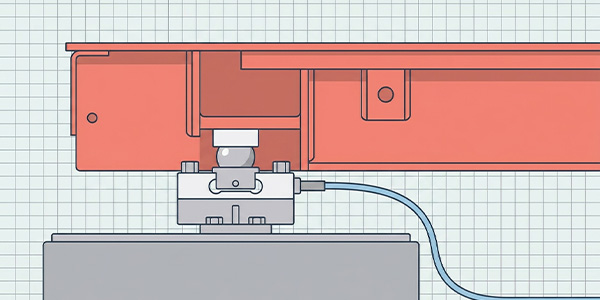
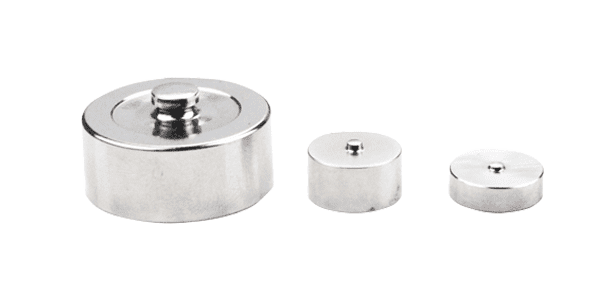
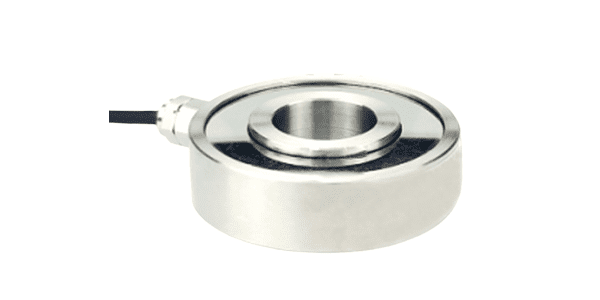
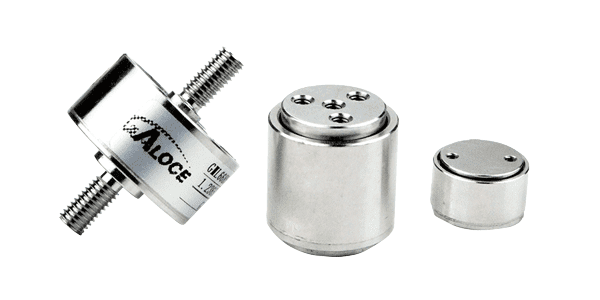
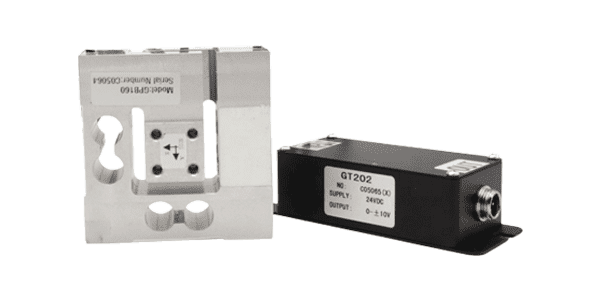
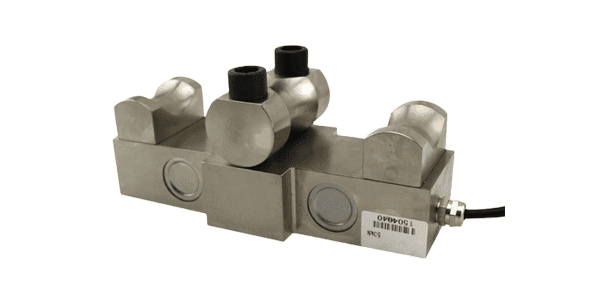
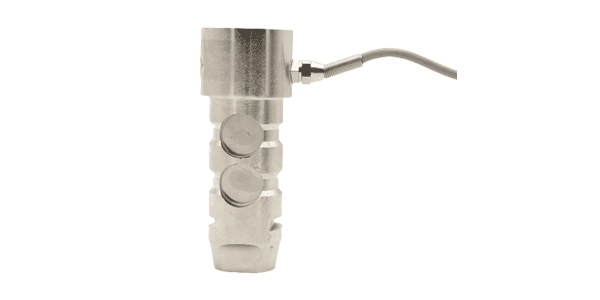
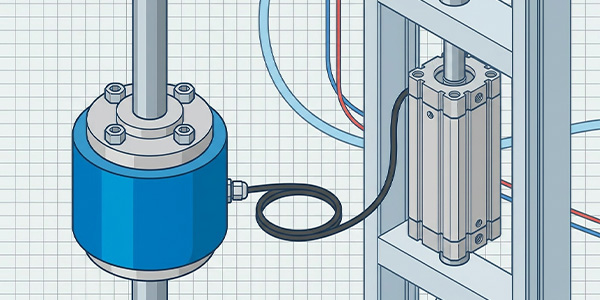
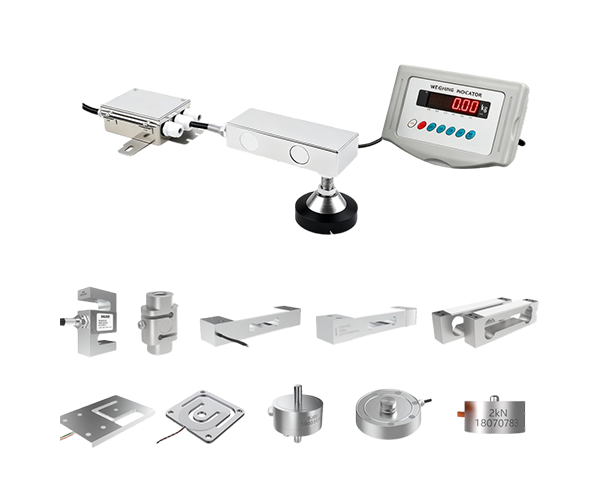
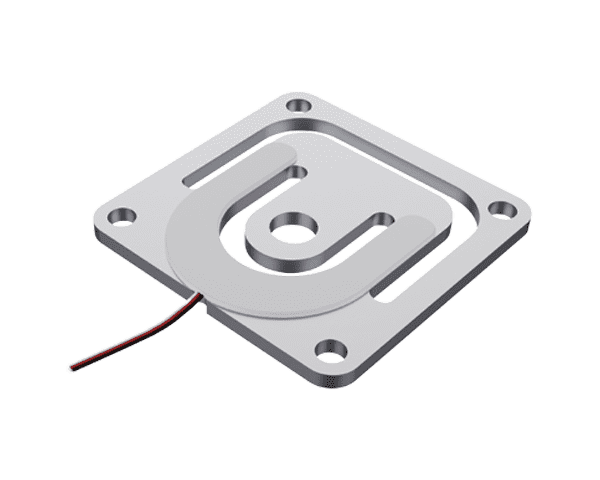
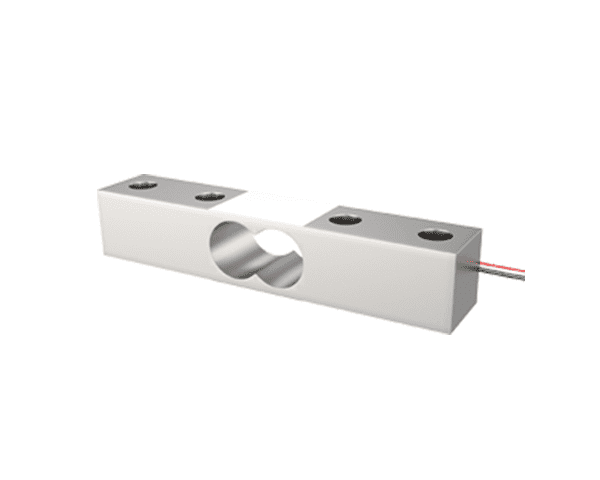
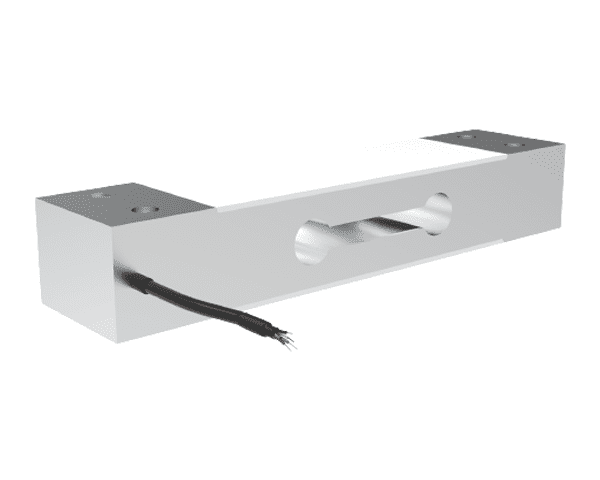
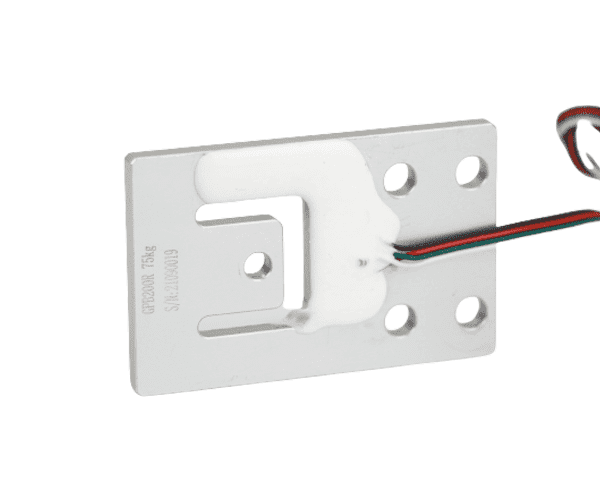
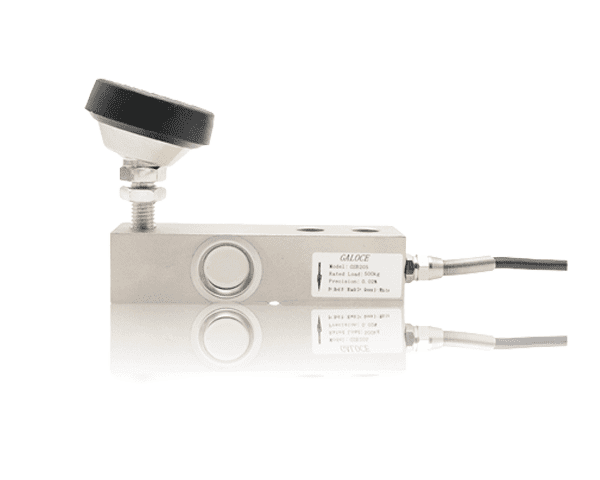
Weighing pads/platforms: Low-profile platforms with built-in load cells (typically shear beam or bending beam types).
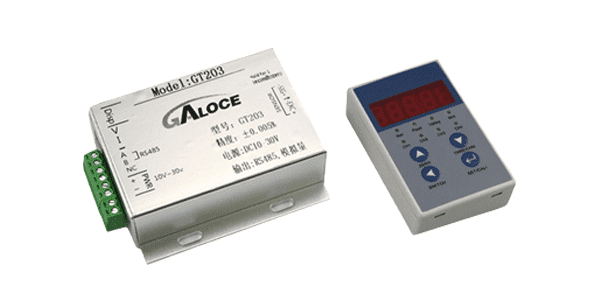
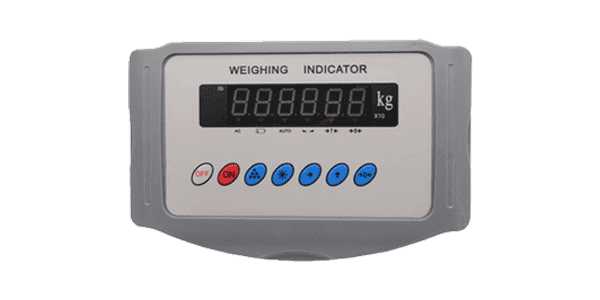
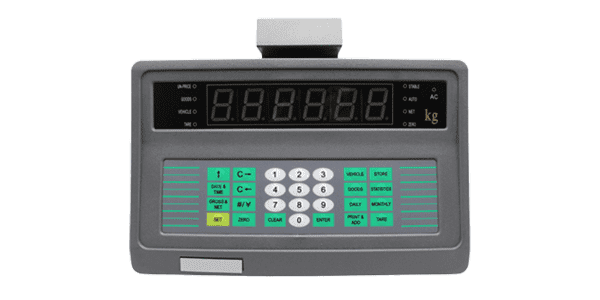
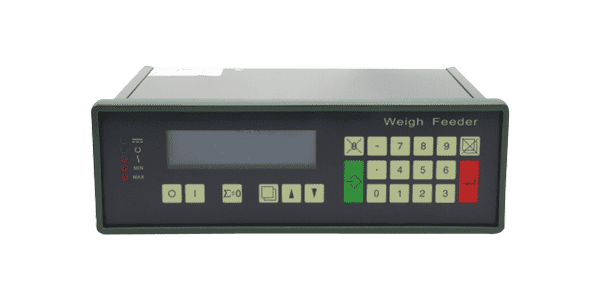
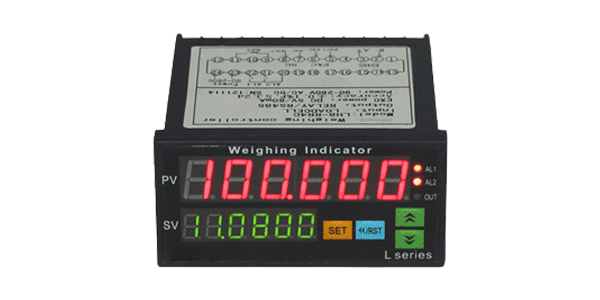
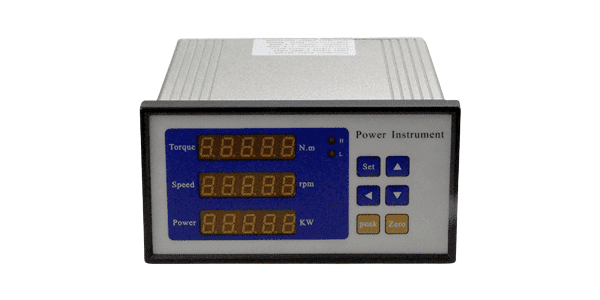
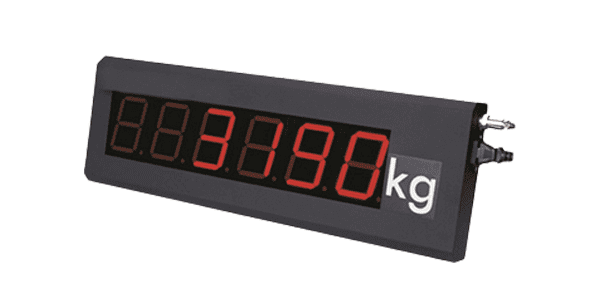
Indicator/display: Digital indicator that calculates axle weights, gross vehicle weight (GVW), and displays results.
Ramps (optional): Incline ramps for easier vehicle access.
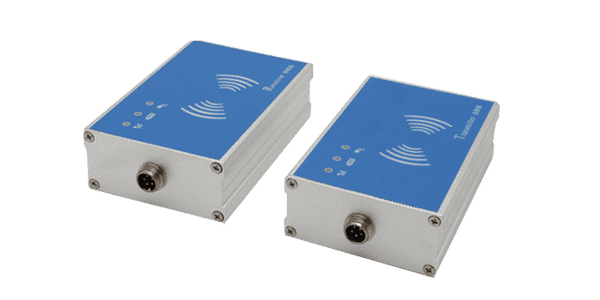
Wireless connectivity: Many modern systems offer Bluetooth or Wi-Fi for data transfer to printers or fleet management software.
Capacities typically range from 10,000 to 40,000 pounds (5–20 tons) per axle pad, with multi-pad configurations accommodating all vehicle types from light delivery vans to heavy semi-trailers.
2. How Axle Weighing Works
The principle behind portable axle scales is straightforward yet highly effective:
Setup: Place the weighing pads on a flat, level surface (concrete or asphalt). Ensure they are aligned with the vehicle's wheel path.
Drive-on: The vehicle drives slowly onto the pads, one axle at a time (or all axles simultaneously with multiple pad sets).
Weight Capture: Each pad contains high-accuracy load cells that measure the force applied by the wheels. The indicator sums the readings for each axle.
Calculation: The system computes individual axle weights, total axle group weights (e.g., tandem axles), and gross vehicle weight.
Data Output: Results are displayed, printed, or transmitted to a central system for record-keeping.
💡 Pro Tip: For maximum accuracy, ensure the vehicle stops completely on the pads before recording, and that the surface is free of debris or unevenness.
3. Key Benefits for Logistics Operations
📍 Ultimate Portability
Weigh anywhere—warehouse yards, customer sites, remote depots, or roadside checkpoints. No need for expensive permanent installation or pit construction.
💰 Lower Infrastructure Costs
Eliminate concrete foundations, permits, and lengthy construction. ROI is achieved quickly through reduced capital expenditure.
⚖️ Overload Prevention
Ensure compliance with legal weight limits, avoid costly fines, reduce vehicle wear, and improve safety on roads.
📊 Real-Time Data
Capture weight data instantly for load optimization, invoicing, and fleet management integration.
🔧 Minimal Installation
Set up in minutes. Ideal for temporary sites, construction projects, or seasonal operations.
🚛 Multi-Vehicle Compatibility
Weigh everything from single-axle trucks to multi-axle semi-trailers with the same system (by adding pads).
4. Types of Portable Axle Scales
Type
Configuration
Best Use Cases
Single-Pad (Wheel Load)
Weighs one wheel at a time; requires multiple passes for full vehicle weight.
Low-profile platforms with built-in ramps for easy drive-on.
Uneven surfaces, frequent moves, mobile inspection teams.
📈 Selection Tip: For operations weighing more than 20 trucks per day, a multi-pad or axle-pair system significantly improves throughput and operator convenience.
5. Accuracy Factors & Best Practices
Modern portable truck scales achieve accuracy within ±0.5% to ±1% of applied load when used correctly. Key factors influencing accuracy include:
Surface Conditions: Use on firm, level, and stable ground. Avoid soft soil, gravel, or significant slopes.
Alignment: Ensure the vehicle wheels are centered on the pads; misalignment causes eccentric loading errors.
Dynamic Effects: The vehicle should approach slowly (≤5 mph) and come to a complete stop before recording.
Temperature Stability: Allow the system to acclimate if moved between extreme temperatures; quality load cells have temperature compensation.
Calibration: Regularly verify with certified test weights or a known reference vehicle.
⚠️ Common Mistake: Driving too fast onto the pads creates dynamic forces that can exceed the sensor's safe limit and cause inaccurate readings. Always follow the manufacturer's speed recommendation.
6. Selection Criteria: What to Look For
Capacity per pad: Choose based on heaviest axle load plus safety margin (typically 20–30% above expected maximum).
Accuracy rating: For legal-for-trade applications, select OIML or NTEP certified scales (typically Class III).
Construction material: Aluminum for portability; steel for maximum durability; stainless steel for corrosive environments.
Environmental protection: IP67 or IP68 rated load cells for outdoor use in rain, dust, and washdown conditions.
Indicator features: Look for backlit displays, multiple language support, data storage, printer/PC connectivity (USB, RS-232, Bluetooth).
Power options: Battery-powered operation for remote sites; AC adapter for permanent setups.
Transportation: Consider weight and handling; systems with built-in wheels or carrying cases simplify movement.
🔧 Example Specification: A typical heavy-duty portable axle scale for semi-trucks: 20,000 lb (10 t) per pad, 0.5% accuracy, IP67 aluminum construction, wireless indicator with 5000-reading storage.
7. Real-World Applications
🚛 Fleet Management & Load Optimization: Logistics companies use portable scales to verify payloads before departure, preventing overweight citations and optimizing fuel efficiency by ensuring loads are within legal limits.
👮 Law Enforcement & Weight Compliance: Police and DOT officers conduct mobile inspections at rest areas, construction sites, or temporary checkpoints without requiring vehicles to travel to fixed weigh stations.
🏗️ Construction & Mining: On-site weighing of aggregate, asphalt, and material haulers ensures contract compliance and prevents road damage from overloaded vehicles.
🌾 Agriculture: Farmers weigh grain trucks at harvest time directly in the field, verifying loads before transport to silos or processing facilities.
♻️ Waste Management: Portable scales at temporary collection sites verify tipping fees and track waste volumes accurately.
8. Maintenance & Calibration
To ensure long-term reliability and accuracy, follow these maintenance guidelines:
Clean pads regularly: Remove dirt, mud, and debris that can affect load cell performance or cause corrosion.
Inspect cables and connectors: Check for cuts, fraying, or corrosion; store cables properly to avoid damage.
Store in a dry environment: When not in use, keep scales in a clean, dry location to prevent moisture ingress.
Annual calibration: Have the system recalibrated by a certified technician using traceable test weights.
Periodic verification: Between calibrations, verify with a known-weight vehicle or portable calibration fixture.
📋 Documentation Tip: Keep a log of calibration dates, usage, and any issues. This simplifies compliance audits and helps predict maintenance needs.
9. Conclusion: The Future of Mobile Weighing
Portable truck scales have become indispensable tools in modern logistics, offering flexibility, cost savings, and real-time visibility that traditional fixed scales cannot match. As logistics operations become more dynamic and data-driven, the ability to weigh anywhere—from distribution centers to remote job sites—provides a competitive edge.
Advancements in wireless connectivity, cloud-based data management, and load cell accuracy continue to expand the capabilities of portable weighing systems. Future systems will integrate seamlessly with telematics, fleet management platforms, and automated load documentation, further streamlining operations.
At Galoce, we offer a comprehensive range of portable axle scales designed for durability, accuracy, and ease of use. Whether you need a basic single-pad system for occasional checks or a high-throughput multi-pad solution for fleet management, our engineering team can help you select the right equipment for your specific logistics challenges.
IP65, IP67 and IP68 are not levels on one scale. See the real IEC 60529 test conditions and learn which rating your humid, dusty or corrosive site needs.
Discover why GALOCE is the leading load cell manufacturer in China. Offering high-precision force sensors, 26-step quality audits, and global OEM/ODM engineering for US & UK industrial standards. Explore our brand guide.