From Reactor Batching to Inline Checkweighing: Key Applications of Weighing Modules
TIME: 2026.04.09AUTHOR: Carol LiNUMBER OF VIEWS 649
From Reactor Batching to Inline Checkweighing: Key Applications of Weighing Modules | Galoce
Published on: | Author: Galoce Process Weighing Team
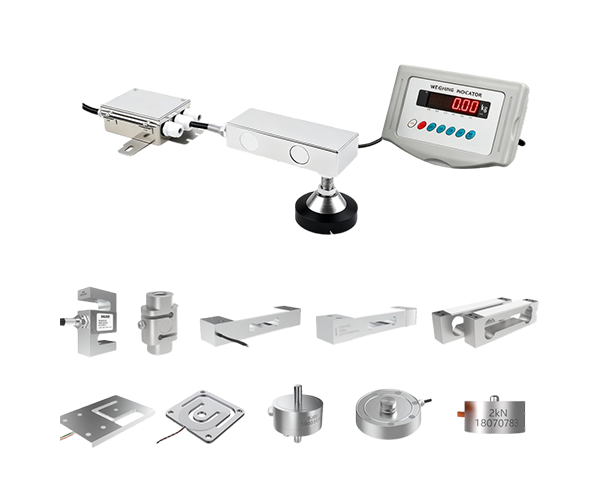
Weighing modules are the backbone of modern industrial weighing – but their applications span two very different worlds: static weighing (tanks, reactors, hoppers) and dynamic weighing (conveyors, checkweighers, belt scales). Understanding the distinction, and the specific module specifications required for each, is key to successful process automation. This article presents real-world case studies from chemical reactor batching, food packaging checkweighing, and logistics dynamic weighing, illustrating how the right weighing module technology solves industry-specific challenges.
1. Static vs. Dynamic Weighing Modules: Two Different Worlds
Static weighing modules are used when the weighing vessel or platform is stationary during measurement – tank level monitoring, reactor batching, silo inventory. Accuracy is the primary driver, and the load cell must be protected from vibration, temperature drift, and side loads.
Dynamic weighing modules measure weight while the product is moving – conveyor checkweighers, belt scales, in-motion axle scales. These modules require high-speed sampling, excellent overload protection, and robust mechanical design to withstand continuous vibration and impact. Typical dynamic module specifications include:
Environmental protection: IP68/IP69K for washdown.
💡 Key Insight: A module designed for static tank weighing may fail on a dynamic conveyor due to insufficient fatigue life or low natural frequency. Always match the module type to the application dynamics.
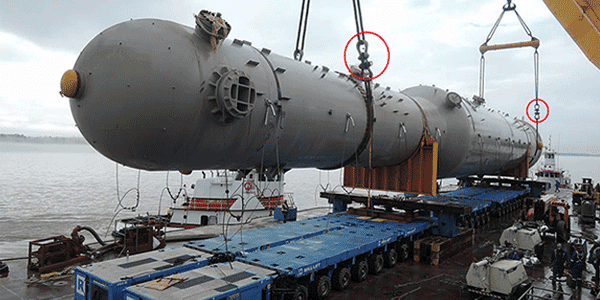
2. Case Study 1 – Chemical Reactor Batching (Static Weighing)
🏭 Problem:
A specialty chemical manufacturer needed to precisely batch three liquid components into a 5,000 L reactor. The existing volumetric flow meters were inaccurate (±3%), leading to batch rejects and raw material waste. The environment was classified as Zone 1 hazardous (explosive vapors), requiring ATEX-certified equipment.
✅ Solution:
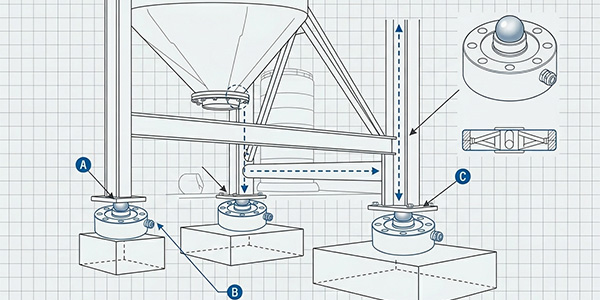
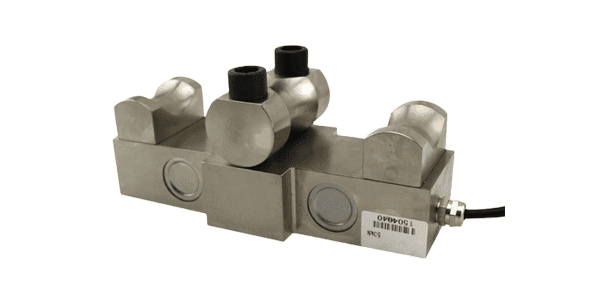
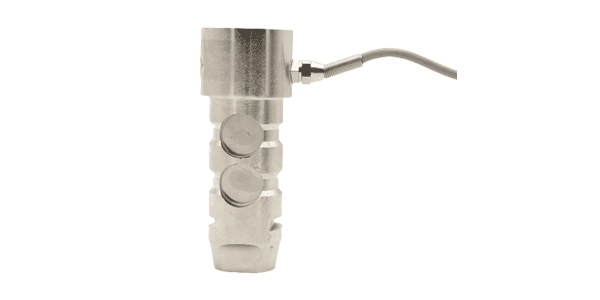
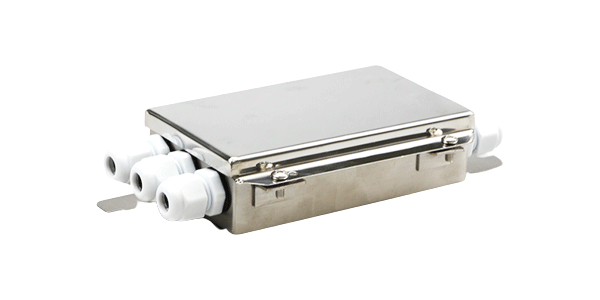
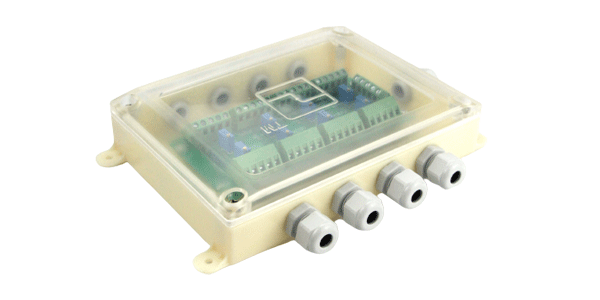
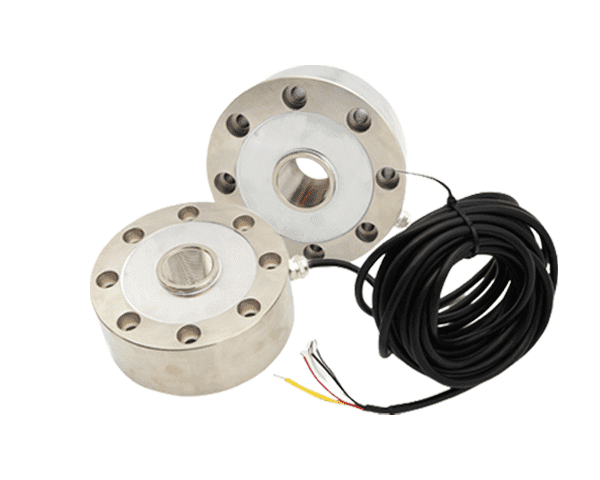
Three stainless steel compression weighing modules (10 t capacity each) were installed under the reactor legs, connected to a summing box and a PLC with PID control. The modules featured:
ATEX/IECEx certification for hazardous area.
Hermetically sealed IP68 load cells.
Self-aligning top plates to accommodate thermal expansion.
Check rods for lateral stability.
Batching was controlled by weight gain: the PLC sequentially opened valves for each component until the target weight was reached, using the weighing modules as the primary feedback.
📊 Results:
Batching accuracy improved from ±3% to ±0.2%.
Raw material waste reduced by 18% annually.
Batch consistency increased, reducing quality control re-tests.
Full compliance with ATEX and local safety regulations.
This case highlights the importance of multi-sensor coordination (three or four modules per vessel) and explosion-proof design in chemical applications.
3. Case Study 2 – Food Packaging Checkweighing Line (Dynamic Weighing)
🍱 Problem:
A frozen food producer needed to verify that each package of ready meals weighed between 380g and 420g (target 400g) at a line speed of 60 packages per minute. Existing manual sampling was too slow, and underweight packages risked regulatory penalties, while overweight packages wasted expensive ingredients.
✅ Solution:
A high-speed checkweigher was integrated into the conveyor line using two dynamic weighing modules (stainless steel, IP69K-rated) placed under the weigh section. The modules featured:
🧼 Hygienic Design Note: For food applications, choose modules with electropolished stainless steel, IP69K sealing, and FDA-compliant materials. Avoid painted or alloy steel modules that can corrode or harbor bacteria.
4. Bonus: Logistics Dynamic Weighing – PLC‑Integrated Belt Scale
📦 Application:
A parcel sorting hub needed to weigh thousands of packages per hour on a belt conveyor, with weight data used for automated shipping cost calculation and sorting into weight zones (e.g., <1 kg, 1–3 kg, 3–10 kg, >10 kg).
⚙️ Solution:
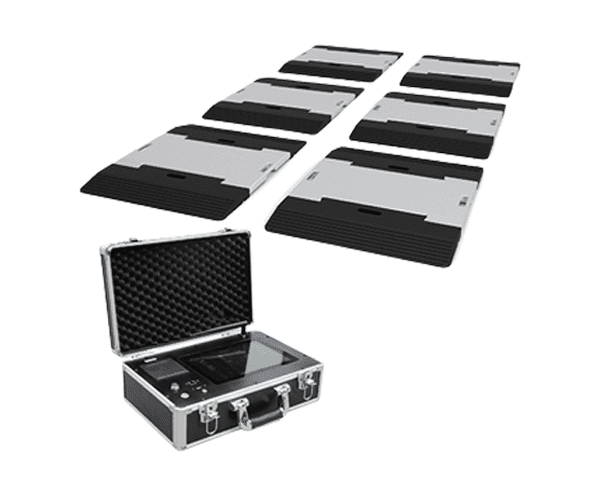
A belt scale was constructed using four dynamic weighing modules (15 t capacity each) supporting a section of the conveyor. The modules were connected to a PLC via EtherCAT for real-time data acquisition. The system captured weight while the package was in motion, using an encoder to synchronize with position.
📊 Performance:
Throughput: 3,000 packages/hour.
Sorting accuracy: 99.5% (within ±20g tolerance).
Integration with WMS – weight data automatically assigned to each tracking ID.
Reduced manual weighing labor by 90%.
Key specification: The modules had a natural frequency >100 Hz to avoid resonance with belt vibration, and a 200% safe overload for occasional impact from heavy packages.
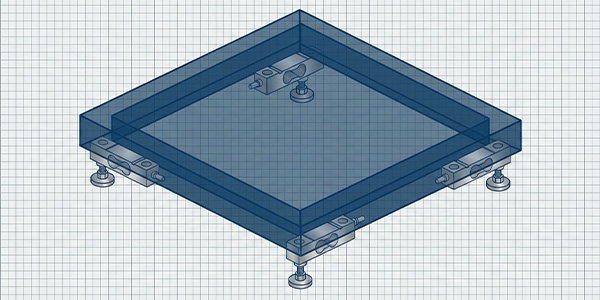
📐 Belt Scale Design Tip: For dynamic conveyor weighing, use at least four modules (one at each corner of the weigh section) and ensure the weigh section is isolated from adjacent conveyor sections by flexible joints. Calibrate using test chains or known weights.
5. Comparison Table: Static vs. Dynamic Weighing Module Features
Smart bins for waste management: Static weighing with IoT transmission for fill-level monitoring.
🔮 Outlook: By 2030, over 60% of new weighing module installations are expected to include digital or IIoT connectivity, enabling seamless integration with MES and cloud analytics.
7. Conclusion: Match the Module to the Motion
From the precise, static batching of chemical reactors to the high-speed, dynamic world of inline checkweighing and belt scales, weighing modules are indispensable tools for process efficiency and quality control. The key to success lies in understanding the specific demands of your application:
For static tank/reactor weighing, prioritize accuracy, explosion-proof certifications, and thermal compensation.
For dynamic checkweighing or conveyor scales, focus on sampling rate, fatigue life, overload protection, and hygienic design.
At Galoce, we offer a full portfolio of static and dynamic weighing modules, from ATEX-certified compression modules for chemical plants to IP69K stainless steel checkweigher modules for food lines. Our application engineers help you select the right module for your specific process – whether you're batching chemicals or sorting parcels at 3,000 items per hour.
IP65, IP67 and IP68 are not levels on one scale. See the real IEC 60529 test conditions and learn which rating your humid, dusty or corrosive site needs.
Discover why GALOCE is the leading load cell manufacturer in China. Offering high-precision force sensors, 26-step quality audits, and global OEM/ODM engineering for US & UK industrial standards. Explore our brand guide.