
Common Myths and Misconceptions About Load Cells Debunked

TIME: 2026.01.13 AUTHOR: Carol Li NUMBER OF VIEWS 15
In fields such as industrial measurement and automation, load cells play a vital role. These precision devices convert force or weight into electrical signals, supporting applications ranging from manufacturing quality control to medical device calibration. Yet despite their ubiquity, load cells remain shrouded in misconceptions and myths that can lead to poor purchasing decisions, operational inefficiencies, and even safety hazards. Whether you're a seasoned engineer, procurement manager, or small business owner exploring load cell integration, separating fact from fiction is crucial. Drawing on industry expertise and technical insights, this article debunks common misconceptions about load cells, empowering you to make informed choices and maximize the performance advantages of these critical tools.

Myth 1: All Load Cells Are the Same

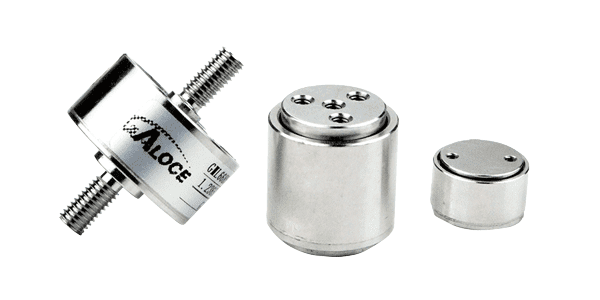
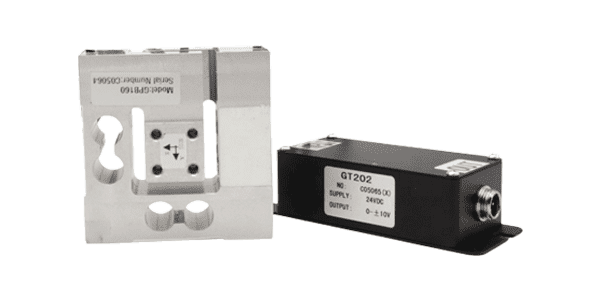
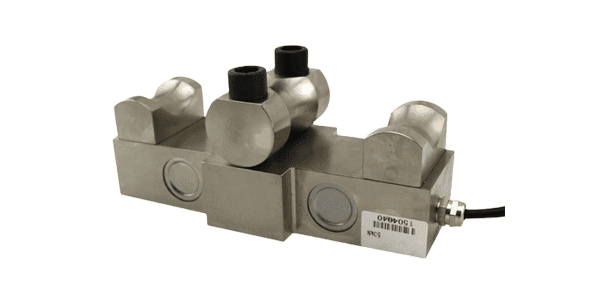
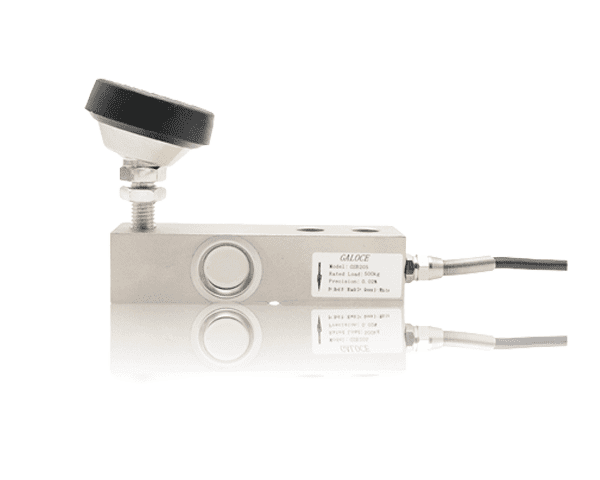
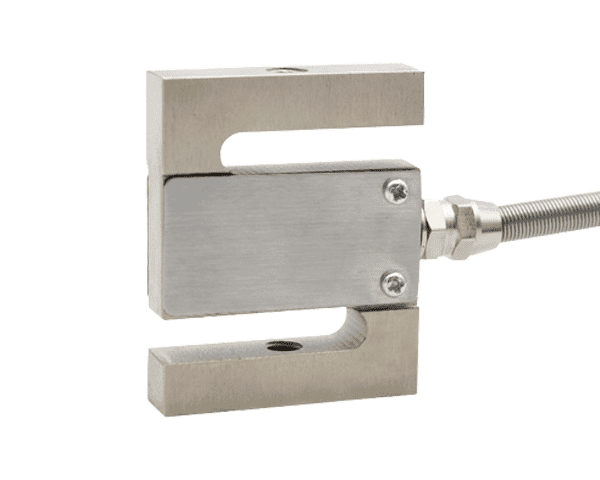
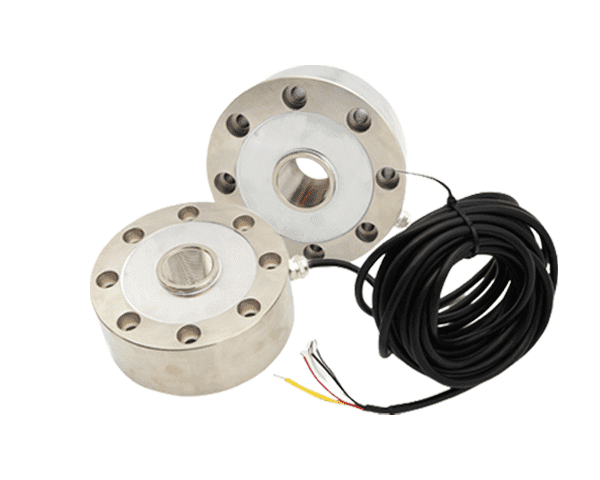
One of the most persistent misconceptions is that load cells are interchangeable commodities—“just pick the cheapest one, and it’ll work.” This could not be further from the truth. Load cells come in a dizzying array of types, each designed for specific applications, environments, and force ranges. Understanding these differences is key to avoiding costly mistakes.

The Reality: Load Cells Are Specialized Tools

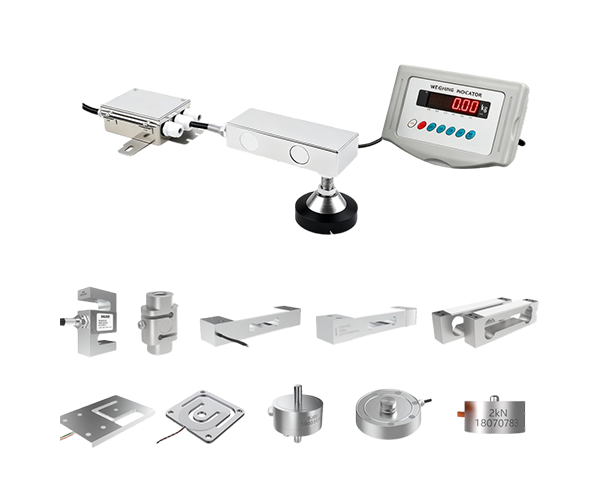
Load cells are categorized by their working principle, design, and intended use. Here’s a breakdown of the most common types:
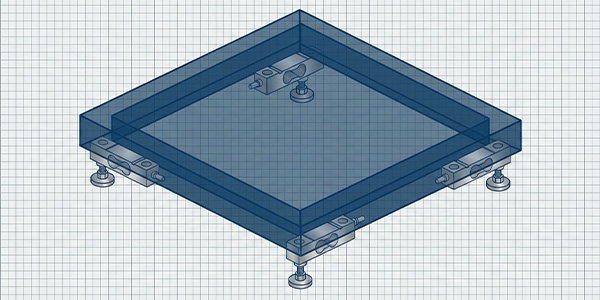
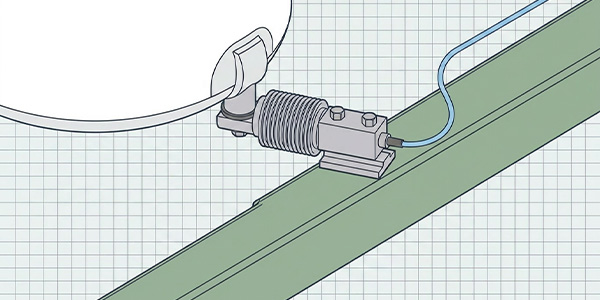
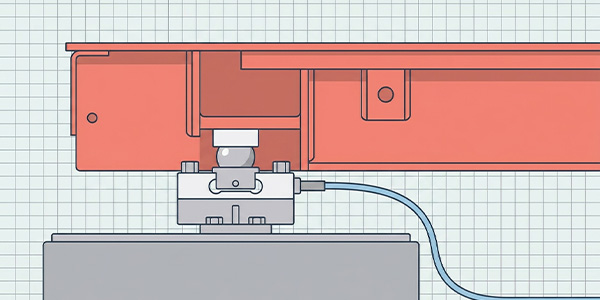
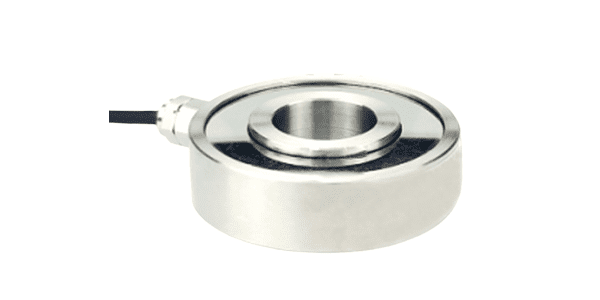
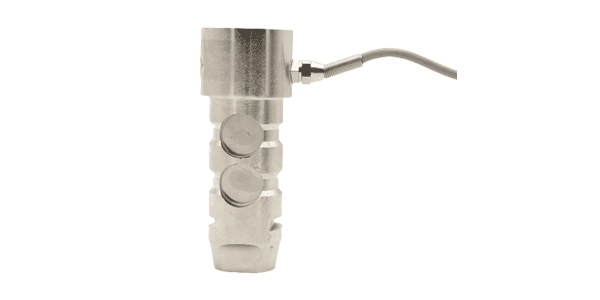
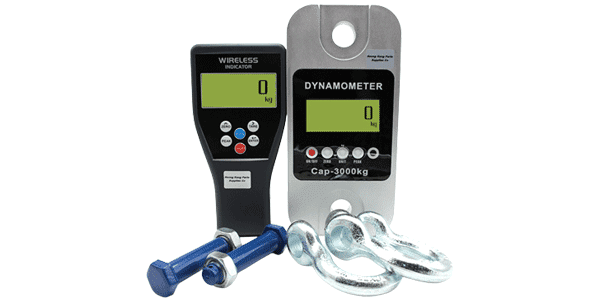
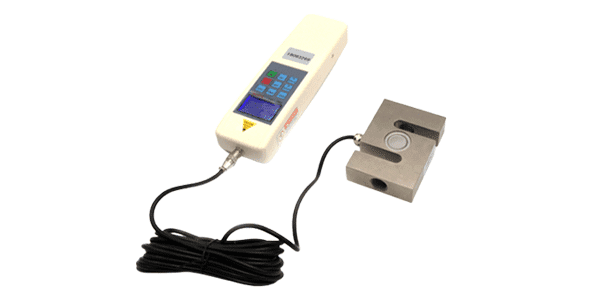
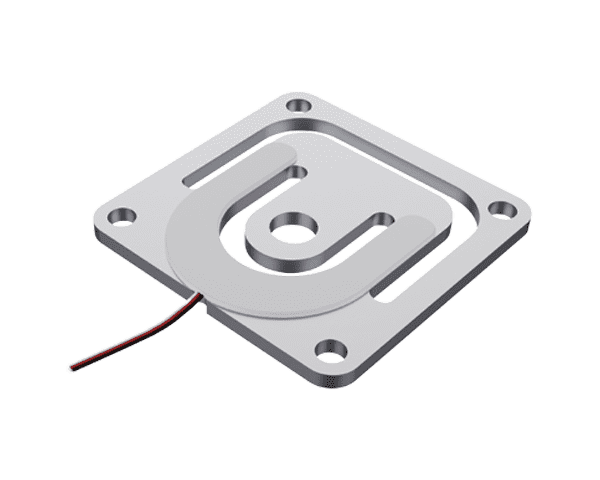
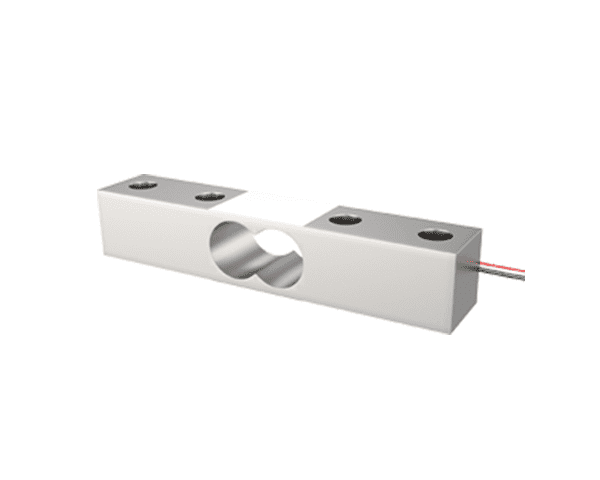
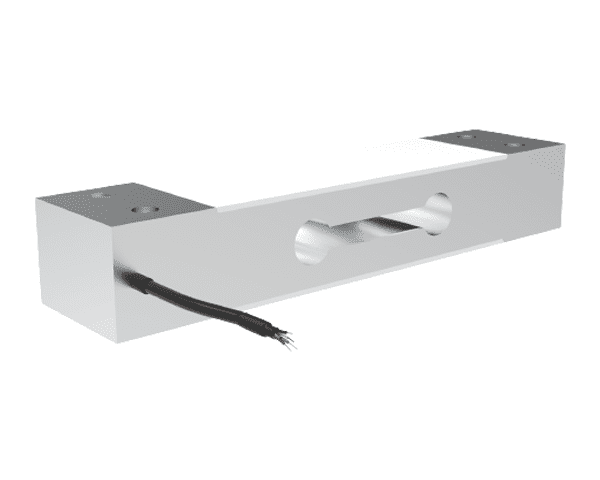
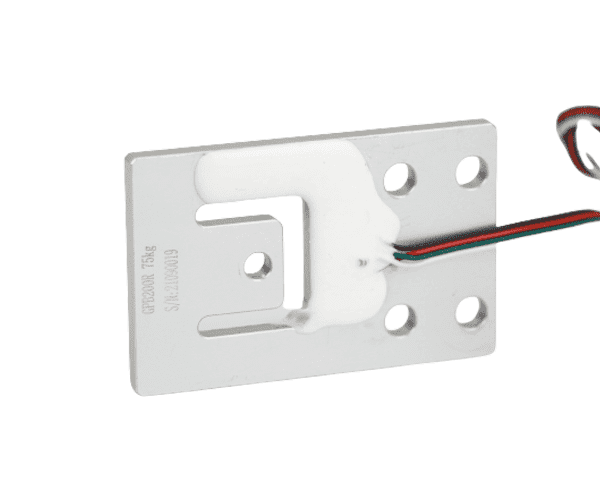
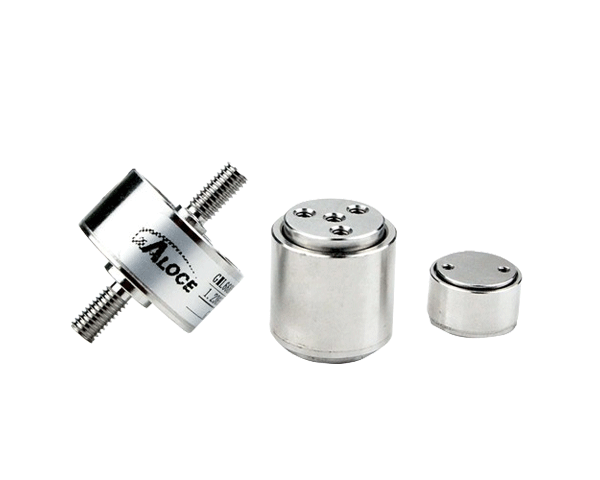
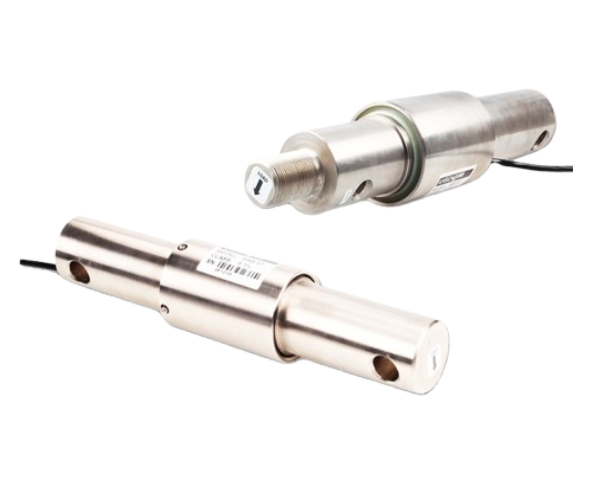
  • Strain Gauge Load Cells: The most widely used type, these rely on a strain gauge bonded to a metal structure (e.g., a beam or column). When force is applied, the structure deforms, changing the gauge’s electrical resistance—a change measured and converted into a force reading. They’re versatile, accurate, and suitable for applications like platform scales, industrial weighing, and material testing.Strain gauge sensors are also among our main sensor offerings. For details, please visit our PRODUCT CENTER
  • Hydraulic Load Cells: These use fluid pressure to measure force. A piston compresses hydraulic fluid when loaded, and the pressure is converted into an electrical signal. They excel in high-temperature or hazardous environments (e.g., oil rigs, chemical plants) where electrical components might fail.
  • Pneumatic Load Cells: Similar to hydraulic models but use air pressure. They’re ideal for cleanroom environments (e.g., pharmaceuticals, food processing) due to their lack of oil and resistance to corrosion.
  • Capacitive Load Cells: These measure changes in capacitance between two plates as force deforms a dielectric material. They offer high sensitivity for small force measurements (e.g., medical devices, microelectronics assembly).
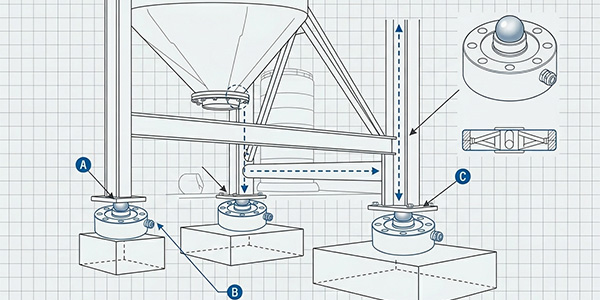
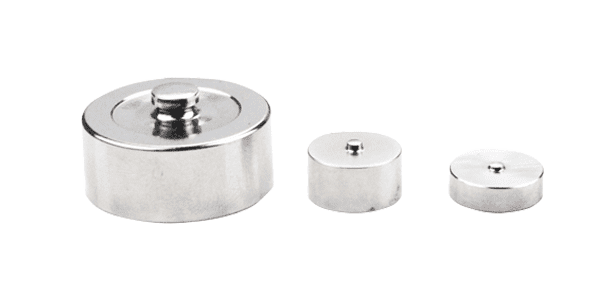
Beyond type, load cells vary in capacity (from grams to hundreds of tons), accuracy class (e.g., 0.01% to 0.1%), environmental ratings (IP67 for dust/water resistance, ATEX for explosive atmospheres), and form factor (shear beam, single-point, compression-only, tension-only). Choosing the wrong type can lead to inaccuracy, premature failure, or safety hazards. For example, using a low-capacity load cell in a heavy industrial setting will overload it, while a hydraulic load cell in a precision lab would be overkill and costly.

Myth 2: Higher Accuracy Always Means Better Performance

“Buy the most accurate load cell you can afford”—a common mantra, but not always sound advice. While accuracy matters, it’s just one factor in performance, and overpaying for precision you don’t need wastes resources.

The Reality: Accuracy Must Align with Application Needs

Accuracy is defined by how close a measurement is to the true value, often expressed as a percentage of full scale (e.g., ±0.1% FS). But “better” accuracy depends on your application:
  • Industrial Weighing (e.g., shipping scales): A 0.1% accuracy class is typically sufficient. Over-specifying to 0.01% adds cost without tangible benefits.
  • Pharmaceutical Manufacturing: Here, 0.02% accuracy may be critical for dosing medications, where tiny errors could endanger patients.
  • Material Testing (e.g., tensile strength of steel): High accuracy (0.05% or better) ensures reliable data for safety-critical structures like bridges or aircraft parts.
Other factors to prioritize over raw accuracy include:
  • Repeatability: The consistency of measurements under the same conditions. A load cell with 0.1% accuracy but poor repeatability (e.g., readings vary by 0.5% on identical loads) is useless for quality control.
  • Stability: How well the load cell maintains calibration over time. A cell that drifts due to temperature or humidity changes will require frequent recalibration, increasing downtime.
  • Environmental Robustness: In harsh settings (e.g., vibrating factories, outdoor scales), a load cell with lower accuracy but high resistance to shock/vibration may outperform a more precise but fragile model.
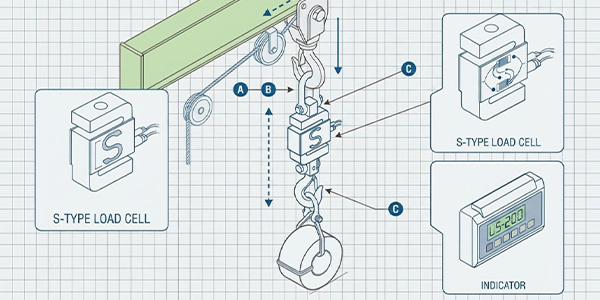
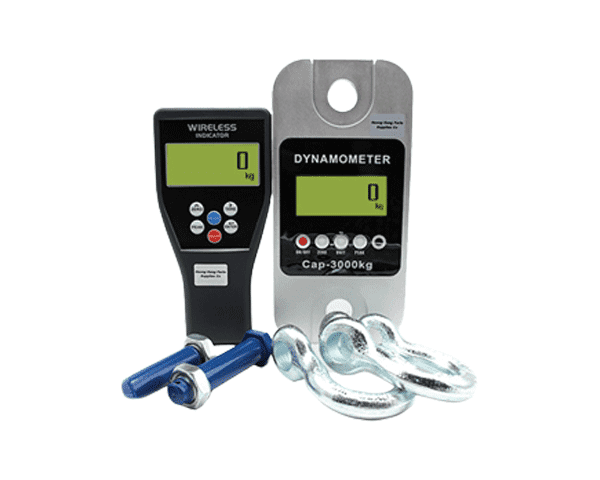
For example, a construction site using a crane scale to weigh steel beams doesn’t need lab-grade accuracy—it needs a rugged, repeatable load cell that can handle rain, dust, and rough handling. Always match accuracy to your tolerance for error: if a 100kg load can vary by ±1kg without issue, a 1% accuracy cell is sufficient.

Myth 3: Load Cells Don’t Need Calibration Once Installed

“Set it and forget it”—a dangerous assumption for load cells. Even high-quality models drift over time due to environmental factors, mechanical stress, or wear, leading to inaccurate readings.

The Reality: Regular Calibration Is Non-Negotiable

Calibration ensures a load cell’s measurements remain reliable by comparing its output to known reference weights or forces. When should you calibrate?
After Installation: Shipping and mounting can stress load cells, altering their zero balance (the output when no load is applied). Calibrate immediately to ensure accuracy from day one.
Scheduled Intervals: Most manufacturers recommend annual calibration, but high-usage or critical applications (e.g., pharmaceutical dosing, aerospace testing) may require quarterly checks.
After Environmental Changes: Extreme temperature swings, humidity, or exposure to chemicals can shift calibration. For example, a load cell in a warehouse that经历s -20°C winters and 40°C summers will need more frequent calibration than one in a climate-controlled lab.
After Physical Damage: Dropping, overloading, or vibrations (e.g., from nearby machinery) can damage internal components. Always calibrate after an accident.
Skipping calibration leads to costly errors. A food manufacturer using an uncalibrated load cell might underfill packages, risking regulatory fines, or overfill, cutting profit margins. In construction, an uncalibrated crane scale could lead to overloading and structural failure.
Pro Tip: Use a certified calibration service with traceable standards (e.g., NIST in the U.S., ISO in Europe) to ensure compliance with industry regulations (e.g., FDA, OSHA).

Myth 4: Load Cells Can Withstand Any Environment

Load cells are tough, but they’re not indestructible. Many users assume they’ll work in extreme heat, moisture, or vibration without protection—only to face premature failure.

The Reality: Environmental Factors Are Critical to Longevity

Load cells are sensitive to their surroundings, and ignoring environmental conditions is a recipe for disaster. Key threats include:
Temperature Extremes: High heat can cause metal components to expand, altering strain gauge readings. Low temperatures can make materials brittle, increasing the risk of cracking. Look for load cells with temperature compensation (built-in circuits to adjust for thermal drift) or rated for your operating range (e.g., -40°C to 150°C).
Moisture and Corrosion: Water, humidity, or chemicals can corrode strain gauges, wires, or metal structures. IP (Ingress Protection) ratings indicate resistance: IP68 means dust-tight and waterproof to 1.5m for 30 minutes, while IP69K resists high-pressure, high-temperature water jets (ideal for washdown environments like meat processing).
Vibration and Shock: Continuous vibration (e.g., near industrial machinery) can loosen connections or fatigue metal, while sudden shocks (e.g., dropping a load) can permanently deform the load cell. Choose models with shock-absorbing designs or vibration dampeners, and mount them on stable, rigid surfaces.
Electromagnetic Interference (EMI): Motors, power lines, or radio signals can disrupt load cell signals, causing noisy or inaccurate readings. Shielded cables, twisted-pair wiring, and grounding the load cell and instrumentation can mitigate EMI.
For example, a load cell in a coastal salt mine needs stainless steel construction (resistant to salt spray), an IP68 rating, and temperature compensation for underground heat. In contrast, a load cell in a desert solar farm would prioritize UV resistance and high-temperature tolerance.

Myth 5: Load Cells Are Only for Weighing

Weighing scales are the most visible use for load cells, but their applications extend far beyond measuring mass. Load cells are critical in any scenario where force, tension, compression, or torque needs to be monitored or controlled.

The Reality: Load Cells Enable Diverse Industries

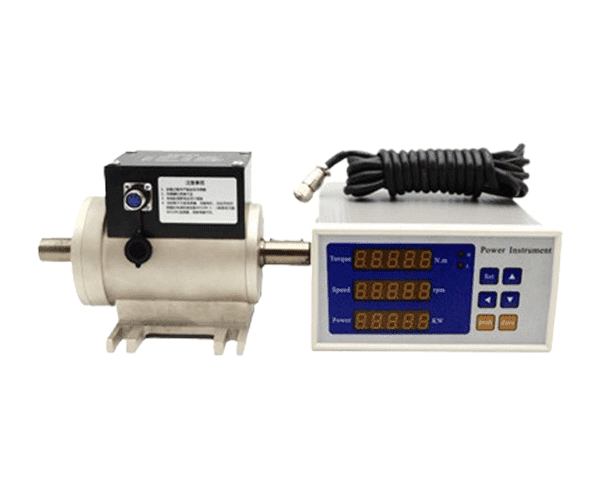
Manufacturing: They ensure consistent product quality by monitoring forces in assembly lines (e.g., torque in bolt tightening, pressure in injection molding). For example, a car manufacturer uses load cells to test the strength of door hinges, ensuring they can withstand thousands of openings without failing.
Aerospace and Defense: Load cells test aircraft components (e.g., wing stress during takeoff, landing gear durability) or measure rocket thrust during engine testing. They’re also used in ballistic testing to measure projectile impact force.
Medical Devices: From hospital bed scales to surgical tools, load cells provide precision. A robotic surgery system uses load cells to detect tissue resistance, preventing excessive force that could damage organs.
Civil Engineering: Load cells monitor structural health, such as bridge deflection under traffic or building foundation stress during earthquakes. They’re embedded in dams to measure water pressure and prevent breaches.
Renewable Energy: Wind turbine manufacturers use load cells to test blade strength against high winds, while solar panel installers use them to ensure mounting structures can support panel weight and withstand storms.
Sports Science: Load cells in running shoes measure foot strike force to help athletes improve gait and reduce injury risk. They’re also used in gym equipment to track workout intensity (e.g., force exerted during a bench press).
By recognizing these diverse applications, businesses can unlock new possibilities. A furniture maker, for instance, might use load cells to test chair weight capacity, ensuring compliance with safety standards and marketing “supports up to 300kg” with confidence.

Myth 6: DIY Installation Is Simple and Safe

Installing a load cell might seem straightforward—bolt it down, connect the wires, and start measuring. However, improper installation is a leading cause of inaccuracy, failure, and even injury.

The Reality: Installation Requires Precision and Expertise

Even small mistakes during installation can compromise performance:
Mounting Errors: Load cells must be aligned perfectly with the applied force. A misaligned cell (e.g., tilted or off-center) will measure only a component of the force, leading to under-readings. Use spirit levels, shims, or alignment jigs to ensure the load is applied axially (straight down or along the cell’s axis).
Over-Tightening Bolts: Excessive torque when mounting can pre-strain the load cell, causing zero drift (a reading when no load is applied). Follow the manufacturer’s torque specifications—typically 10-20 Nm for small cells, up to 100 Nm for large industrial models.
Cable Damage: Pinching, stretching, or kinking cables can break wires or disrupt signals. Route cables away from moving parts, sharp edges, and EMI sources, and use cable protectors (e.g., conduit, braided sleeves) in high-traffic areas.
Inadequate Grounding: Poor grounding can introduce noise or electrical surges, damaging the load cell or instrumentation. Ground the load cell body, signal cables, and junction box to a common earth ground.
Overloading During Installation: Accidentally dropping tools or stepping on an uncalibrated load cell can overload it, causing permanent damage. Always handle load cells with care and use lifting equipment for heavy models.
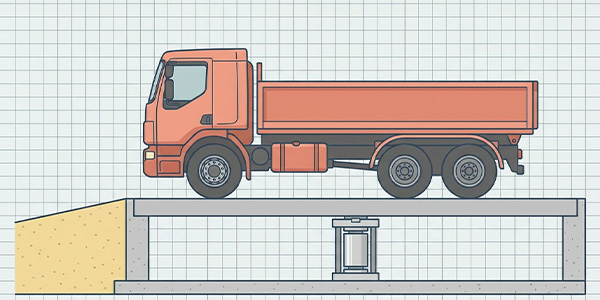
For complex installations (e.g., multi-cell systems like truck scales), hiring a certified technician is worth the investment. They’ll ensure proper alignment, calibration, and integration with your data system, saving time and avoiding costly rework.

Myth 7: Load Cells Last Forever

Load cells are built to be durable, but like any mechanical device, they have a lifespan. Assuming they’ll last indefinitely leads to unexpected downtime and safety risks.

The Reality: Lifespan Depends on Use and Maintenance

A load cell’s longevity depends on:
Usage Intensity: A load cell in a 24/7 industrial plant will wear faster than one in a lab used occasionally. Frequent overloading or shock accelerates fatigue—most load cells are rated for a maximum “safe overload” (e.g., 150% of full scale) and an “ultimate overload” (e.g., 300% FS), beyond which failure occurs.
Maintenance: Regular cleaning (removing dust, debris, or corrosive substances), checking for loose wires, and calibrating as needed extends lifespan. For example, a food processing plant should clean load cells daily with mild detergent to prevent buildup of food particles that could corrode the surface.
Material Quality: Load cells made with high-grade alloys (e.g., 17-4 PH stainless steel) resist corrosion and fatigue better than those with low-carbon steel. Cheaper models may cut corners on materials, leading to premature failure.
On average, a well-maintained strain gauge load cell in a moderate environment lasts 10-15 years. In harsh conditions (e.g., constant vibration, high humidity), lifespan may shrink to 5-7 years. Signs of aging include drifting readings, increased noise, or physical damage (e.g., cracks, rust). Replacing an aging load cell proactively prevents unexpected failures—critical in safety-critical applications like elevator weighing or crane load monitoring.

Myth 8: Wireless Load Cells Are Less Reliable Than Wired Ones

Wireless technology has revolutionized load cell applications, but skepticism remains: “Wired is better—wireless signals are too weak or prone to interference.” While early wireless systems had limitations, modern models offer reliability and convenience that rival wired setups.

The Reality: Wireless Load Cells Offer Flexibility Without Sacrificing Performance

Advancements in radio technology (e.g., Bluetooth Low Energy, Wi-Fi 6, LoRaWAN) and battery life have made wireless load cells viable for many scenarios:
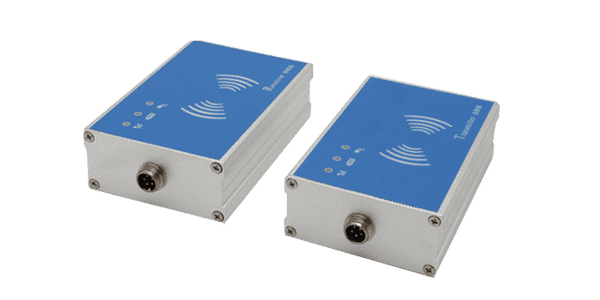
Ease of Installation: No need to run cables through walls, floors, or machinery—ideal for retrofitting old equipment or remote locations (e.g., wind turbines, offshore platforms).
Mobility: Portable wireless load cells can be moved between jobsites (e.g., construction site weighing, event temporary scales).
Reduced Maintenance: Fewer cables mean fewer points of failure (e.g., chewed wires by rodents, corrosion at connectors).
Modern wireless systems address past issues:
Signal Reliability: Encryption (AES-128) and error-correcting codes prevent data loss or hacking. Some use mesh networks, where multiple load cells relay signals, ensuring coverage even in large facilities.
Battery Life: Low-power radios and sleep modes allow batteries to last 2-5 years, depending on usage. Solar-powered options are available for remote, sunny locations.
Interference: Frequency-hopping spread spectrum (FHSS) technology switches channels automatically to avoid EMI, ensuring stable communication.
When to choose wireless? For applications where wiring is impractical, costly, or hazardous. For example, a warehouse with mobile weighing stations or a bridge under construction where running cables would disrupt work. Wired load cells still excel in high-precision, high-speed applications (e.g., lab testing) where latency must be minimal, or in environments with heavy EMI (e.g., near power substations).

Conclusion: Demystifying Load Cells for Better Decision-Making

Load cells are the backbone of modern measurement and control, but myths and misconceptions often cloud their true value and capabilities. By understanding that load cells are specialized tools (not one-size-fits-all), that accuracy must align with needs, and that their applications extend far beyond weighing, you can select, install, and maintain load cells that deliver reliable performance for years.
Whether you’re upgrading industrial equipment, launching a new product, or ensuring safety in critical operations, debunking these myths is the first step toward leveraging load cells to their full potential. Remember: consult with manufacturers or certified engineers to assess your specific needs, and prioritize maintenance and calibration to maximize accuracy and longevity. With the right knowledge, load cells will continue to drive innovation across industries, making our world safer, more efficient, and more precise.

HOT keyword:
Recommend View More
TIME 2026.01.13

Common Myths and Misconceptions About Load Cells Debunked

TIME 2026.01.09

How to Store Unused Load Cells|GALOCE

Learn the best practices for storing unused load cells to maintain their accuracy, longevity, and performance. This guide covers step-by-step storage preparation, from cleaning and inspection to environmental control and long-term maintenance. Discover how to prevent calibration drift, physical damage, and corrosion through proper handling and storage solutions. Whether you're managing industrial equipment or preserving lab-grade sensors, follow these tips to protect your investment and ensure your load cells remain reliable for years to come.

TIME 2026.01.05

How to Read a Load Cell Data Sheet|GALOCE

Learn how to read and interpret a load cell manufacturer data sheet with this comprehensive guide. Understand key sections such as electrical specifications, mechanical properties, accuracy metrics, environmental ratings, and mounting guidelines. Discover practical steps for analyzing a data sheet based on real-world application requirements, common mistakes to avoid, and useful tools to simplify the selection process. Master data sheet literacy to ensure you choose the right load cell for your industry needs—whether for weighing systems, testing equipment, or harsh operational environments.

029-81292510

info@galoce.com

Rm. 1208, Building B, Huixin IBC, No. 1 Zhang Bayi Road, High-tech Zone, Xi'an, Shaanxi, China

Copyright © Xi'an Gavin Electronic Technology Co., Ltd Site Map

Message Form