








Your scale passed calibration on installation day. Then trucks started bouncing onto the pit. By month twelve, the zero reads heavy. You re-zero it. It works for a week. Then it drifts again.
This is the most common story in waste weighing. The scale did not break. It drifted. Two things caused it: shock loads and contamination. This article shows how both damage the sensor. Then it shows the fixes that work.
The "One-Year Itch": Why Drift Shows Up When It Does
New waste scales are accurate on day one. The damage starts immediately, but it stays invisible for months.
A recycling pit sees hundreds of impact events every week. Forklifts drop pallets. Trucks bounce onto the platform. Grab buckets swing and land off-center. Each hit is small. Together they add up.
At the same time, the site runs a full weather cycle. The wet season soaks the pit. Summer heat expands the steel. Winter contracts it. Every cycle works on the sensor a little more.
Inside the load cell, strain gauge bonds loosen one micro-crack at a time. Corrosion eats the cavity one wet week at a time. Nothing fails. Nothing shows.
Then, usually around the one-year mark, the damage passes a threshold. The zero point moves. Readings wander. The scale drifts.
Drift is a symptom, not a failure. The disease starts months earlier — one impact and one wet cycle at a time.
Shock — How Everyday Impacts Add Up
What Counts as a Shock Load on a Waste Site
Shock load is any force that hits the scale faster than it can absorb it. On a waste site, four sources dominate:
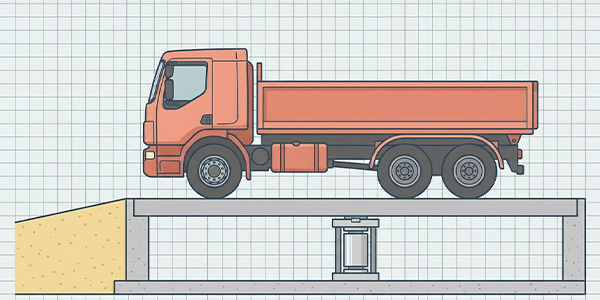
- Trucks bounce onto the platform at speed instead of rolling on slowly.
- Forklifts drop pallets or bales onto the weighing platform.
- Grab buckets and cranes swing loads that land off-center.
- Tipper beds dump the full load at once instead of spreading it.
None of these feels like damage. None needs to. A shock load can be many times the static weight of the cargo for a fraction of a second. The scale registers a number. The sensor absorbs the hit.
What Impacts Do Inside the Sensor
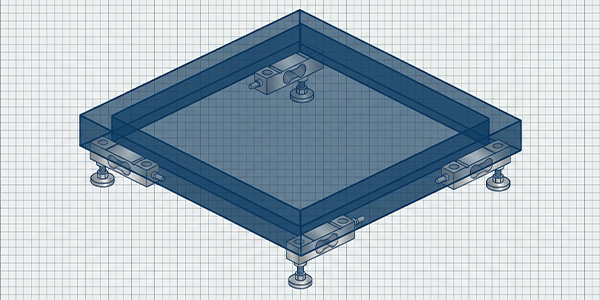
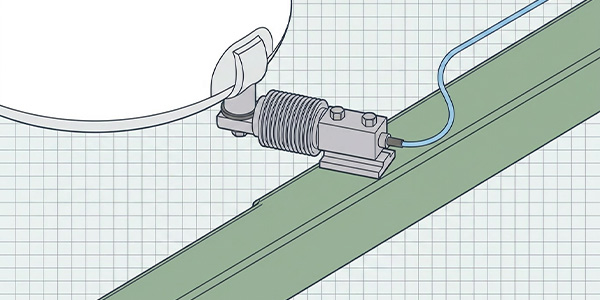
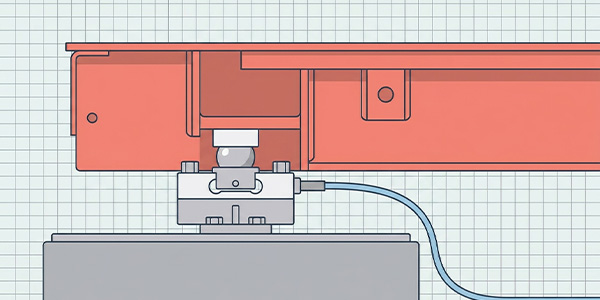
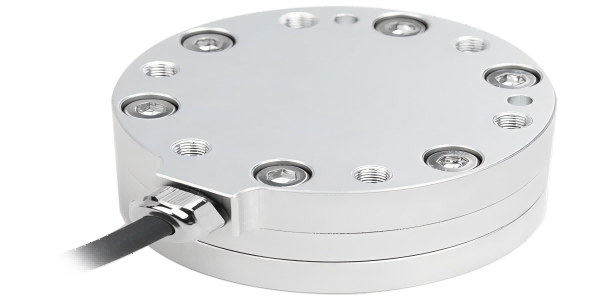
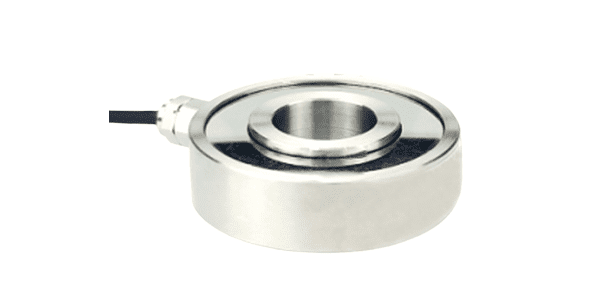
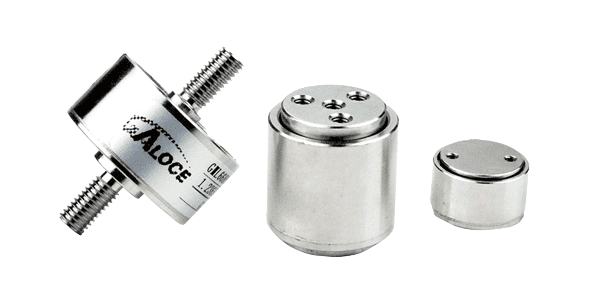
Most waste scales weigh through strain gauge load cells. A metal beam bends under the load. Strain gauges bonded to the beam change their electrical resistance. The change becomes the weight reading.
Every shock load bends that beam harder than a normal load does. The bond between gauge and beam takes a micro-tear. One hit does nothing. Thousands loosen the bond.
Once the bond loosens, the gauge does not return to its exact starting position. The zero moves. That movement is what you read as drift.
Impacts also crack the protective coating around the gauge. The crack opens a door for moisture. That is where the second killer enters.
Gunk — How Contamination Sneaks In
What Actually Gets In
A recycling pit is wet, salty, and dirty. Leachate — the liquid that drains out of waste — is acidic and loaded with salts. Organics rot on the platform. Dust and fiber pack into every seam.
Contamination enters through three paths:
- The sensor cavity, if the seal is cracked or missing.
- Connectors and cable entries at the platform edge.
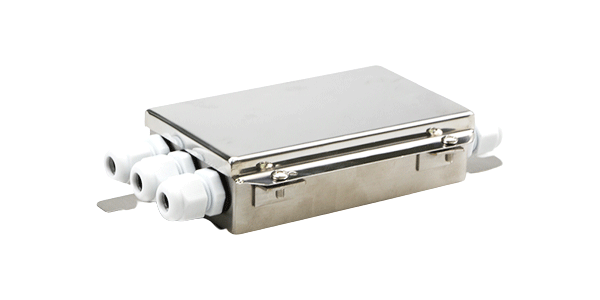
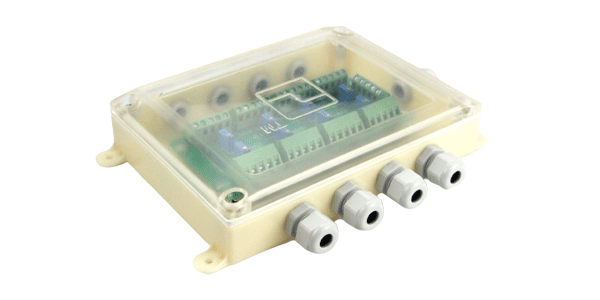
- Along the cable itself, into the junction box or transmitter.
How It Turns a Good Scale into a Drifting One
Moisture inside the cavity changes how the beam flexes. A thin film of water adds mass and damping. The reading shifts, often by kilograms.
Salt corrodes the beam and the gauge leads. Corrosion changes the bridge resistance. The same physical weight now produces a different signal. The scale reads heavy one morning and light the next.
Oxidized connectors cause intermittent drift. Readings jump when it rains and settle when it dries.
Gunk also multiplies shock damage. Corrosion weakens the metal at the gauge bond. A hit that a clean sensor survives cracks a corroded one. Shock and contamination are not two separate problems. They are one problem feeding on itself.
How to Tell Which One Is Killing Your Scale
A 30-second check points at the culprit. Run these four tests and write down what you see.
| Symptom | Likely Cause | 30-Second Check |
|---|---|---|
| Zero is low in the morning, recovers by midday | Moisture in the cavity | Wipe the platform dry. Re-check zero after 30 minutes. If it recovers, moisture drives the drift. |
| Same object reads differently depending on where it sits | Beam or bond fatigue from off-center shocks | Weigh the same load in the center, then at the edge. A big difference means the beam is taking impact damage. |
| Reading jumps after a truck bounces on, and takes a long time to settle | Loosened gauge bond | Watch the display after an impact. A settle time of several seconds points at bond damage. |
| Drift gets worse on rainy or humid days | Corrosion or oxidized connectors | Open the junction box. Look for green or white crust on the terminals. Clean it and re-test. |
If two or three rows match, your scale has both problems. That combination is the fastest failure mode in waste weighing.
If none of the four rows match, the problem may be mechanical, not electrical. Check the platform itself for looseness. A scale that rocks or shifts under load will drift no matter how good the sensor is. Tighten the anchor bolts. Make sure the platform sits flat on its support pads. Then run the four checks again.
The Fixes That Actually Work
At Purchase
Buy the sensor for the worst day on your site, not the average day.
- Protection: specify IP65 at minimum for pit scales. Use IP67 where the pit floods or gets washed down.
- Material: stainless steel for leachate exposure. Anodized aluminum where washdown is mild and the budget is tight.
- Overload margin: specify a safe overload of at least 150% of rated capacity and an ultimate overload of 200%. Impact peaks punish undersized cells first.
- Capacity: size it for the heaviest drop you will ever weigh, not the typical load. Then leave room for the bounce.
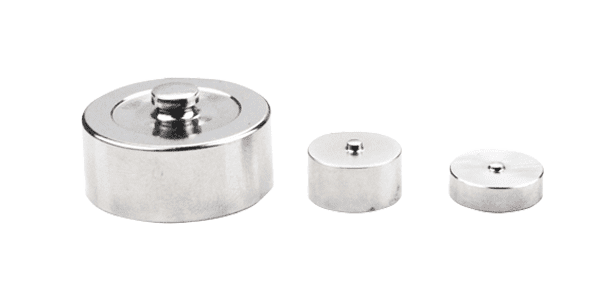
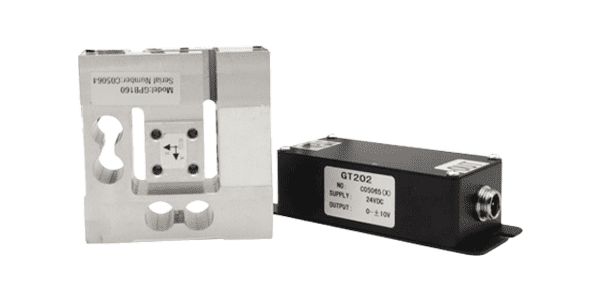
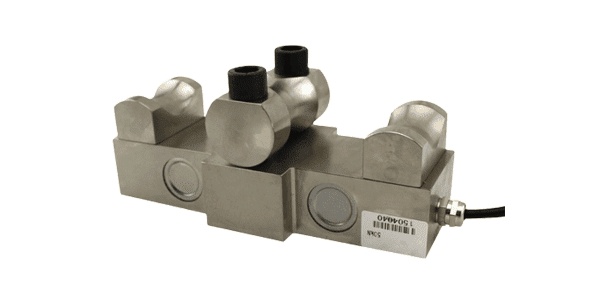
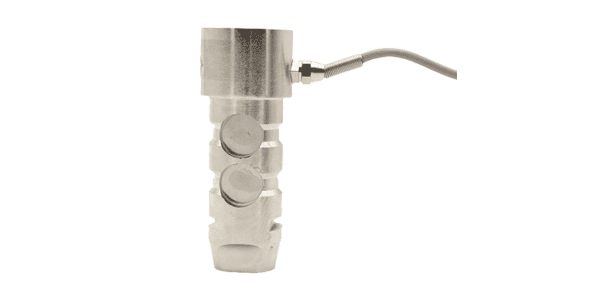
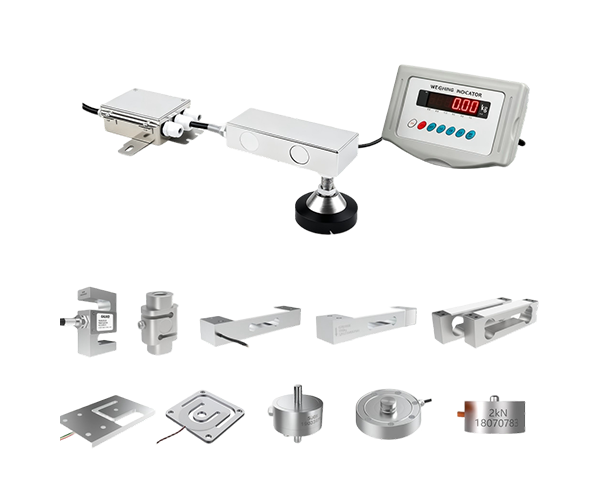
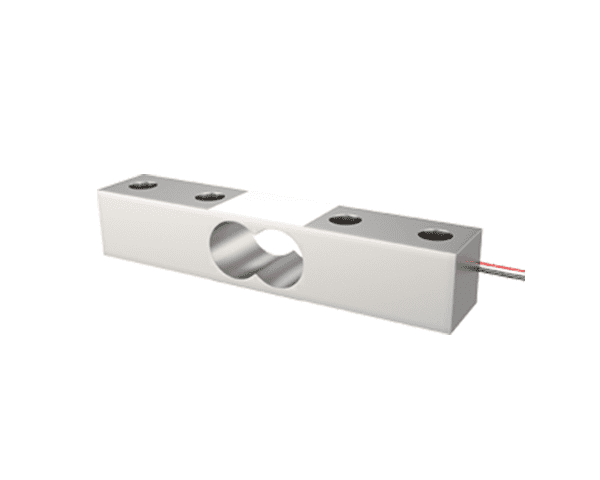
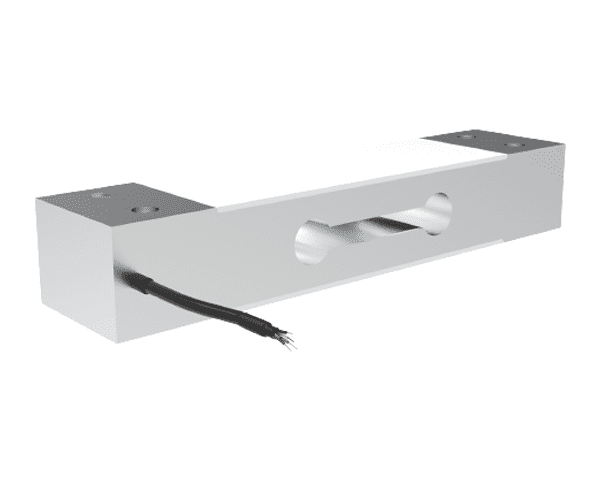
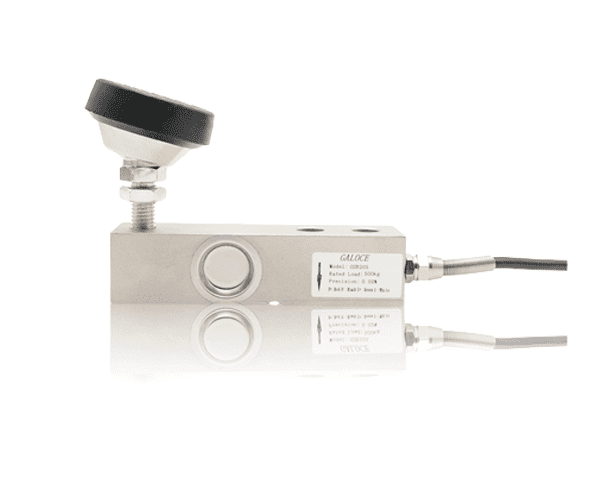
A cheap cell that fails in 18 months costs more than a right cell that runs for ten years. The savings were only ever on the first invoice. For a hardened pit, look at an IP65 parallel beam load cell. Or choose a single point load cell with the overload margin written into the spec sheet.
At Installation
Half of early failures are installation failures, not product failures.
- Mount it so impact energy has somewhere to go. Rigid mounts pass every shock into the beam. Spring pads or floating brackets absorb part of it.
- Route cables away from forklift paths and standing water. Clamp them at regular intervals.
- Ground the cable shield at one end only. Two grounds create a loop that pulls noise into the signal.
- Keep connectors above the flood line. Drip-loop the cable so water runs down and off, not into the box.
None of this costs much. All of it shows up in year one.
In Daily Operation
A 15-minute weekly routine catches drift before it becomes a dispute:
- Clean the platform and the cavity access points. Remove sludge, not just debris.
- Check zero on the empty platform. Write it down. If it moves several kilograms from last week, flag it.
- Weigh a known weight once a week — a full bale or a calibrated test mass. Compare it to the last reading.
- Inspect connectors and cable entries for corrosion. Clean them with contact cleaner.
Steps two and three are the ones people skip. They are also the two that catch drift a month before it becomes a problem.
Fix It Yourself or Call a Technician?
You can handle the first line yourself: cleaning, retightening mount bolts, re-seating connectors, re-zeroing, and keeping forklifts off the platform.
Call a technician when:
- The zero will not hold after cleaning and drying.
- Readings change with load position.
- Drift follows the weather.
- The cable or cavity is visibly damaged.
Do not open a load cell yourself. Opening it voids the calibration and usually the warranty.
On trade scales, calibration is a legal matter. Follow the manufacturer's datasheet and your local weighing authority's verification rules. When in doubt, ask the manufacturer before you touch anything.
Bottom Line
Drift is multiplication, not addition: shock times contamination times time. Remove one factor and the scale lives.
Buy the sensor for your worst day. Install it so impacts have somewhere to go. Clean it, check the zero, and verify with a known weight every week. A waste scale that survives its first year usually survives a decade.
If your scale is past the one-year mark and the readings wander, run the four checks above. Then send us the results. We will tell you whether it is a cleaning job, a mounting job, or a replacement job — and quote the parts.
Send Us Your Symptoms