Weighing Module Market Outlook 2026: Size, Drivers, and Technology Trends
TIME: 2026.04.07AUTHOR: Carol LiNUMBER OF VIEWS 1307
Weighing Module Market Outlook 2026: Size, Drivers, and Technology Trends | Galoce
Published on: | Author: Galoce Market Intelligence Team
The global weighing module market stood at $1.39 billion in 2025 and is projected to reach $2.23 billion by 2032, growing at a compound annual growth rate (CAGR) of approximately 7%. Within this expanding landscape, the column-type weighing module segment alone accounted for $594.7 million in 2025 and is expected to climb to $858.4 million by 2032. These figures reflect surging demand across industrial automation, smart manufacturing, and precision load management in logistics. This report provides a data‑driven outlook for 2026 and beyond, covering key growth drivers, transformative technology trends, and strategic procurement considerations in a shifting global supply chain.
1. Global Weighing Module Market Size & Forecast
The weighing module market has entered a robust growth phase, driven by digital transformation in manufacturing and logistics. According to consolidated industry data:
Key regions fueling this expansion include Asia‑Pacific (led by China and India), North America (reshoring and automation investments), and Europe (Industry 4.0 mandates). The consistent adoption of weighing modules in automated production lines, silo weighing, conveyor scales, and test benches underpins this steady trajectory.
🔍 Regional Snapshot (2025):
Asia‑Pacific: 42% market share – strong manufacturing base and infrastructure spending.
North America: 28% – automation retrofits and logistics optimization.
Europe: 22% – strict quality regulations and IIoT adoption.
Rest of World: 8% – emerging industrial zones.
2. Column-Type Weighing Module Segment
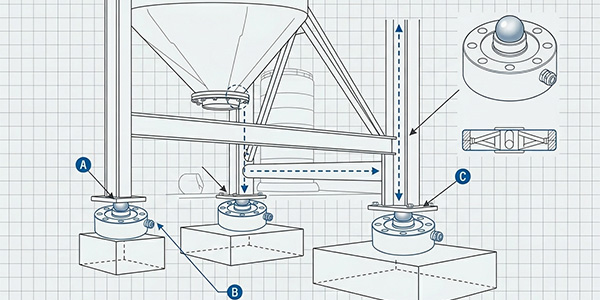
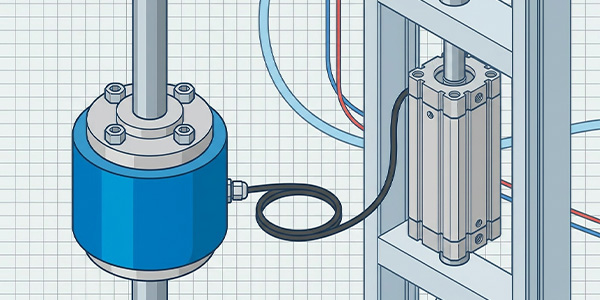
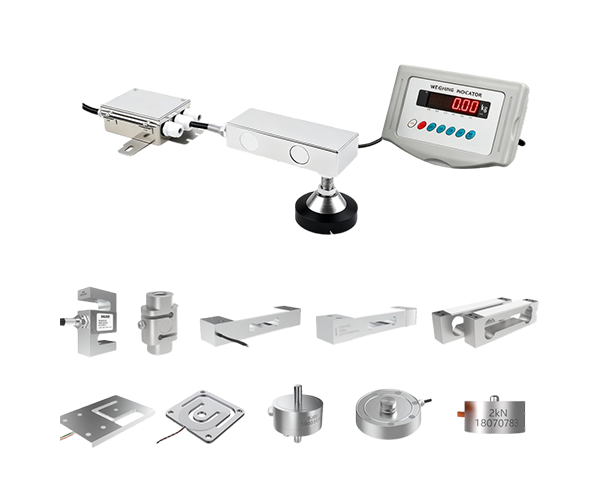
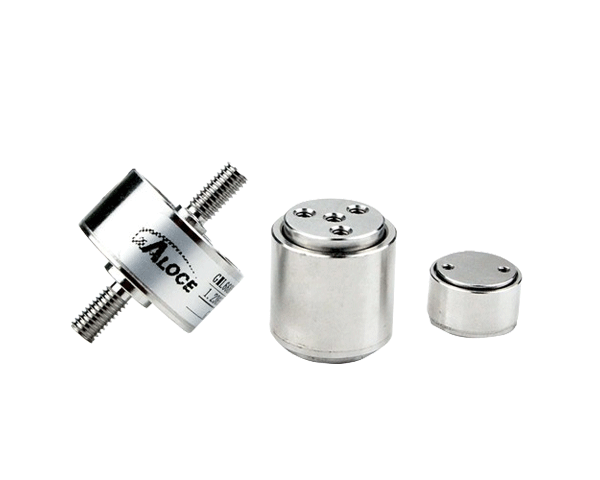
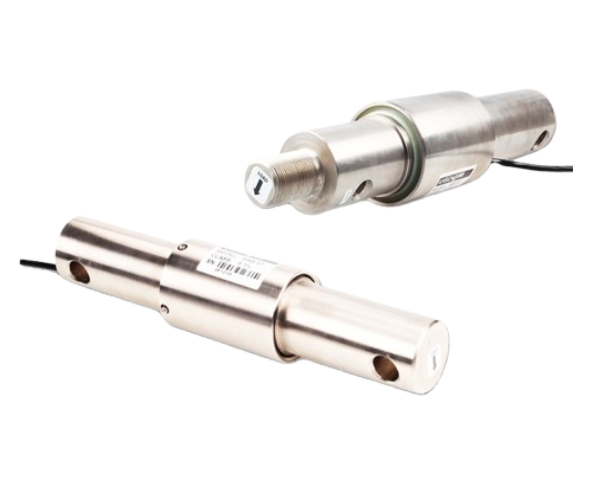
Column-type load cells (also known as canister or compression modules) are widely used in tank, silo, and hopper weighing due to their high capacity, ruggedness, and excellent side‑load rejection. This segment represents a significant portion of the overall market.
Year
Column-Type Module Market Value
Share of Total Market
2025
$594.7 million
~42.8%
2032 (Projected)
$858.4 million
~38.5% (other segments grow faster)
The sustained demand for column modules is driven by heavy industries such as cement, chemicals, mining, and food processing, where robust, high‑capacity weighing is non‑negotiable. Manufacturers are also introducing stainless steel and IP68‑rated column modules to serve hygienic and harsh environments.
💡 Investment Note: The column segment’s CAGR is approximately 5.4%, slightly below the overall market average, but its absolute growth ($263.7 million) remains substantial, offering stable opportunities for suppliers.
3. Key Growth Drivers
Three interconnected forces are accelerating the adoption of weighing modules across industries:
🏭 Industrial Automation & Smart Manufacturing
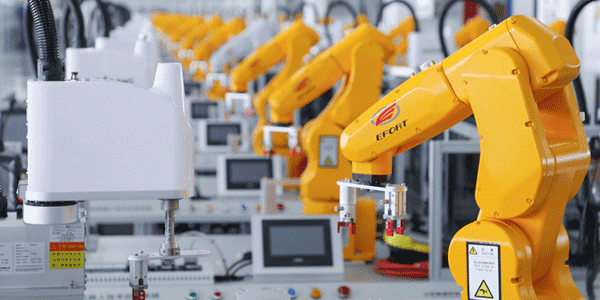
Manufacturers are upgrading legacy equipment with automated weighing and batching systems to reduce waste, improve consistency, and enable lights‑out production. Weighing modules integrated into PLC and SCADA systems provide real‑time process control, driving demand for both standard and custom designs.
⚙️ Precision Load Management in Logistics
E‑commerce growth and supply chain digitization require accurate weight data at every transfer point – from warehouse floor to freight audit. Weighing modules embedded in conveyor systems, pallet scales, and dimensioning equipment help logistics providers optimize load planning, prevent overweight fines, and calculate freight costs automatically.
📈 Compliance & Quality Standards
Stricter regulations in food & beverage, pharmaceutical, and chemical sectors mandate traceable, verifiable weight measurements. Legal‑for‑trade certified modules (OIML R60, NTEP) are becoming standard in many production lines, boosting replacement cycles and new installations.
📊 Real‑World Impact: A multinational food producer retrofitted 24 mixing vessels with digital weighing modules, reducing raw material waste by 11% and achieving 99.8% batch consistency – ROI realized in 14 months.
4. Three Major Technology Trends Reshaping the Market
🌐 IoT‑Enabled Smart Weighing Systems
Weighing modules are no longer passive sensors. Integrated microprocessors and wireless connectivity (Bluetooth, LoRaWAN, 5G) allow remote monitoring, predictive maintenance alerts, and real‑time data streaming to cloud platforms. Fleet operators can now monitor axle loads from a central dashboard, and factory managers can track silo levels without manual checks.
Reduced downtime through self‑diagnostics.
Seamless integration with ERP and MES.
Edge computing for instant decision making.
📟 Digital Calibration Technology
Traditional analog load cells require manual calibration with test weights and potentiometer adjustments. Digital calibration replaces this with software‑based, remotely accessible calibration that stores coefficients in the sensor’s memory. Benefits include:
Faster commissioning (no physical weight handling).
Calibration consistency across multi‑cell systems.
Tamper‑proof records for audit trails.
Digital calibration is becoming a key differentiator for premium weighing modules, especially in regulated industries.
🧼 Stainless Steel Modules for Hygienic & Sensitive Industries
Food, pharmaceutical, and biotech applications demand corrosion‑resistant, easy‑to‑clean, and washdown‑ready equipment. Stainless steel weighing modules (304/316L) with IP68/IP69K sealing are replacing painted alloy steel versions. These modules feature open geometries to prevent bacterial growth and are compatible with aggressive cleaning agents.
Rapid adoption in dairy, beverage, and meat processing.
Rising demand for electropolished finishes.
Compliance with EHEDG and 3‑A sanitary standards.
5. Supply Chain & Tariff Policy Impacts
The weighing module industry, like many industrial component sectors, faces shifting global trade dynamics. Recent tariff adjustments – particularly between the US and China – have forced procurement strategies to evolve.
⚠️ Current Landscape:
Section 301 tariffs on Chinese‑origin load cells (25% for most categories) remain in effect, prompting US buyers to seek alternative sources in Mexico, Vietnam, and India.
European Union anti‑dumping duties on certain Chinese weighing sensors have increased lead times and compliance costs.
Raw material prices (steel, aluminum, rare earths) remain volatile, affecting module pricing.
Strategic Responses from Manufacturers and Buyers:
Nearshoring & Regionalization: Several global brands have opened assembly facilities in Eastern Europe, Mexico, and Southeast Asia to circumvent tariffs and reduce logistics risks.
Multi‑sourcing: Procurement managers now qualify at least two suppliers per module type, often from different geographies, to ensure continuity.
Longer‑term contracts: Fixed‑price agreements with volume commitments help stabilize costs in a fluctuating tariff environment.
Inventory buffer strategies: Safety stock of critical modules increased from 30 to 90 days among large OEMs.
🔮 Outlook: Expect continued realignment of supply chains. By 2028, the share of weighing modules sourced from China for North American buyers may drop from ~65% (2020) to under 40%, with increased regional production in Mexico and the US.
6. Strategic Procurement Recommendations for 2026
Evaluate digital‑ready modules: Future‑proof your systems with IO‑Link or CANopen interfaces.
Prioritize hygienic designs if operating in food/pharma – stainless steel IP69K modules reduce cleaning downtime.
Adopt a dual‑sourcing strategy for high‑volume or critical applications to mitigate tariff and logistics disruptions.
Request digital calibration records from suppliers to simplify internal audits and legal compliance.
Consider total cost of ownership (TCO) over initial price – modules with higher accuracy and longer calibration intervals reduce operating costs.
Monitor IIoT integration capabilities – modules that directly stream data to cloud platforms can reduce integration effort by 30–40%.
7. Conclusion: A Connected, Resilient Future
The weighing module market is on a clear upward trajectory, supported by industrial automation, logistics digitization, and stricter quality standards. The column‑type segment remains a cornerstone, while IoT‑enabled smart weighing, digital calibration, and hygienic stainless steel modules are redefining product expectations.
For industry professionals and procurement managers, 2026 is the year to embrace connectivity, build supply chain resilience, and prioritize modules that offer long‑term value through accuracy, diagnostics, and ease of integration. The shift toward smart manufacturing is irreversible, and weighing modules – as fundamental sensing elements – will play an increasingly strategic role in operational excellence.
At Galoce, we offer a full spectrum of weighing modules, from robust column types to IP69K stainless steel smart sensors, backed by digital calibration and global supply support. Speak with our market specialists to align your weighing strategy with the latest technology and market trends.
IP65, IP67 and IP68 are not levels on one scale. See the real IEC 60529 test conditions and learn which rating your humid, dusty or corrosive site needs.
Discover why GALOCE is the leading load cell manufacturer in China. Offering high-precision force sensors, 26-step quality audits, and global OEM/ODM engineering for US & UK industrial standards. Explore our brand guide.