Torque Sensor vs. Force Sensor vs. Load Cell: When to Use Which?
TIME: 2026.05.08AUTHOR: Carol LiNUMBER OF VIEWS 639
Torque Sensor vs. Force Sensor vs. Load Cell: When to Use Which? | Galoce
Published on: | Author: Galoce Sensor Education Team
Not all sensors are created equal. If you're new to sensing, you might wonder: what’s the difference between a torque sensor, a force sensor, and a load cell? Can they be used interchangeably? The short answer is no – each is designed for a different type of mechanical input. This guide explains the three sensor types, gives everyday analogies, compares their specifications, and provides a simple decision framework so you can pick the right one for your project.
Three Sensors, Three Jobs
Let’s start with the core definitions:
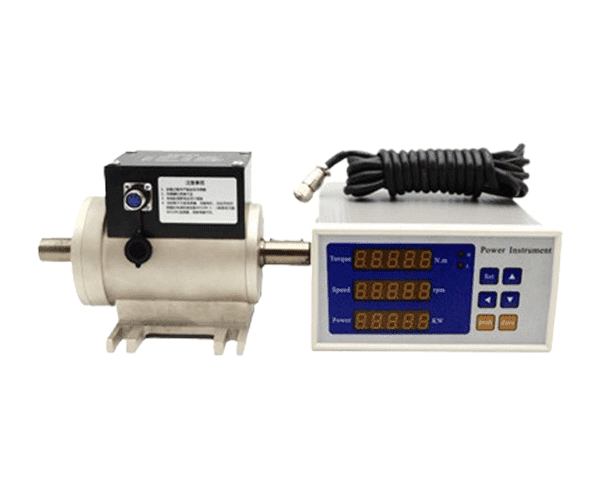
Torque sensor: measures twisting force (rotation). Think of a wrench tightening a bolt.
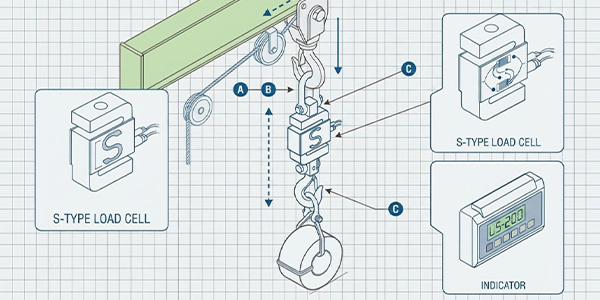
Force sensor: measures pushing or pulling in a straight line. Think of a spring scale pulling a load.
Load cell: a type of force sensor specialized for weight/compression. Think of a bathroom scale.
In practice, “load cell” is often used interchangeably with “force sensor” for compression applications, but technically, a force sensor can measure both tension and compression, while many load cells are optimized for compression only.
🔍 Key distinction: Torque is about rotation; force is about linear push/pull. A load cell is a type of force sensor commonly used for weighing.
Everyday Analogies (No Engineering Degree Required)
🔧 Torque sensor = a wrench with a meter
When you turn a wrench, you’re applying torque. A torque sensor measures how hard you’re twisting – whether it’s a bolt, a steering wheel, or a motor shaft.
⚖️ Load cell = a bathroom scale
A bathroom scale measures how much you weigh – that’s compression force (straight down). It can’t measure sideways pushes or twisting.
🧲 Force sensor = a spring scale (like for weighing fish)
A spring scale can measure both pulling (tension) and pushing (compression). A force sensor does the same, but with electronic output.
Comparison Table
Feature
Torque Sensor
Force Sensor
Load Cell
Measured quantity
Torque (twisting force) – N·m, lb·ft, lb·in
Linear force – N, lbf, kgf
Usually compression force (weight) – kg, lb, N
Typical shape
Inline shaft or flange (rotates with the shaft)
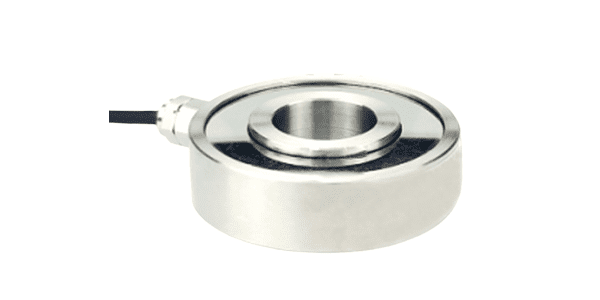
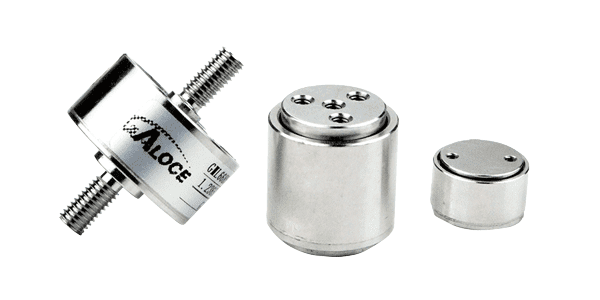
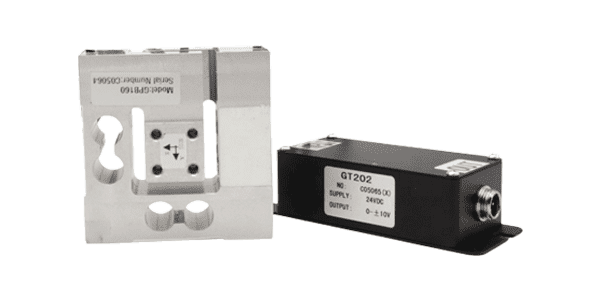
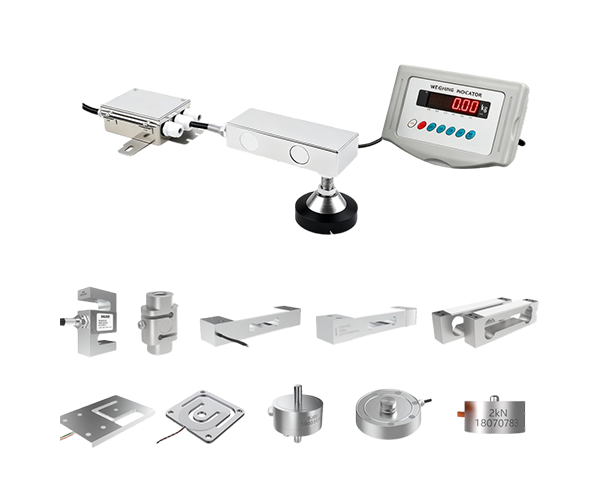
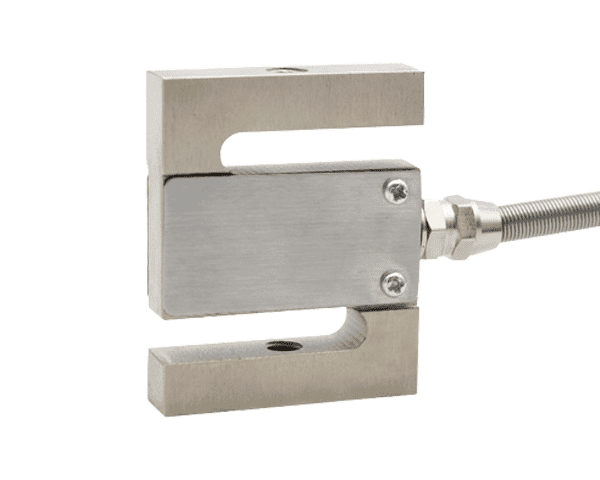
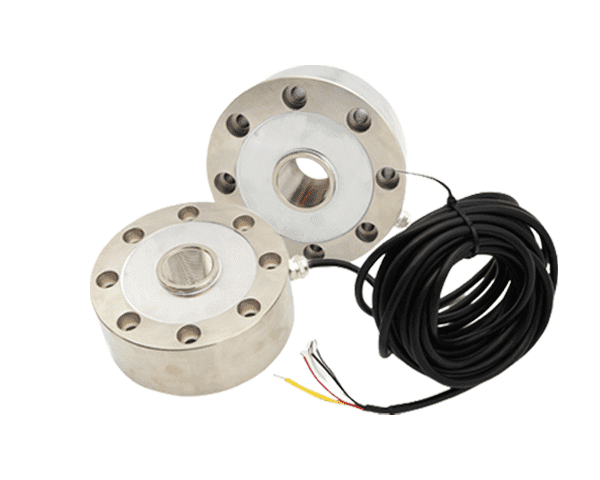
S‑beam, button, or donut shape
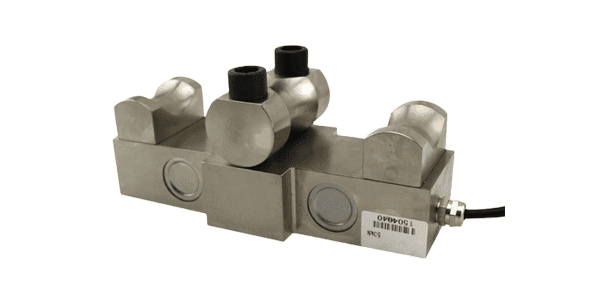
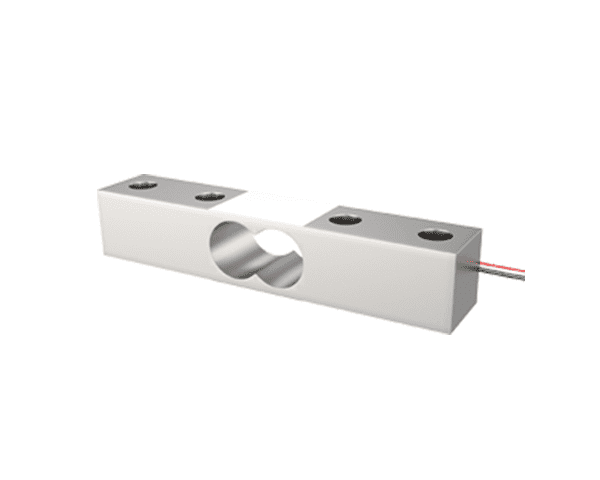
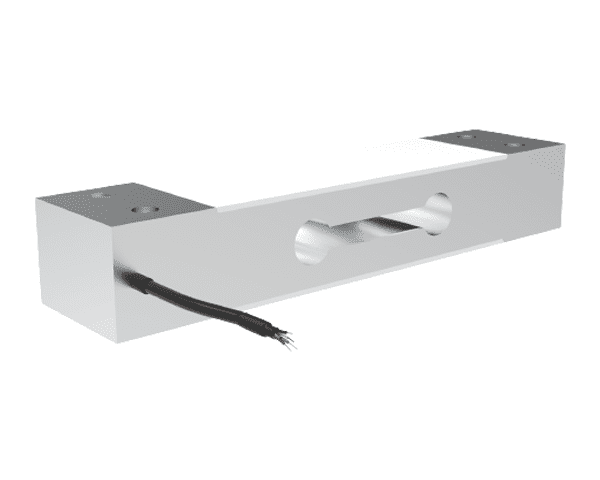
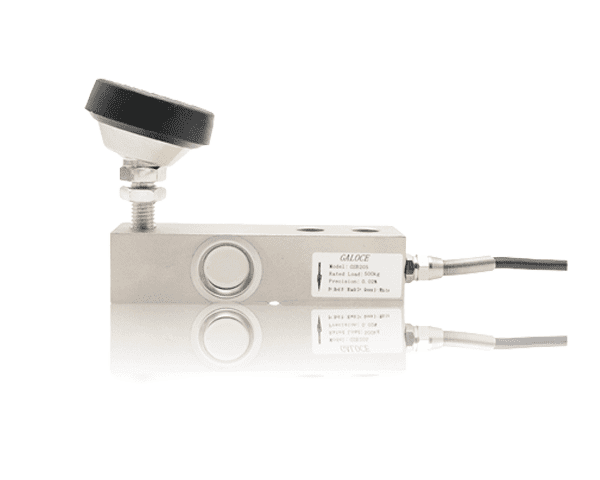
Cylinder, pancake, single‑point, shear beam
Common units
Newton‑meters (N·m), foot‑pounds (ft·lb)
Newtons (N), kilograms (kgf), pounds (lbf)
Kilograms (kg), pounds (lb), tons
Primary applications
Motor testing, screw tightening, steering feedback
Tank weighing, platform scales, industrial batching
🔩 When to Use a Torque Sensor
Rotating shafts
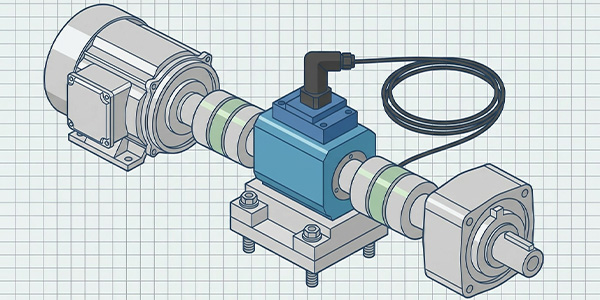
Measure the torque output of an electric motor, engine, or gearbox while it’s spinning.
Screw tightening (quality control)
Verify that bolts or screws are tightened to the correct torque – essential in automotive and assembly lines.
Steering wheels
Electric power steering systems use torque sensors to measure how hard the driver is turning.
💡 Rule of thumb: If your application involves something twisting – a shaft, a wheel, a bolt – you probably need a torque sensor.
🤏 When to Use a Force Sensor
Robotic gripper pressure
Measure how hard a robot hand is squeezing an object – prevents crushing delicate items.
Button or touch screen testing
Simulate a finger press and measure the exact force required to activate a switch.
Impact or push/pull measurements
Measure the force needed to open a door, pull a cable, or press a pedal.
✅ When to pick a force sensor over a load cell: If you need to measure both tension (pulling) and compression (pushing), a general‑purpose force sensor is more versatile.
⚖️ When to Use a Load Cell
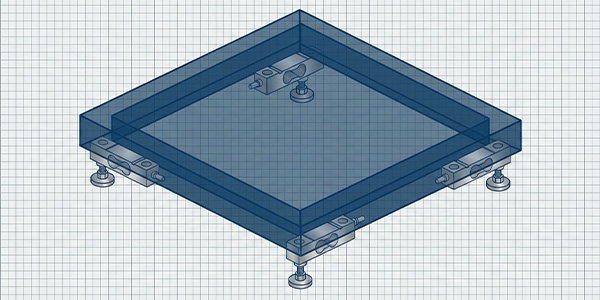
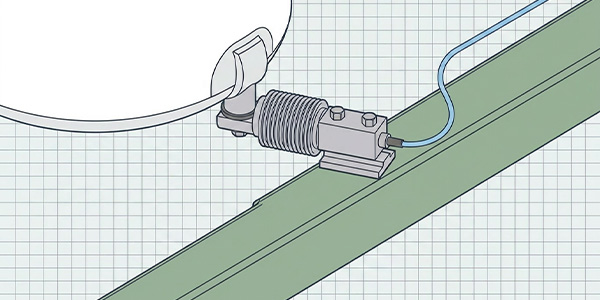
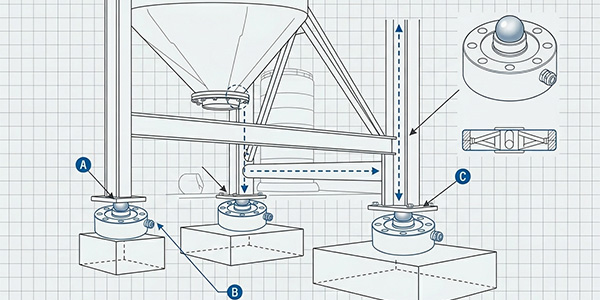
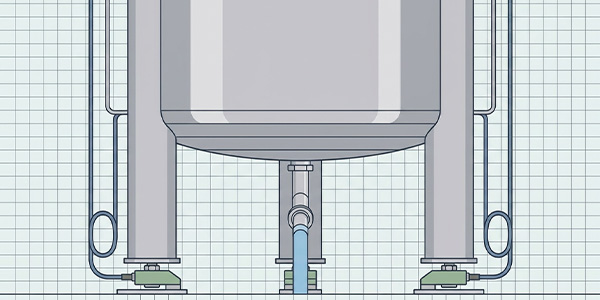
Weighing tanks, silos, and hoppers
Determine how much material is inside a large container by supporting it on load cells.
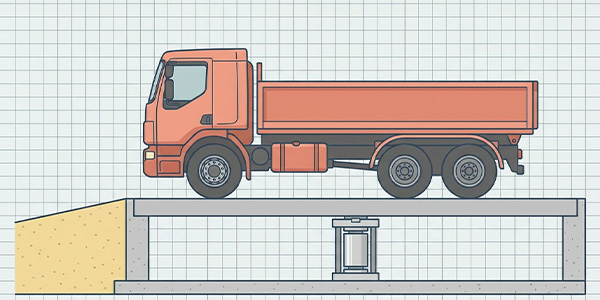
Platform scales and floor scales
The standard sensor for grocery scales, industrial floor scales, and checkweighers.
Static weight measurement
Any application where you need to know how much something weighs – not how hard it’s being pushed sideways.
💡 Note: Load cells are a subset of force sensors, but they are optimised for accuracy in compression and are often more affordable for weighing applications.
Overlap: When Can You Use Either?
Sometimes the same physical quantity can be measured indirectly with different sensors. For example, measuring bolt tension:
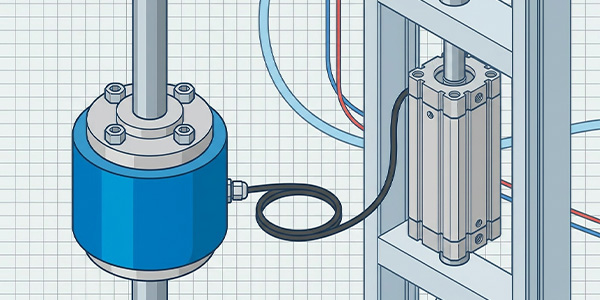
Direct method: Use a load washer (a special type of force sensor) placed under the bolt head – directly measures clamping force.
Indirect method: Use a torque sensor on the wrench – measure torque applied, then estimate tension based on friction (less accurate but easier).
🤔 How to decide: If high accuracy is critical, measure the physical quantity directly (force sensor for tension). If the assembly process already has a torque reading, you might use torque as a proxy. But remember: friction can cause large errors.
Another example: measuring the force of a linear actuator. You could use an in‑line force sensor (accurate) or measure the motor current and convert to torque then force (less accurate). When in doubt, go direct.
Simple Decision Flowchart (in plain text)
Start here:
↓
❓ Does the force cause rotation? (e.g., a shaft turning, a bolt being tightened)
→ YES → Use a Torque Sensor.
→ NO – it’s a linear push or pull.
↓
❓ Will you measure only weight / compression? (e.g., tank weighing, platform scale)
→ YES → Use a Load Cell (often cheapest for pure weighing).
→ NO – you need to measure both tension and compression, or small forces.
↓
✅ Use a General‑Purpose Force Sensor (S‑beam, button, or donut type). Still unsure? Check the “overlap” section above or contact a specialist.
This flowchart covers 90% of typical use cases. The key insight: match the sensor to the type of mechanical action – twisting, pushing, or weighing.
Conclusion: Match the Sensor to the Motion
Torque sensors, force sensors, and load cells all measure force, but they do it in different ways. A torque sensor is the right choice for rotating systems. A load cell is perfect for static weight measurement. A general‑purpose force sensor gives you the flexibility to measure both tension and compression.
When you’re choosing, always start with the mechanical action: is it twisting? if yes → torque sensor. If it’s linear push/pull, then decide whether you need only compression (load cell) or both directions (force sensor).
At Galoce, we offer all three types, from miniature torque sensors for robotics to heavy‑duty load cells for industrial tanks. Talk to our selection team for a recommendation.
IP65, IP67 and IP68 are not levels on one scale. See the real IEC 60529 test conditions and learn which rating your humid, dusty or corrosive site needs.
Discover why GALOCE is the leading load cell manufacturer in China. Offering high-precision force sensors, 26-step quality audits, and global OEM/ODM engineering for US & UK industrial standards. Explore our brand guide.