
Load Cell Usage Precautions | GALOCE

TIME: 2024.10.24 AUTHOR: Carol Li NUMBER OF VIEWS 1830

Why use a load cell?


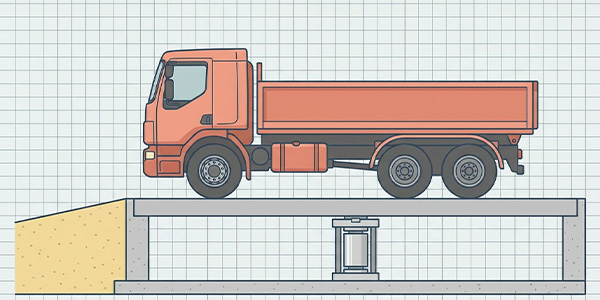
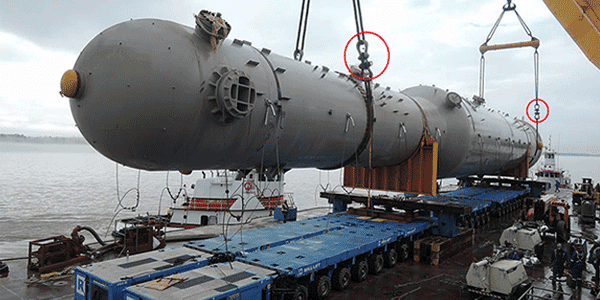
Load cells are widely accepted as the modern standard in most heavy industries, manufacturing plants, large production workshops, and strict quality control environments today. In global sales, such a large proportion still relies on accurate weight measurement, which is one reason why load cells play such an important role in modern commerce. In more direct industrial applications, load cells are crucial for maintaining precise quality control systems, promoting manufacturing consistency, and ensuring safe processes. They are also widely used in various medical and laboratory environments to achieve optimal precise measurements for various scientific and research purposes. Load cells are rapidly becoming more common in a range of industries that are not inherently dependent on accurate weight measurements, such as in general logistics and freight calculations. Load cells technology is inherently compatible with a variety of other digital and computer-based communication technologies, enabling all types of companies to access, monitor, and respond to key diagnostic information in real-time quickly. 


Since achieving this with traditional mechanical platform weighing equipment is much more difficult, in the long run, installing weighing sensors is often more efficient and cost-effective for most companies. 

What are the precautions for the use of load cell? 


In recent years, products like load cell sensors are considered new products, and their importance is significant. Although force sensors are easy to use, many problems may arise during use due to improper user operation or negligence. This is mainly because users have limited knowledge of the precautions for using force sensors. Let's briefly introduce: 


1.Handle load cell sensors with care, especially for small capacity sensors using aluminum alloy as the elastic body. Any impact or drop caused by vibration can result in significant output errors. 

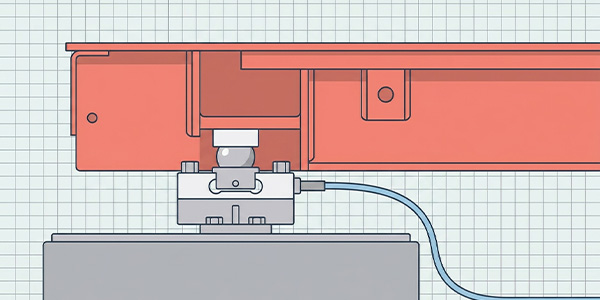
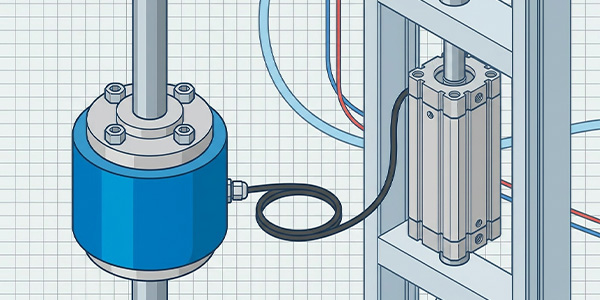
2.During the design of the loading device and installation process, ensure the application of the loading force. Align the stress axis of the load cell sensor to reduce the effects of tilted loads and eccentric loads. 

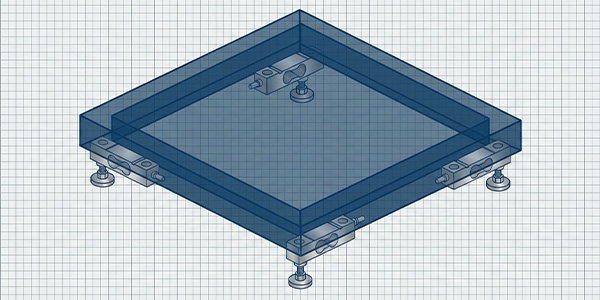
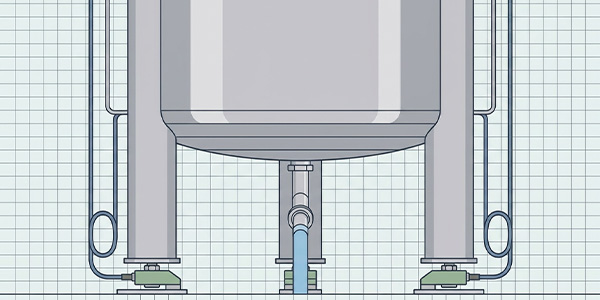
3.Horizontal adjustment, if using force sensors, use a spirit level to adjust the mounting plane of the base. Ensure it is level; if measuring multiple sensors simultaneously, the mounting surface of the base should be kept as level as possible. The main purpose is to ensure that the force on each sensor is basically the same. 

4.The rated load of the sensor is determined based on the range selection of the load cell sensor in its specifications. 

5.To prevent chemical corrosion, apply a layer of Vaseline on the outer surface of the load cell sensor during installation. Avoid direct sunlight and rapid changes in ambient temperature. 

6.Connect a shunt made of copper braided wire at both ends of the load cell sensor loading device. 

7.Do not extend the cable by yourself. If extension is necessary, solder at the joint and apply moisture-proof sealant. 

8.Use shields around the load cell sensor to cover it. This is to prevent debris from falling into the moving parts of the sensor, affecting its measurement accuracy. 

9.Keep the sensor cable away from strong power supply lines or places with pulse waves. If interference cannot be avoided, the load cell sensor cable should be individually threaded into an iron pipe, and the connection distance should be minimized. 

10.The rated load of the sensor should be determined based on the range selection of the force sensor in the specifications. Although load cell sensors themselves have overload capability, situations of overload should be avoided during installation and use. Sometimes even a short overload time can lead to sensor damage. These precautions for using force sensors are introduced here to make users more aware when using load cell sensors in the future, as they are often greatly affected by improper user operation. The more people understand, the greater the help in using good load cell sensors.

Recommend View More
TIME 2026.01.23

Why Use Shear Beam Load Cells for Livestock Scales?

Discover why shear beam load cells are ideal for livestock scales. Learn how they handle off-center weighing, harsh environments, heavy loads, and animal movement with superior accuracy and durability. See real-world case studies and cost-saving benefits.

TIME 2026.01.22

How Portable Axle Weighing Scales Work and Their Application Scenarios

Discover how portable axle weighing scales work and their versatile applications across industries. Learn about load cell technology, key components like digital indicators and wireless connectivity, and step-by-step weighing procedures. Explore real-world scenarios in fleet management, construction, agriculture, logistics, waste management, and law enforcement. Understand the advantages of portable scales—cost-effectiveness, mobility, compliance support, and time efficiency—and get tips on choosing the right model for your needs. This comprehensive guide also debunks common myths and highlights future trends like IoT integration and AI-powered analytics for smart weighing solutions.

TIME 2026.01.21

How Load Cells Empower IoT Smart Weighing Systems

Explore how load cells integrate with IoT technology to create smart weighing systems that enhance efficiency, accuracy, and connectivity across industries. Learn how IoT-enabled load cells enable real-time data monitoring, predictive maintenance, remote calibration, and seamless cloud integration for logistics, manufacturing, agriculture, and smart infrastructure. This article explains the role of strain gauge sensors, wireless communication, and data analytics in transforming traditional weighing systems into intelligent, automated solutions. Discover the benefits of smart weighing—including reduced operational costs, improved decision-making, and increased system reliability—and how Galoce supports IoT-ready load cell solutions.

029-81292510

info@galoce.com

Rm. 1208, Building B, Huixin IBC, No. 1 Zhang Bayi Road, High-tech Zone, Xi'an, Shaanxi, China

Copyright © Xi'an Gavin Electronic Technology Co., Ltd Site Map

Message Form